You’re walking down a busy street, earbuds in, lost in your own world. Suddenly, you see it: a person stumbling, dropping a bag of groceries, oranges scattering across the pavement. Your initial instinct might be to help, but then you notice something else. A few other people have also paused, their gazes momentarily flicking towards the scene. Yet, no one moves. The fallen person, looking flustered, begins to pick up their own groceries, a small crowd forming a loose circle, their eyes a mix of concern and… inaction. Why, you might wonder, didn’t anyone step in? This, my friend, is a classic illustration of the bystander effect, a fascinating and often frustrating psychological phenomenon that explains why people don’t always lend a hand, even when help is clearly needed.
The Unseen Influence of the Crowd
The bystander effect isn’t about people being inherently cruel or apathetic. Instead, it’s a complex interplay of social and cognitive factors that can lead to inaction. Imagine yourself in that grocery store scenario. You see the spill, you see others see it. This shared awareness, paradoxically, can diffuse individual responsibility. It’s as if everyone is thinking, “Someone else will handle it,” or “Surely, with so many people here, help is already on its way.” This diffusion of responsibility is a cornerstone of the bystander effect. When you’re the only one witnessing an emergency, the burden of acting falls squarely on your shoulders. You feel the urgency, the moral imperative. But when there are others present, that burden is spread thin, making it easier for each individual to feel less personally responsible.
Defining the Bystander Effect
At its core, the bystander effect is the phenomenon in which the greater the number of people present in an emergency situation, the less likely it is that any one of them will help the victim. It’s a robust finding in social psychology, demonstrated through numerous studies and real-world tragedies. Think of the tragic case of Kitty Genovese, a young woman whose murder in 1964, purportedly witnessed by dozens of people who did not intervene, spurred the initial research into this effect. While the exact details of the Genovese case have been debated and nuanced over time, the psychological principles it highlighted remain profoundly influential. The idea is that the presence of other bystanders inhibits individual intervention.
The Genesis of the Theory
The pioneering work of Latané and Darley in the late 1960s provided the first systematic explanations for the bystander effect. They conducted a series of experiments that beautifully illustrated the phenomenon. In one famous study, participants were seated in a waiting room, filling out questionnaires. Smoke began to seep into the room from a vent. Some participants were alone, while others were in groups. Those who were alone tended to report the smoke much faster than those in groups. The researchers proposed that the diffusion of responsibility and social influence were key factors at play. This groundbreaking research laid the foundation for decades of further exploration into why helping behavior can be so inconsistent.
Real-World Implications and Tragedies
Beyond the laboratory, the bystander effect has tangible and often devastating consequences. Cases like Kitty Genovese, while complex, serve as powerful reminders of its potential impact. Think of situations where someone collapses in a crowded public space, or a crime is being committed in broad daylight. The inertia of the crowd, driven by the psychological mechanisms of the bystander effect, can mean precious minutes, or even lives, are lost. Understanding these dynamics is crucial not just for psychologists, but for anyone who wants to foster a more compassionate and responsive society. It highlights the need for conscious effort to overcome these inherent social tendencies.
The bystander effect is a fascinating psychological phenomenon that highlights how individuals are less likely to offer help in emergencies when other people are present. For a deeper understanding of this concept and its implications, you can explore the article on Unplugged Psychology, which provides a comprehensive explanation of the bystander effect and related studies. To read more, visit this article.
The Cognitive Hurdles to Intervention
It’s not just about feeling less responsible; there are significant cognitive processes that contribute to the bystander effect. Your brain is constantly processing information, and in ambiguous situations, it often defaults to caution and reliance on others. This can lead to a misinterpretation of the situation or a delayed reaction. The very act of observing others observing can shape your own perception and subsequent actions, often leading you down a path of inaction.
Interpreting the Emergency
One of the primary cognitive hurdles is the interpretation of the situation. Is it truly an emergency? Or is it something else? You see the person stumble and drop their groceries. Your initial thought might be, “Oh, they just dropped something.” You look at others. They don’t seem overly concerned. Their casual glances reinforce your initial, less urgent interpretation. This process is known as “pluralistic ignorance.” You assume that since no one else is acting, the situation must not be that serious. Everyone is looking to everyone else for cues, and in the absence of clear signs of distress or immediate danger, the perceived emergency is downgraded. This can happen even when the situation is genuinely problematic.
The Ambiguity of the Scene
Emergencies are often ambiguous. The person who has fallen might be drunk, or they might have had a medical episode. Without clear, undeniable evidence of danger, your brain struggles to categorize the event. In such ambiguous circumstances, you are more likely to look to the reactions of others to guide your own. If others are calm, you are likely to remain calm, even if your gut feeling tells you something is wrong. This reliance on social cues is a powerful driver of the bystander effect. The more ambiguous the situation, the more you will look to others for interpretation, and the more likely you are to adopt their apparent lack of urgency, thereby inhibiting your own help.
The Role of Self-Consciousness
There’s also the element of self-consciousness. Stepping in to help can feel like drawing attention to yourself. What if you make a mistake? What if you embarrass yourself? What if your help is not needed or even unwanted? These fears, often amplified in a crowd, can be significant deterrents. You might worry about looking foolish or incompetent. This concern for social impression can override the impulse to act. The more people around, the more potential observers there are, and thus, the greater the potential for social judgment, which can freeze you in your tracks.
Social Dynamics at Play

Beyond individual cognitive processes, the presence of others introduces a complex web of social dynamics that significantly influence helping behavior. These dynamics can create a powerful social pressure, not to help, but to conform to the inaction of the group. It’s a subtle but potent force that can shape your decisions in ways you might not even consciously realize.
Diffusion of Responsibility Explained
As mentioned earlier, diffusion of responsibility is a key concept. When you are alone, you are solely responsible for the welfare of someone in need. The weight of that responsibility is immense. However, when you are in a group, this responsibility is divided among all present. Imagine a lifeguard watching a pool. If there’s only one lifeguard, they are acutely aware of their sole responsibility. If there are ten lifeguards, the responsibility feels less immediate for any single one of them, even if the situation demands their attention. Each individual feels a reduced sense of personal obligation to intervene because they assume others will.
Social Impact and Conformity
Social impact theory suggests that the likelihood of intervention depends on the strength, immediacy, and number of “influencers” – in this case, other bystanders. If others are passive, their inaction has a strong negative social impact on you, making you less likely to act. This is closely related to conformity. You look at what others are doing, and you tend to do the same. If the norm within the group appears to be inaction, you are more likely to conform to that norm, even if it goes against your personal inclination to help. This desire to fit in and avoid social disapproval can be a powerful inhibitor of helpful behavior.
The Perceived Norm of Inaction
The overall atmosphere of a crowd can also communicate a “norm of inaction.” If people are milling about, looking around, but not engaging, it signals that this is not a situation requiring intervention. This perceived norm can be particularly strong in urban environments where people are accustomed to seeing a wide variety of events and may have developed a learned response to tune things out. You might interpret the general lack of action as a collective agreement that no help is needed, reinforcing your own tendency to remain passive.
Overcoming the Bystander Effect
While the bystander effect is a powerful phenomenon, it is not an insurmountable one. Understanding its mechanisms is the first step towards actively combating it. By being aware of these psychological forces, you can consciously choose to act differently, to break the cycle of inaction and become a catalyst for help.
Recognizing and Countering Diffusion of Responsibility
The most direct way to counter diffusion of responsibility is to consciously remind yourself that even if others are present, your individual choice to act can make a significant difference. If you are in a situation where help is needed, take a moment to acknowledge that you are responsible, regardless of how many other people are around. Don’t wait for someone else to take the lead. Your initiative can inspire others to follow.
Direct Intervention Strategies
One of the most effective strategies is to directly address another individual or the group. Instead of a general plea for help, which can be ambiguous, point to a specific person and ask for their assistance. For example, “You in the blue shirt, can you call 911?” or “Sir, can you help me lift this?” This breaks the diffusion of responsibility by assigning a task to a specific individual, making them more likely to act. It also helps to clarify the situation and reduce ambiguity for everyone involved.
Educating Yourself and Others
Raising awareness about the bystander effect is crucial. When people understand why they or others might hesitate to help, they are better equipped to overcome those tendencies. Sharing information, discussing scenarios, and promoting a culture of active intervention can create a more responsive society. The more people who understand these psychological dynamics, the less likely they are to fall prey to them.
The bystander effect is a fascinating phenomenon in psychology that illustrates how individuals are less likely to offer help to a victim when other people are present. This intriguing concept is explored in greater detail in a related article that delves into the social dynamics at play during such situations. To learn more about the factors influencing this behavior, you can read the article on Unplugged Psych, where various studies and real-life examples are discussed to shed light on why people often remain passive in emergencies.
When Help Prevails: Factors That Encourage Intervention
| Aspect | Description | Key Findings | Example Study |
|---|---|---|---|
| Definition | The bystander effect is a social psychological phenomenon where individuals are less likely to help a victim when other people are present. | Presence of others decreases likelihood of intervention. | Darley & Latané (1968) smoke-filled room experiment. |
| Diffusion of Responsibility | When multiple bystanders are present, each feels less personal responsibility to act. | Responsibility is shared, reducing individual accountability. | Kitty Genovese case (1964) highlighted this effect. |
| Pluralistic Ignorance | Bystanders look to others for cues and may interpret inaction as a sign that help is not needed. | Leads to collective inaction despite emergency. | Darley & Latané’s seizure experiment. |
| Number of Bystanders | As the number of bystanders increases, the likelihood of any one person helping decreases. | Help rates drop from ~85% (alone) to ~31% (with 4+ bystanders). | Darley & Latané (1968) seizure study. |
| Factors Increasing Helping | Clear emergency, victim similarity, perceived competence, and personal responsibility increase helping behavior. | Intervention more likely when situation is unambiguous. | Levine et al. (2005) cross-cultural helping study. |
While the bystander effect can lead to inaction, it’s also important to recognize that people do help, often quite heroically. There are specific factors that can overcome the inertia of the crowd and inspire individuals to act. Understanding these catalysts can provide valuable insights into fostering a more compassionate and responsive society.
The Clarity and Severity of the Emergency
The more clear-cut and severe an emergency is, the less room there is for interpretation and the more likely people are to intervene. If someone is clearly bleeding profusely or shouting for help in obvious distress, the ambiguity is reduced. The perceived severity of the situation overrides the cognitive hurdles associated with interpretation and diffusion of responsibility. A dire situation demands attention, and most people will respond when the need is undeniable.
Personal Connection to the Victim
You are far more likely to help someone you know or care about than a complete stranger. This is because the personal connection creates a stronger sense of responsibility and emotional investment. The diffusion of responsibility is significantly reduced when the victim is a friend, family member, or even someone you recognize from your community. The emotional stakes are higher, making inaction much more difficult.
Perceived Competence and Self-Efficacy
If you believe you have the skills and ability to help effectively, you are more likely to intervene. This is known as self-efficacy. If you are trained in first aid, for instance, and witness a medical emergency, you are more likely to step in because you feel confident in your ability to provide assistance. Conversely, if you feel unqualified or unsure of how to help, you may hesitate, even if you want to. This highlights the importance of training and preparedness in promoting helping behaviors.
The Role of Empathy and Altruism
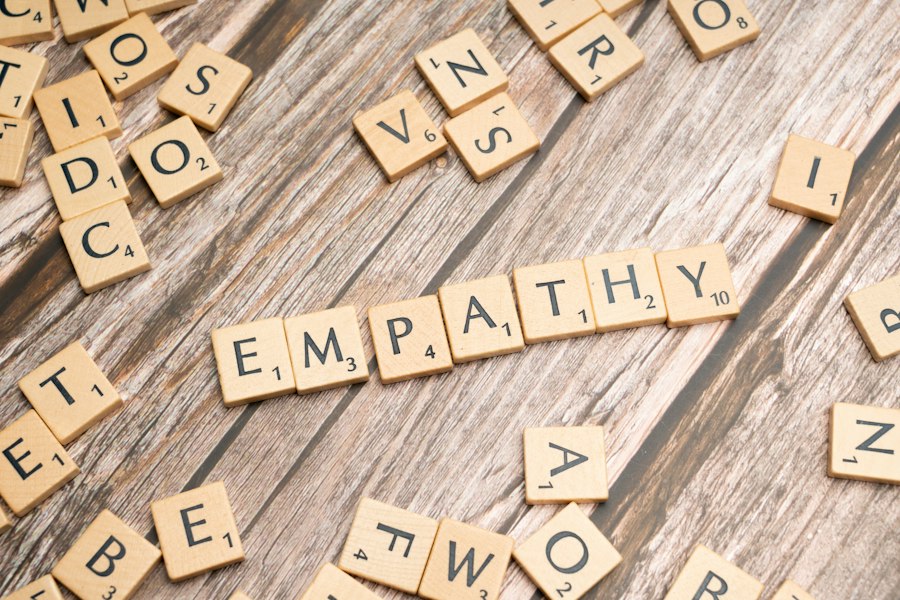
Ultimately, many instances of helping are driven by empathy – the ability to understand and share the feelings of another – and altruism – selfless concern for the well-being of others. While the bystander effect can create barriers, strong empathetic responses can cut through these psychological defenses. When you genuinely feel the distress of another person, the desire to alleviate their suffering can become a powerful motivator, often overriding the usual social and cognitive inhibitors. Fostering empathy, therefore, is a fundamental aspect of building a more helpful society. You might witness the same event as dozens of others, but it is your unique capacity for empathy that might be the spark that ignites your action.

The Kitty Genovese Story That Changed Psychology—But Was It True?
FAQs
What is the bystander effect in psychology?
The bystander effect is a social psychological phenomenon where individuals are less likely to offer help to a victim when other people are present. This diffusion of responsibility can lead to inaction in emergency situations.
What factors contribute to the bystander effect?
Several factors contribute to the bystander effect, including the number of people present, ambiguity of the situation, cohesiveness of the group, and perceived level of competence to help. These factors can influence whether individuals intervene or not.
How does the bystander effect impact behavior in emergencies?
The bystander effect can impact behavior in emergencies by causing individuals to hesitate or refrain from helping due to the presence of others. This can result in delays in seeking assistance or taking action, which can have serious consequences for the victim.
Can the bystander effect be overcome?
While the bystander effect is a powerful phenomenon, it can be overcome through awareness, education, and training. Encouraging individuals to take personal responsibility, providing clear instructions in emergencies, and promoting a sense of community can help reduce the bystander effect.
What are some real-life examples of the bystander effect?
Real-life examples of the bystander effect include the murder of Kitty Genovese in 1964, where numerous witnesses failed to intervene or call for help, as well as various social experiments demonstrating the effect in situations like theft, harassment, or accidents. These examples highlight the impact of social influence on individual behavior.