You’re running on empty. The constant demands, the endless to-do lists, the feeling of being perpetually “on” – it’s draining you. You’re saying “yes” to things you secretly dread, you’re taking on emotional burdens that aren’t yours to carry, and you’re finding yourself increasingly resentful and overwhelmed. If this sounds familiar, it’s time to talk about boundaries. Building healthier boundaries isn’t about being selfish or pushing people away; it’s about self-preservation, about creating a sustainable way to navigate your relationships and your life with greater peace and well-being. It’s a skill, and like any skill, it can be learned and refined.
Understanding the Foundation: What Are Boundaries and Why Do You Need Them?
Before you can build a house, you need to understand the land and the materials. Similarly, to build healthier boundaries, you need to grasp what they truly are and the vital role they play in your overall health.
Defining Your Personal Borders
Boundaries are the invisible lines you draw around yourself that define what is acceptable and unacceptable behavior from others. They are the rules you set for how you want to be treated, how you will allow yourself to be impacted, and what you are willing to give and receive in relationships. Think of them as your personal property lines, protecting your time, energy, emotions, and physical space.
Physical Boundaries: Protecting Your Personal Space
These are the most straightforward boundaries, relating to your physical self and your immediate surroundings.
- Bodily Autonomy: This is the fundamental right to control your own body and make decisions about your physical well-being. It includes controlling who touches you, when, and how. For example, you have the right to refuse a hug or to ask someone to step back if they are standing too close.
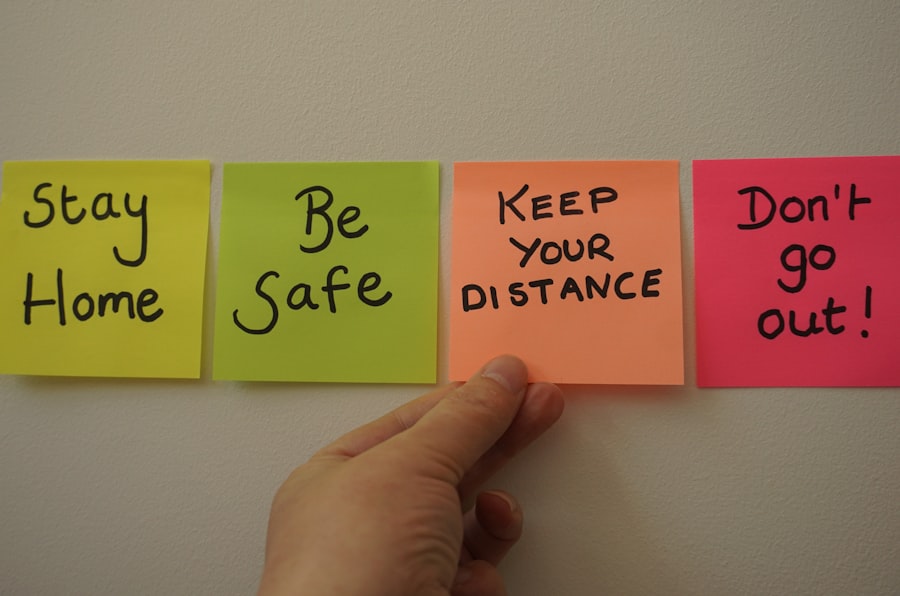
- Personal Space: This refers to the physical distance you feel comfortable with around you. It’s why some people feel uneasy in crowded elevators or when someone stands too close during a conversation. Respecting personal space is a universally understood boundary.
- Possessions: Boundaries also extend to your belongings. This could mean asking before borrowing something or setting limits on how much of your food or personal items you’re willing to share.
Emotional Boundaries: Safeguarding Your Inner World
Emotional boundaries are perhaps the most challenging, yet most crucial, for your well-being. They protect your feelings, your energy, and your mental health from being excessively influenced or drained by others.
- Not Absorbing Others’ Emotions: This means recognizing that someone else’s anger, sadness, or anxiety isn’t your responsibility to fix or absorb. You can offer comfort and support, but you don’t need to internalize their feelings as your own. For instance, if a friend is venting about a difficult situation, you can listen empathetically without taking on their stress as if it were yours.
- Emotional Responsibility: This is about owning your own feelings and not expecting others to manage them for you. It also means not projecting your own emotions onto others or blaming them for how you feel. You are in charge of your emotional responses.
- Protecting Your Vulnerability: While vulnerability is important in close relationships, it’s also essential to know when and with whom you are comfortable sharing your deepest thoughts and feelings. Not everyone is trustworthy, and not every situation calls for complete openness.
Time and Energy Boundaries: Conserving Your Most Precious Resources
Your time and energy are finite. Without boundaries around them, they can be quickly depleted, leaving you exhausted and unable to tend to your own needs.
- Saying No Without Guilt: This is a cornerstone of time and energy boundaries. It’s about recognizing that you can’t do everything and that prioritizing your own well-being is not selfish. Learning to decline requests that overextend you is a powerful act of self-care.
- Delegating and Distributing Tasks: In both personal and professional life, you don’t have to be the sole keeper of every responsibility. Identifying tasks that can be delegated or shared frees up your time and energy for what truly matters.
- Protecting Downtime: Your mind and body need periods of rest and rejuvenation to function optimally. This means setting aside time for activities you enjoy, for solitude, or simply for doing nothing, and defending that time fiercely against external demands.
The Profound Impact of Healthy Boundaries on Your Well-being
The absence of clear boundaries often leads to a cascade of negative consequences that erode your physical, emotional, and mental health. Conversely, establishing and maintaining them fosters a sense of empowerment, reduces stress, and cultivates healthier, more fulfilling relationships.
Reduced Stress and Anxiety
When you’re constantly overcommitting and feeling responsible for everyone else’s needs, your stress levels skyrocket. Healthy boundaries act as a buffer, preventing you from being overwhelmed by external demands. You gain a sense of control over your life, which significantly reduces anxiety. You can breathe easier knowing you’re not carrying an unbearable load.
Improved Self-Esteem and Self-Respect
The act of setting and enforcing boundaries is a profound declaration of your own worth. It communicates to yourself and others that you value your needs, your time, and your emotional well-being. This consistent reinforcement builds a strong sense of self-esteem and self-respect. You begin to see yourself as someone who deserves to be treated well, and who has the power to ensure it.
Healthier and More Authentic Relationships
Counterintuitively, clear boundaries often strengthen relationships. When you can clearly articulate your needs and limits, it allows for more honest and genuine connections. People know where they stand with you, and you can engage in relationships based on mutual respect rather than obligation or resentment. It eliminates the guesswork and allows for deeper trust to develop.
Increased Productivity and Focus
When your time and energy are not constantly being siphoned off by excessive demands, you can dedicate them to the tasks that truly matter. This leads to increased productivity, better focus, and a greater sense of accomplishment in your work and personal projects. You can finally get things done without feeling spread too thin.
Enhanced Emotional Resilience
By practicing emotional boundaries, you learn to process your own emotions effectively without becoming a sponge for others’. This emotional resilience allows you to navigate life’s challenges with greater strength and grace, bouncing back from setbacks more effectively. You become less susceptible to emotional manipulation and more grounded in your own feelings.
Building healthier boundaries is essential for maintaining both personal well-being and healthy relationships. For those looking to explore this topic further, a related article can provide valuable insights and practical tips. You can read more about effective boundary-setting strategies in this informative piece at Unplugged Psych. This resource offers guidance on recognizing your limits and communicating them effectively, which can lead to more fulfilling interactions in various aspects of life.
Identifying the Signs: Recognizing When Your Boundaries Are Crossed
You might think you’re just being a “good person” by always accommodating others, but if you’re experiencing certain symptoms, it’s a strong indication that your boundaries are being violated. Learning to recognize these signs is the crucial first step in building stronger limits.
The Whisper of Resentment: Subtle Clues You’re Being Overstepped
Sometimes, the signs are not loud alarms but quiet whispers of discontent. Paying attention to these subtle shifts in your feelings can alert you to boundary violations before they escalate.
Feeling Consistently Drained or Exhausted
You find yourself coming away from interactions feeling depleted, as if someone has literally sucked the life out of you. This isn’t just normal fatigue; it’s a deep, pervasive exhaustion that suggests your energy resources are being unfairly tapped. You might feel this way after spending extended time with certain individuals or after agreeing to too many commitments.
Experiencing Persistent Guilt or Obligation
Do you feel an overwhelming sense of guilt when you say no, or a constant pressure to do things you don’t want to do because you believe you “should”? This is a classic sign of weak boundaries, where you’ve internalized the idea that your needs are secondary to the perceived needs or expectations of others.
Growing Irritability and Frustration
When your boundaries are constantly being pushed, a simmering cauldron of irritability and frustration can develop. Small annoyances can feel magnified, and you might find yourself snapping at people you care about, even though the root cause is your own suppressed needs. This is your internal alarm system signaling something is wrong.
Feeling Taken Advantage Of
You might notice a recurring pattern where you consistently give more than you receive, or where your efforts are not acknowledged or appreciated. This feeling of being undervalued and exploited is a strong indicator that your boundaries are permeable, allowing others to take without consequence.
The Thunderclap of Breaches: Overt Signs of Boundary Violations
Other times, the signs are less subtle, more like a loud, unmistakable thunderclap signaling that your personal space has been invaded.
Direct Disregard for Your “No”
This is perhaps the most obvious sign. You’ve clearly stated a limit, and the other person either ignores it, argues with it, or tries to persuade you to change your mind. This demonstrates a fundamental disrespect for your autonomy and your right to set limits.
Unsolicited Advice and Criticism
When people consistently offer unsolicited advice or criticize your choices, even when you haven’t asked for their input, it’s a violation of your autonomy. It implies they believe they know better than you and are entitled to impose their judgment on your life.
Invasive Questions and Prying
Being asked overly personal questions that make you feel uncomfortable, or having people pry into areas of your life that you prefer to keep private, is a clear boundary breach. This can occur in conversations, through social media, or by spreading rumors.
Emotional Blackmail and Guilt-Tripping
When people use emotional pressure, threats, or guilt to get you to do what they want, it’s a severe boundary violation. This manipulative tactic aims to exploit your desire to be loved or accepted, forcing you to compromise your own well-being.
Persistent Interruptions and Lack of Listening
In conversations, being constantly interrupted or having your points dismissed without due consideration shows a lack of respect for your voice and your right to express yourself. It signifies that the other person’s agenda or thoughts are prioritized over yours.
The Art of Construction: Practical Steps to Building Your Boundaries
Building boundaries is an active process. It requires self-awareness, clear communication, and consistent effort. It’s not a one-time fix but an ongoing practice that strengthens over time.
Self-Reflection: Understanding Your Needs and Values
Before you can communicate your boundaries to others, you need to understand them yourself. This requires honest self-assessment and a willingness to explore your inner world.
Identifying Your Core Values
What principles guide your life? What is truly important to you? Understanding your core values (e.g., integrity, kindness, growth, peace) will help you define boundaries that align with your authentic self. When your boundaries conflict with your values, they’re unlikely to be sustainable.
Pinpointing Your “Non-Negotiables”
What are the things you absolutely will not compromise on? These are your non-negotiables – the absolute limits that, if crossed, would cause significant harm to your well-being. For example, always keeping a promise, or never tolerating disrespect.
Recognizing Your Triggers
What situations, people, or behaviors tend to push your buttons or leave you feeling vulnerable? Identifying your triggers allows you to anticipate potential boundary challenges and proactively protect yourself.
Assessing Your Current Relationship Dynamics
Take a realistic look at your current relationships. Where are you feeling most drained? Where do you feel disrespected? Understanding these patterns will help you focus your boundary-building efforts.
Communicating with Clarity and Confidence: The Language of Boundaries
How you communicate your boundaries is as important as what you communicate. Clarity, honesty, and a calm demeanor are key.
Using “I” Statements
Frame your boundaries using “I” statements, which focus on your feelings, needs, and experiences rather than blaming the other person. For example, instead of saying, “You always interrupt me,” try, “I feel unheard when I’m interrupted while speaking.”
Being Direct and Concise
Avoid ambiguity. State your boundary clearly and without unnecessary apologies or lengthy explanations. The more you hedge, the more likely your message will be misunderstood or dismissed. “I can’t help you with that tonight” is more effective than a long, drawn-out excuse.
Practicing Assertiveness, Not Aggression
Assertiveness is the ability to express your needs and opinions respectfully while also respecting the rights of others. Aggression involves demanding or attacking, which often leads to defensiveness. Aim for assertive communication.
Choosing the Right Time and Place
If possible, choose a calm and private setting to discuss your boundaries, especially if it’s a sensitive issue. This allows for a more focused and productive conversation. Avoid bringing up important boundary discussions when emotions are already high.
Reinforcing Your Boundaries Consistently
Setting a boundary once may not be enough. You will likely need to reinforce it over time, especially with individuals who have a history of pushing your limits. Consistency is crucial for establishing and maintaining your boundaries.
The Art of Maintenance: Upholding Your Boundaries Over Time
Building boundaries is a significant achievement, but maintaining them is an ongoing practice. It requires vigilance, self-compassion, and a commitment to your own well-being.
Responding to Boundary Breaches: Navigating Challenges with Grace
Inevitably, there will be times when your boundaries are tested or crossed. How you respond in these moments is critical to reinforcing your limits.
Acknowledging the Breach
First, recognize that a boundary has been crossed. Don’t dismiss it or make excuses for the other person’s behavior.
Gentle Redirection and Reiteration
Often, a gentle reminder is all that’s needed. You might say, “As I mentioned, I’m not available for evening calls. Can we reconnect tomorrow morning?” This reiterates your boundary without making it a major confrontation.
Increased Firmness When Necessary
If gentle reminders are ignored, you may need to become firmer. This might involve a more direct statement like, “I’ve explained that I cannot do this. I need you to respect my decision.”
Creating Distance When Boundaries Are Consistently Ignored
In situations where someone consistently disregards your boundaries, despite your efforts to reinforce them, you may need to create physical or emotional distance. This could mean limiting contact, taking breaks from the relationship, or, in extreme cases, ending the relationship.
Self-Compassion: Being Kind to Yourself Through the Process
Setting and maintaining boundaries can be challenging and can sometimes lead to feelings of guilt, fear, or self-doubt. It’s essential to be kind and compassionate towards yourself during this process.
Acknowledging the Difficulty
Understand that building boundaries is a learned skill, and it takes time and practice. There will be setbacks, and that’s okay. Don’t beat yourself up if you falter.
Celebrating Small Victories
Every time you successfully set or uphold a boundary, acknowledge and celebrate it! These small wins build confidence and reinforce the positive impact of your efforts.
Seeking Support When Needed
Don’t be afraid to lean on trusted friends, family, or a therapist for support. Talking about your experiences and challenges can provide valuable perspective and encouragement.
Learning from Each Experience
Every interaction, every boundary breach, is an opportunity to learn. Reflect on what worked, what didn’t, and how you can refine your approach moving forward. This continuous learning is what fosters growth and resilience.
Building healthier boundaries is essential for maintaining personal well-being and fostering positive relationships. For those looking to explore this topic further, a related article can provide valuable insights and practical tips. You can read more about effective strategies for establishing boundaries by visiting this resource. Understanding how to communicate your needs clearly can lead to more fulfilling interactions and a greater sense of self-respect.
The Payoff: Embracing a Life of Greater Well-being
The journey of building healthier boundaries is a commitment to yourself. It’s about reclaiming your power, honoring your needs, and creating a life where you can thrive, not just survive. As you become more adept at setting and maintaining your limits, you’ll notice a profound shift: a deeper sense of peace, more authentic connections, and a life lived more fully and intentionally. You’ll finally feel like you’re setting the direction of your own ship, rather than being tossed about by the waves of other people’s expectations. This is the ultimate reward of building healthier boundaries – a life that is truly your own.

Why You Think Everyone’s Bad Mood Is Your Fault
FAQs
What are boundaries?
Boundaries are the physical, emotional, and mental limits we establish to protect ourselves from being manipulated, used, or violated by others. They can be both physical and emotional and are essential for maintaining healthy relationships.
Why are boundaries important?
Boundaries are important because they help us establish a sense of self-respect and self-worth. They also help us define what is acceptable and what is not in our relationships, and they prevent us from being taken advantage of or mistreated.
How can I build healthier boundaries?
Building healthier boundaries involves identifying your limits, communicating them clearly to others, and being assertive in enforcing them. It also involves learning to say no when necessary and prioritizing self-care.
What are some signs of unhealthy boundaries?
Signs of unhealthy boundaries include feeling overwhelmed by the demands of others, constantly feeling taken advantage of, having difficulty saying no, and feeling responsible for the emotions and actions of others.
What are some tips for maintaining healthy boundaries?
Some tips for maintaining healthy boundaries include being assertive in communicating your needs, learning to prioritize self-care, seeking support from others, and being willing to re-evaluate and adjust your boundaries as needed.