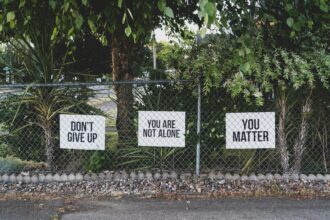
You’ve found yourself tangled in threads you can no longer identify. They’re woven into the fabric of your days, whispering expectations, demanding validation, and clinging with a tenacity that feels both familiar and suffocating. You know, deep down, that these attachments are no longer serving you, that they are, in fact, actively hindering your growth, your peace, and your ability to truly flourish. Yet, the thought of unraveling them, of severing those invisible cords, fills you with a profound sense of dread. This is the paradox of unhealthy attachments: they can be the source of immense comfort, even if that comfort is built on a shaky foundation.
This article is your guide, your roadmap to understanding, challenging, and ultimately breaking free from these binding connections. It’s a journey that requires courage, self-compassion, and a willingness to embrace the discomfort of change. But the reward? It’s immeasurable: a lighter spirit, a clearer mind, and the exhilarating freedom to design a life that is truly your own.
You might be wondering what makes an attachment “unhealthy.” It’s not always about dramatic breakups or overt manipulation. Often, these attachments are more insidious, subtly eroding your sense of self and well-being over time. They manifest in various forms, but the common thread is a dependency that overshadows your own needs and desires.
The Subtle Signs You Might Be Over-Attached
You’re convinced you’re not the type to be overly attached, right? But let’s take a closer look. Are you constantly seeking external validation? Do you feel an unbearable emptiness when you’re not engaging with a particular person, activity, or even a possession? These are not signs of healthy connection; they are indicators of a reliance that can feel like a lifeline but is, in reality, a tether.
Constant Need for Approval
Do you find yourself meticulously crafting your words and actions to elicit a specific response from someone? Is your mood directly tied to whether you receive praise or acknowledgment? This incessant pursuit of external approval is a hallmark of unhealthy attachment, as it places your self-worth in the hands of others. You’re essentially outsourcing your validation, which is a recipe for constant anxiety and disappointment.
Fear of Being Alone
The prospect of spending time by yourself fills you with a gnawing unease, a feeling that you’re fundamentally incomplete without someone else. This fear can lead you to cling to relationships or situations that are no longer beneficial, simply to avoid the perceived void of solitude. You might convince yourself that being alone is a punishment, a sign of failure, rather than an opportunity for introspection and self-discovery.
Neglecting Your Own Needs
When you’re deeply attached, your own needs often take a backseat. You prioritize the desires, opinions, and even the whims of others above your own well-being. This can manifest as always saying yes when you want to say no, sacrificing your personal time for others, or suppressing your own opinions to maintain harmony. It’s a gradual erosion of your personal boundaries, leaving you feeling depleted and resentful.
Jealousy and Insecurity
While a healthy relationship might involve occasional pangs of jealousy, an unhealthy attachment often breeds chronic insecurity and possessiveness. You might find yourself constantly scrutinizing the actions of others, fearing abandonment or betrayal, even when there’s no objective reason for it. This stems from a lack of trust in the relationship and, more importantly, a lack of trust in yourself.
Differentiating Healthy from Unhealthy Bonds
It’s crucial to understand that not all strong connections are detrimental. Healthy attachments are characterized by mutual respect, support, and the ability to thrive independently. They are like sturdy trees with strong roots, providing shelter and nourishment without stifling growth.
Mutual Support and Respect
In a healthy attachment, both individuals feel seen, heard, and valued. There’s a genuine desire to support each other’s goals and dreams, even when they differ. Respect for boundaries, individual opinions, and personal space is paramount. You feel uplifted and encouraged by the presence of the other person, not drained or diminished.
Autonomy and Independence
Healthy attachments foster, rather than hinder, your independence. You feel secure enough in the relationship to pursue your own interests, friendships, and goals without guilt or fear of repercussions. You can be your own person, with your own thoughts and feelings, while still maintaining a strong connection.
Growth and Evolution
Relationships that are truly healthy allow for individual and shared growth. You learn from each other, challenge each other in constructive ways, and evolve together. There’s a sense of shared progress and a celebration of each other’s individual development, rather than a stagnation that can occur in unhealthy bonds.
If you’re looking to break an unhealthy attachment, you might find it helpful to explore strategies and insights in related articles. One such resource is available at Unplugged Psych, where you can discover various techniques and expert advice on fostering healthier relationships and emotional independence. This article provides valuable information that can guide you through the process of recognizing and overcoming unhealthy bonds.
The Roots of Your Unhealthy Attachments
Understanding why you’ve developed these patterns is a vital step in breaking free. These roots often lie in early life experiences, societal conditioning, and deeply ingrained beliefs about yourself and your worth.
Early Life Experiences and Attachment Styles
Your formative years play a significant role in shaping how you form attachments. If you experienced inconsistent caregiving, conditional love, or emotional neglect, you might have developed insecure attachment styles that influence your adult relationships.
The Impact of Childhood Trauma
Unresolved childhood trauma can create a deep-seated fear of abandonment or a desperate need for control. This can lead you to seek out relationships that mirror these early dynamics, perpetuating a cycle of pain and dysfunction. You might unconsciously recreate familiar patterns, even if they are harmful, because they feel predictable.
Learned Behaviors from Family Dynamics
You are a product of your environment. If you grew up in a family where unhealthy attachments were normalized – perhaps a parent was overly dependent, or there was a constant emphasis on pleasing others – you may have internalized these behaviors as the “normal” way to relate to others. You learned to navigate the world through a specific lens.
Societal Pressures and Cultural Norms
Our society often promotes certain ideals of romance and connection that can inadvertently foster unhealthy dependencies. The emphasis on soulmates, grand gestures, and the idea that a relationship completes you can contribute to an unhealthy pursuit of external validation.
The “Happily Ever After” Myth
The fairy tale narrative of finding “the one” and living happily ever after can create unrealistic expectations. It suggests that a relationship is the ultimate destination, the sole source of happiness, and that once achieved, all your problems will disappear. This can lead to a premature settling or an over-reliance on a partner to fulfill all your emotional needs.
The Glorification of Sacrifice
In some cultures, sacrifice within relationships is highly lauded. While healthy compromise is important, the glorification of constant self-sacrifice can lead to individuals feeling obligated to give up their dreams, ambitions, and even their well-being for the sake of a relationship. This can be a subtle but powerful form of unhealthy attachment.
Core Beliefs About Self-Worth
Your fundamental beliefs about your own value heavily influence the types of attachments you form. If you believe you are fundamentally flawed, unlovable, or not good enough, you’ll likely seek out relationships that confirm these beliefs.
The “Not Good Enough” Narrative
If you carry a core belief that you are not inherently worthy, you might unconsciously seek relationships where you can prove your worth through constant effort, sacrifice, or by being indispensable. This can lead you to tolerate mistreatment or cling to people who reinforce your negative self-perception.
Fear of Rejection
The fear of being rejected can be a powerful motivator to hold onto unhealthy attachments. You might believe that if you let go, no one else will want you, or that you will be left alone forever. This fear can paralyze you, keeping you trapped in situations that are detrimental to your emotional health.
The Process of Letting Go: A Step-by-Step Approach

Letting go is not a singular event; it’s a process, a journey that unfolds over time. It requires patience, intention, and a commitment to your own well-being.
Acknowledging the Unhealthy Attachment
The first and most crucial step is honest self-assessment. You need to recognize and acknowledge that the attachment is indeed unhealthy and is negatively impacting your life. This involves moving beyond denial and confronting the reality of the situation.
Self-Reflection and Journaling
Dedicate time for introspection. Journal about your feelings, your patterns of behavior, and the impact these attachments have on your daily life. Ask yourself probing questions: What do I gain from this attachment? What do I lose? What am I afraid of if I let go? Writing down your thoughts can bring clarity and illuminate hidden truths.
Seeking Feedback (with Caution)
If you have trusted friends or family members who are supportive and have your best interests at heart, you might consider asking for their honest observations. However, be mindful of who you ask and how you frame your questions, as unsolicited criticism can be unhelpful. Look for those who offer constructive insight, not judgment.
Creating Healthy Boundaries
Boundaries are the invisible fences that protect your energy, your time, and your emotional well-being. Establishing and enforcing them is essential for breaking unhealthy attachments.
Identifying Your Limits
What are you no longer willing to tolerate? What behaviors or demands drain your energy and compromise your values? Clearly define your personal boundaries. This might involve setting limits on how much time you spend with certain people, the types of conversations you engage in, or the expectations you’re willing to meet.
Communicating Your Boundaries Assertively
Once you’ve identified your limits, you need to communicate them clearly and assertively. This doesn’t mean being aggressive or rude; it means expressing your needs and expectations in a direct and respectful manner. Practice saying “no” without over-explaining or apologizing.
Reclaiming Your Independence and Self-Worth
As you begin to loosen the grip of unhealthy attachments, it’s imperative to focus on rebuilding your sense of self and recognizing your inherent worth, independent of others.
Rediscovering Your Passions and Interests
What did you love to do before these attachments consumed your time and energy? Reconnect with old hobbies or explore new ones. Engaging in activities that bring you joy and fulfillment will help you remember who you are outside of these relationships. This is about actively investing in your own happiness.
Cultivating Self-Compassion
The process of letting go can be challenging and may involve setbacks. Be kind to yourself. Treat yourself with the same empathy and understanding you would offer a dear friend. Acknowledge that you are doing your best and that growth takes time. Self-compassion is the antidote to self-criticism.
Strategies for Moving Forward: Building a Resilient Future

Breaking free is just the beginning. The real work lies in building a life that is characterized by healthy connections and a strong sense of self.
Embracing Solitude as a Strength
Solitude, once feared, can become a powerful source of strength and clarity. It’s an opportunity to truly know yourself, to recharge your batteries, and to develop a deep inner resilience.
Making Time for Reflection and Mindfulness
Regularly schedule time for quiet reflection, meditation, or mindfulness practices. These tools can help you stay grounded, manage anxiety, and deepen your self-awareness. You’ll learn to sit with your thoughts and feelings without needing to immediately escape them.
Enjoying Your Own Company
Start small. Take yourself on dates, go to the movies alone, or simply enjoy a quiet evening at home with a good book. The goal is to cultivate a sense of contentment and peace in your own presence. You’ll discover that you are a fascinating companion.
Forging Healthy and Meaningful Connections
As you create space, you’ll naturally attract healthier connections. This is your opportunity to be more intentional about the relationships you cultivate.
Seeking Out Supportive Communities
Surround yourself with people who uplift you, challenge you constructively, and celebrate your successes. This could be through clubs, volunteer organizations, or online communities that align with your interests and values.
Practicing Healthy Communication Skills
Learn to communicate your needs and feelings openly and honestly in your relationships. Focus on active listening, expressing yourself without blame, and finding collaborative solutions to conflict. This is about building bridges, not walls.
Continuing Your Journey of Self-Discovery
Breaking unhealthy attachments isn’t a destination; it’s an ongoing journey. Commit to continuous learning and growth.
Committing to Lifelong Learning
Read books, attend workshops, listen to podcasts, and engage in conversations that expand your understanding of yourself and human connection. The more you learn, the better equipped you’ll be to navigate future challenges.
Seeking Professional Support When Needed
There is no shame in seeking guidance from a therapist or counselor. They can provide a safe space for you to explore your patterns, develop coping mechanisms, and work through any underlying issues that contribute to unhealthy attachments. This is an act of strength and self-care.
Breaking an unhealthy attachment can be a challenging journey, but understanding the underlying factors can significantly aid in the process. For those seeking guidance, an insightful article on this topic can be found at Unplugged Psych, which offers practical strategies and psychological insights to help individuals navigate their emotional landscapes. By exploring these resources, you can gain valuable tools to foster healthier relationships and promote personal growth.
Embracing the Freedom of Authenticity
| Step | Description |
|---|---|
| 1 | Recognize the attachment |
| 2 | Seek professional help if needed |
| 3 | Set boundaries |
| 4 | Focus on self-care and self-love |
| 5 | Engage in new activities and hobbies |
| 6 | Surround yourself with supportive people |
The act of breaking unhealthy attachments is not about isolation; it’s about liberation. It’s about shedding the layers of expectation and obligation that have been weighing you down, and stepping into the bright, unburdened space of your authentic self. You are not defined by the people you cling to, but by the strength and resilience you cultivate within.
The Joy of Living Unencumbered
Imagine a life where your decisions are driven by your own desires and aspirations, not by the fear of disappointing someone or losing a connection. Imagine the lightness you’ll feel when you’re no longer constantly seeking external validation. This is the joy of living unencumbered, a freedom that allows your true spirit to soar.
Making Choices Aligned with Your True Self
When you’re no longer beholden to unhealthy attachments, your choices naturally become more aligned with your core values and deepest desires. You can pursue your dreams with conviction, speak your truth with confidence, and live a life that feels genuinely yours.
Experiencing Genuine Happiness and Fulfillment
True happiness doesn’t come from clinging to others; it comes from within. By releasing unhealthy attachments, you create the space for genuine happiness and fulfillment to blossom. You discover that your own company is not just bearable, but deeply rewarding.
Building a Life of Purpose and Meaning
With the energy and focus you once invested in unhealthy attachments, you can now channel it into building a life of purpose and meaning. This is where your unique talents and passions can truly shine.
Contributing to Something Larger Than Yourself
When you’re not consumed by personal dramas and dependencies, you have more capacity to contribute to your community, to causes you believe in, or to making a positive impact on the world around you. This sense of purpose can be incredibly grounding and fulfilling.
Cultivating Deeper, More Authentic Relationships
As you become more comfortable with yourself and your own needs, you’ll attract individuals who resonate with your authentic self. These new connections will be built on a foundation of mutual respect, shared values, and genuine understanding, leading to relationships that are profoundly enriching.
The Continuous Evolution of Self
Remember, this is not a one-time fix. Your journey of self-discovery and growth is ongoing. Embrace the continuous evolution of your self, always seeking to understand, to learn, and to become a more empowered and authentic version of yourself. The strength you are building now will serve you in all aspects of your life, empowering you to navigate challenges with grace and to celebrate the profound beauty of a life lived with intention and freedom. You are capable of more than you know, and the path ahead, though it may have its bumps, is ultimately one of incredible promise and personal triumph.

Why You Want Them MORE When They Pull Away
FAQs
What is an unhealthy attachment?
An unhealthy attachment is a strong emotional bond to someone or something that is not serving your well-being. It can lead to feelings of dependency, obsession, and an inability to function independently.
What are the signs of an unhealthy attachment?
Signs of an unhealthy attachment include feeling anxious or insecure when away from the person or thing, neglecting your own needs to prioritize the attachment, and feeling unable to make decisions without the input of the attachment.
How can you break an unhealthy attachment?
Breaking an unhealthy attachment involves acknowledging the issue, setting boundaries, seeking support from friends or a therapist, focusing on self-care and personal growth, and gradually reducing contact with the attachment.
Why is it important to break an unhealthy attachment?
It is important to break an unhealthy attachment because it can negatively impact your mental and emotional well-being, hinder personal growth, and prevent you from forming healthy relationships in the future.
What are some healthy ways to form attachments?
Healthy attachments involve mutual respect, trust, and support. It’s important to maintain independence, communicate openly, and prioritize self-care while forming healthy attachments.