
When you reach your 30s, you might notice subtle shifts in your cognitive processes. While you’re likely still operating at a high level, the lightning-fast learning and effortless memory recall of your younger years may begin to show early signs of tapering. This is not an inevitable decline, but rather a prompt to engage with the incredible capacity of your brain: neuroplasticity. Neuroplasticity refers to your brain’s lifelong ability to reorganize itself by forming new neural connections throughout life. It’s the neurological equivalent of a constantly evolving city, always adding new roads, rerouting traffic, and even constructing entirely new districts. Understanding and actively enhancing neuroplasticity in your 30s can be a vital investment in your long-term cognitive health and adaptability.
Your brain, even after peaking in its early 20s for certain cognitive functions, remains remarkably adaptable. While synaptic pruning – the process of eliminating unnecessary synapses – largely concludes in adolescence, and myelin sheath formation – crucial for efficient neural communication – slows down, your brain is far from static. In your 30s, the focus shifts from rapid development to refinement and optimization. You possess a wealth of established neural networks, but these networks can become rigid if not challenged. Think of it like a well-worn path through a forest; it’s efficient, but venturing off-path can open up new possibilities.
The Science Behind Brain Adaptability
Neuroplasticity manifests in several ways, including synaptogenesis (the formation of new synapses), neurogenesis (the birth of new neurons, primarily in the hippocampus), and changes in synaptic strength. These processes are not confined to childhood. Research demonstrates that continuous learning and novel experiences throughout adulthood can stimulate these mechanisms. Your 30s offer a unique window where you have significant life experience and established cognitive abilities, coupled with a still highly responsive brain.
Why Your 30s Are a Pivotal Decade
This decade is often characterized by increased responsibilities in your career, family, and personal life. These demands can sometimes lead to cognitive overload or, conversely, to reliance on established routines that offer little novelty. However, it’s precisely this period where proactive engagement with neuroplasticity can establish a robust foundation for future cognitive health. By intentionally integrating brain-boosting activities, you are effectively laying down resilient neurological infrastructure that can better withstand the cognitive challenges of later life.
If you’re interested in enhancing your neuroplasticity after the age of 30, you might find the article on the Unplugged Psych website particularly insightful. It discusses various exercises and techniques that can help improve brain function and adaptability as we age. For more information, you can read the article here: Unplugged Psych.
Cognitive Stimulation and Novelty
One of the most potent drivers of neuroplasticity is novelty. When you encounter new information, skills, or environments, your brain is compelled to forge new connections and strengthen existing ones to process this unfamiliar data. Think of your brain as a muscle; repetition strengthens existing pathways, but varied, challenging exercises build new muscle groups.
Learning New Skills
Engaging in skill acquisition is a direct pathway to stimulating neuroplasticity. This isn’t limited to academic pursuits.
- Musical Instruments: Learning to play an instrument, even at a basic level, involves complex motor coordination, auditory processing, memory recall, and pattern recognition. The simultaneous engagement of these diverse brain regions fosters significant neural reorganization.
- Foreign Languages: Acquiring a new language challenges your pronunciation, vocabulary, grammar, and cultural understanding. This process activates multiple cortical areas responsible for language processing, executive function, and memory. Even practicing with language apps for 15-30 minutes daily can be beneficial.
- Complex Hobbies: Activities such as coding, knitting intricate patterns, chess, or photography with specific technical requirements demand focused attention, problem-solving, and the integration of new information. The more complex and multi-faceted the hobby, the greater the cognitive demand.
Breaking Routines
Your brain thrives on efficiency, which often leads to the automation of routines. While routines can be beneficial for managing daily tasks, relying solely on them can reduce the demand for new neural activity.
- Alternate Your Commute: Instead of taking the same route to work every day, try a different path. This forces your brain to recalibrate spatial awareness and navigate unfamiliar territory.
- Use Your Non-Dominant Hand: For simple tasks like brushing your teeth, stirring your coffee, or opening doors, try using your non-dominant hand. This modest exercise forces your brain to recruit new neural pathways for motor control.
- Explore New Environments: Visiting a new park, museum, or even a different grocery store aisle introduces your brain to novel visual and spatial cues, demanding active processing.
Physical Activity and Brain Health
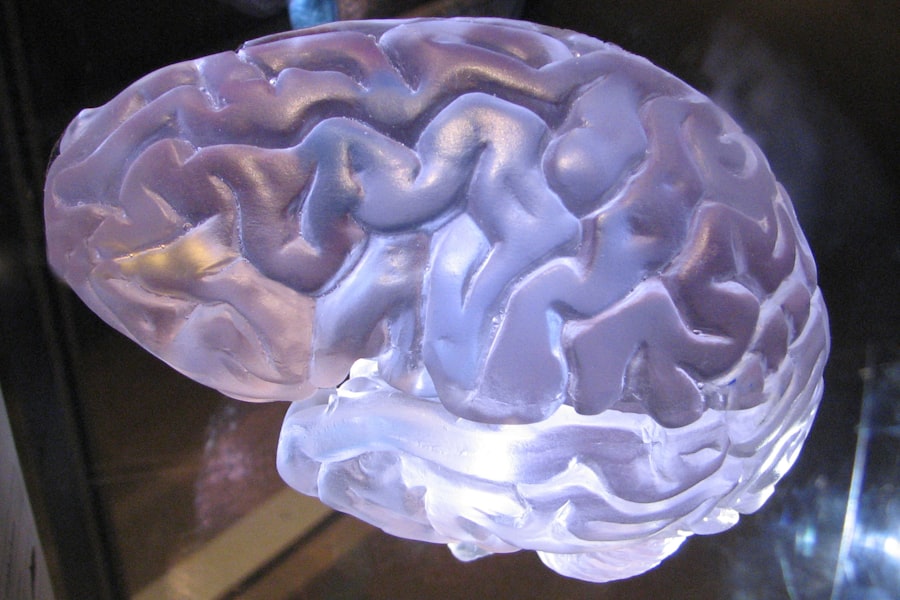
The connection between your body and your brain is profound. Physical activity is not merely for cardiovascular health or muscle tone; it is a direct contributor to cognitive vitality and neuroplasticity. Imagine your brain as a garden; exercise is like ensuring optimal soil, sunlight, and water for flourishing growth.
Aerobic Exercise
Consistent aerobic exercise has been shown to be a powerful neurotrophic stimulus.
- Increased Blood Flow: Engaging in activities like running, swimming, cycling, or brisk walking elevates your heart rate, which in turn increases blood flow to your brain. This delivers more oxygen and nutrients crucial for neuron function and repair.
- Neurogenesis Promotion: Studies indicate that aerobic exercise can promote neurogenesis in the hippocampus, a brain region vital for learning and memory. This means your brain is not just maintaining existing neurons, but potentially growing new ones.
- BDNF Production: Exercise stimulates the production of Brain-Derived Neurotrophic Factor (BDNF), often referred to as “Miracle-Gro for the brain.” BDNF supports the survival of existing neurons and encourages the growth and differentiation of new neurons and synapses. Aim for at least 150 minutes of moderate-intensity aerobic activity per week.
Strength Training
While often associated with muscle building, strength training also offers significant cognitive benefits.
- Improved Executive Function: Regular resistance training has been linked to improvements in executive functions, such as planning, working memory, and problem-solving.
- Reduced Inflammation: Strength training can help reduce systemic inflammation, which is known to have detrimental effects on brain health and cognitive function.
- Enhanced Neural Connectivity: The complex motor patterns involved in many strength training exercises require precise coordination and control, which can foster stronger neural connections. Incorporate 2-3 strength training sessions per week, targeting major muscle groups.
Mindfulness and Stress Reduction
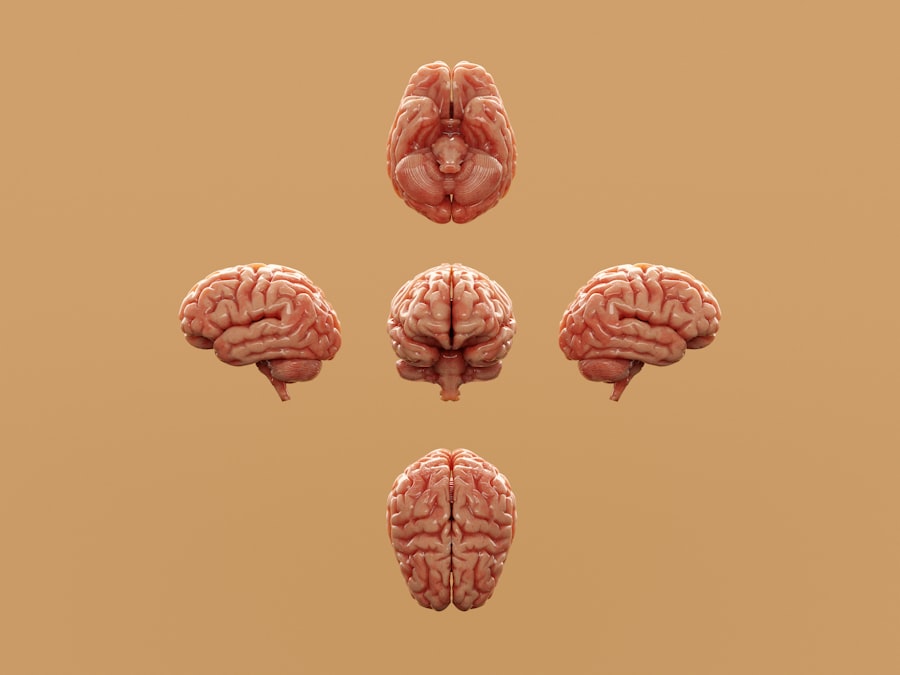
Chronic stress is a known antagonist to neuroplasticity. It can shrink brain regions, impair memory, and inhibit the formation of new neural connections. In your 30s, life can present numerous stressors. Cultivating mindfulness and employing stress reduction techniques are not luxuries; they are essential for protecting and enhancing your cognitive flexibility. Consider stress as a corrosive acid; mindfulness and relaxation are the neutralizing agents.
Meditation and Mindfulness Practices
Regular meditation and mindfulness practices can profoundly alter brain structure and function.
- Gray Matter Density: Studies have shown that long-term meditators often have increased gray matter density in regions associated with attention, emotional regulation, and self-awareness, such as the prefrontal cortex and hippocampus.
- Reduced Amygdala Activity: Meditation can decrease the activity and size of the amygdala, the brain’s “fear center,” leading to reduced anxiety and improved emotional responses.
- Enhanced Neuroconnectivity: Mindfulness practices foster stronger connections between the prefrontal cortex (responsible for executive functions) and the limbic system (involved in emotions), leading to better emotional regulation and cognitive control. Even 10-15 minutes of daily guided meditation can yield benefits.
Adequate Sleep
Sleep is not merely a downtime for your body; it’s a critical period for brain maintenance and consolidation.
- Memory Consolidation: During sleep, your brain consolidates memories formed during the day, transferring them from short-term to long-term storage. This process is vital for effective learning and recall.
- Waste Removal: The glymphatic system, a waste clearance system in the brain, is most active during sleep, flushing out toxins and metabolic byproducts that can impair neural function.
- Synaptic Pruning and Strengthening: Sleep plays a crucial role in synaptic plasticity, actively pruning less important connections and strengthening essential ones, optimizing neural networks for efficiency. Aim for 7-9 hours of quality sleep per night. Establish a consistent sleep schedule and create a conducive sleep environment.
Engaging in exercises to improve neuroplasticity after 30 can significantly enhance cognitive function and overall brain health. For those interested in exploring this topic further, a related article discusses various techniques and activities that can stimulate brain growth and adaptability. You can read more about these beneficial practices in the article available here. Incorporating these exercises into your routine may lead to remarkable improvements in mental agility and resilience.
Social Engagement and Emotional Well-being
| Exercise Type | Description | Frequency | Duration | Neuroplasticity Benefit |
|---|---|---|---|---|
| Learning a New Language | Engaging in daily practice of a foreign language | 5-7 days/week | 30-60 minutes | Enhances synaptic connections and cognitive flexibility |
| Physical Exercise (Aerobic) | Activities like running, cycling, or swimming | 3-5 days/week | 30-45 minutes | Increases brain-derived neurotrophic factor (BDNF) promoting neuron growth |
| Mindfulness Meditation | Focused attention and breathing exercises | Daily | 10-20 minutes | Improves attention control and emotional regulation |
| Brain Training Games | Puzzles, memory games, and problem-solving tasks | 3-4 days/week | 20-30 minutes | Strengthens working memory and processing speed |
| Musical Instrument Practice | Learning or practicing an instrument | 4-6 days/week | 30-60 minutes | Enhances motor skills and auditory processing |
| Novel Skill Acquisition | Trying new hobbies like painting or dancing | 2-3 days/week | 30-60 minutes | Promotes formation of new neural pathways |
Humans are inherently social beings, and our brains are wired for interaction. Social engagement is a complex cognitive task that involves empathy, language processing, memory, and executive function. Isolating yourself is like starving your brain of a rich and varied diet.
Building and Maintaining Connections
Active social interaction provides a constant stream of novel stimuli and cognitive challenges.
- Rich Cognitive Demands: Conversing with others requires real-time processing of auditory information, interpreting non-verbal cues, formulating responses, and recalling shared experiences. This multi-faceted engagement is a powerful brain workout.
- Emotional Regulation: Social interactions often involve navigating complex emotional landscapes, requiring empathy, perspective-taking, and emotional regulation, all of which strengthen relevant neural circuits.
- Reduced Cognitive Decline Risk: Research consistently links strong social networks to a reduced risk of cognitive decline and neurodegenerative diseases in later life. Make an effort to connect with friends, family, and community members regularly.
Volunteering and Community Involvement
Engaging in activities that benefit others can provide a sense of purpose and significantly boost cognitive and emotional well-being.
- Novel Experiences and Learning: Volunteering often exposes you to new people, situations, and skills, providing the novelty that neuroplasticity thrives on.
- Increased Sense of Purpose: A sense of purpose has been linked to improved cognitive function and overall life satisfaction. Contributing to your community can fulfill this fundamental human need.
- Reduced Stress and Depression: Helping others can lead to a “helper’s high,” characterized by feelings of well-being and reduced stress, which, as discussed, is beneficial for brain health.
Nutrition and Cognitive Fuel
Your brain, though only about 2% of your body weight, consumes approximately 20% of your body’s energy. What you eat directly impacts its function and long-term health. Consider your diet as the fuel for your brain’s intricate machinery; premium fuel ensures optimal performance.
Brain-Boosting Nutrients
Certain nutrients are particularly vital for supporting neuroplasticity and overall brain health.
- Omega-3 Fatty Acids: Found in fatty fish (salmon, mackerel, sardines), flaxseeds, and walnuts, Omega-3s (especially DHA) are crucial building blocks of brain cell membranes. They play a vital role in synaptic plasticity and reduce inflammation.
- Antioxidants: Berries, dark leafy greens, dark chocolate, and nuts are rich in antioxidants that protect your brain from oxidative stress, a process that can damage brain cells and impair cognitive function.
- B Vitamins: Folate, B6, and B12 are essential for neurotransmitter production and nerve function. Deficiencies can lead to cognitive impairment. These are found in whole grains, legumes, leafy greens, and lean meats.
- Flavonoids: Found in tea, cocoa, berries, and citrus, flavonoids have been shown to improve memory and learning by promoting neurogenesis and enhancing synaptic function.
Hydration
Water is often overlooked but is fundamental for brain function.
- Cellular Function: Water is essential for all cellular processes, including neuron communication. Even mild dehydration can impair cognitive functions like attention, memory, and mood.
- Nutrient Transport and Waste Removal: Water acts as a medium for transporting nutrients to brain cells and flushing out metabolic waste products.
- Neurotransmitter Synthesis: Many neurotransmitters require adequate hydration for their synthesis and proper function. Aim to drink sufficient water throughout the day, typically 8 glasses, but adjust based on your activity level and environment.
By proactively incorporating these strategies into your 30s, you are not merely maintaining your current cognitive abilities; you are actively enhancing your brain’s capacity for adaptation, learning, and resilience. This deliberate investment in neuroplasticity can serve as a powerful foundation, allowing your brain to not just function, but to flourish, throughout the subsequent decades of your life.
FAQs
What is neuroplasticity and why is it important after 30?
Neuroplasticity refers to the brain’s ability to reorganize itself by forming new neural connections throughout life. After 30, maintaining neuroplasticity is important because it helps preserve cognitive function, supports learning new skills, and may reduce the risk of age-related cognitive decline.
What types of exercises can improve neuroplasticity after 30?
Exercises that improve neuroplasticity include physical activities like aerobic exercise, strength training, and coordination exercises, as well as mental activities such as learning new skills, practicing mindfulness or meditation, solving puzzles, and engaging in social interactions.
How does aerobic exercise contribute to neuroplasticity?
Aerobic exercise increases blood flow to the brain, promotes the release of neurotrophic factors like BDNF (brain-derived neurotrophic factor), and supports the growth of new neurons and synapses, all of which enhance neuroplasticity.
Can learning new skills after 30 help with brain plasticity?
Yes, learning new skills such as playing a musical instrument, speaking a new language, or acquiring a new hobby stimulates the brain, encourages the formation of new neural pathways, and strengthens existing connections, thereby improving neuroplasticity.
How often should one engage in exercises to boost neuroplasticity?
For optimal benefits, it is recommended to engage in physical exercise at least 3-5 times per week, combined with regular mental challenges and social activities. Consistency over time is key to promoting and maintaining neuroplasticity after 30.