
You stand at the precipice. The ground beneath your feet has shifted, crumbled, perhaps even disappeared entirely. Adversity, a formidable and often unwelcome guest, has arrived uninvited, knocking down your carefully constructed walls and leaving you exposed. It’s a moment that can feel like a crushing weight, an insurmountable obstacle. But here, in this raw and vulnerable space, lies your opportunity. This is where you begin to forge yourself anew, where you discover the resilience you never knew you possessed. This is the journey of becoming the strong one.
The first, and perhaps most challenging, step in overcoming adversity is to stop fighting against the current and instead, acknowledge its power. You’re not weak for feeling overwhelmed; you’re human. The tendency to deny, to pretend everything is fine, can be a powerful instinct. But this denial is a temporary shield that ultimately weakens you. True strength begins with honesty, with looking directly into the eyes of the storm and recognizing its presence.
The Illusion of Control
You likely felt a sense of control over your life before this challenge emerged. You had plans, expectations, a roadmap. Adversity disrupts that illusion. It reminds you that much of what we perceive as control is, in fact, a delicate balance influenced by external forces. Fighting this loss of control can be exhausting. Instead, allow yourself to grieve the certainty you once had. This isn’t about surrendering to fate; it’s about understanding the landscape you’re now navigating.
The Weight of Emotion
Adversity is not a purely intellectual problem; it’s an emotional one. You’ll experience a kaleidoscope of feelings: fear, anger, sadness, confusion, even shame. Suppressing these emotions is akin to trying to hold back a tidal wave. They will find a way to surface, often in destructive ways. Allow yourself to feel. Journal your thoughts, talk to a trusted friend, or find a creative outlet. Acknowledging and processing these emotions is not a sign of weakness, but a crucial step towards healing and strength.
The Narrative of Victimhood
It’s easy to fall into a narrative of victimhood when faced with hardship. This perspective, while understandable, can trap you in a cycle of helplessness. You might replay the events, assign blame, and convince yourself that you are simply a passive recipient of misfortune. While external factors played a role, your power lies in how you choose to respond. Shifting your internal narrative from “this happened to me” to “this is happening, and this is how I will respond” is a monumental step towards empowerment.
In the journey of personal growth and resilience, many individuals find themselves in situations that demand strength and perseverance. This concept is beautifully explored in the article “Why I Had to Become the Strong One” on Unplugged Psych. The piece delves into the transformative experiences that shape our character and the necessity of embracing our inner strength during challenging times. For those interested in understanding the dynamics of personal development and the importance of resilience, I highly recommend reading it. You can find the article here: Why I Had to Become the Strong One.
Rebuilding Your Foundation: Identifying Your Inner Resources
Once you’ve acknowledged the storm, it’s time to assess the damage and begin to rebuild. This isn’t about magically erasing the past or pretending it didn’t happen. It’s about recognizing the strength that already resides within you, the resources you possess that can help you navigate this difficult terrain. Adversity has a way of stripping away the superficial, revealing the core of who you are.
The Power of Your Past Triumphs
Think back. You have overcome challenges before. Perhaps not of this magnitude, but you have navigated difficult times, learned new skills, and emerged on the other side. Revisit those moments. What strengths did you tap into then? What lessons did you learn? These past successes are not distant memories; they are evidence of your inherent capacity for resilience. Keep a “resilience journal” where you document these victories, big or small.
The Unseen Strengths: Character Traits
Beyond specific achievements, you possess core character traits that have always been there. Are you determined? Empathetic? Creative? Resilient? Adversity often amplifies these traits. Your determination might be tested, pushing you to new limits. Your empathy might be called upon to support others, revealing a depth of compassion you hadn’t fully recognized. Identify these innate qualities and intentionally lean into them.
The Importance of Support Systems
You are not meant to navigate adversity alone. Your support system – friends, family, mentors, colleagues – are invaluable allies. Reach out. Be vulnerable. Share your struggles. Don’t assume others can read your mind or know you need help. Actively cultivate and lean on these connections. The burden of adversity is halved when shared.
The Gift of Perspective
While you’re in the thick of it, it can be hard to see beyond the immediate pain. However, adversity often provides a unique vantage point. It can force you to re-evaluate your priorities, to shed what is no longer serving you, and to gain a deeper appreciation for the simple things. This shift in perspective, while often painful, can be a profound source of strength and clarity.
The Art of Adaptation: Navigating the Shifting Sands
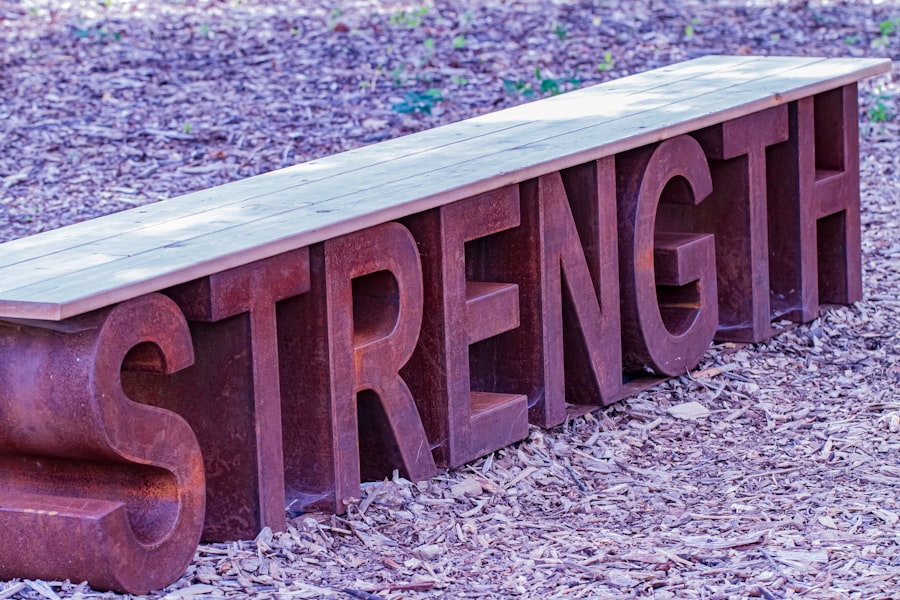
Adversity is rarely a static state. It’s a dynamic process that requires flexibility and the ability to adapt. Trying to force a situation back to its original state is like trying to hold back the tide. True strength lies in your capacity to adjust, to learn, and to evolve as the circumstances change.
Embracing Flexibility
Your original plans may no longer be feasible. This is not a failure; it’s an invitation to innovate. Be open to new paths, different approaches, and unexpected detours. Rigidity in the face of change is a recipe for frustration and stagnation. Practice being fluid, like a willow tree bending in the wind rather than a brittle oak snapping.
The Learning Curve of Adversity
Every challenge is a lesson, albeit a tough one. What can you learn from this experience? What new skills do you need to acquire? What perspectives can you gain? Embrace the learning curve, even when it’s steep and uncomfortable. The knowledge and wisdom gained from overcoming adversity will equip you for future challenges.
Problem-Solving in a New Light
Adversity often presents novel problems that require creative solutions. Don’t rely on old strategies if they’re not working. Brainstorm, experiment, and don’t be afraid to fail. Each failed attempt is a step closer to finding what works. Cultivate a mindset of experimentation and continuous improvement.
Redefining Success
Your definition of success might need to evolve. In the midst of adversity, simply getting through the day might be a victory. Celebrate these smaller wins. Redefine what it means to be “successful” in your current context, focusing on progress and resilience rather than arbitrary benchmarks.
Cultivating Inner Fortitude: Strengthening Your Mental and Emotional Core

Becoming the strong one is not just about external actions; it’s about the internal transformation you undergo. It’s about building a robust mental and emotional core that can withstand the pressures of life’s challenges. This requires conscious effort and ongoing practice.
The Power of Mindfulness and Self-Awareness
Paying attention to your thoughts, feelings, and bodily sensations without judgment is a powerful tool. Mindfulness helps you stay present, reducing anxiety about the future and rumination about the past. It allows you to observe your internal landscape, identifying patterns of negative thinking and emotional reactivity. Regular meditation, deep breathing exercises, or simply taking mindful moments throughout your day can significantly enhance your self-awareness.
Developing a Positive Self-Talk Practice
The inner critic can be your harshest adversary. Adversity often amplifies this voice, feeding you messages of doubt and inadequacy. Consciously challenge these negative thoughts. Replace them with affirmations and encouraging self-talk. Instead of “I can’t do this,” try “I am capable of facing this challenge.” This is not about delusion, but about actively nurturing a supportive inner dialogue.
Building Emotional Regulation Skills
Emotional regulation is the ability to manage your feelings in a healthy way. When faced with intense emotions, you might be tempted to lash out, withdraw, or numb yourself. Instead, practice techniques that help you calm your nervous system, such as grounding exercises, progressive muscle relaxation, or engaging in a comforting activity. Learning to ride the waves of emotion, rather than being swept away by them, is a hallmark of inner strength.
The Importance of Self-Compassion
In your quest for strength, don’t forget to be kind to yourself. Self-compassion means treating yourself with the same kindness, understanding, and acceptance you would offer a dear friend who is struggling. Acknowledge your pain without judgment, recognize that suffering is part of the human experience, and offer yourself comfort and support. This is not self-pity; it is self-care.
In times of adversity, I often found myself reflecting on the reasons I had to become the strong one in my circle. The journey of resilience is not just about personal growth but also about understanding the dynamics of relationships and support systems. A related article that delves into this theme is available at Unplugged Psych, where it discusses the importance of emotional strength and how it can influence those around us. This insight helped me recognize that my strength could serve as a beacon for others, guiding them through their own struggles.
Emerging Stronger: The Lasting Impact of Resilience
| Reason | Metric |
|---|---|
| Family Issues | Number of family members relying on me |
| Personal Challenges | Instances of overcoming adversity |
| Work Responsibilities | Number of tasks or projects managed |
| Health Concerns | Number of times I had to be strong for my health |
The journey through adversity is not about returning to who you were before. It’s about emerging as a transformed individual, stronger, wiser, and more capable than you ever imagined. The scars you carry are not marks of weakness, but testaments to your courage and resilience.
The Transformed Perspective
The world will look different to you now. Your priorities will likely have shifted. You’ll have a deeper appreciation for the good in your life, a greater understanding of human vulnerability, and a more profound sense of purpose. This transformed perspective is a gift, forged in the fires of hardship.
The Amplified Inner Strength
You have tested your limits and discovered reserves of strength you never knew existed. This inner fortitude is not a temporary fix; it’s a permanent upgrade to your character. You are now better equipped to face future challenges, not with dread, but with the quiet confidence of someone who has walked through the storm and emerged on the other side.
The Ripple Effect of Your Resilience
Your journey of overcoming adversity doesn’t just impact you; it can inspire others. By sharing your story, your struggles, and your triumphs, you offer hope and guidance to those who are currently navigating their own storms. Your resilience becomes a beacon, demonstrating that it is possible to not only survive but to thrive in the face of immense difficulty.
Living with Purpose and Gratitude
Adversity often clarifies your purpose. You may discover new passions or a renewed commitment to existing ones. This newfound clarity, coupled with a deep sense of gratitude for the lessons learned and the strength gained, will infuse your life with a richer meaning. You are no longer just existing; you are living with intention.
Becoming the strong one is not a destination, but an ongoing process. It’s about embracing the challenges, learning from them, and continuously cultivating your inner resources. The adversity you face is not the end of your story; it is the crucible in which your truest, strongest self is forged. Step forward, not with fear, but with the quiet knowing that you have the power to overcome.

The Hidden Cost of Being “The Strong One”
FAQs
What does it mean to be the “strong one” in a situation?
Being the “strong one” in a situation typically means taking on the role of providing support, stability, and resilience for oneself and others during challenging or difficult times.
What are some common reasons for having to become the strong one?
Some common reasons for having to become the strong one include dealing with personal or family crises, facing adversity or hardship, taking on leadership roles, and providing emotional support for others.
How can one develop the strength to become the strong one?
Developing the strength to become the strong one often involves building resilience, coping skills, and emotional intelligence. This can be achieved through self-care, seeking support from others, and developing a positive mindset.
What are the potential challenges of being the strong one?
Some potential challenges of being the strong one include feeling overwhelmed or burnt out, neglecting one’s own needs, and struggling with the pressure of constantly being relied upon for support.
How can one maintain their strength while being the strong one?
Maintaining strength while being the strong one involves setting boundaries, practicing self-care, seeking help when needed, and finding healthy ways to cope with stress and emotions. It’s important to prioritize one’s own well-being in order to continue providing support for others.