
You stand at a crossroads, as many have before you and will after. Life presents you with a relentless stream of demands: career aspirations, family responsibilities, personal growth, and societal expectations. Within this intricate web, you strive to uphold your deeply held values – the principles that guide your decisions and define your character. Yet, the pursuit of these values, when unchecked, can easily lead you down the path to burnout, leaving you depleted, disillusioned, and unable to effectively serve what you hold dear. This article aims to equip you with a framework for navigating this delicate balance, ensuring your commitment to your values doesn’t come at the expense of your own well-being.
Burnout, at its core, is a state of emotional, physical, and mental exhaustion caused by prolonged or excessive stress. When this stress stems from an imbalance between your values and your actions, the symptoms can be particularly insidious because you might initially mistake them for a deep commitment or even a righteous struggle. Understanding these signs is the first crucial step in preventing a full-blown breakdown.
The Erosion of Enthusiasm
You used to feel a fire in your belly when engaging with activities aligned with your values. Whether it’s advocating for a cause, contributing to your community, or excelling in a profession you believe in, there was an inherent drive. Now, that spark has diminished. Tasks that once energized you feel like a chore. You find yourself going through the motions, the passion replaced by a dull sense of obligation.
When “Passion” Becomes “Penance”
You might tell yourself this is just the natural ebb and flow, or that the work has become more challenging. However, a persistent lack of genuine enjoyment, even when the outcome is positive, is a red flag. It’s the difference between feeling a sense of accomplishment and feeling a heavy burden lifted.
The Growing Sense of Detachment
As the exhaustion sets in, you might begin to distance yourself emotionally from the very things you once valued. This isn’t necessarily a conscious choice, but rather a protective mechanism your mind and body employ to conserve dwindling energy reserves. You observe your actions, the causes you support, and the people you interact with, but the emotional connection is frayed.
The Observer Becomes an Alien
You might find yourself critiquing your own involvement, feeling like an outsider looking in on your own life. The empathy that once fueled your actions may feel muted, as if you are seeing the world through a glass pane.
The Physical Manifestations
Burnout isn’t solely a mental or emotional phenomenon; it wreaks havoc on your physical health. You might experience persistent fatigue, sleep disturbances, frequent headaches, digestive issues, or a weakened immune system. These are your body’s signals that something is fundamentally out of balance.
Sleep as a Scarce Commodity
You’re either struggling to fall asleep, a whirlwind of thoughts keeping you awake, or you’re sleeping excessively but still feeling unrefreshed. The restorative power of sleep is compromised, making it harder to recover from the day’s demands.
The Decline in Performance and Effectiveness
Ironically, the drive to excel in your value-aligned activities can, in burnout, lead to a decline in the very performance you’re striving for. Your focus wavers, your decision-making becomes clouded, and you make more mistakes. This can be particularly frustrating, as it hinders your ability to achieve the outcomes you so strongly desire.
The Ripple Effect of Inefficiency
When your effectiveness suffers, it can impact others around you. Projects may stall, relationships can be strained by miscommunication, and the impact you hoped to make is diminished, further fueling feelings of inadequacy.
In today’s fast-paced world, maintaining your core values while avoiding burnout can be a challenging endeavor. A related article that offers valuable insights on this topic is available at Unplugged Psychology, where you can find practical strategies to align your daily actions with your personal beliefs, ultimately fostering a healthier work-life balance. By exploring these techniques, you can learn how to prioritize self-care and cultivate resilience, ensuring that your values remain intact without succumbing to the pressures of modern life.
Identifying the Sources of Value-Driven Strain
Understanding why you are experiencing these symptoms is paramount to addressing them. The pressure to live by your values can come from various sources, and recognizing these specific pressures will allow you to target your interventions.
Maintaining your core values while navigating the demands of daily life can be challenging, especially when the risk of burnout looms large. To explore effective strategies for achieving this balance, you might find it helpful to read a related article on the topic. It offers insightful tips on how to prioritize your well-being without compromising your principles. For more information, check out this informative resource that delves into practical approaches to sustaining your values amidst the pressures of modern living.
The External Imposition of Values
Often, the values you strive to embody are not entirely your own. Societal expectations, familial pressures, and cultural norms can dictate what is considered important and how you “should” pursue it. This can lead to a misalignment between your authentic self and the imposed ideal.
Navigating Parental and Societal Blueprints
You may feel an obligation to follow a career path your parents envisioned, or to live a lifestyle that conforms to prevailing social norms. This can create a silent internal conflict, where your true desires are suppressed in favor of external validation.
The Unrealistic Demands of “Doing Good”
The desire to make a positive impact, a noble value in itself, can become a source of immense pressure. You may feel that you are never doing enough, that your efforts are always insufficient, and that you must constantly push your boundaries to achieve your goals.
The Myth of the Tireless Advocate
There’s an unspoken narrative that those who champion important causes must be perpetually self-sacrificing. This can lead you to neglect your own needs, believing that any act of self-care is a betrayal of your mission.
The Blurring of Personal and Professional Boundaries
When your values are deeply intertwined with your work, the lines between your professional life and your personal life can become irrevocably blurred. This can lead to a constant state of engagement, where you are always “on,” thinking about your work and feeling responsible even when you are not actively performing tasks.
The “Always On” Mentality in a Digital Age
The prevalence of smartphones and constant connectivity can exacerbate this issue. You may feel compelled to respond to emails and messages immediately, even outside of work hours, further eroding your ability to disconnect and recharge.
Internalized Perfectionism and the Fear of Failure
Perfectionism, while often associated with high achievers, can be a destructive force when it comes to burnout. If you believe that anything less than perfect is a failure, particularly in areas that align with your values, you will be under immense self-imposed pressure.
The Unforgiving Inner Critic
Your internal dialogue can become a relentless source of criticism. Every imperfection, every perceived misstep, is amplified, leading to a cycle of anxiety and self-doubt that drains your energy.
Strategies for Reclaiming Your Well-being

Once you’ve identified the symptoms and sources of strain, you can begin to implement proactive strategies to restore balance. This is not about abandoning your values, but about recalibrating your approach to them.
Establishing Clear Boundaries
The cornerstone of preventing burnout is the establishment and maintenance of clear boundaries. This involves learning to say “no” and protecting your time and energy.
The Power of the Word “No”
Understand that saying “no” is not a sign of weakness or selfishness. It is an act of self-preservation that allows you to say “yes” to what truly matters without compromising your capacity. Practice this in small ways, and gradually extend it to larger commitments.
Defining Your “Off-Limits” Zones
Identify specific times or activities that are non-negotiable for your personal well-being. This might include dedicated time for exercise, family meals, quiet reflection, or hobbies that have no bearing on your professional or value-driven pursuits.
Prioritizing Self-Care as Non-Negotiable
Self-care should not be viewed as a luxury, but as a fundamental component of your ability to sustain your efforts. It is the fuel that allows you to continue doing what you believe in.
Integrating Rest and Rejuvenation into Your Schedule
Schedule periods of rest and relaxation with the same intentionality as you would schedule an important meeting. This could include daily downtime, weekly breaks, and longer periods of vacation to truly disconnect and recuperate.
Nurturing Your Physical Health
Adequate sleep, a balanced diet, and regular physical activity are not optional extras; they are essential for maintaining your energy levels and resilience. Pay attention to how your body feels and make adjustments to support its needs.
Re-evaluating Your Values and Commitments
It’s essential to periodically examine whether your current commitments are truly aligned with your core values. Sometimes, what was once important may have shifted, or your understanding of its pursuit may need refinement.
The “Values Audit”
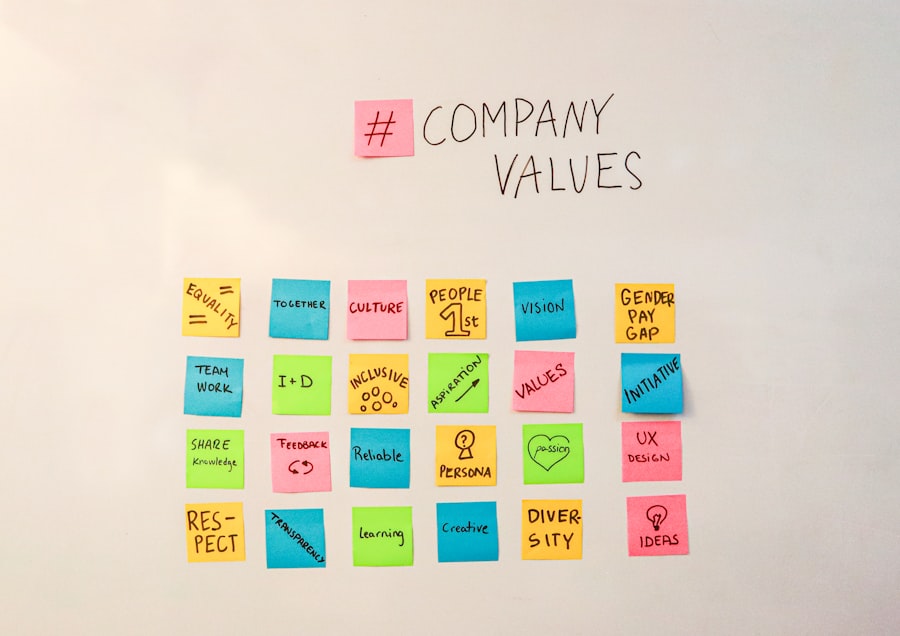
Take time to reflect on your core values. Are you still actively living by them? Are your current activities genuinely in service of these values, or have they become obligations that no longer resonate?
Practicing Mindful Commitment
Before agreeing to new commitments, especially those that tap into your sense of purpose, ask yourself: Does this align with my core values? Do I have the capacity to undertake this without jeopardizing my well-being?
Cultivating a Support System
You are not an island, and attempting to navigate demanding pursuits alone is a recipe for burnout. Surrounding yourself with supportive individuals can provide invaluable encouragement and perspective.
The Importance of Open Communication
Share your experiences and struggles with trusted friends, family members, or colleagues. Voicing your feelings can be incredibly cathartic, and others may offer practical advice or emotional support.
Seeking Professional Guidance
If you find yourself struggling to manage stress and prevent burnout, consider seeking professional help. A therapist or counselor can provide tools and strategies to navigate these challenges effectively.
Cultivating a Sustainable Approach to Value-Driven Living
The goal is not to eliminate challenges or discomfort from your life, but to develop the capacity to engage with them in a sustainable manner. This involves a shift in mindset and a commitment to ongoing self-awareness.
Embracing Imperfection
Recognize that striving for perfection in all aspects of your life is an unsustainable goal. Allow yourself to be human, to make mistakes, and to learn from them without debilitating self-recrimination.
The Beauty of “Good Enough”
Understand that in many instances, “good enough” is perfectly sufficient. Focusing on progress rather than unattainable perfection can free up significant mental and emotional energy.
Practicing Self-Compassion
Treat yourself with the same kindness and understanding you would offer a friend who is struggling. Acknowledge that you are doing your best in challenging circumstances.
Understanding Your Stress Triggers
Become acutely aware of the situations, people, or thoughts that tend to deplete your energy. Once identified, you can develop strategies for managing or avoiding these triggers.
The Art of Mindful Engagement
Engage with your values and responsibilities from a place of conscious awareness rather than reactive compulsion. This allows you to be present and intentional in your actions.
Bringing Awareness to Your Daily Activities
Even in mundane tasks, try to cultivate a sense of mindfulness. This can help to ground you and prevent your mind from racing ahead to future demands or dwelling on past perceived failures.
Continuous Learning and Adaptation
Your journey of balancing values and well-being is an ongoing process. Be open to learning, adapting your strategies as needed, and recognizing that what works for you today may need adjustment tomorrow. Life is dynamic, and your approach to it should be too. You are the architect of your own fulfillment, and by consciously attending to both your values and your well-being, you can build a life that is both meaningful and sustainable.
FAQs
What are some strategies for maintaining your values without experiencing burnout?
Some strategies for maintaining your values without experiencing burnout include setting boundaries, practicing self-care, prioritizing tasks, seeking support from others, and taking regular breaks.
How can setting boundaries help in preventing burnout while staying true to your values?
Setting boundaries can help prevent burnout by allowing you to allocate your time and energy in a way that aligns with your values. It helps in avoiding overcommitment and allows you to focus on what truly matters to you.
What are some examples of self-care practices that can help in maintaining your values and preventing burnout?
Examples of self-care practices that can help in maintaining your values and preventing burnout include getting enough sleep, exercising regularly, practicing mindfulness or meditation, spending time with loved ones, and engaging in hobbies or activities that bring you joy.
How can seeking support from others contribute to keeping your values without burnout?
Seeking support from others can contribute to keeping your values without burnout by providing you with emotional support, different perspectives, and assistance with tasks or responsibilities. It can also help in reducing feelings of isolation and overwhelm.
Why is it important to take regular breaks in order to maintain your values and prevent burnout?
Taking regular breaks is important in maintaining your values and preventing burnout because it allows you to recharge, refocus, and avoid the negative effects of prolonged stress and overwork. It also helps in maintaining a healthy work-life balance.