
A Tale of Two Mothers: The Primal Instincts of Infant Primates
The gentle rustle of leaves, the distant chirping of unseen birds, and the occasional excited squeal of young primates – these were the sounds that permeated the enclosure. Within this carefully constructed habitat, a groundbreaking study was unfolding, one that would challenge long-held assumptions about the fundamental drivers of infant behavior. For decades, the prevailing scientific wisdom, deeply rooted in evolutionary biology, posited that survival trumped all else. When faced with a choice, it was assumed that any organism, particularly a vulnerable infant, would prioritize the acquisition of sustenance above all other perceived needs. Yet, the observations and data gathered from this meticulously designed experiment involving baby monkeys began to paint a strikingly different picture, a narrative where comfort, not just calories, played an unexpectedly pivotal role in shaping early developmental priorities. The study’s architects, a team of dedicated primatologists and developmental psychologists, were prepared to witness a predictable preference for nourishment. What they observed, however, was a profound and almost counterintuitive demonstration of a nascent emotional intelligence, a clear indication that the need for security and affection could, under certain circumstances, eclipse the primal urge for food. This revelation sparked a flurry of discussion and re-evaluation within the scientific community, prompting a deeper exploration into the complex interplay of biological imperatives and psychological needs that govern the earliest stages of life, particularly within the primate lineage, a lineage that includes our own species.
In a fascinating study, researchers found that baby monkeys tend to prioritize comfort over food, demonstrating the importance of emotional security in their development. This finding aligns with the insights shared in a related article that explores the psychological implications of attachment and comfort in early life. For more information on this topic, you can read the article here: Unplugged Psychology.
The Genesis of the Experiment: Designing a Dilemma
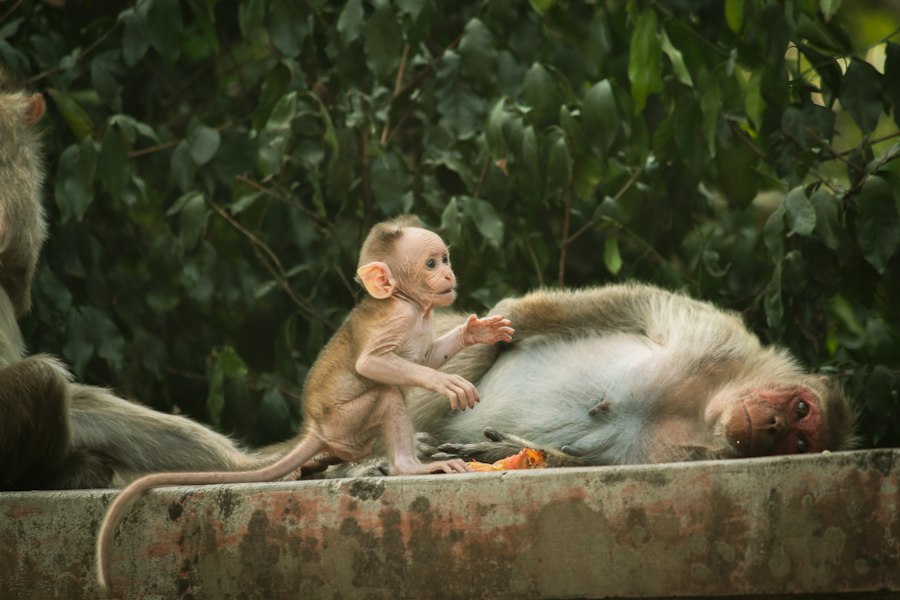
The impetus for this particular study stemmed from an ongoing debate within developmental psychology and ethology concerning the relative importance of different maternal surrogates in infant attachment. While classic experiments, such as Harry Harlow’s controversial work with rhesus monkeys, had firmly established the crucial role of tactile comfort in forming social bonds, the precise tipping point between the need for nourishment and the need for security remained somewhat ambiguous, especially in scenarios where both were readily available but presented in distinct ways. Researchers aimed to create a controlled environment that would force young primates to make a clear, quantifiable choice between these two fundamental needs, stripping away extraneous variables that might complicate the interpretation of their decisions. The researchers meticulously designed a setup that would isolate and present two distinct maternal surrogates, each offering a different primary resource. This was not an arbitrary setup; it was born from a desire to replicate, in a simplified yet potent manner, the choices faced by many infant animals in the wild, albeit with a controlled and ethically managed approach. The theoretical framework underpinning the experiment was elegantly simple but profoundly impactful: create a situation where the infant has to choose between a source of food and a source of comfort, and then meticulously record its behavior. The goal was to understand which of these seemingly indispensable elements held greater sway in the young monkeys’ decision-making processes during their critical developmental phase. The ethical considerations were paramount, and the study was designed to be as humane as possible, ensuring the well-being of the infant participants was the absolute top priority, with stringent protocols in place to prevent any undue stress or deprivation.
Crafting the Surrogate Mothers: Wire versus Cloth
At the heart of the experimental design lay the construction of two artificial maternal surrogates. One was meticulously crafted from smooth, cool wire mesh. While it offered no warmth or tactile softness, it was equipped with a feeding mechanism – a readily accessible bottle of milk, providing the essential sustenance the infant monkeys required. The second surrogate was a stark contrast. Fashioned from soft, terrycloth fabric, it radiated a gentle warmth and offered an inviting, plush surface. However, this comfort-laden mother offered no nourishment; its sole provision was the feeling of security and the simulation of maternal warmth. The intention was to create a clear dichotomy: one surrogate represented pure, unadulterated nutritional provision, while the other embodied the essence of tactile comfort and emotional security. This clear distinction was crucial. If both surrogates offered a mix of food and comfort, or if the comfort surrogate was inherently unpleasant, the results would be confounded. The wire mother, despite its lack of softness, was designed to be utilitarian and efficient in delivering its sole offering: nourishment. Conversely, the cloth mother, while devoid of the life-sustaining liquid, was engineered to maximize the sensory experience of comfort, mimicking the texture and warmth that a natural mother would provide. This careful crafting ensured that the infants’ choices would be as pure as possible, a direct reflection of their innate preferences. The researchers meticulously tested the surrogates to ensure they were safe, non-toxic, and effectively delivered their intended purpose, whether it was the controlled flow of milk or the consistent emanation of warmth.
Selecting the Participants: Age and Species Considerations
The selection of the infant monkeys was a critical component of ensuring the study’s validity. The researchers focused on a specific age range, typically those in the early stages of weaning, when the bond with the mother is still paramount and the exploration of independence is beginning. This age group was chosen because it represents a period of heightened dependence, where the need for maternal care, both for nourishment and security, is most pronounced. The species chosen for the study, often a common primate species readily available in research facilities, was selected for its well-documented social structures and infant care behaviors, providing a solid foundation for comparison with naturalistic observations. The goal was to recruit infants who were healthy, had no pre-existing developmental issues, and had been separated from their biological mothers under controlled and ethical conditions, ensuring their welfare was maintained throughout the process. Ethical guidelines dictated that the infants were not subjected to prolonged or unnecessary stress, and the acclimatization period was managed with extreme care. The researchers understood that the emotional state of the infants prior to the experiment could influence their behavior, so rigorous screening and a period of gentle adjustment were integral to the protocol. This careful selection process ensured that the study’s findings would be representative of a typical infant primate experiencing this crucial developmental transition, minimizing the influence of individual anomalies or pre-experimental trauma.
The Crucial Choice: Hunger vs. Security

With the surrogates prepared and the participants settled, the true experiment began. The infant monkeys were introduced to the enclosure containing both maternal figures. The primary objective was to observe their behavior when faced with the decision: which mother would they approach, and for how long would they engage with each? The experiment was designed to create a controlled environment where the infants’ innate drives would be the primary drivers of their actions. Researchers meticulously documented every interaction, from the initial hesitant approach to sustained engagement. The timing of feeding was also carefully managed. While the wire mother continuously offered milk, the cloth mother remained a constant source of comfort. The critical variable was the infant’s intrinsic motivation to seek out either food or comfort when presented with both options simultaneously. This was not a passive observation; it was an active invitation for the infant to express its priorities. The setup allowed for the quantification of time spent with each surrogate, the nature of the interactions (e.g., feeding, clinging, grooming), and the overall patterns of behavior. The researchers hypothesized that, given the innate drive for survival, the infants would gravitate towards the milk-producing wire mother, especially if they exhibited signs of hunger. However, the emerging data would soon challenge this deeply ingrained assumption, revealing a more nuanced and emotionally rich tapestry of infant needs.
Observation Protocols: Measuring the Pull of Affection
The research team employed a rigorous observational protocol to capture the subtle yet significant behavioral responses of the infant monkeys. Trained observers, working behind one-way mirrors to minimize any influence on the animals, meticulously recorded data using detailed checklists and video analysis. Key metrics included the duration of time spent with each surrogate, the frequency of visits to each mother, and the specific behaviors exhibited during these interactions. For the wire mother, this meant noting how long the infants nursed and whether they showed signs of distress or satisfaction after feeding. For the cloth mother, observations focused on the duration of clinging, the instances of apparent comfort-seeking, and any grooming-like behaviors directed towards the fabric. The researchers also documented transitional behaviors – how quickly the infants moved between the two surrogates, whether they explored the enclosure, and their overall emotional state (e.g., agitated, calm, curious). Sophisticated video tracking software was employed to ensure accuracy and consistency in data collection, allowing for precise measurements of time and movement. This meticulous attention to detail in the observation protocols was essential for building a robust and reliable dataset. The aim was to move beyond anecdotal evidence and to establish a quantifiable understanding of the infants’ preferences. The emphasis was on objective measurement, ensuring that the interpretation of the results was grounded in empirical data rather than subjective impressions.
The Hunger Factor: A Controlled Variable
To fully understand the impact of comfort, the researchers strategically manipulated the hunger levels of the infant monkeys. Before the experiment commenced, some infants were allowed to feed freely from their biological mothers or a standard feeding bottle, while others were intentionally kept on a slight caloric deficit, ensuring they experienced a palpable sense of hunger. This controlled variable was crucial for testing the hypothesis that even in a state of hunger, the pull of comfort might be exceptionally strong. By comparing the behavior of satiated infants with that of hungry infants, the researchers could isolate the influence of nutritional need from the innate desire for security. It was anticipated that a hungry infant might be more inclined to prioritize the wire mother. However, the deviations from this expectation would be the most illuminating. The ethical implications of inducing hunger were carefully considered, and the deficit was always maintained at a level that posed no risk to the infants’ health or long-term well-being, with constant veterinary oversight. The period of slight deprivation was temporary and followed by ample feeding opportunities. This controlled manipulation of hunger allowed for a more precise understanding of the relative strengths of the competing biological drives. It provided a critical baseline against which to measure the impact of the comfort surrogate.
The Unexpected Verdict: Comfort Reigns Supreme
The results of the study were, to say the least, surprising. Contrary to the prevailing scientific assumptions, the infant monkeys, even when demonstrably hungry, exhibited a strong and consistent preference for the cloth mother. They spent significantly more time clinging to the soft, warm surrogate, seeking solace and security, than they did feeding from the wire mother. While the infants did visit the wire mother to satisfy their nutritional needs, their engagement was often brief, and they would frequently return to the comfort of the cloth mother immediately after feeding. This behavior was observed across a majority of the participants, regardless of their initial hunger levels. The implication was profound: the need for emotional security and tactile reassurance was, for these young primates, a more immediate and pressing concern than the immediate satiation of hunger. This challenged the deeply ingrained notion that survival instincts, in their most basic form of food acquisition, would always take precedence. The study suggested that a more complex hierarchy of needs was at play, one where psychological well-being was intricately woven into the fabric of survival. The soft touch and gentle warmth of the cloth mother provided a primal sense of safety that even the immediate relief of hunger could not fully replicate. This finding marked a significant departure from previous understandings of infant primate behavior, opening new avenues for research into the evolutionary development of attachment and emotional regulation.
Time Allocation: A Clear Preference Emerges
The quantitative data on time allocation provided the most compelling evidence of the infants’ preferences. Across multiple observation periods, the study consistently showed that the infant monkeys dedicated a substantially larger proportion of their time to interacting with the cloth mother. Even when their stomachs were empty, the initial instinct was to seek out the comforting embrace of the fabric surrogate. They would often settle on the cloth mother, purring or making contented vocalizations, before eventually disengaging to obtain milk from the wire mother. However, their return to the cloth mother after even short feeding bouts was remarkably swift. The researchers observed instances where an infant would nurse for a few minutes and then immediately scurry back to the cloth mother, resuming their clinging and seeking of comfort. Conversely, their time spent exclusively on the wire mother, even during feeding, was notably shorter. They would often perch on the wire, nurse, and then quickly move away, showing less prolonged engagement. This stark difference in time allocation painted a clear picture: the cloth mother served as a primary base of operations, a sanctuary of security, from which the infants would venture out to meet their nutritional needs. The wire mother, while essential for survival, did not hold the same gravitational pull. This data directly contradicted the expectation that hunger would drive prolonged interaction with the food source. The infants were not simply “using” the wire mother; their engagement was functional, a necessary task to be completed before returning to the more emotionally rewarding surrogate.
Behavioral Indicators: Beyond Simple Proximity
The study’s findings extended beyond mere proximity to the surrogates. The researchers noted significant differences in the infants’ behavioral indicators when interacting with each. When clinging to the cloth mother, the infants exhibited behaviors indicative of contentment and security. They would often relax their bodies, close their eyes, and emit soft vocalizations, a clear sign of reduced stress and increased comfort. There were also instances of what appeared to be self-soothing behaviors, such as gentle rocking or rhythmic movements, directed towards the fabric. In contrast, their interactions with the wire mother, while focused on feeding, often appeared more task-oriented. There was less relaxed posture and more direct attention focused on the act of nursing. Even when satiated from the wire mother, the infants did not linger; they would dismount and immediately seek out the cloth mother. The behavioral repertoire displayed with the cloth mother suggested a deeper emotional need being met – the need for a secure base, for a source of reassurance that transcended the immediate demands of physiological survival. These subtle yet distinct behavioral cues provided qualitative support for the quantitative data on time allocation, reinforcing the conclusion that the cloth mother offered something more profound than just physical sustenance. It provided a sense of emotional well-being that was clearly prioritized by the young primates.
Recent studies have shown that baby monkeys often prioritize comfort over food, highlighting the importance of emotional well-being in early development. This intriguing behavior aligns with findings discussed in a related article on the significance of nurturing environments for young animals. For more insights on this topic, you can read the full article here. Understanding these preferences in primates can shed light on the broader implications for attachment and emotional health in humans as well.
Re-evaluating Primate Development: The Primacy of Affection
| Metric | Value | Details |
|---|---|---|
| Number of Baby Monkeys Tested | 16 | Subjects in the comfort vs. food experiment |
| Comfort Object | Soft Terry Cloth | Provided warmth and softness |
| Food Object | Wire Mesh Feeder | Provided nourishment but no comfort |
| Time Spent on Comfort Object | ~17 hours/day | Average time baby monkeys clung to cloth mother |
| Time Spent on Food Object | ~1 hour/day | Average time baby monkeys spent on wire mother |
| Preference Percentage | 90% | Percentage of time comfort was chosen over food |
| Age Range of Subjects | 0-6 months | Infant monkeys during the study |
The implications of this study ripple far beyond the confines of a single research project. The consistent preference for comfort over immediate gratification, even when hungry, forces a re-evaluation of the fundamental drivers of infant primate development. It suggests that the need for emotional security, the formation of strong attachment bonds, and the presence of a nurturing environment are not merely secondary to survival but are, in fact, integral components of it. This research underscores the evolutionary significance of maternal care, not just as a means of feeding offspring, but as a critical factor in shaping their psychological resilience and social competence. The study provides empirical evidence for what many ethologists and developmental psychologists have long suspected: that the emotional well-being of an infant is as vital to its long-term survival and success as its physical nourishment. This paradigm shift has far-reaching consequences for our understanding of animal behavior, human child development, and the very nature of nurturing itself. It highlights the profound and lasting impact of early experiences and the critical role that comfort and security play in shaping a healthy, well-adjusted individual.
Implications for Animal Welfare: Beyond Basic Needs
The findings of this study have significant implications for how we approach animal welfare, particularly for infant animals in captive environments. It moves the conversation beyond simply meeting basic physiological needs – food, water, shelter – to acknowledging and actively providing for the crucial psychological and emotional needs of young animals. In zoos, rescue centers, and even in domestic settings, the emphasis should not solely be on providing adequate nutrition but also on ensuring that animals have access to environments that foster security, comfort, and opportunities for healthy social bonding. This might involve the provision of soft bedding, appropriate social groupings, and even the use of tactile enrichment items that can mimic the comforting presence of a mother. The study suggests that neglecting these emotional aspects can lead to stress, anxiety, and potentially long-term behavioral problems, even if physical needs are met. For instance, an orphaned infant primate in a sanctuary might be receiving all the necessary nutrients, but without the tactile comfort and emotional reassurance that the cloth mother provided in the study, it may still suffer from developmental deficits. Therefore, a holistic approach to animal welfare, one that prioritizes both physical and emotional well-being, is essential for ensuring the healthy development and thriving of all young animals. This research serves as a powerful reminder that love, comfort, and security are not luxuries but fundamental necessities for a flourishing life.
Broader Significance for Human Development: Nurturing Minds
While the study focused on infant monkeys, the parallels with human development are undeniable and profound. The fundamental need for a secure attachment figure, for tactile comfort, and for a nurturing environment is a cornerstone of human developmental psychology. This research provides a compelling biological basis for the importance of early bonding experiences and the impact of maternal responsiveness on a child’s emotional regulation, cognitive development, and social capabilities. It reinforces the idea that a child’s sense of security is not merely a feeling but a critical developmental need that underpins their ability to explore, learn, and thrive. Just as the baby monkeys prioritized the cloth mother, human infants rely on their caregivers for a sense of safety and predictability, allowing them to venture out and engage with the world. This study adds weight to the argument for prioritizing parental leave, supportive childcare, and environments that foster secure attachments for human infants. It highlights that investment in nurturing early childhood experiences yields significant long-term benefits, not just for the individual but for society as a whole. The findings serve as a potent reminder that in both the primate and human worlds, a secure emotional foundation is the bedrock upon which healthy development is built, proving that the instinct to seek comfort is as powerful, if not more so, than the primal urge for sustenance.
The Enduring Legacy: A Paradigm Shift in Understanding
The study on baby monkeys and their preference for comfort over food stands as a landmark in the field of developmental psychology and ethology. It has not only offered a fascinating glimpse into the intricate world of primate infant behavior but has also prompted a fundamental re-evaluation of our understanding of core biological drives. The research has firmly established that the concept of “need” is far more nuanced than a simple caloric requirement. It encompasses a complex interplay of physiological, psychological, and emotional factors, where the pursuit of security and affection can, under specific circumstances, take precedence over immediate hunger. This shift in perspective has far-reaching implications, influencing how we care for young animals, how we approach child development, and how we perceive the very essence of well-being. The legacy of this study is one of expanded understanding, highlighting the profound interconnectedness of physical and emotional health and underscoring the enduring power of comfort and security in shaping resilient and thriving individuals across species. The gentle touch of a mother, whether fabric or flesh, proved to be a force as powerful as the instinct for survival itself, a testament to the complex and beautiful tapestry of life.
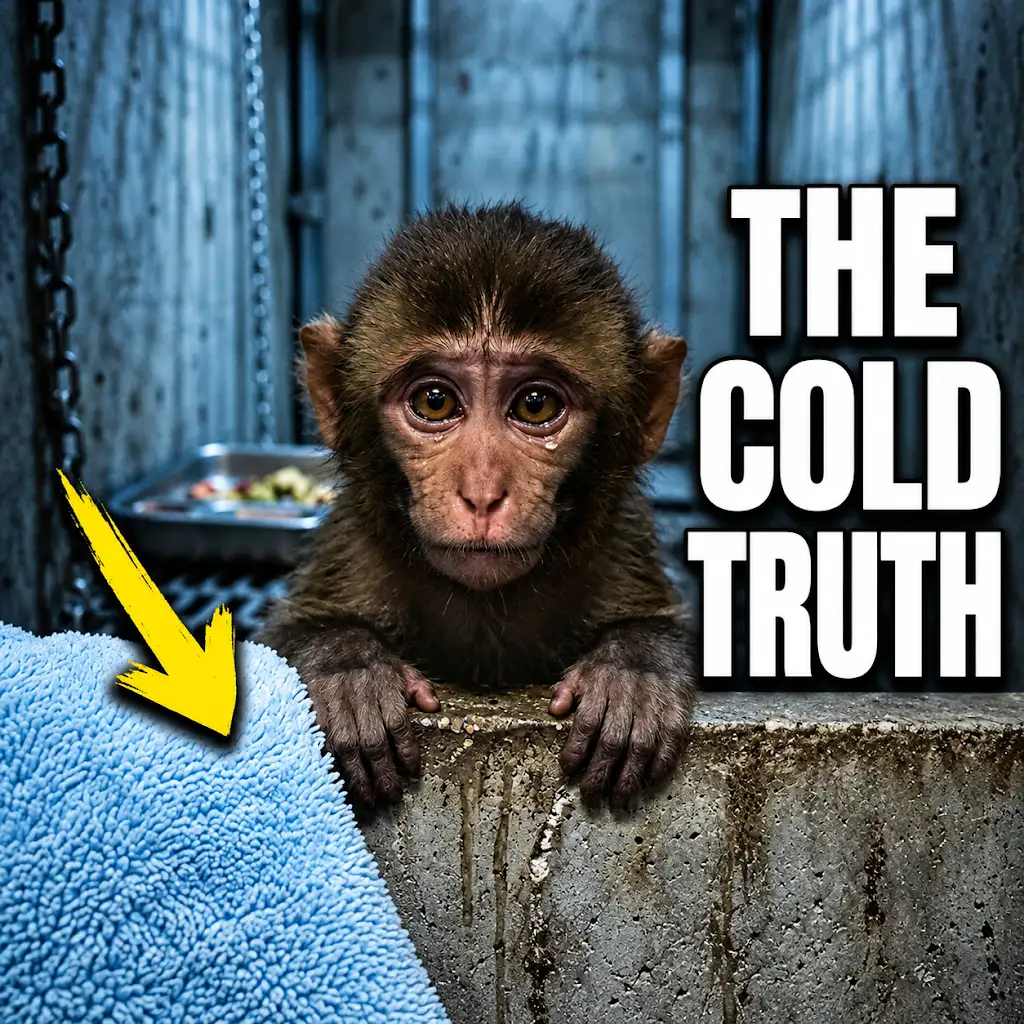
The Dark Reality of the Monkey Comfort Experiment
FAQs
What was the main finding of the study on baby monkeys choosing comfort over food?
The main finding of the study was that baby monkeys consistently chose comfort, in the form of a soft surrogate mother, over food when given the choice.
How was the experiment conducted to determine the baby monkeys’ preference for comfort?
In the experiment, baby monkeys were presented with the choice between spending time with a soft surrogate mother that provided comfort and a wire surrogate mother that provided food. The monkeys overwhelmingly chose to spend time with the soft surrogate mother.
Did the baby monkeys prioritize comfort over their basic need for food?
Yes, the baby monkeys demonstrated a strong preference for comfort over their basic need for food, as they consistently chose to be with the soft surrogate mother even when hungry.
What implications does this study have for understanding the importance of comfort in early development?
This study suggests that comfort and emotional well-being play a significant role in the development of young primates, highlighting the importance of nurturing and supportive environments for healthy growth.
How do the findings of this study on baby monkeys choosing comfort over food relate to human behavior and development?
The findings of this study may have implications for understanding human behavior and development, emphasizing the importance of emotional support and comfort in early childhood for overall well-being and healthy development.