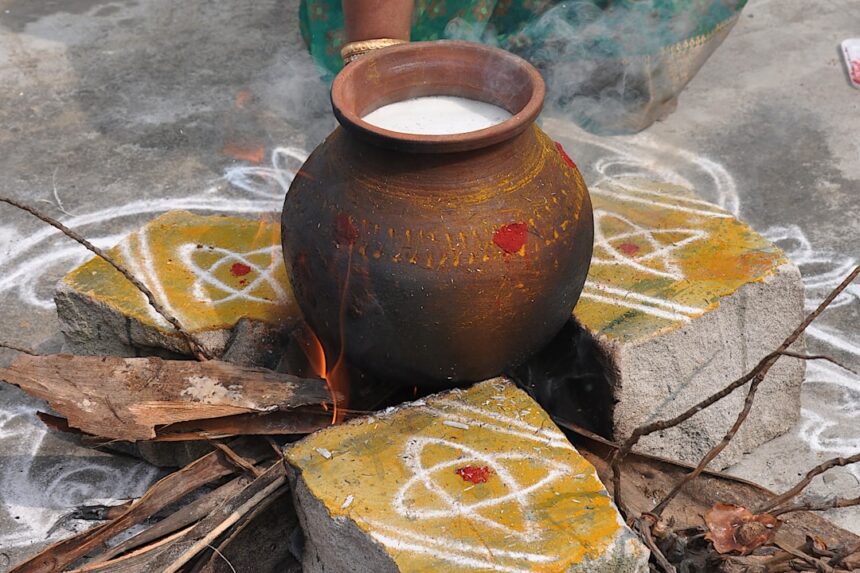
Healing rituals encompass various practices that aim to promote physical, emotional, or spiritual well-being. These activities include sound therapy sessions, smudging ceremonies using burning herbs, meditation retreats, and other traditional practices that have been maintained across different cultures for centuries. Participants often seek these experiences as methods for stress reduction, self-reflection, and personal development.
Many healing rituals are conducted in group settings, creating opportunities for social interaction and community building. Participants frequently report feeling a sense of connection with others who share similar wellness goals or spiritual interests. Group activities such as guided meditation, chanting, or ceremonial practices can create shared experiences that participants find meaningful and supportive.
The appeal of healing rituals often stems from their structured approach to addressing stress, anxiety, or life transitions. These practices typically involve designated spaces, specific timeframes, and established procedures that differ from everyday routines. Some individuals find that participating in such rituals provides a framework for processing emotions, setting intentions, or developing coping strategies for personal challenges.
Key Takeaways
- Healing rituals often offer temporary relief but can create cycles of dependency.
- Relying on rituals may prevent genuine healing and reinforce negative behavioral patterns.
- The illusion of progress through rituals can mask fear of change and resistance to letting go.
- Seeking external validation through rituals can perpetuate a victim mindset.
- True freedom requires breaking free from these traps and embracing authentic healing.
The temporary relief they provide
While healing rituals can offer a momentary escape from the chaos of life, you may soon realize that the relief they provide is often fleeting. After participating in a ritual, you might feel a rush of euphoria or clarity, but as time passes, those feelings may dissipate, leaving you yearning for more. This cycle of temporary relief can create a sense of urgency, compelling you to seek out the next ritual or experience that promises to lift your spirits once again.
You may find yourself caught in a loop, constantly chasing that high without addressing the underlying issues that prompted your search for healing in the first place. This transient nature of relief can lead to frustration and disappointment. You might begin to question whether these rituals are truly effective or if they merely serve as distractions from the deeper work that needs to be done.
As you grapple with these feelings, it becomes increasingly clear that while rituals can provide comfort, they often do not facilitate lasting change. You may find yourself at a crossroads, contemplating whether to continue seeking solace in these practices or to confront the more challenging aspects of your life head-on.
The cycle of dependency
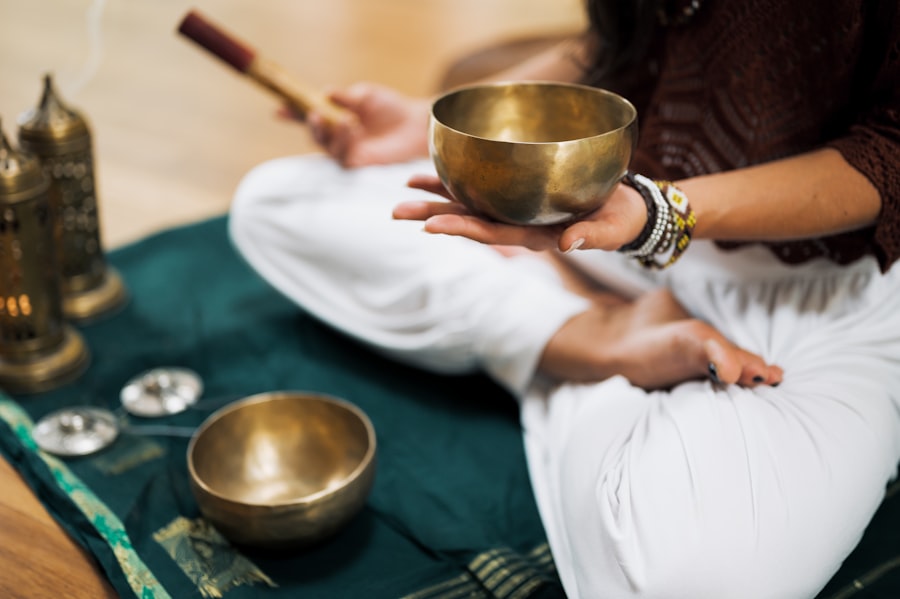
As you continue to engage in healing rituals, you may inadvertently develop a dependency on them for emotional support. This reliance can manifest in various ways, such as feeling incomplete or lost without the next ritual on your calendar. You might find yourself planning your life around these events, prioritizing them over other important aspects of your well-being.
This cycle of dependency can be insidious, as it often feels justified by the temporary relief and connection you experience during these practices. You may also notice that this dependency can lead to a sense of stagnation in your personal growth. Instead of addressing the root causes of your pain or discomfort, you might find yourself perpetually seeking external sources of healing.
This reliance can create a false sense of security, as you convince yourself that participating in rituals is enough to facilitate change. However, deep down, you may recognize that true healing requires more than just fleeting moments of respite; it demands introspection, courage, and a willingness to confront the uncomfortable truths within yourself.
The avoidance of real healing
In your quest for healing through rituals, you may inadvertently sidestep the deeper work necessary for genuine transformation. While these practices can provide comfort and connection, they often serve as a distraction from confronting the underlying issues that contribute to your pain. You might find yourself caught in a cycle of avoidance, where the allure of rituals keeps you from delving into the emotional wounds that require attention and care.
This avoidance can create a false sense of progress, as you convince yourself that participating in rituals is enough to facilitate change. As you navigate this landscape, it becomes increasingly clear that real healing requires vulnerability and honesty. You may need to confront difficult emotions and experiences that have shaped your life.
This process can be daunting, as it often involves facing fears and insecurities that you have long kept at bay. However, by avoiding this essential work, you risk remaining trapped in a cycle of superficial healing that ultimately leaves you feeling unfulfilled and disconnected from your true self.
The reinforcement of negative patterns
| Reason | Description | Impact on Healing | Example |
|---|---|---|---|
| Over-reliance on Rituals | Depending solely on rituals without addressing underlying issues. | Prevents real emotional or psychological progress. | Repeating the same ritual expecting different results. |
| Lack of Personal Accountability | Believing rituals alone will heal without personal effort. | Leads to stagnation and avoidance of self-work. | Ignoring therapy or self-reflection while performing rituals. |
| Emotional Suppression | Using rituals to avoid feeling painful emotions. | Blocks emotional processing and growth. | Performing rituals to distract from grief or anger. |
| False Sense of Control | Rituals create illusion of control over healing outcomes. | Reduces motivation to take proactive steps. | Believing a ritual will fix a relationship without communication. |
| Reinforcement of Limiting Beliefs | Rituals may reinforce beliefs that healing is external. | Limits empowerment and self-efficacy. | Thinking healing depends only on external actions or objects. |
Engaging in healing rituals without addressing the root causes of your pain can inadvertently reinforce negative patterns in your life. You may find yourself returning to familiar behaviors or thought processes that contribute to your suffering, all while seeking solace in rituals that provide temporary relief. This paradox can be frustrating; despite your best intentions to heal, you may feel as though you are stuck in a loop of repeating the same mistakes.
The rituals may offer a brief respite from these patterns, but they do not provide the tools necessary for breaking free from them. As you reflect on this cycle, it becomes evident that true healing requires more than just participation in rituals; it demands active engagement with your thoughts and behaviors. You might need to examine the beliefs and habits that have kept you trapped in negative cycles.
By acknowledging these patterns and taking steps to change them, you can begin to create a more authentic path toward healing—one that transcends the temporary relief offered by rituals and leads to lasting transformation.
The illusion of progress
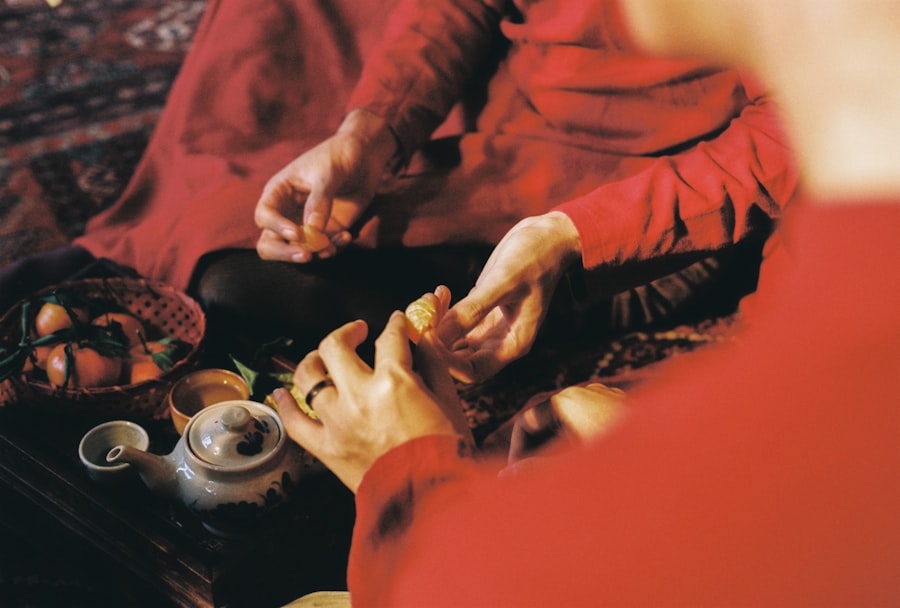
In your journey through healing rituals, you may encounter the illusion of progress—a deceptive sense that you are moving forward when, in reality, you are merely skimming the surface of deeper issues. This illusion can be enticing; after all, who doesn’t want to feel as though they are making strides toward healing? However, it’s essential to recognize that true progress involves confronting uncomfortable truths and engaging in meaningful self-reflection.
You might find yourself caught up in the excitement of new experiences and connections while overlooking the deeper work that remains unaddressed. As this illusion persists, it can lead to complacency in your healing journey. You may convince yourself that attending another ritual or workshop is enough to facilitate change without taking the necessary steps to confront your inner struggles.
This mindset can create a false narrative about your progress—one that prioritizes external validation over genuine self-discovery. To break free from this illusion, it’s crucial to cultivate self-awareness and honesty about where you truly stand on your healing journey.
The fear of letting go
As you navigate the world of healing rituals, you may encounter an underlying fear of letting go—of both past experiences and the comfort provided by these practices. This fear can manifest in various ways; perhaps you cling to familiar rituals because they offer a sense of security amidst uncertainty. You might worry that stepping away from these practices will leave you feeling lost or vulnerable.
However, it’s essential to recognize that true healing often requires letting go of what no longer serves you. Embracing this process can be daunting; it involves confronting fears and insecurities that have long held sway over your life. You may need to grapple with feelings of inadequacy or unworthiness as you consider releasing the very practices that have provided solace.
Yet, by allowing yourself to let go, you open up space for new opportunities for growth and transformation. It’s through this act of surrender that you can begin to cultivate a deeper understanding of yourself and embark on a more authentic path toward healing.
The resistance to change
In your pursuit of healing through rituals, you may encounter an inherent resistance to change—a natural response rooted in fear and uncertainty. Change can be intimidating; it often requires stepping outside your comfort zone and confronting aspects of yourself that you may have long avoided. As you engage with healing practices, this resistance may surface as doubts or hesitations about whether true transformation is possible for you.
You might find yourself clinging to familiar patterns even when they no longer serve your well-being. Recognizing this resistance is an essential step toward overcoming it. You may need to challenge the beliefs and narratives that have kept you stuck in old ways of being.
By acknowledging your fears and embracing the discomfort that comes with change, you can begin to dismantle the barriers preventing you from fully engaging with your healing journey. It’s through this process of confronting resistance that you can cultivate resilience and openness—qualities essential for navigating the complexities of personal growth.
The need for external validation
As you immerse yourself in healing rituals, you may find yourself grappling with a deep-seated need for external validation—a desire for affirmation from others regarding your progress and worthiness. This need can manifest in various ways; perhaps you seek approval from facilitators or fellow participants as a way to measure your success on your healing journey. While community support can be beneficial, relying solely on external validation can hinder your ability to cultivate self-acceptance and inner strength.
To break free from this cycle, it’s crucial to shift your focus inward and prioritize self-validation over external approval. You might begin by acknowledging your own achievements—no matter how small—and celebrating the progress you’ve made on your journey. By cultivating self-compassion and recognizing your inherent worthiness independent of others’ opinions, you can foster a deeper sense of empowerment and resilience as you navigate the complexities of healing.
The perpetuation of victimhood
In engaging with healing rituals without addressing underlying issues, there is a risk of perpetuating a victimhood mentality—a belief that circumstances beyond your control dictate your experiences and emotions. While acknowledging pain is essential for healing, clinging too tightly to this narrative can hinder personal growth and empowerment.
To break free from this mindset, it’s essential to recognize the power within yourself to create change. You might begin by reframing your narrative—shifting from one of victimhood to one of resilience and strength. By taking ownership of your experiences and choices, you empower yourself to take actionable steps toward healing rather than remaining passive in the face of adversity.
Breaking free from the trap
Ultimately, breaking free from the trap of reliance on healing rituals requires courage and commitment to genuine self-discovery. It involves acknowledging the allure of these practices while recognizing their limitations in facilitating true transformation. You may need to confront uncomfortable truths about yourself and engage in deeper introspection—embracing vulnerability as an essential part of the healing process.
As you embark on this journey toward authentic healing, remember that it’s okay to seek support along the way—whether through therapy, trusted friends, or community resources. By cultivating self-awareness and embracing change with an open heart, you can break free from the cycle of dependency on rituals and embark on a path toward lasting transformation and empowerment. In doing so, you’ll discover not only the strength within yourself but also the profound beauty that comes from embracing your authentic journey toward healing.
Healing rituals can often provide a sense of comfort and community, but they may also inadvertently keep individuals stuck in their emotional patterns. For a deeper exploration of this concept, you can read the article on Unplugged Psych that discusses the potential pitfalls of relying too heavily on such rituals. Check it out here: Unplugged Psych.
FAQs
What are healing rituals?
Healing rituals are structured practices or ceremonies intended to promote physical, emotional, or spiritual well-being. They often involve symbolic actions, meditation, prayer, or the use of specific objects.
Why do some people believe healing rituals are beneficial?
Many people find healing rituals beneficial because they provide a sense of comfort, structure, and connection to a community or tradition. They can also help individuals focus their intentions and promote mindfulness.
How can healing rituals potentially keep someone stuck?
Healing rituals can keep someone stuck if they become a substitute for taking practical steps toward change. Relying solely on rituals without addressing underlying issues or taking action may prevent progress and personal growth.
Are healing rituals scientifically proven to heal?
While some aspects of healing rituals, such as meditation and mindfulness, have scientific support for reducing stress and improving mental health, many ritualistic practices lack rigorous scientific evidence for direct healing effects.
Can healing rituals be harmful?
Healing rituals are generally safe, but they can be harmful if they delay or replace necessary medical treatment or if they foster dependency that inhibits personal responsibility and growth.
How can one use healing rituals effectively?
To use healing rituals effectively, they should be combined with practical actions such as therapy, medical treatment, or lifestyle changes. Rituals can support healing by enhancing focus and emotional well-being but should not be the sole approach.
What should someone do if they feel stuck despite performing healing rituals?
If someone feels stuck, it may be helpful to evaluate whether they are taking active steps toward their goals beyond rituals. Seeking professional guidance from therapists, counselors, or medical providers can provide additional support and strategies.