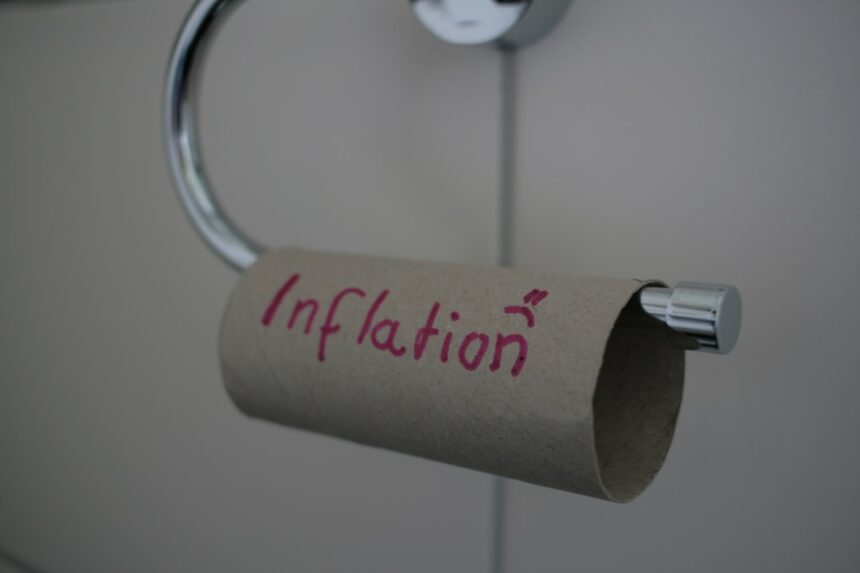
A purity spiral refers to a social dynamic where standards and expectations within a group or society progressively intensify over time. This phenomenon occurs when individuals or communities continuously raise the bar for acceptable behavior, appearance, performance, or moral conduct, creating an escalating cycle of increasingly demanding requirements. Research in social psychology has identified several mechanisms that drive purity spirals.
Competition for status within groups often motivates individuals to demonstrate superior adherence to prevailing standards. Social comparison theory explains how people evaluate themselves relative to others, leading to upward adjustments in personal benchmarks when exposed to higher-performing peers. Additionally, the availability heuristic causes recent examples of exceptional performance or behavior to seem more common than they actually are, skewing perceptions of normal standards.
Purity spirals manifest across multiple domains of contemporary life. In professional environments, expectations for productivity, skill acquisition, and career advancement have intensified. Educational settings show similar patterns, with academic performance standards and extracurricular involvement requirements increasing over time.
Personal lifestyle choices, including fitness routines, dietary practices, and consumer decisions, also demonstrate this escalating pattern.
The curated nature of online content creates distorted representations of typical behavior and achievement levels, contributing to inflated expectations about normal standards of living, appearance, and success.
Key Takeaways
- The purity spiral involves escalating standards that become increasingly unrealistic and exclusionary.
- Social media amplifies the purity spiral by promoting idealized and often unattainable standards.
- Inflation of standards negatively affects mental health, contributing to stress, anxiety, and perfectionism.
- The purity spiral impacts various areas, including workplaces and personal relationships, often causing conflict and dissatisfaction.
- Combating the purity spiral requires recognizing unrealistic expectations and embracing imperfection and authenticity.
The Psychology Behind Inflation of Standards
The inflation of standards is deeply rooted in psychological principles that govern human behavior. You may find that your self-worth is often tied to external validation, which can lead to a constant comparison with others. This comparison can create a distorted perception of what is considered “normal” or “acceptable.” As you observe others achieving seemingly unattainable goals or living perfect lives, it’s easy to internalize these standards and feel pressured to conform.
This psychological mechanism can lead to a cycle of striving for perfection that is both exhausting and unfulfilling. Moreover, cognitive biases play a significant role in this inflation of standards. You might experience the “availability heuristic,” where you judge the likelihood of events based on recent experiences or information.
If you frequently see curated images of success and beauty on social media, it can skew your perception of reality. This bias can lead you to believe that everyone else is living a flawless life while you struggle to keep up. Understanding these psychological underpinnings can help you recognize when your standards are being artificially inflated and allow you to take a step back.
The Role of Social Media in the Purity Spiral

Social media platforms have become breeding grounds for the purity spiral, amplifying the pressure to meet inflated standards. As you scroll through your feeds, you are bombarded with images and stories that often depict an idealized version of life. Influencers and celebrities showcase their seemingly perfect lives, leading you to compare your reality with their curated highlights.
This constant exposure can create a sense of inadequacy, making it difficult for you to appreciate your own achievements and experiences. The algorithms that govern social media also contribute to this phenomenon by promoting content that garners engagement. You may find yourself drawn to posts that reflect unattainable beauty standards or lifestyles, further perpetuating the cycle of comparison.
The more you engage with this content, the more it reinforces the idea that perfection is not only desirable but necessary. Recognizing the role social media plays in shaping your perceptions can empower you to curate your online experience more mindfully, allowing for a healthier relationship with these platforms.
The Impact of Inflation of Standards on Mental Health
The inflation of standards associated with the purity spiral can have profound effects on your mental health. As you strive to meet these unrealistic expectations, you may experience heightened levels of anxiety and depression. The constant pressure to be perfect can lead to feelings of inadequacy and self-doubt, making it challenging for you to enjoy life’s simple pleasures.
You might find yourself caught in a cycle of overachievement, where no matter how much you accomplish, it never feels like enough. Additionally, the fear of judgment from others can exacerbate these mental health challenges. You may worry about how others perceive your choices and accomplishments, leading to a paralyzing fear of failure.
This fear can prevent you from taking risks or pursuing opportunities that could lead to personal growth and fulfillment. Acknowledging the impact of inflated standards on your mental health is crucial for developing coping strategies and seeking support when needed.
The Connection Between Inflation of Standards and Perfectionism
| Metric | Description | Value | Unit | Notes |
|---|---|---|---|---|
| Purity Spiral Rate | Rate at which purity standards escalate over time | 3.5 | % per year | Measured annually in industrial processes |
| Standard Inflation Rate | Increase in baseline purity standard requirements | 2.1 | % per year | Reflects tightening regulations |
| Average Purity Level | Mean purity level achieved in production | 99.7 | % | Based on latest quality control data |
| Inflation Impact on Cost | Cost increase due to rising purity standards | 4.8 | % | Annual cost impact estimate |
| Time to Compliance | Average time to meet new purity standards | 6 | Months | Industry average |
Perfectionism is intricately linked to the inflation of standards within the purity spiral. You may find that your desire for perfection drives you to set unattainable goals, leading to chronic dissatisfaction with your performance. This connection can create a vicious cycle where the more you strive for perfection, the more elusive it becomes.
As you chase after an ideal that is inherently unachievable, you may experience burnout and frustration. Moreover, perfectionism often manifests as an all-or-nothing mindset. You might believe that if you cannot achieve perfection in one area of your life, then any effort is futile.
This mindset can hinder your ability to appreciate progress and growth, as you become fixated on flaws rather than celebrating achievements. Understanding this connection between inflation of standards and perfectionism can help you cultivate a healthier perspective on success and self-worth.
The Purity Spiral in the Workplace

The purity spiral is not confined to personal life; it also permeates professional environments. In the workplace, inflated standards can create a culture of competition where employees feel pressured to outperform one another constantly. You may find yourself working longer hours or taking on additional responsibilities in an attempt to meet these expectations.
This relentless pursuit of excellence can lead to burnout and decreased job satisfaction. Furthermore, the fear of falling short can stifle creativity and innovation in the workplace. When everyone is focused on meeting inflated standards, there is little room for experimentation or risk-taking.
You might hesitate to share new ideas or propose changes for fear of being judged or criticized. Recognizing how the purity spiral manifests in professional settings can empower you to advocate for a healthier work culture that values collaboration over competition.
The Dangers of Inflation of Standards in Relationships
Inflated standards also pose significant challenges in personal relationships. You may find yourself holding unrealistic expectations for partners, friends, or family members based on societal norms or idealized portrayals in media. This pressure can lead to dissatisfaction and conflict as you struggle to reconcile reality with your expectations.
When relationships are built on inflated standards, they often lack authenticity and depth. Moreover, the fear of judgment can prevent open communication in relationships. You might hesitate to express your true feelings or vulnerabilities for fear of being perceived as inadequate or flawed.
This lack of authenticity can create distance between you and those you care about, ultimately undermining the foundation of trust and connection. Understanding how inflation of standards affects your relationships can help you cultivate more meaningful connections based on acceptance and understanding.
How to Recognize and Combat the Purity Spiral
Recognizing when you are caught in the purity spiral is the first step toward breaking free from its grip. You may notice feelings of inadequacy or anxiety creeping in when comparing yourself to others or striving for unattainable goals. It’s essential to take a step back and assess whether your standards are realistic or influenced by external pressures.
Journaling about your thoughts and feelings can provide clarity and help you identify patterns in your behavior. Combating the purity spiral requires intentional effort and self-compassion. You might consider setting boundaries around social media use or curating your feeds to include content that promotes authenticity rather than perfection.
Practicing mindfulness techniques can also help ground you in the present moment, allowing you to appreciate your unique journey without succumbing to comparison. Surrounding yourself with supportive individuals who encourage authenticity over perfection can further reinforce your commitment to breaking free from the purity spiral.
The Importance of Setting Realistic Standards
Setting realistic standards is crucial for maintaining a healthy perspective on success and self-worth. You may find it helpful to redefine what success means to you personally rather than relying on societal benchmarks. Consider what truly matters in your life—whether it’s personal growth, meaningful relationships, or pursuing passions—and align your goals accordingly.
By focusing on what brings you joy and fulfillment, you can create a more balanced approach to achievement. Additionally, embracing imperfection as a natural part of life can liberate you from the constraints of inflated standards. You might remind yourself that everyone has flaws and makes mistakes; these experiences contribute to growth and learning rather than detracting from your worth.
By setting realistic standards rooted in self-acceptance, you can cultivate resilience and foster a healthier relationship with yourself.
Overcoming the Pressure of the Purity Spiral
Overcoming the pressure associated with the purity spiral requires ongoing self-reflection and commitment to personal growth. You may find it beneficial to engage in practices that promote self-compassion and acceptance. This could involve affirmations that remind you of your worth beyond external achievements or seeking therapy to explore underlying beliefs about perfectionism.
Additionally, surrounding yourself with individuals who celebrate authenticity rather than perfection can create a supportive environment for growth. You might consider joining groups or communities that prioritize vulnerability and open dialogue about struggles with inflated standards. By fostering connections with like-minded individuals, you can create a network that encourages mutual support and understanding as you navigate the complexities of life.
Embracing Imperfection and Authenticity
In conclusion, embracing imperfection and authenticity is essential for breaking free from the constraints of the purity spiral. As you navigate through life’s challenges, remember that it’s okay not to have everything figured out or meet every expectation placed upon you. By recognizing the impact of inflated standards on your mental health, relationships, and overall well-being, you can cultivate a more compassionate relationship with yourself.
Ultimately, embracing imperfection allows for growth, creativity, and genuine connections with others. As you learn to appreciate your unique journey and celebrate small victories along the way, you will find greater fulfillment in life’s experiences—both big and small. By letting go of unrealistic expectations and embracing authenticity, you open yourself up to a world where imperfections are not only accepted but celebrated as part of what makes us human.
In exploring the concept of purity spiral standard inflation, it’s essential to consider how societal pressures can influence individual beliefs and behaviors. A related article that delves into these dynamics can be found at this link, where the author discusses the implications of purity spirals in various social contexts. Understanding these mechanisms can provide valuable insights into the broader effects of social conformity and the inflation of standards within communities.
WATCH THIS 🛑 The Final Trap: Why ‘Healed’ People Are The Most Narcissistic
FAQs
What is a purity spiral?
A purity spiral is a social phenomenon where individuals or groups compete to demonstrate their moral or ideological “purity” by adopting increasingly extreme or uncompromising positions. This often leads to exclusion or ostracism of those perceived as less pure.
How does a purity spiral relate to standards?
In the context of standards, a purity spiral can occur when communities or organizations continuously raise the criteria for what is considered acceptable or “pure,” making it difficult for newcomers or dissenting opinions to be accepted. This can create an environment of intolerance and rigidity.
What is standard inflation?
Standard inflation refers to the gradual increase in the strictness or complexity of standards over time. This can happen in various fields, such as technology, quality control, or social norms, where the baseline for what is considered acceptable or excellent becomes progressively higher.
How are purity spirals and standard inflation connected?
Purity spirals can drive standard inflation by pushing groups to adopt ever more stringent standards to prove their commitment or superiority. As a result, the baseline for acceptance or approval inflates, making it harder for individuals or products to meet the new criteria.
What are the potential consequences of purity spirals and standard inflation?
Both phenomena can lead to exclusion, decreased diversity, and reduced innovation. In social contexts, purity spirals may foster division and intolerance. In technical or professional fields, standard inflation can create barriers to entry and stifle creativity.
Can purity spirals be prevented or mitigated?
Yes, awareness and open dialogue can help prevent purity spirals. Encouraging inclusivity, tolerance for differing opinions, and flexibility in standards can reduce the pressure to conform to extreme positions or inflated criteria.
Where are purity spirals commonly observed?
Purity spirals are often seen in online communities, political movements, social activism groups, and sometimes in professional or academic circles where ideological or methodological purity is highly valued.
Is standard inflation always negative?
Not necessarily. In some cases, raising standards can lead to improvements in quality, safety, or performance. However, when standards inflate excessively or arbitrarily, they can become counterproductive and exclusionary.