
The study of infant bonding and the formation of attachment relationships is a cornerstone of developmental psychology. Among the most influential and ethically debated experiments in this field are those conducted by Harry Harlow, focusing on rhesus monkeys. His work, particularly the “Harlow’s surrogate mother experiments,” provided profound, albeit controversial, insights into the fundamental needs of infants beyond mere sustenance, highlighting the crucial role of comfort, security, and emotional connection in healthy development. These experiments, carried out from the late 1950s into the 1970s, challenged prevailing theories that emphasized the importance of the mother’s role in providing food as the primary basis for attachment. Instead, Harlow’s findings suggested that emotional well-being and social connection were paramount.
The Genesis of Harlow’s Experiments: Challenging Prevailing Theories
Before delving into the specifics of Harlow’s groundbreaking research, it is essential to understand the scientific context of the time. The dominant psychological theory regarding infant-mother attachment in the mid-20th century was heavily influenced by behaviorism. This perspective, championed by figures like John B. Watson, posited that infants develop attachments to their mothers primarily because mothers are associated with the satisfaction of basic biological needs, most notably feeding. The mother, in this view, was seen as a “cupboard love” provider, and the bond was essentially a learned association between the caregiver and the acquisition of nourishment.
Harlow, however, was growing increasingly skeptical of this purely instrumental explanation of attachment. He observed that even when infant monkeys were provided with adequate food by their mothers, they still exhibited distress and sought proximity to their mothers when faced with fear or uncertainty. This led him to question whether there were other, more fundamental psychological needs at play. He hypothesized that comfort and emotional security, rather than just food, were the primary drivers of infant attachment. To test this revolutionary idea, he designed a series of experiments that, while ethically fraught by modern standards, yielded some of the most compelling evidence for the importance of emotional bonds in early development.
The Role of Behaviorism in Early Attachment Theory
Behaviorist principles, rooted in observable and measurable behaviors, formed the bedrock of much psychological research at the time. Learning, through principles of conditioning (classical and operant), was seen as the mechanism by which all behaviors, including social ones, were acquired. In the context of infant caregiving, this translated to the idea that the mother’s consistent provision of food reinforced the infant’s proximity and eventual attachment. The primary caregiver, therefore, was valued for their role in fulfilling physiological drives. This perspective, while offering a seemingly logical explanation for the mother-infant bond, failed to account for the complex emotional and social nuances observed in infant behavior, particularly in primate studies.
Harlow’s Incubation of a New Hypothesis
Harry Harlow’s dissatisfaction with the prevailing behaviorist explanation stemmed from his observations of infant monkeys. He noted that these young primates displayed clear signs of distress when separated from their mothers, even when their nutritional needs were met by others. This suggested that the mother’s role extended beyond simply being a source of food. Harlow began to conceptualize a “surrogate mother” that could cater to these unquantified needs. He envisioned a scenario where an infant could choose between two artificial maternal figures, one providing nourishment and the other providing comfort. This setup would allow him to isolate and test the relative importance of these two factors in fostering attachment. His hypothesis was that the infant would preferentially seek comfort and security, even at the expense of immediate nutritional gratification, demonstrating a deeper psychological need for maternal contact.
The Harlow attachment theory experiment, which explored the importance of comfort and emotional security in the development of attachment, has been a significant topic in understanding human relationships. For those interested in delving deeper into the implications of Harlow’s work and its relevance to modern psychology, a related article can be found at Unplugged Psych, where various aspects of attachment theory are discussed in detail.
The Surrogate Mother Experiments: A Divided Comfort

Harlow’s most famous experiments involved isolating infant rhesus monkeys from their biological mothers shortly after birth. These infants were then raised in controlled environments with two distinct surrogate mothers. One surrogate, dubbed the “wire mother,” was constructed of wire mesh and had a bottle of milk attached, providing nourishment. The other surrogate, the “cloth mother,” was made of soft, terrycloth and offered no food but provided a comforting, plush surface. The experimental design was simple yet profound: to observe which surrogate the infant monkeys preferred and how they interacted with each.
The results of these experiments were striking and immediately challenged the prevailing behaviorist dogma. The infant monkeys spent significantly more time clinging to the soft, cloth mother, even though the wire mother was the sole source of their food. They would only venture to the wire mother to feed and then immediately return to the comforting embrace of the cloth mother. This demonstrated a clear preference for tactile comfort and emotional security over mere nutritional provision. The experiments provided compelling evidence that the need for comfort and social interaction was a primary driver of attachment, not simply a secondary consequence of feeding.
The Wire Mother: Nourishment Without Comfort
The wire mother, with its practical function of providing sustenance, was designed to represent the behaviorist view of maternal care – that the primary role of the mother was to satisfy the infant’s biological needs. In Harlow’s setup, this surrogate was essentially a mechanism for delivering milk. It was devoid of any softness, warmth, or responsiveness that would typically characterize a biological mother. The experiment aimed to see if the infant monkeys, driven by the basic need for food, would form a primary attachment to this utilitarian figure, thus validating the behaviorist perspective. The very construction of the wire mother, rigid and unyielding, stood in stark contrast to the vital element of warmth and tactile reassurance that Harlow suspected was crucial for healthy emotional development.
The Cloth Mother: Comfort Without Nourishment
In direct contrast to the wire mother, the cloth mother was engineered to provide tactile comfort. Wrapped in soft terrycloth, this surrogate offered a warm, plush surface that mimicked the sensation of being held and cuddled. While it did not provide any food, it was designed to fulfill the hypothesized psychological need for security and affection. The intention behind the cloth mother was to isolate the variable of comfort and to see if it would be a stronger determinant of attachment than the provision of food. The experiment was set up to observe whether the infant monkeys would seek out and maintain proximity to this source of comfort, thereby demonstrating that emotional needs could outweigh basic physiological ones in the formation of early bonds.
Exploring the Impact of Social Deprivation: The “Motherless Monkey” Phenomenon

Beyond the initial surrogate mother experiments, Harlow conducted further research that highlighted the devastating consequences of social deprivation. Monkeys raised without any maternal contact, either biological or surrogate, exhibited severe and lasting developmental deficits. These “motherless monkeys” displayed profound social, emotional, and behavioral abnormalities. They were often withdrawn, aggressive, and incapable of forming normal social relationships with their peers.
These findings were critical in demonstrating that attachment is not merely about a singular bond with a primary caregiver but is fundamental to the development of a healthy social and emotional repertoire. The absence of early social interaction and emotional support led to a lifelong struggle for these monkeys, underscoring the critical period for attachment formation and the severe ramifications of its disruption. This aspect of Harlow’s work, perhaps more than any other, sparked significant ethical debate due to the intentional creation of severely disadvantaged individuals.
The Consequences of Limited Maternal Contact
The experiments involving rhesus monkeys deprived of maternal contact revealed the critical importance of early social interaction for normal development. These monkeys, when deprived of even surrogate maternal care, failed to develop essential social skills. They were observed to be socially inept, exhibiting fear and aggression towards their peers, and were unable to engage in normal play or mating behaviors. This profound lack of social competence indicated that early experiences with caregivers and peers were not simply beneficial but were essential for shaping an individual’s ability to navigate the social world. The research suggested a critical period in early development where social and emotional learning was most effective, and deviations from this norm led to irreversible deficits.
Long-Term Effects of Social Isolation
The long-term consequences of social isolation in Harlow’s monkeys were stark and deeply concerning. Monkeys that were deprived of adequate maternal and peer interaction from birth continued to exhibit deficits well into adulthood. They struggled with social integration, often becoming reclusive or excessively aggressive. Their ability to parent their own offspring was also severely compromised; they frequently neglected, abused, or abandoned their young, perpetuating a cycle of disadvantage. This demonstrated that the impact of early social deprivation was not a transient phase but had a pervasive and enduring effect on an individual’s capacity for social functioning, emotional regulation, and reproductive success.
The “Ruinous” Effects of Peer Deprivation
Harlow’s research extended beyond the maternal bond to investigate the importance of peer relationships in early development. He created another experimental group where infant monkeys were raised with surrogate mothers but were denied any interaction with their peers. These monkeys, while seemingly receiving adequate maternal care in terms of comfort, also developed significant social and emotional problems. They were often anxious, unable to engage in normal play, and exhibited abnormal social behaviors when eventually introduced to other monkeys.
This aspect of Harlow’s work highlighted that healthy development requires not only a secure attachment to a caregiver but also the opportunity to learn social skills through interaction with peers. The absence of peer interaction prevented the monkeys from developing the necessary social competencies to navigate complex social dynamics, resolve conflicts, and form healthy relationships. The “ruinous” effects of peer deprivation further solidified the understanding that social development is a multifaceted process that relies on a rich and varied social environment.
The Absence of Play and Social Learning
The experiments focusing on peer deprivation revealed that the social environment is as crucial as the maternal environment for healthy development. Monkeys raised with surrogate mothers but without opportunities for peer interaction struggled to develop normal social behaviors. They were often withdrawn or overly aggressive, and their play behaviors were abnormal or nonexistent. This lack of peer interaction meant they missed out on essential social learning opportunities, such as learning to share, negotiate, and understand social cues. The ability to engage in playful interactions is a critical precursor to developing more complex social skills, and its absence led to a significant deficit in these monkeys’ social repertoire.
Social Incompetence and Behavioral Abnormalities
The long-term outcomes for monkeys deprived of peer interaction were characterized by a profound social incompetence. When these monkeys were eventually introduced to normally developing peers, they struggled to integrate. They were often the target of aggression or were themselves excessively aggressive, unable to participate in the social hierarchy or engage in reciprocal social exchanges. Their behavioral abnormalities extended to a general inability to form appropriate social bonds and a persistent struggle with social anxiety and isolation. This demonstrated that peer interaction plays a vital role in shaping social intelligence, emotional resilience, and the capacity for healthy social functioning throughout life.
The Harlow attachment theory experiment has significantly influenced our understanding of emotional bonds in early development. For those interested in exploring this topic further, a related article discusses the implications of Harlow’s work on modern psychology and attachment styles. You can read more about it in this insightful piece on attachment theory, which delves into how these foundational studies continue to shape our perceptions of relationships and caregiving.
Ethical Considerations and Lasting Legacies
| Metric | Details |
|---|---|
| Researcher | Harry Harlow |
| Year Conducted | 1958 |
| Subjects | Rhesus monkeys (infant) |
| Number of Subjects | 8 infant monkeys |
| Types of Surrogate Mothers | Wire mother with food, Cloth mother without food |
| Primary Variable Measured | Time spent with each surrogate mother |
| Key Finding | Monkeys preferred cloth mother for comfort over wire mother with food |
| Duration of Observation | Several hours per day over multiple days |
| Behavioral Metrics | Clinging behavior, exploration, distress on separation |
| Conclusion | Contact comfort is crucial for attachment, beyond just nourishment |
Harry Harlow’s experiments, while providing groundbreaking insights, remain a subject of intense ethical debate. The deliberate infliction of suffering on sentient beings, particularly through social deprivation and the creation of severely impaired individuals, raises serious questions about the acceptable boundaries of scientific research. Critics argue that the psychological distress and long-term damage inflicted on the monkeys were ethically indefensible, regardless of the scientific discoveries made.
Despite the ethical controversies, the legacy of Harlow’s work is undeniable. His experiments fundamentally reshaped our understanding of attachment and the critical importance of emotional bonds in development. His findings paved the way for later research in developmental psychology and have had a significant impact on child-rearing practices, emphasizing the need for nurturing, responsive, and loving care. The insights gained from these controversial studies continue to inform our understanding of the profound human need for connection and the devastating consequences of its absence.
The Ethical Minefield of Harlow’s Research
The experiments conducted by Harry Harlow occupy a controversial space in the history of psychology due to their significant ethical implications. The deliberate separation of infant monkeys from their mothers and the subsequent creation of socially deprived individuals, who exhibited extreme distress and lasting behavioral deficits, have been widely criticized. Critics argue that the pursuit of scientific knowledge at the cost of profound suffering for sentient beings is morally questionable. The ethical standards of the time differed significantly from contemporary guidelines, and while Harlow’s intentions may have been to advance scientific understanding, the methods employed continue to be a point of contention and a cautionary tale in research ethics.
The Enduring Influence on Attachment Theory and Practice
Despite the ethical controversies, Harry Harlow’s research has had a profound and lasting impact on the field of attachment theory and its practical applications. His experiments provided compelling empirical evidence that contradicted prevailing behaviorist theories and underscored the critical importance of comfort, affection, and social interaction in early development. This shifted the focus of attachment research from purely instrumental needs to the emotional and psychological needs of infants. The insights gained from Harlow’s work have influenced parenting practices, emphasizing the value of responsive caregiving, physical affection, and the formation of secure emotional bonds. His legacy lies in highlighting that love and connection are not merely desirable but are fundamental requirements for healthy human development.
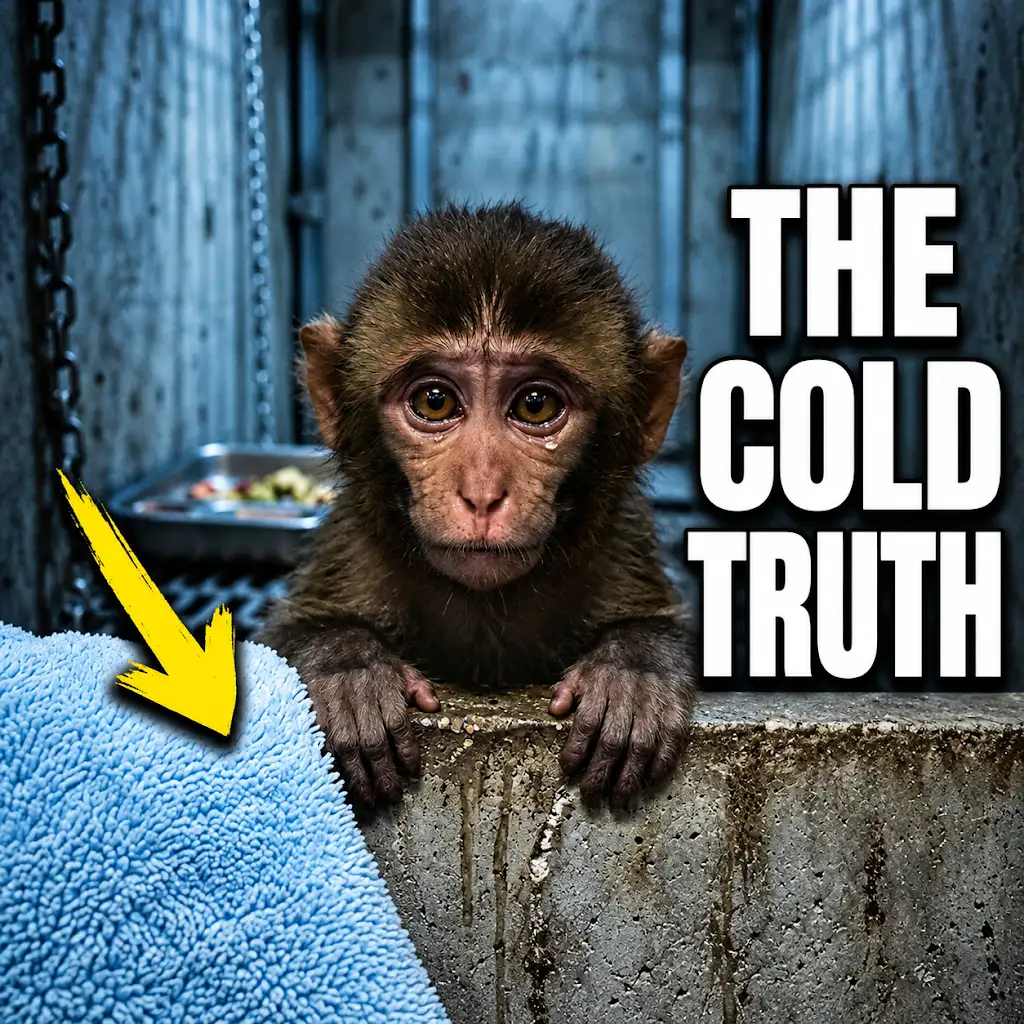
The Dark Reality of the Monkey Comfort Experiment
FAQs
What is the Harlow attachment theory experiment?
The Harlow attachment theory experiment was a series of studies conducted by psychologist Harry Harlow in the 1950s and 1960s to investigate the importance of social and emotional bonds between infants and their caregivers.
What were the key findings of the Harlow attachment theory experiment?
The key findings of the Harlow attachment theory experiment were that infant monkeys preferred contact with a soft, comforting surrogate mother over a wire mother that provided food. This demonstrated that comfort and security were more important to the monkeys than basic needs like food.
How did the Harlow attachment theory experiment impact our understanding of attachment?
The Harlow attachment theory experiment revolutionized our understanding of attachment by showing that the bond between infants and caregivers is based on more than just the provision of basic needs. It highlighted the importance of comfort, security, and emotional connection in forming healthy attachments.
What ethical concerns were raised by the Harlow attachment theory experiment?
The Harlow attachment theory experiment raised ethical concerns due to the emotional distress caused to the infant monkeys, who exhibited signs of severe psychological trauma as a result of the experiments. The use of animals in such studies also sparked debates about the treatment of research subjects.
How has the Harlow attachment theory experiment influenced child-rearing practices?
The Harlow attachment theory experiment has influenced child-rearing practices by emphasizing the importance of emotional bonding, nurturing, and responsive caregiving in promoting healthy attachment relationships between parents and children. It has led to a greater focus on the emotional well-being of children in parenting approaches.