
The subtle currents of a teacher’s belief can ripple through a student’s academic journey, shaping not just their performance but potentially even their cognitive development. This profound influence, often termed the “Pygmalion effect” or ” Rosenthal effect,” highlights how teacher expectations, whether consciously acknowledged or unconsciously held, can become self-fulfilling prophecies. When educators anticipate a student will succeed, that student is more likely to excel, and conversely, lower expectations can inadvertently stifle potential. Understanding this dynamic is crucial for fostering equitable and effective learning environments that nurture every student’s capacity for growth.
The Genesis of Teacher Expectations: Unpacking the Sources
Teacher expectations are not formed in a vacuum. They are the product of a complex interplay of factors, many of which are deeply ingrained and can operate outside of conscious awareness. Identifying these origins is the first step in understanding how they might be directed and, if necessary, reframed to benefit all students.
Perceived Student Characteristics and Prior Performance
One of the most immediate influences on a teacher’s expectations is the information they gather about a student before or at the beginning of their interaction. This can include academic records from previous years, standardized test scores, and even reports from other teachers. Students who have a history of high achievement are often assumed to continue this trajectory, leading to higher expectations. Conversely, students who have struggled academically or demonstrated behavioral challenges might be prematurely categorized as less capable. This reliance on past data, while often practical, risks perpetuating existing inequalities if it doesn’t account for growth and change. A student’s IQ, as measured by tests, can also be a significant factor. A high IQ score can lead to immediate high expectations, while a lower score might, unfortunately, lead to a lowering of those expectations, regardless of the student’s effort or potential for development.
Socioeconomic and Cultural Background
Regrettably, a student’s socioeconomic status and cultural background can also play a role in shaping teacher expectations, often through unconscious biases. Teachers, like all individuals, may hold implicit beliefs about different groups of people. For instance, a teacher might unconsciously associate students from lower socioeconomic backgrounds with lower academic potential or less home support for learning. Similarly, cultural differences in communication styles or learning approaches can be misinterpreted as a lack of understanding or engagement, leading to diminished expectations. These biases, though often unintentional, can create significant barriers for students, preventing them from receiving the encouragement and opportunities they deserve.
Siblings and Family Reputation
The presence of older siblings who have previously attended the school or classroom can also influence a teacher’s initial expectations. A sibling’s academic success or struggles can create a pre-existing narrative about the family’s academic aptitude. A student might be seen as a “chip off the old block,” either positively or negatively, without having had the chance to demonstrate their own individual abilities. This can be particularly impactful in smaller school communities where reputations tend to be more widely known.
Teacher’s Own Experiences and Beliefs
A teacher’s personal educational journey, their own successes and failures, and their broader philosophical beliefs about education and intelligence can also inform their expectations. Teachers who believe that intelligence is fixed and largely innate might be less inclined to hold high expectations for students perceived as having lower cognitive abilities. Conversely, teachers who believe in the plasticity of intelligence and the power of effort and good instruction are more likely to set ambitious goals for all their students. Their own past experiences with students who defied expectations can also foster a more optimistic and growth-oriented outlook.
Research has shown that teacher expectations can significantly influence student performance and even IQ levels. A related article that delves into this topic can be found on Unplugged Psychology, which explores how the beliefs and attitudes of educators can shape the academic outcomes of their students. For more insights on this important subject, you can read the article here: Unplugged Psychology.
The Mechanisms of Influence: How Expectations Translate to Reality
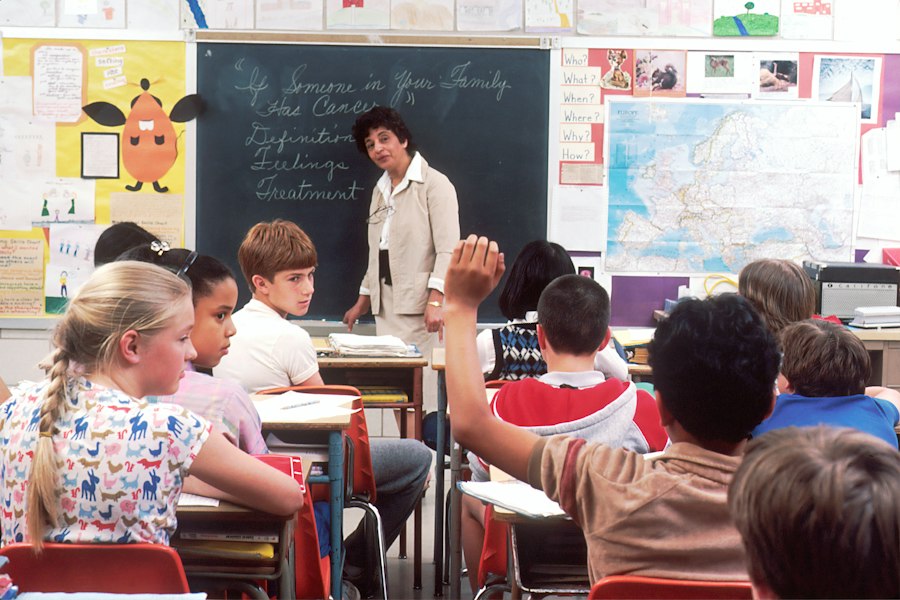
Once formed, teacher expectations are not passive observations; they actively shape the learning environment and the interactions within it. These mechanisms, often subtle, directly impact a student’s engagement, motivation, and ultimately, their academic outcomes and even their perceived IQ.
Differential Treatment and Interaction Patterns
Teachers tend to interact differently with students based on their expectations. This differential treatment can manifest in various ways:
- More Praise and Encouragement: Students with higher expectations often receive more positive reinforcement, including praise for effort and accomplishment, more encouragement to persevere through challenges, and more opportunities to engage in higher-level thinking.
- More Opportunities to Respond: Teachers may call on students they expect to succeed more frequently, allowing them more airtime to demonstrate their understanding. They might also provide more wait time for these students to formulate their answers, signaling that their contributions are valued and anticipated.
- More Challenging Questions and Feedback: Students who are expected to achieve are more likely to be presented with more complex questions that stimulate critical thinking and problem-solving. The feedback provided to these students is often more specific, constructive, and geared towards further growth.
- Less Demanding Tasks: Conversely, students with lower expectations might be given simpler tasks, less challenging questions, and more directed instruction with less emphasis on independent exploration. Feedback might be more general, focusing on completion rather than deep understanding.
- Less Patience and More Criticism: When students with lower expectations struggle, teachers might exhibit less patience, offer more direct criticism, or even jump in to solve the problem for them, inadvertently undermining their opportunity to learn and develop problem-solving skills.
Allocation of Resources and Support
The physical and academic resources a teacher allocates can also be influenced by their expectations. Students perceived as more capable might be steered towards advanced classes, gifted programs, or provided with more challenging enrichment activities. They might also receive more of the teacher’s time and attention for academic support. Conversely, students with lower expectations might be allocated less time for one-on-one assistance, less access to challenging materials, and be steered away from opportunities that could foster their growth.
Non-Verbal Cues and Emotional Tone
Beyond direct verbal interactions, teachers communicate expectations through non-verbal cues. A smile, a nod, eye contact, and an enthusiastic tone of voice can convey belief and encouragement. Conversely, a lack of eye contact, a sigh, a dismissive gesture, or a flat, uninspired tone can communicate disinterest or a lack of faith. These subtle signals, often picked up by students unconsciously, can significantly impact their self-perception and motivation. A student who consistently receives non-verbal cues of disinterest or doubt may begin to internalize these messages, affecting their confidence and willingness to engage.
The “Fairness” Trap
Teachers often strive for fairness, but this can sometimes lead to an unintended consequence. In an effort to be “fair” by not overburdening students perceived as struggling, a teacher might inadvertently limit their exposure to challenging material. This can create a situation where all students are performing at a level that matches the teacher’s adjusted expectations, rather than pushing towards their full potential. The very act of trying to be equitable can, in some cases, lead to a narrowing of opportunity.
Impact on Student IQ and Cognitive Development: Beyond Grades
The influence of teacher expectations extends beyond immediate academic performance, potentially impacting a student’s underlying cognitive abilities and their long-term intellectual growth. While IQ is often viewed as a relatively stable measure, research suggests it is not entirely fixed and can be influenced by environmental factors, including the educational experiences fostered by teacher expectations.
Growth Mindset vs. Fixed Mindset
Teacher expectations play a critical role in fostering either a growth mindset or a fixed mindset in students. A growth mindset, characterized by the belief that intelligence and abilities can be developed through dedication and hard work, is fostered when teachers express confidence in a student’s potential for improvement, even when they face challenges. When teachers hold high expectations, they implicitly communicate that effort is valuable and that setbacks are opportunities for learning. This encourages students to embrace challenges, persist in the face of obstacles, and view mistakes as stepping stones rather than indictments of their intelligence.
Conversely, a fixed mindset, where individuals believe their intelligence is a static trait, can be inadvertently cultivated by teachers who have low expectations or focus solely on innate ability. If a student is consistently given easier tasks or receives minimal challenging feedback, they may come to believe that they are simply not capable of more. This can lead to a reluctance to engage in difficult tasks, a fear of failure, and a reduced drive to learn and expand their cognitive horizons. Over time, this can limit the development of crucial problem-solving skills and a willingness to tackle complex intellectual problems, potentially impacting measures of fluid intelligence and reasoning.
Development of Self-Efficacy and Motivation
A student’s belief in their own ability to succeed, known as self-efficacy, is deeply intertwined with teacher expectations. When teachers demonstrate confidence in a student’s capabilities, they bolster that student’s self-efficacy. This increased confidence can lead to greater motivation, a willingness to take academic risks, and a more proactive approach to learning. Students who believe they can succeed are more likely to put forth the effort required to achieve their goals, thereby reinforcing the positive cycle of high expectations and high achievement.
Conversely, a lack of perceived support or consistent low expectations can erode a student’s self-efficacy. This can lead to demotivation, a sense of learned helplessness, and a reduced desire to engage in academic pursuits. If a student internalizes the message that they are not expected to succeed, they may cease to try, thereby fulfilling the prophecy. This can create a self-perpetuating cycle of low achievement and diminished cognitive engagement.
The Role in IQ Measurement and Potential
While IQ tests are designed to measure a range of cognitive abilities, they are also influenced by a student’s familiarity with the test format, their level of comfort and confidence, and their willingness to engage with the questions. A student who has been consistently encouraged, challenged appropriately, and fostered a growth mindset is more likely to approach an IQ test with confidence and a willingness to apply their cognitive skills. They are more likely to persevere through difficult questions and utilize effective problem-solving strategies.
Conversely, a student who has experienced consistently low expectations, been discouraged from taking risks, or developed a fixed mindset may exhibit lower performance on IQ tests, not necessarily due to a lack of underlying potential, but due to a lack of confidence, a fear of failure, or a learned disengagement from challenging cognitive tasks. The very environment that discourages intellectual exploration can limit the opportunities for the cognitive skills measured by IQ tests to develop and be demonstrated. Therefore, while IQ may not be directly “raised” by a teacher’s expectations in a simple causal way, the educational environment that high expectations foster can create the optimal conditions for a student’s cognitive abilities to flourish and be expressed more fully.
Strategies for Educators: Cultivating High Expectations for All
Recognizing the profound impact of teacher expectations necessitates a proactive approach to ensure that these expectations are uniformly high and supportive for every student. This involves self-awareness, intentional instructional practices, and a commitment to creating an equitable learning environment.
Self-Reflection and Bias Awareness
The first and perhaps most crucial step for educators is to engage in honest self-reflection about their own biases and assumptions. This involves actively questioning:
- Where do my expectations for this student come from? Are they based on objective evidence of current ability and effort, or on preconceptions related to background, previous performance, or other external factors?
- Am I treating all students equitably in terms of opportunities to learn and demonstrate understanding?
- What are my implicit beliefs about intelligence and the capacity for growth in students who struggle?
Workshops and professional development focused on implicit bias and culturally responsive pedagogy can provide valuable tools and frameworks for this critical self-examination. Regularly seeking feedback from colleagues or mentors can also offer external perspectives on one’s interactions and expectations.
Growth-Oriented Pedagogy and Instruction
Adopting a growth-oriented pedagogical approach is paramount. This involves:
- Emphasizing Effort and Process: Focusing praise and feedback on the effort students exert, the strategies they employ, and the learning process, rather than solely on innate ability or natural talent. Phrases like “You worked really hard on that,” or “I see how you used that new strategy to solve the problem,” are more impactful than “You’re so smart.”
- Providing Challenging but Achievable Tasks: Ensuring that all students are presented with tasks that are appropriately challenging, pushing them beyond their comfort zone while providing the necessary scaffolding and support to ensure eventual success. This means differentiating instruction not by lowering expectations, but by providing varied pathways and supports to reach a common high standard.
- Constructive and Specific Feedback: Offering feedback that is actionable, specific, and focused on future improvement. Instead of simply saying “good job” or “try harder,” provide concrete suggestions for how a student can improve their work or understanding.
- Creating Opportunities for Risk-Taking and Mistakes: Fostering a classroom culture where mistakes are viewed as valuable learning opportunities. Encourage students to ask questions, explore different approaches, and learn from their errors without fear of judgment.
Building Positive Relationships and Communicating Belief
Beyond instructional strategies, the teacher-student relationship is a powerful conduit for communicating expectations.
- Active Listening and Validation: Genuinely listening to students’ concerns and ideas, and validating their efforts and contributions, even when they are not perfectly executed.
- Clear and Consistent Communication of Belief: Directly and indirectly communicating to all students that you believe in their ability to learn and grow. This can be done through verbal affirmations, encouraging notes, and consistent opportunities for them to demonstrate their understanding.
- Positive Framing of Challenges: Presenting challenges not as insurmountable obstacles, but as opportunities for growth and learning. Frame difficulties as a normal part of the learning process that can be overcome with perseverance and the right strategies.
Research has shown that teacher expectations can significantly impact students’ academic performance and even their IQ levels. A related article discusses how the beliefs educators hold about their students can shape not only their learning experiences but also their self-perception and motivation. For more insights on this topic, you can read the article on the effects of teacher expectations on student outcomes at Unplugged Psychology. Understanding these dynamics is crucial for fostering a positive learning environment that encourages all students to reach their full potential.
The Societal Implications: Fostering Equitable Futures
| Study | Sample Size | Teacher Expectation Intervention | Effect on IQ Scores | Key Findings |
|---|---|---|---|---|
| Rosenthal & Jacobson (1968) | 18 classrooms, 650 students | Teachers told certain students were “bloomers” | IQ increase of 5-8 points in “bloomers” | Teacher expectations can positively influence student IQ scores |
| Jussim & Harber (2005) | Meta-analysis of 100+ studies | Review of teacher expectation effects | Small to moderate effect sizes (r = 0.1 to 0.3) | Expectations influence academic performance, less direct on IQ |
| Good & Brophy (2000) | Multiple classroom observations | Teacher expectations measured via surveys | Positive correlation with student achievement gains | Expectations affect motivation and learning, indirectly impacting IQ |
| Raudenbush (1984) | Longitudinal study, 200 students | Teacher expectation manipulation | No significant direct effect on IQ scores | Teacher expectations more influential on behavior than IQ |
The influence of teacher expectations extends far beyond individual classrooms, carrying significant implications for broader societal equity and the development of a capable and engaged citizenry. Addressing and consciously shaping these expectations is not merely an educational best practice; it is a societal imperative.
Addressing Achievement Gaps and Promoting Social Mobility
When teacher expectations are consistently lower for certain demographic groups, it directly contributes to achievement gaps. These gaps, in turn, can limit opportunities for higher education, well-paying jobs, and overall social mobility. By deliberately cultivating high expectations for all students, regardless of their background, educators can play a vital role in dismantling systemic barriers and creating a more equitable playing field. This can lead to a more diverse and representative professional landscape and a society where talent and merit are more fully recognized and utilized.
Nurturing Future Innovators and Leaders
Every student possesses unique potential, and the intellectual curiosity and problem-solving skills that drive innovation and leadership can be nurtured or stifled by the environment they experience in school. When teachers believe in and challenge all students, they are more likely to foster the critical thinking, creativity, and resilience that are essential for future success. A system that inadvertently limits the cognitive development of a segment of its population is essentially limiting its own future capacity for progress and discovery.
The Importance of Teacher Training and Ongoing Professional Development
The continuous reinforcement of these principles through teacher training and ongoing professional development is critical. Pre-service teacher education programs must prioritize the study of educational psychology, implicit bias, and culturally responsive pedagogy. In-service educators need access to regular professional development opportunities that reinforce these concepts, provide practical strategies, and offer spaces for collaboration and shared learning. Investing in teachers’ understanding and application of high-expectation principles is an investment in the future intellectual capital of society. Ultimately, by recognizing and actively managing the powerful influence of teacher expectations, educational systems can move closer to realizing the full potential of every student, fostering a more just, innovative, and prosperous future for all.

The Famous IQ Study That Fooled the World
FAQs
What is the impact of teacher expectations on students’ IQ?
Research has shown that teacher expectations can have a significant effect on students’ IQ. When teachers have high expectations for their students, they tend to perform better academically and show higher IQ scores compared to students whose teachers have lower expectations.
How do teacher expectations influence students’ performance?
Teacher expectations can influence students’ performance by shaping their self-perception and confidence. When teachers believe in their students’ abilities and provide them with challenging tasks, students are more likely to push themselves and strive for success, ultimately leading to improved performance and higher IQ scores.
Can teacher expectations impact students’ motivation?
Yes, teacher expectations can impact students’ motivation. When teachers have high expectations for their students, it can motivate them to work harder, set higher goals, and persist in the face of challenges. On the other hand, low teacher expectations can demotivate students and lead to lower levels of effort and engagement.
Are there any long-term effects of teacher expectations on students’ IQ?
Yes, there are long-term effects of teacher expectations on students’ IQ. Students who have experienced high teacher expectations throughout their academic career are more likely to develop a growth mindset, resilience, and a strong work ethic, which can positively impact their IQ and overall academic success in the long run.
How can teachers cultivate high expectations for their students?
Teachers can cultivate high expectations for their students by providing them with challenging tasks, offering constructive feedback, fostering a growth mindset, and creating a supportive and inclusive learning environment. By believing in their students’ potential and providing them with the necessary resources and encouragement, teachers can help students reach their full academic potential and improve their IQ.