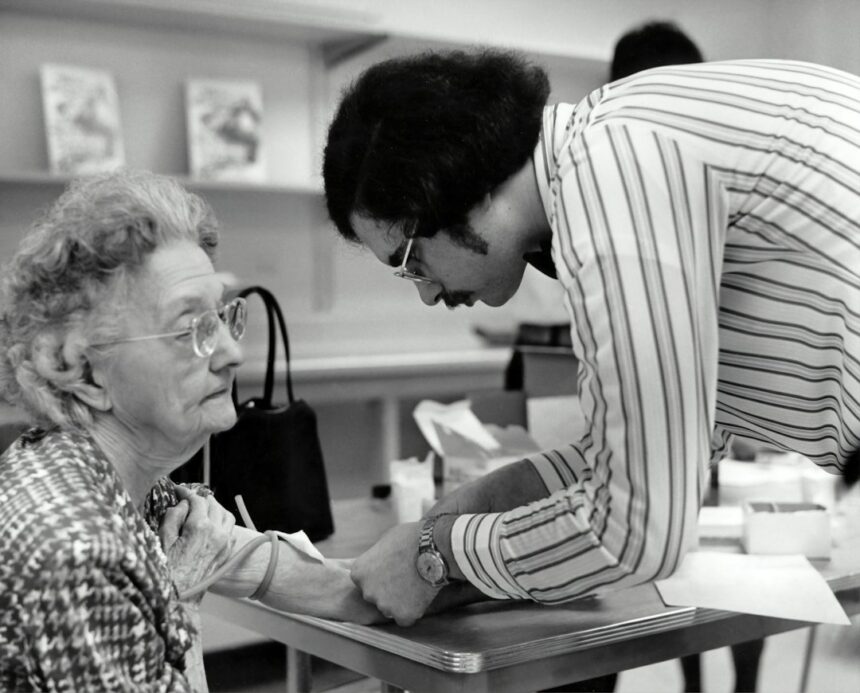
Teacher perception, a complex tapestry woven from experience, personal biases, and pedagogical philosophies, plays a profound and often underestimated role in how educators assess the abilities of their students. This intricate interplay between what a teacher believes about a student’s potential and how they measure that potential can significantly shape a student’s academic trajectory, influencing not only their grades and placement but also their self-efficacy and motivation. Understanding this phenomenon is crucial for fostering equitable and accurate assessments that truly reflect a student’s capabilities.
The Lens of Expectation: How Beliefs Shape Perception
The foundational element of teacher perception lies in the expectations they hold for their students. These expectations are not formed in a vacuum; they are influenced by a multitude of factors, including prior academic records, socioeconomic background, cultural cues, and even initial impressions. Once formed, these expectations act as a lens through which students’ performances are interpreted. Research consistently demonstrates the existence of the Pygmalion effect, a phenomenon where higher expectations lead to an increase in performance, and the Golem effect, where lower expectations lead to a decrease in performance. Teachers, consciously or unconsciously, may exhibit behaviors that align with their expectations.
Unpacking the Origins of Teacher Expectations
Teacher expectations are shaped by a confluence of internal and external forces. Internally, a teacher’s own academic background, their experiences with different learning styles, and their personal values regarding intelligence and effort contribute to their initial beliefs. For instance, a teacher who believes that intelligence is fixed might be quicker to label a struggling student as having limited capacity, whereas a teacher who believes in the power of growth mindset might see challenges as opportunities for learning. Externally, factors such as information provided by previous teachers, parental input, and even the student’s appearance or demeanor can subtly influence initial perceptions. The socio-economic and cultural backgrounds of students can also inadvertently trigger biases, leading to different expectations based on stereotypes rather than individual merit.
The Subtle Dance of Behavior and Expectation
The impact of these expectations is often communicated through subtle, non-verbal cues and differential treatment. Teachers with high expectations might offer more encouragement, provide more detailed feedback, ask more challenging questions, and offer more opportunities for participation. Conversely, teachers with low expectations might provide less attention, offer more simplistic explanations, call on students less frequently, and be more inclined to accept superficial responses. This differential treatment can create a self-fulfilling prophecy, where students internalize the subtle messages they receive and adjust their behavior and effort accordingly. A student who is consistently overlooked or given less challenging tasks might, over time, begin to believe they are incapable of more, leading to a genuine decrease in their demonstrated ability.
In exploring the intricate relationship between teacher perception and student ability, a relevant article can be found at Unplugged Psychology. This article delves into how educators’ beliefs about their students’ capabilities can significantly influence academic outcomes, highlighting the importance of fostering positive perceptions to enhance student performance. By understanding the dynamics of teacher perceptions, we can better address the needs of diverse learners and promote a more equitable educational environment.
The Measurement Maze: How Perception Influences Assessment

The way teachers perceive a student’s ability directly impacts the methods they choose to assess that ability and how they interpret the results. This influence can manifest in various aspects of the assessment process, from the types of questions asked to the grading criteria employed. Objective measures can be skewed by subjective interpretations, and the very definition of “ability” can be unconsciously narrowed or broadened by the teacher’s preconceived notions.
Selecting the Instruments of Evaluation
The choice of assessment tools is often a reflection of a teacher’s underlying beliefs about what constitutes important knowledge and skills. A teacher who prioritizes rote memorization might favor multiple-choice tests, while one who values critical thinking might lean towards essay questions or project-based assessments. More importantly, a teacher’s perception of a student’s potential can influence the rigor of the assessment. For a student perceived as high-achieving, a teacher might design more complex problems or higher-level thinking tasks. For a student perceived as struggling, the tasks might be simplified, potentially limiting the demonstration of their full capabilities.
The Subjectivity of Scoring and Feedback
Even with standardized grading rubrics, subjectivity inevitably creeps into the assessment process. A teacher’s perception of a student can influence how they interpret the quality of a response. For example, a teacher might be more forgiving of minor errors from a student they believe is trying hard, or conversely, be more critical of similar errors from a student they perceive as less diligent. The feedback provided is also subject to this influence. Encouraging and constructive feedback can be more readily given to students with positive perceptions, while more critical or less detailed feedback might be offered to those with negative perceptions. This feedback loop is critical; it not only informs the student about their performance but also reinforces or challenges the teacher’s initial perception, perpetuating the cycle.
Navigating Biases: Unconscious Influences on Assessment
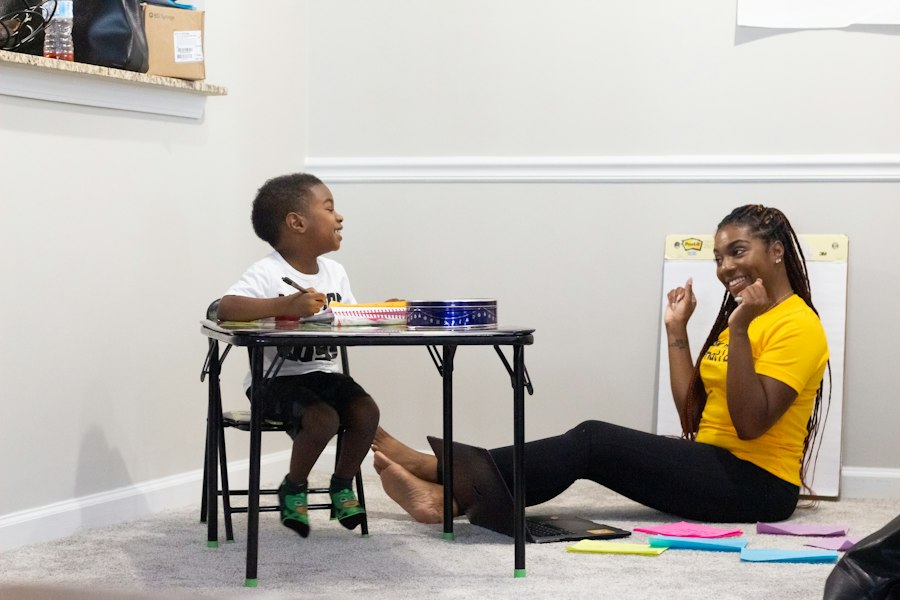
The impact of teacher perception on student assessment is often amplified by the presence of unconscious biases. These ingrained, often unintentional, preferences and prejudices can color judgment and lead to inequitable evaluations, even when teachers strive for objectivity. Recognizing and addressing these biases is a critical step towards fairer assessment practices.
Implicit Associations and Stereotypes
Implicit biases are unconscious associations that individuals hold about different groups of people. These associations can be triggered by a person’s race, gender, socioeconomic status, or other demographic characteristics. For example, a teacher might unconsciously associate certain learning difficulties with students from particular backgrounds, leading them to misinterpret a student’s struggles as a lack of ability rather than a need for specific support. These biases can lead to differential expectations and, consequently, differential assessments. A student might be perceived as less capable simply because they fit a stereotype, irrespective of their actual skills or effort.
Confirmation Bias in the Classroom
Confirmation bias is the tendency to seek out, interpret, and remember information that confirms one’s pre-existing beliefs. In the context of teacher perception and assessment, this means that once a teacher forms an initial opinion about a student’s ability, they may be more likely to notice and remember instances that support that opinion, while overlooking or downplaying evidence that contradicts it. If a teacher believes a student is not strong in mathematics, they might focus on a single incorrect answer on a test and forget the several correct ones, or they might attribute a correct answer to luck rather than understanding. This can create a distorted picture of the student’s true mathematical ability.
Strategies for Mitigating the Impact of Perception
Recognizing the powerful influence of teacher perception on student ability assessment is the first step towards implementing effective mitigation strategies. By fostering self-awareness and adopting deliberate practices, educators can strive for more objective and equitable evaluations.
Promoting Self-Awareness and Reflective Practice
The cornerstone of addressing perceptual bias is cultivating self-awareness among educators. This involves encouraging teachers to reflect on their own beliefs, biases, and how these might be influencing their interactions with and assessments of students. Professional development opportunities that focus on implicit bias training and the psychology of perception can be invaluable. Regular self-reflection, perhaps through journaling or peer discussions, can help teachers identify patterns in their grading or feedback that might be linked to their perceptions of certain students or groups of students. This ongoing introspection is crucial for dismantling ingrained biases.
Embracing Objective Assessment Methods and Calibration
While complete objectivity is an ideal, educators can strive for greater objectivity in assessment by employing a variety of evidence-based methods and engaging in calibration. Utilizing a diverse range of assessment tools, including formative assessments that provide ongoing feedback, standardized tests where appropriate, and performance-based tasks, can offer a more comprehensive picture of student ability. Furthermore, teachers can engage in calibration exercises with colleagues, where they review student work samples and discuss their grading to ensure consistency and fairness. This collaborative approach helps to identify and correct individual biases that might be influencing scoring.
Focusing on Growth and Potential Rather Than Static Labels
A fundamental shift in approach involves moving away from labeling students based on perceived static abilities and towards recognizing and nurturing their growth potential. This aligns with a growth mindset philosophy, where intelligence and ability are seen as malleable and capable of development through effort and learning. When teachers focus on a student’s progress over time, celebrate effort, and provide targeted support for areas of weakness, the assessment process becomes a tool for improvement rather than a judgment of innate capacity. This shift in focus can empower students and unlock greater potential.
Research has shown that teacher perception can significantly influence student ability and performance in the classroom. A fascinating article that delves into this topic is available on Unplugged Psychology, which explores how educators’ beliefs about their students can shape learning outcomes. You can read more about this important connection in the article here. Understanding these dynamics can help in fostering a more supportive educational environment that recognizes and nurtures each student’s potential.
The Broader Implications: Equity, Motivation, and Future Pathways
| Teacher | Student Ability Level | Perceived Strengths | Perceived Challenges | Confidence in Student Success (%) |
|---|---|---|---|---|
| Ms. Johnson | High | Critical thinking, problem-solving | Time management | 90 |
| Mr. Lee | Medium | Creativity, collaboration | Focus, consistency | 75 |
| Mrs. Smith | Low | Motivation, enthusiasm | Reading comprehension, attention | 50 |
| Mr. Patel | High | Analytical skills, leadership | Public speaking | 85 |
| Ms. Garcia | Medium | Writing, teamwork | Math skills | 70 |
The impact of teacher perception on student ability assessment extends far beyond the classroom walls, shaping not only individual academic journeys but also contributing to broader issues of educational equity and student motivation. When assessments are influenced by flawed perceptions, the consequences can ripple outwards, affecting a student’s self-belief, their access to opportunities, and ultimately, their future life chances.
Fostering Educational Equity and Inclusion
One of the most significant implications of unchecked teacher perception is its contribution to educational inequity. When students from marginalized backgrounds are consistently underestimated due to implicit biases or stereotypical expectations, they are less likely to receive the same level of support, challenge, and encouragement as their peers from more privileged backgrounds. This can lead to a widening achievement gap and perpetuate cycles of disadvantage. Conversely, a conscious effort to challenge these perceptions and implement fair assessment practices can be a powerful tool for promoting educational equity, ensuring that all students have the opportunity to demonstrate their abilities and reach their full potential, regardless of their background.
The Crucial Role in Student Motivation and Self-Efficacy
A student’s perception of their own ability, their self-efficacy, is profoundly shaped by the feedback they receive from their teachers. When teachers convey belief in a student’s capacity through their assessments and interactions, it fosters a sense of competence and motivates the student to persevere. Conversely, assessments that are perceived as unfair, overly critical, or indicative of low expectations can erode a student’s self-confidence and lead to disengagement. A student who consistently receives low grades, even if they are making an effort, may begin to believe they are simply “not good at” a subject, leading to a decline in motivation and a reluctance to try. Therefore, accurate and perception-informed assessments are vital for nurturing a student’s intrinsic motivation and their belief in their own capabilities.
Shaping Future Academic and Career Pathways
The way a student’s abilities are assessed can significantly influence their future academic and career pathways. Placement in gifted programs, advanced courses, or remedial interventions are often determined by assessment results. If these assessments are skewed by teacher perception, students may be misdirected into pathways that do not align with their true strengths or potential. A student who is unfairly placed in a lower-level track may miss out on opportunities to develop advanced skills, while another who is pushed into a more challenging program without adequate support may struggle and become discouraged. Therefore, ensuring that ability assessments are as objective and accurate as possible is paramount to guiding students towards the most appropriate and beneficial educational and career opportunities.
The Famous IQ Study That Fooled the World
FAQs
What factors influence a teacher’s perception of a student’s ability?
Teachers’ perceptions of students’ abilities can be influenced by various factors, including academic performance, behavior in the classroom, interactions with the teacher, and prior knowledge of the student’s background.
Can a teacher’s perception of a student’s ability impact the student’s academic performance?
Yes, a teacher’s perception of a student’s ability can have a significant impact on the student’s academic performance. Research has shown that when teachers have low expectations for a student, the student may internalize these beliefs and perform accordingly.
How can teachers ensure that their perceptions of students’ abilities are accurate and unbiased?
Teachers can strive to ensure that their perceptions of students’ abilities are accurate and unbiased by using a variety of assessment methods, providing constructive feedback, building positive relationships with students, and being aware of their own biases and assumptions.
Do teachers’ perceptions of students’ abilities vary based on the students’ backgrounds or demographics?
Yes, teachers’ perceptions of students’ abilities can vary based on the students’ backgrounds or demographics. Research has shown that unconscious biases can influence how teachers perceive and interact with students from different racial, ethnic, or socioeconomic backgrounds.
How can teachers support students whose abilities may not align with their initial perceptions?
Teachers can support students whose abilities may not align with their initial perceptions by providing differentiated instruction, offering additional resources or support, fostering a growth mindset, and encouraging a positive learning environment where all students feel valued and capable of success.