
When the ground shakes, the air fills with smoke, or the unthinkable happens, your first instinct, often before you even consciously process the danger, is to look for another face. It’s a primal urge, deeply ingrained in our biology and amplified by our social nature. You don’t just see a crisis; you feel it, and in that feeling, a powerful current pulls you towards others. This isn’t a weakness; it’s a testament to the profound and often underestimated power of social support in emergencies.
You might be surprised by how quickly your mind shifts from self-preservation to connection. It’s not just about finding a rescuer; it’s about finding a shared experience, a common thread of humanity in the face of chaos. This article will explore why you instinctively reach out, what makes that social connection so vital, and how it shapes your response and recovery when disaster strikes. You’ll discover that in those moments of extremis, the presence of another human being is not merely a comfort; it is a fundamental component of your survival and resilience.
The Biological Imperative: Our Social Brain in Crisis
You were not built for solitude, especially when the world around you crumbles. Your brain, in fact, is hardwired for social interaction, and this wiring becomes even more pronounced when you perceive a threat. Think about it: when you’re alone and something startling occurs – a sudden loud noise, a shadow moving out of the corner of your eye – your immediate reaction is often to scan your surroundings for another person. This isn’t mere habit; it’s a biological imperative.
The Evolutionary Advantage of Group Survival
For eons, human survival has been a collective endeavor. Imagine our earliest ancestors. A lone individual facing a predator or a natural disaster would have had a significantly lower chance of survival than a group. This fundamental truth is etched into our evolutionary blueprint. When you face an emergency, your brain activates ancient survival mechanisms, and one of the most potent is the drive to seek out and connect with your group. This isn’t about conscious decision-making; it’s a rapid, instinctual response that bypasses your rational thought processes. Your amygdala, the brain’s fear center, triggers a cascade of responses, and one of these includes a heightened sensitivity to the presence and reactions of others. You are essentially looking for allies, for confirmation that you are not alone in facing the danger, and for the potential of collective action.
The Neurochemical Rush of Connection
When you find yourself in distress and you connect with another person, your brain releases a cocktail of neurochemicals that can profoundly impact your physiological and psychological state. Oxytocin, often dubbed the “bonding hormone” or “love hormone,” plays a crucial role. It’s released during social bonding, touch, and even eye contact. In an emergency, the release of oxytocin can help to reduce stress and anxiety, fostering a sense of calm and connection that can override the debilitating effects of fear. This isn’t just a fluffy emotional response; it has tangible physiological benefits. Oxytocin can lower blood pressure and heart rate, counteracting the fight-or-flight response that can otherwise overwhelm your system. Furthermore, the shared experience and mutual reassurance can trigger the release of endorphins, your body’s natural painkillers, which can help to mitigate physical discomfort and shock. This neurochemical synergy is a powerful force, making you more resilient and capable of responding effectively even when facing significant adversity.
The Mirror Neuron System: Empathy as a Survival Tool
You possess a remarkable network of neurons called mirror neurons. These neurons fire not only when you perform an action but also when you observe someone else performing the same action. This system is the bedrock of empathy, allowing you to understand and share the feelings of others. In an emergency, your mirror neuron system is on high alert. When you see someone else in distress, your brain mirrors their emotional state, which can galvanize you to act. Conversely, when you see someone else exhibiting calm or taking action, your brain can mirror that response, helping you to regulate your own emotions and adopt a more constructive approach. This empathetic connection isn’t just about feeling what others feel; it’s about creating a shared understanding and a collective drive to overcome the challenge. It’s this shared emotional landscape that transforms individual fear into a unified response.
In times of crisis, individuals often look to others for cues on how to respond, a phenomenon known as social proof. This behavior can be traced back to our evolutionary instincts, where following the actions of others could enhance survival. For a deeper understanding of this concept and its implications in emergency situations, you can read the insightful article on the psychology of social behavior at Unplugged Psychology. This resource explores the dynamics of group behavior and the reasons behind our reliance on others during critical moments.
The Psychological Anchor: Navigating the Emotional Storm
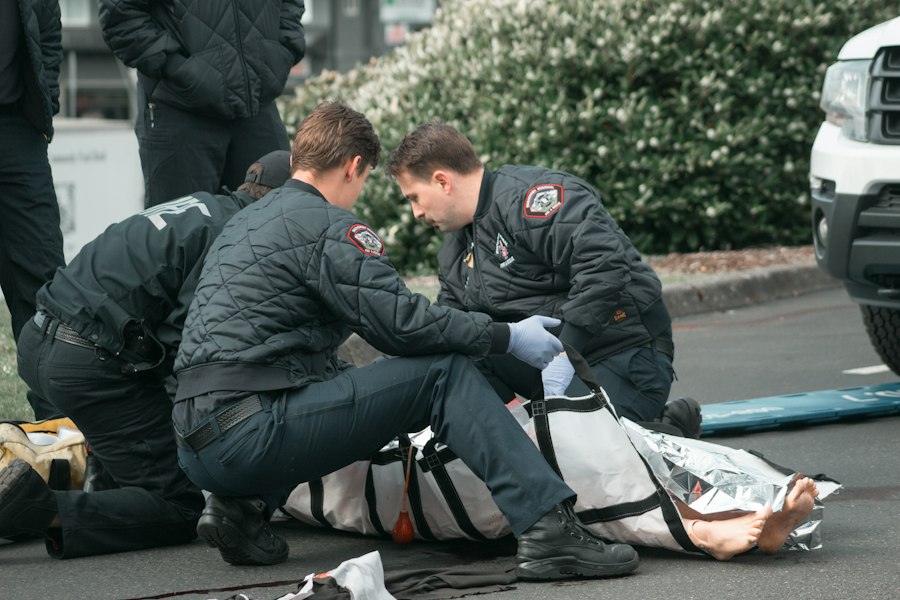
Beyond the biological underpinnings, the psychological impact of social support in emergencies is immense. When your world is turned upside down, the familiar anchors of routine and predictability are gone. It is in these moments that the presence of other people acts as a vital psychological anchor, providing stability, validation, and a pathway towards coping and recovery.
Reducing the Terror of Isolation
The sheer terror of being alone in an emergency cannot be overstated. The absence of other human beings amplifies feelings of vulnerability, helplessness, and profound fear. You might question your reality, doubt your ability to cope, and feel utterly abandoned. Social support acts as a powerful antidote to this isolation. Simply knowing that others are present, that you are part of a shared experience, can significantly diminish the perceived threat. The shared glances, the murmured words of reassurance, the physical contact – all these create a buffer against the overwhelming psychological impact of being alone. You are no longer an isolated individual facing an insurmountable problem; you are part of a collective, and that shared identity provides a sense of strength and belonging.
Validation and Shared Reality
In the aftermath of a crisis, your perception of reality can become fractured. The events you have witnessed may seem surreal, and it can be difficult to process the magnitude of what has happened. This is where social validation becomes crucial. When you share your experiences with others who have also lived through the emergency, you find confirmation of your own perceptions. Hearing others describe what they saw, felt, and heard helps to solidify your understanding of the event and validates your emotional responses. This shared reality is essential for processing trauma. Without it, you might doubt your own memories or feel as though you are going crazy. The collective recounting and interpretation of events helps to construct a coherent narrative, which is a fundamental step in moving from shock and confusion towards acceptance and healing.
The Comfort of Familiarity and Trust
In times of extreme stress, the comfort of familiarity and trust becomes a lifeline. When you are surrounded by loved ones, friends, or even trusted community members, you can access a deep well of emotional support that is uniquely tailored to your needs. The shared history and established relationships provide a foundation of security and understanding that is difficult to replicate with strangers. You know that these people care about you, that they have your best interests at heart, and that they will offer genuine comfort and assistance. This familiarity reduces the cognitive load of having to navigate social interactions with unknown individuals and allows you to focus on the immediate challenges. The implicit trust that exists within these relationships allows for greater vulnerability, enabling you to express your fears and anxieties more openly, which is a crucial part of emotional processing and recovery.
The Practical Advantage: Collective Action and Problem-Solving
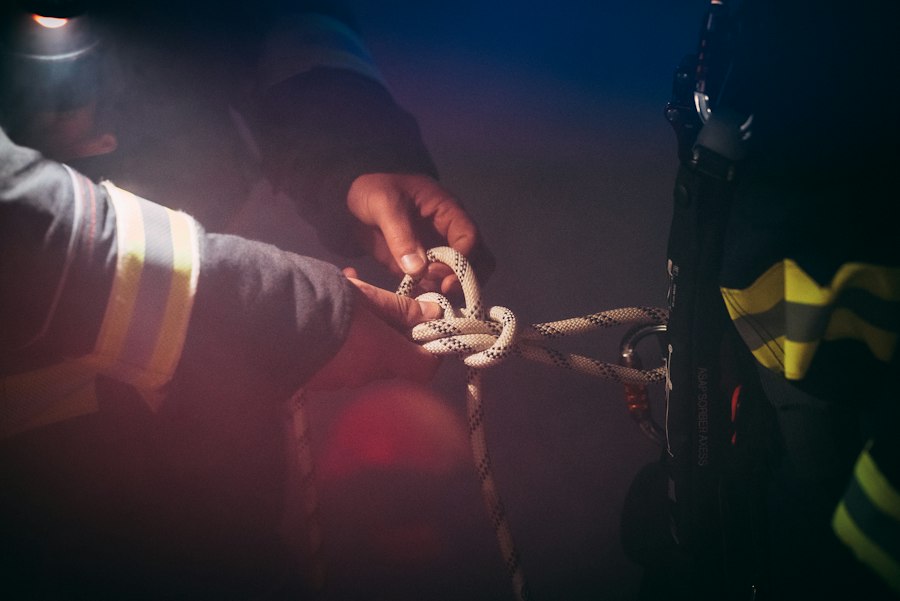
While the emotional and biological aspects of social support in emergencies are undeniable, the practical benefits of collective action and shared problem-solving are equally critical. When faced with a crisis, the combined knowledge, skills, and resources of a group far outweigh the capabilities of any single individual.
Synergy in Response and Rescue Efforts
In many emergency situations, rapid and coordinated action is essential for survival and minimizing harm. You might not have the specific skills needed to address a particular problem, but someone else in your group might. Perhaps one person has medical training, another is adept at navigating, and another possesses a strong understanding of structural integrity. When you work together, these diverse skills create a synergistic effect, enabling the group to accomplish tasks that would be impossible for individuals to achieve alone. This can range from immediate rescue efforts, such as freeing someone trapped, to organizing safe shelter, distributing resources, or signaling for professional help. The collective intelligence and varied skill sets within a group significantly enhance the overall effectiveness of the response.
Resource Pooling and Distribution
Emergencies often lead to scarcity of essential resources like food, water, medicine, and shelter. When you are part of a social group, you can pool whatever resources you individually possess. This could mean sharing a limited supply of water, pooling together meager food provisions, or combining personal belongings to create makeshift shelter. Furthermore, a group can collaboratively identify and access resources that might be overlooked by an individual. This might involve knowing where to find potable water, identifying safe routes for evacuation, or locating emergency supplies that have been stockpiled. The efficient pooling and distribution of these vital resources can mean the difference between life and death for many individuals within the group.
Information Sharing and Collective Decision-Making
In the fog of an emergency, accurate information is a precious commodity. Rumors can spread like wildfire, leading to panic and poor decisions. A social group, however, provides a built-in mechanism for information sharing and collaborative decision-making. Individuals can relay observations, share snippets of news they’ve heard, and collectively assess the situation. This shared information pool allows for a more accurate understanding of the risks and challenges. Moreover, group discussions, even informal ones, can lead to more robust and considered decisions than those made in isolation. Different perspectives can be considered, potential consequences debated, and a consensus reached, increasing the likelihood of making the most effective choices for the survival and well-being of the group.
The Long Road to Recovery: Social Support as a Healing Balm
The immediate aftermath of an emergency is often just the beginning of a long and arduous journey towards recovery. The physical and psychological wounds can linger, and it is during this extended period that the consistent and unwavering support of others becomes paramount.
Mitigating the Trauma of Post-Disaster Stress
The trauma experienced during an emergency can manifest in various ways, including post-traumatic stress disorder (PTSD), anxiety, depression, and complicated grief. Social support acts as a vital buffer against these debilitating effects. Knowing that you have people who will listen without judgment, who will offer comfort and understanding, and who will be there for you through the difficult days, weeks, and months ahead is incredibly healing. This consistent emotional presence helps to normalize your experiences, reduce feelings of isolation, and provide the encouragement needed to confront and process the trauma. It’s not about having someone “fix” you, but about having someone walk alongside you on the path to healing.
Rebuilding a Sense of Normalcy and Purpose
Emergencies often strip away the familiar routines and structures that define your daily life. Rebuilding a sense of normalcy and purpose can be a slow and challenging process. Social support plays a crucial role in this reconstruction. It can involve practical assistance, such as helping you find new housing, assisting with the rebuilding of your home, or providing emotional support as you navigate bureaucratic processes. Beyond practicalities, it’s about reconnecting with your community, re-establishing social bonds, and finding renewed meaning in your life. Participating in community recovery efforts, supporting others who are also struggling, and simply engaging in shared activities can help you regain a sense of agency and purpose, which are essential for long-term well-being.
Fostering Resilience and Future Preparedness
The experience of facing an emergency and emerging from it, even with scars, can foster remarkable resilience. Social support is a key ingredient in this process. By witnessing the strength and resilience of others, and by receiving support yourself, you learn that you are capable of overcoming adversity. This shared experience of survival can forge unbreakable bonds and create a stronger, more cohesive community. Furthermore, the collective experience can inform future preparedness. As a group, you can learn from what happened, identify areas for improvement in your community’s response plan, and develop stronger social networks that will be even more valuable in the face of future challenges. The power of social support isn’t just about surviving the present crisis; it’s about building a more resilient future for everyone involved.
In times of crisis, it is common for individuals to look to others for guidance and reassurance, a phenomenon that can be explained by social influence and the desire for safety. This behavior is often rooted in our evolutionary history, where relying on group dynamics increased chances of survival. For a deeper understanding of this concept, you can explore the article that discusses the psychological aspects of our responses in emergencies. The insights provided can shed light on why we instinctively turn to those around us during critical moments. To read more about this intriguing topic, visit this article.
The Universal Language of Aid: When Strangers Become Allies
| Reason | Description | Example Metric | Typical Value |
|---|---|---|---|
| Social Proof | People look to others to determine appropriate behavior in uncertain situations. | Percentage of individuals who follow crowd behavior in emergencies | 70-85% |
| Information Gathering | Observing others helps gather information about the nature and severity of the emergency. | Average time spent observing others before acting (seconds) | 5-15 seconds |
| Diffusion of Responsibility | Individuals may hesitate to act, expecting others to take charge. | Likelihood of helping decreases by % per additional bystander | 10-15% decrease per additional bystander |
| Emotional Support | Looking to others provides reassurance and reduces panic. | Reported anxiety reduction when in groups (%) | 40-60% |
| Coordination | People look to others to coordinate collective action effectively. | Success rate of coordinated evacuation efforts (%) | 65-80% |
Perhaps one of the most inspiring aspects of social support in emergencies is its ability to transcend personal differences and forge connections between strangers. In the crucible of a crisis, the shared humanity often shines through, turning individuals into a unified force for aid and survival.
The Empathy That Bridges Divides
When disaster strikes, pre-existing social divisions often fade into the background. The immediate need for safety and assistance can override political, social, or economic differences. You might find yourself working side-by-side with people you’ve never met before, united by the common goal of survival. This shared vulnerability and the instinct to help can foster a profound sense of empathy that bridges divides. The simple act of offering a hand, a word of comfort, or sharing a piece of food with a stranger can create a powerful bond. This universal language of aid reminds you of your shared humanity and the inherent goodness that can emerge even in the darkest of times.
Spontaneous Acts of Kindness and Altruism
Emergencies often unleash a torrent of spontaneous acts of kindness and altruism. You might witness strangers risking their own safety to help others, or people sharing their limited resources with those in greater need. These acts, often performed without expectation of reward, demonstrate the deep-seated human capacity for compassion and selflessness. They are powerful testaments to the strength of social bonds and the innate desire to alleviate suffering. These instances of altruism not only provide immediate relief but also serve as beacons of hope, reminding you that even in the face of immense destruction, there is still profound good in the world.
The Formation of New Social Networks
Emergencies can be catalysts for the formation of new and unexpected social networks. People who might have otherwise lived separate lives can find themselves relying on each other for support and assistance. These new bonds, forged in the fires of adversity, can be incredibly strong and enduring. They can lead to increased community cohesion, a greater sense of collective responsibility, and a more robust support system for the long term. The shared experience of overcoming a crisis together creates a unique foundation for lasting relationships, transforming isolated individuals into a more connected and resilient community. This emergent social capital is an invaluable outcome of crisis, demonstrating that even from devastation, new forms of strength can arise.

The Kitty Genovese Story That Changed Psychology—But Was It True?
FAQs
1. Why do people tend to look to others in emergencies?
People often look to others in emergencies because of a natural instinct to seek guidance, reassurance, or help from those around them. This behavior can stem from a desire to assess the situation, gather information, or find a sense of safety in numbers.
2. How does the presence of others influence our behavior in emergencies?
The presence of others can influence our behavior in emergencies through social cues, peer pressure, or diffusion of responsibility. People may look to others for guidance on how to react, or they may feel more compelled to take action when they see others doing the same.
3. What is the bystander effect and how does it relate to looking to others in emergencies?
The bystander effect is a social phenomenon where individuals are less likely to help in an emergency situation when others are present. This can relate to looking to others in emergencies as people may assume someone else will take action, leading to a diffusion of responsibility and inaction.
4. Are there cultural or societal factors that influence why we look to others in emergencies?
Yes, cultural and societal factors can play a role in why people look to others in emergencies. Cultural norms, beliefs, and values may shape how individuals perceive emergencies and the appropriate response. Additionally, societal expectations or laws can influence whether people feel obligated to intervene or seek help from others.
5. How can understanding why we look to others in emergencies help improve emergency response efforts?
Understanding why people look to others in emergencies can help improve emergency response efforts by informing training programs, communication strategies, and public awareness campaigns. By addressing factors such as the bystander effect, social influence, and cultural norms, emergency responders can better prepare for and mitigate the impact of emergencies.