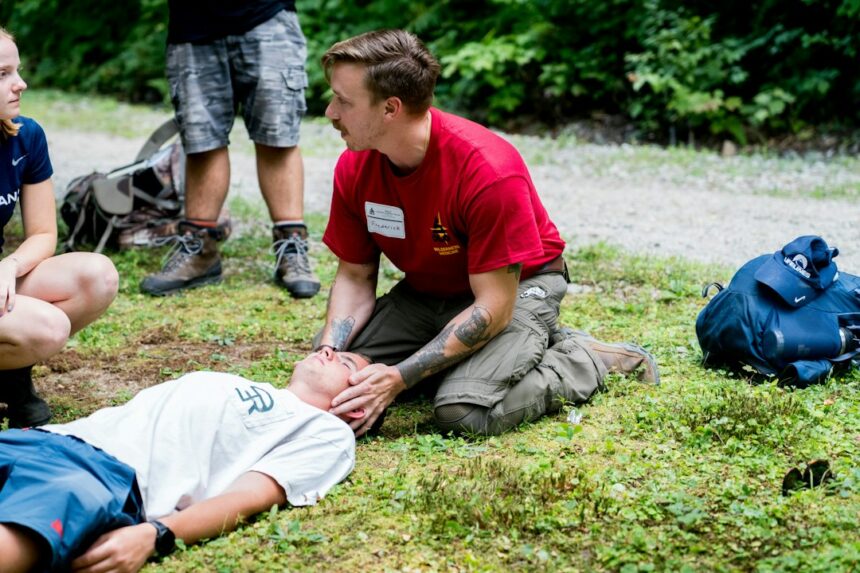
You’re walking down the street, enjoying a perfectly ordinary day, when suddenly, it all changes. A screech of tires, a gasp from a passerby, a cry for help – an emergency unfolds before your eyes. In those heart-stopping moments, your instincts might scream “run” or “freeze,” but the most important thing you can do is nothing at all – or rather, the right things. This guide is designed to equip you with the knowledge and confidence to navigate these critical situations, ensuring you can provide the best possible assistance when it matters most. We’ll delve into the immediate steps you should take, focusing on the three pillars of emergency response: staying calm, calling for professional help, and providing essential aid. Remember, your actions, no matter how small they may seem, can make a significant difference.
Mastering Your Mind in the Chaos
When an emergency strikes, your brain is hardwired to react. The “fight or flight” response floods your system with adrenaline, preparing you for immediate physical action. While this is a survival mechanism, in the context of helping others, it can be overwhelming and paralyzing. Learning to manage this physiological response is the first and most crucial step in providing effective assistance. It’s not about suppressing your emotions entirely, but rather about channeling them productively.
The Power of a Deep Breath
It sounds incredibly simple, almost trite, but the act of taking a slow, deep breath can be a game-changer. When you feel panic rising, a conscious effort to inhale deeply through your nose, hold it for a few seconds, and exhale slowly through your mouth can interrupt the physiological cascade of stress. This action signals to your nervous system that you are not in immediate mortal danger, allowing your rational mind to regain some control. Practice this technique regularly, not just in emergencies, so it becomes a more ingrained habit. When faced with a crisis, consciously tell yourself, “Breathe.” Focus on the sensation of air filling your lungs and leaving your body. This simple act grounds you in the present moment and provides a brief but vital pause for thought.
Recognizing and Managing Fear
Fear is a natural and understandable reaction to witnessing or being involved in an emergency. You might feel a knot in your stomach, a racing heart, shaky hands, or a sense of dread. Acknowledging these feelings without letting them consume you is key. Tell yourself, “I am scared, but I can still help.” Remind yourself that your fear does not prevent you from acting. Focus on the specific task at hand rather than the overwhelming nature of the entire situation. Break down what needs to be done into smaller, manageable steps. For instance, instead of thinking “I need to save this person,” think “I need to check for responsiveness” or “I need to call 911.” This compartmentalization can make the situation feel less daunting and more achievable.
Focusing on the Present Action
The most effective way to combat the urge to freeze or become overwhelmed is to direct your attention to what you can do right now. Engage your senses. What do you see? What do you hear? What do you feel? This anchors you to reality and away from hypothetical worst-case scenarios. Listen carefully to instructions from emergency dispatchers or trained professionals if they are present. Observe the scene for any immediate dangers to yourself or others. By focusing on concrete actions and observations, you minimize the space for panic to take root. It’s about taking one step at a time, rather than trying to comprehend the entirety of the crisis.
In times of crisis, knowing how to effectively assist others can make a significant difference. For those looking to enhance their emergency response skills, a valuable resource is the article found at Unplugged Psych, which provides practical tips and strategies for helping individuals in distress. This guide emphasizes the importance of remaining calm, assessing the situation, and offering appropriate support, ensuring that you are well-prepared to make a positive impact when it matters most.
Your Voice is a Lifeline: The Crucial Call to 911
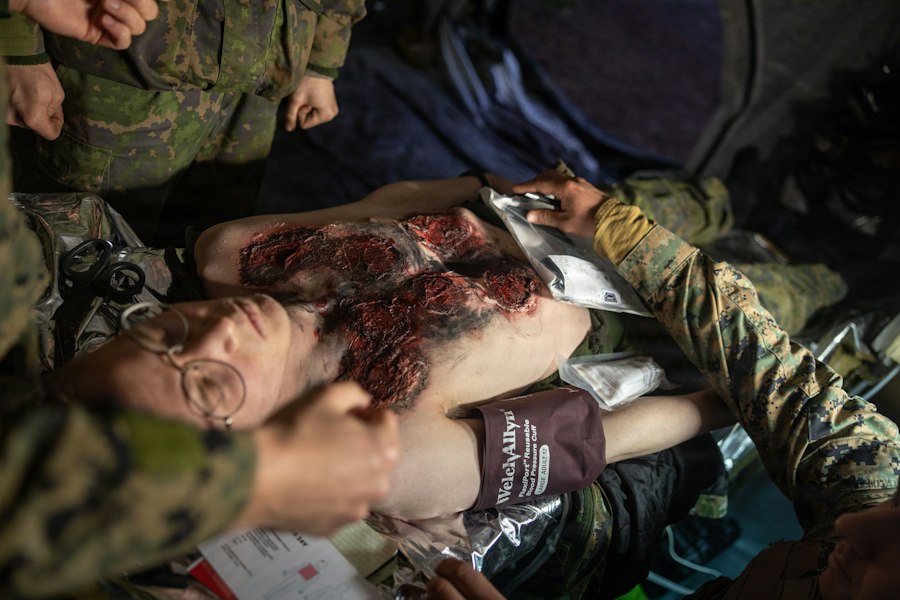
In any emergency situation, your ability to communicate effectively with emergency services is paramount. The 911 dispatcher is your direct link to trained professionals who can provide immediate guidance and dispatch the appropriate help. This is not a time for hesitation or guesswork; it’s a time for clear, concise, and accurate information. Knowing what to expect and what information to provide can significantly expedite the response time and ensure that help arrives as quickly and effectively as possible.
Initiating the Call: What to Say First
When you dial 911, the dispatcher will answer with a standard greeting, often “911, what is your emergency?” Your immediate response should be to state your location and the nature of the emergency as clearly and calmly as possible. Even if you are unsure of the exact address, provide as much detail as you can, such as street names, landmarks, or nearest cross streets. If you are in a building, mention the building name, floor number, and apartment or office number if applicable. For example, you might say, “My location is 123 Main Street, in front of the red brick building with the large oak tree. There has been a car accident.”
Providing Essential Information: The Dispatcher’s Questions
The dispatcher is trained to ask specific questions to gather the necessary information to dispatch the correct resources. Be prepared to answer the following:
- Your Location: As mentioned, this is critical. Be as precise as possible.
- The Nature of the Emergency: Is it a medical emergency (heart attack, injury), a fire, a crime in progress, a car accident, etc.?
- Number of People Involved: How many individuals are injured or affected?
- Condition of the Injured: Are they conscious? Are they breathing? Are they bleeding heavily?
- Any Immediate Dangers: Are there any hazards present, such as downed power lines, toxic fumes, or an aggressive individual?
- Your Name and Phone Number: This allows the dispatcher to call you back if the line is disconnected or if they need further information.
Do not hang up the phone until the dispatcher tells you to do so. They may need to stay on the line with you to provide further instructions or to gather additional details. It is also important to speak in short, clear sentences. If you are speaking to someone on speakerphone, ensure everyone can hear you and the dispatcher.
Staying on the Line: The Dispatcher’s Role
The 911 dispatcher is more than just a call-taker; they are a vital part of the emergency response. They can provide pre-arrival instructions, such as how to administer CPR, how to stop bleeding, or what safety precautions to take while waiting for help to arrive. They can also relay crucial information to the responding units, such as the exact location of the incident, the number of victims, and their medical status. This information allows paramedics, firefighters, and police officers to prepare for what they will encounter, saving valuable time upon arrival. If you are unsure of what to do, the dispatcher is your best resource. Listen carefully to their guidance and follow it to the best of your ability. They are there to support you and the person in need.
The Art of Immediate Aid: Beyond the Bystander
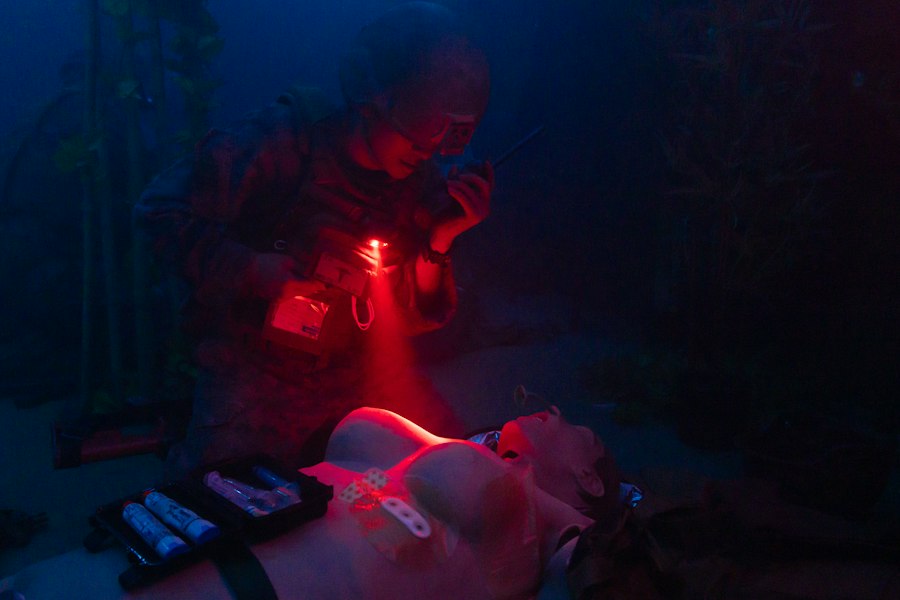
Once you’ve ensured professional help is on the way, your attention can turn to providing immediate aid to those who need it. This is where your observational skills and any training you may have had come into play. Remember, you are not expected to be a medical professional, but there are fundamental actions you can take that can have a life-saving impact. The goal is to stabilize the situation until trained responders can take over.
Assessing the Scene for Safety
Before you approach anyone who appears to be in distress, you must assess the scene for safety. Your own safety is paramount. If you run into a burning building without checking for safety, you become another victim. Look for immediate dangers:
- Traffic: If it’s a car accident, ensure the area is safe from oncoming vehicles. If possible and safe, try to divert traffic or warn approaching drivers.
- Fire: Is there an immediate risk of explosion or spreading flames?
- Electrical Hazards: Are there downed power lines or exposed electrical wires?
- Chemical Spills: Are there fumes or hazardous materials present?
- Aggression: Is there an ongoing assault or a combative individual?
If the scene is not safe, do not approach. Stay at a safe distance and provide the dispatcher with as much information as possible about the hazards. If the scene is safe, you can then proceed to assess the injured.
Checking Responsiveness and Breathing
When approaching an injured person, gently tap them on the shoulder and shout, “Are you okay?” Observe for any response, such as movement, sound, or eye-opening. If there is no response, it indicates the person is unconscious.
Next, check for breathing. Tilt their head back slightly and lift their chin to open the airway. Look, listen, and feel for breathing for no more than 10 seconds.
- Look: For chest rise and fall.
- Listen: For breath sounds.
- Feel: For air on your cheek.
If the person is unconscious and not breathing or only gasping, they require immediate intervention. This is when CPR might be necessary. If you are unsure if you are trained in CPR, the 911 dispatcher can often guide you through hands-only CPR.
Basic First Aid Principles: Bleeding and Shock
If someone is bleeding, controlling the bleeding is a top priority. Apply firm, direct pressure to the wound using a clean cloth, sterile dressing, or even your hand if nothing else is available. If the blood soaks through the initial dressing, do not remove it; place another dressing on top and continue applying pressure. Elevate the injured limb above the heart if possible, as this can help reduce blood flow.
Be aware of the signs of shock, which can occur due to significant blood loss, trauma, or illness. Signs of shock include:
- Pale, cool, clammy skin.
- Rapid, weak pulse.
- Rapid, shallow breathing.
- Nausea or vomiting.
- Confusion or anxiety.
If you suspect someone is in shock, lay them down, elevate their legs slightly (unless there is a suspected head, neck, or spinal injury), and cover them with a blanket to keep them warm. Do not give them anything to eat or drink, as it could interfere with medical treatment.
The Importance of Knowledge: Being Prepared
You might think that emergencies only happen to other people, but the reality is that anyone can find themselves in a situation where they need to act. The more prepared you are, the more effective you will be. Being prepared isn’t just about having a first-aid kit; it’s about having the knowledge and confidence to use it, and to respond effectively even without specific equipment.
Seeking Basic First Aid and CPR Training
The most impactful way to prepare is to seek out basic first aid and CPR (Cardiopulmonary Resuscitation) training. Organizations like the American Red Cross, American Heart Association, and St. John Ambulance offer courses that teach you essential skills for responding to common emergencies. These courses cover everything from wound care and bleeding control to recognizing and responding to heart attacks, strokes, and choking. Learning CPR can be particularly empowering, as it provides you with the ability to potentially save a life in the critical moments before professional help arrives. Even a basic course can significantly boost your confidence and competence.
Familiarizing Yourself with Your Surroundings
In everyday life, you rarely think about emergency exits or the location of fire extinguishers. However, taking a moment to note these things in places you frequent can be incredibly beneficial in a crisis. When you enter a building, discreetly observe where the emergency exits are located. If you work in an office building, know the evacuation procedures and assembly points. In public spaces, be aware of your surroundings and identify potential hazards or safe havens. This conscious awareness can make a significant difference in your ability to react swiftly and appropriately when an emergency occurs.
Building a Personal Emergency Kit
While not every emergency requires immediate medical aid, having a well-stocked personal emergency kit can be invaluable. This kit should be tailored to your needs and potential scenarios. For a car, it might include items like jumper cables, a first-aid kit, a flashlight, blankets, and non-perishable food. For your home, consider a more comprehensive first-aid kit, water, non-perishable food, batteries, a radio, and a multi-tool. Knowing what’s in your kit and where it’s stored means you can access critical supplies quickly when needed. Regularly check and replenish your kit to ensure its contents are up-to-date and functional.
In times of crisis, knowing how to respond effectively can make a significant difference. For those looking to enhance their skills in emergency situations, a related article offers valuable insights on practical steps you can take to help others. By understanding the fundamentals of first aid and emergency response, you can be better prepared to act when it matters most. To explore these essential techniques, check out this informative piece on how to actually help in an emergency at this link.
Beyond the Immediate: Follow-Up and Personal Well-being
| Step | Action | Details | Estimated Time | Effectiveness |
|---|---|---|---|---|
| 1 | Assess the Situation | Ensure the scene is safe for you and the victim before intervening. | 10-30 seconds | High – Prevents further harm |
| 2 | Call Emergency Services | Dial the local emergency number and provide clear information about the location and nature of the emergency. | 1-2 minutes | Critical – Enables professional help |
| 3 | Provide Basic First Aid | Perform CPR, stop bleeding, or assist with choking if trained. | Varies | High – Can save lives |
| 4 | Comfort and Reassure Victims | Keep the victim calm and still until help arrives. | Ongoing | Moderate – Reduces shock and anxiety |
| 5 | Follow Instructions from Emergency Responders | Listen carefully and act as directed by professionals on the scene or over the phone. | Ongoing | High – Ensures coordinated response |
The immediate aftermath of an emergency can be a whirlwind of activity. However, your role doesn’t necessarily end when the ambulance drives away. There might be follow-up actions, and critically, you need to consider your own well-being after experiencing a traumatic event.
Providing Information to Responders
Once emergency personnel arrive, they will take over the primary care of the individual in need. However, they may still need information from you. Be prepared to answer any further questions they might have about what you observed, what actions you took, or any details you might have overlooked. This information can be crucial for diagnosis and treatment. If you witnessed the entire event, your account can be invaluable to the responding teams. Offer your contact information if they request it, as you may be contacted later for additional details or statements, especially in cases involving potential legal proceedings.
Debriefing and Seeking Support
Witnessing or being involved in an emergency can be emotionally and psychologically taxing. It’s important to acknowledge these feelings and seek support if needed. Talking about your experience with a trusted friend, family member, or counselor can help you process what you’ve been through. Some workplaces or community organizations offer debriefing services after critical incidents. Don’t underestimate the impact that stress and trauma can have on your mental health. Allowing yourself to feel and process these emotions is a sign of strength, not weakness. Taking care of yourself after an emergency ensures you can be there for others in the future.
Learning from the Experience
Every emergency is a learning opportunity. After the event has concluded, take some time to reflect on what went well and what could have been improved. Did you stay calm? Did you remember to call 911 promptly? Were you able to provide effective aid? Use this reflection to reinforce positive actions and identify areas where you might want to seek further training or practice. This continuous learning process will make you a more confident and capable individual in future emergencies. Remember, the goal is not to prevent emergencies from happening, which is often impossible, but to be prepared to respond effectively when they do. Your preparedness, your calm demeanor, and your willingness to help are the most valuable assets in any crisis.

The Kitty Genovese Story That Changed Psychology—But Was It True?
FAQs
What should I do first when witnessing an emergency situation?
The first step when witnessing an emergency is to ensure your own safety. Assess the situation and call emergency services if needed. Only approach the scene if it is safe to do so.
How can I provide accurate information when calling emergency services?
When calling emergency services, provide clear and concise information about the situation. Be prepared to give your location, details about the emergency, and any other relevant information requested by the dispatcher.
Is it important to stay calm during an emergency situation?
Yes, it is crucial to stay calm during an emergency situation. Panicking can make the situation worse and hinder your ability to help effectively. Take deep breaths and focus on following the necessary steps to assist.
What should I do if I am not trained in first aid or CPR?
If you are not trained in first aid or CPR, the best course of action is to call emergency services and follow their instructions. You can also assist by providing emotional support to those involved and helping to keep the area clear for first responders.
How can I prepare myself to help in emergency situations?
To prepare yourself to help in emergency situations, consider taking a first aid and CPR training course. Familiarize yourself with basic emergency procedures and keep a first aid kit in your home and car. Stay informed about local emergency resources and contact numbers.