The Power of Social Environments on Behavior
The intricate tapestry of human existence is woven with threads of individual thought, emotion, and action, yet these threads are inextricably linked to, and profoundly shaped by, the broader social environments in which they are embedded. From the immediate confines of family and close friendships to the vast networks of communities and societies, the influence of our surroundings on our behavior is a pervasive and powerful force. Understanding this dynamic is not merely an academic exercise; it offers critical insights into why we act the way we do, how habits are formed, how individuals navigate complex social landscapes, and how collective change can be fostered. The social environment acts as a constant, often invisible, sculptor, molding our perceptions, aspirations, and ultimately, our actions.
The initial years of an individual’s life are a period of intense development, where the fundamental building blocks of personality and behavior are laid. The primary social environment, the family, plays an unparalleled role in this foundational stage. Children are not born with innate behavioral blueprints; rather, they learn by observing, imitating, and interacting with their caregivers and other family members. This early immersion in a specific social context instills norms, values, and patterns of interaction that often persist throughout life.
The Family Unit as a Microcosm
The family unit serves as the first and often most influential social environment. Within this intimate setting, children learn about social relationships, emotional expression, conflict resolution, and the expectations of their immediate world.
Parental Modeling and Observational Learning
A cornerstone of early socialization is observational learning, a concept extensively explored by Albert Bandura. Children watch their parents’ behaviors, their communication styles, their reactions to stress, and their approaches to problem-solving. If parents exhibit aggressive tendencies, children are more likely to internalize and replicate such behaviors. Conversely, if parents demonstrate empathy, cooperation, and effective communication, these qualities are more likely to be fostered in the child. The unconscious absorption of these parental models shapes a child’s understanding of how to navigate social interactions and express themselves. This extends to their moral compass, their work ethic, and their general outlook on life. A consistent and supportive family environment can foster resilience and self-esteem, while a chaotic or neglectful one can lead to significant developmental challenges.
The Impact of Sibling Dynamics
Beyond parental influence, the relationships between siblings also contribute significantly to social development. Siblings provide a unique testing ground for social skills, negotiation, and the management of competition and cooperation. They learn to share, to assert their needs, to compromise, and to understand different perspectives, all within the safe, albeit sometimes boisterous, confines of the home. The hierarchy and interaction patterns established among siblings can mirror, or even preempt, later social dynamics encountered in peer groups and professional settings.
The Role of Extended Family and Cultural Norms
While the immediate family is paramount, the influence of extended family members and the broader cultural norms they embody also play a crucial role. Grandparents, aunts, uncles, and cousins can introduce children to a wider range of perspectives, traditions, and values. These interactions reinforce or sometimes challenge the lessons learned from the nuclear family, providing a more comprehensive understanding of their cultural heritage and social expectations. The cultural context within which a family operates dictates many implicit and explicit rules of behavior, from politeness and respect to acceptable forms of emotional expression.
Social environments play a crucial role in shaping individual behavior, as highlighted in the article “Understanding the Impact of Social Context on Behavior” found at this link. The article explores how factors such as peer influence, cultural norms, and community dynamics can significantly affect decision-making and actions. By examining various studies and real-life examples, it provides valuable insights into the complex interplay between social surroundings and personal behavior, emphasizing the importance of context in psychological research.
The Expanding Sphere: Peer Groups and the Drive for Belonging
As individuals mature and venture beyond the immediate family, peer groups emerge as a powerful force shaping their behavior. The desire to belong, to be accepted by one’s peers, is a fundamental human need that can exert considerable influence on an individual’s choices and actions. Peer groups provide a new set of social norms, expectations, and rewards that can often supersede those learned in the family.
The Dynamics of Peer Influence
Peer influence is multifaceted, encompassing both positive and negative aspects, and its intensity often peaks during adolescence. The social currency within a peer group can be dictated by a myriad of factors, from appearance and material possessions to academic achievement and athletic prowess.
Conformity and the Desire for Acceptance
The drive for conformity is a powerful manifestation of peer influence. Individuals may alter their behavior, beliefs, and even their appearance to align with the prevailing norms of their peer group. This is not always a conscious decision; it can be a subtle, almost instinctual, response to the perceived expectations of others. The fear of ostracism or ridicule can be a potent motivator, leading individuals to engage in behaviors they might otherwise avoid. This can manifest in adopting fashion trends, slang, musical tastes, and even attitudes towards authority.
The Formation of Identity within Peer Circles
Peer groups also play a critical role in the formation of identity. Adolescents and young adults often experiment with different roles and personas within their peer circles, seeking to understand who they are and where they fit in. The feedback they receive from their peers, whether positive or negative, helps them to refine their self-concept. The shared experiences and common interests within a peer group can foster a sense of camaraderie and belonging, which is essential for psychological well-being. These affiliations can shape long-term interests and aspirations, guiding individuals towards certain career paths or lifestyle choices.
The Influence of Social Norms and Group Pressure
Social norms, the unwritten rules of behavior that govern group conduct, are powerfully reinforced by peer groups. These norms can dictate everything from acceptable levels of risk-taking to attitudes towards academic pursuits. Group pressure, whether overt or covert, can encourage individuals to participate in activities they might otherwise deem inappropriate or dangerous. This is often observed in instances of substance abuse, delinquency, or risky sexual behavior, where the desire to fit in can override personal judgment. Conversely, peer groups can also exert positive pressure, encouraging academic excellence, prosocial behaviors, and healthy lifestyle choices.
The Wider Lens: Community and Societal Structures
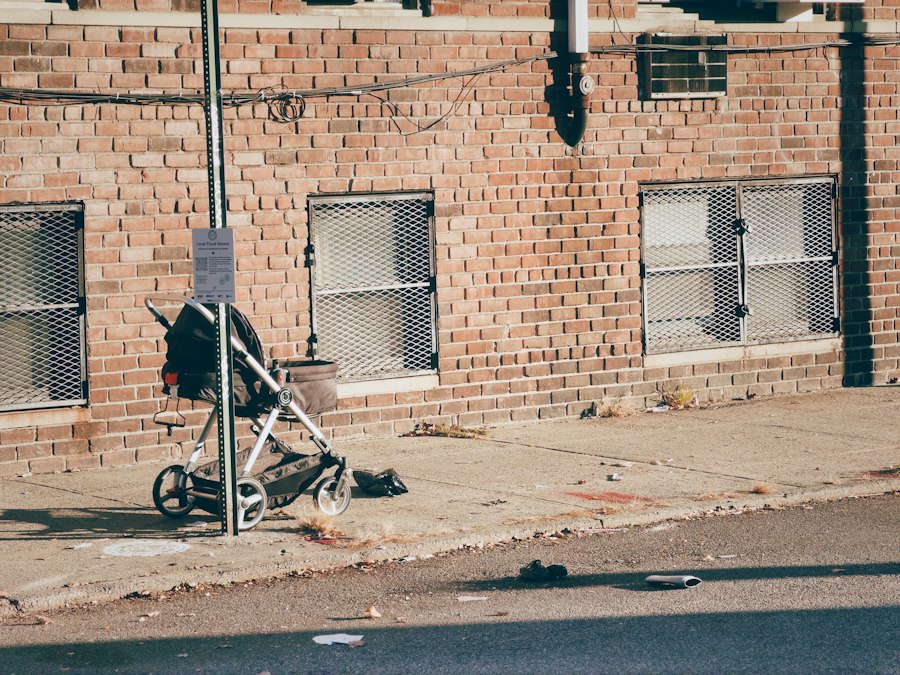
Beyond the immediate circle of family and friends, the broader community and societal structures exert a profound and often overlooked influence on individual behavior. These larger environments provide the context within which individuals live their lives, shaping opportunities, defining acceptable conduct, and influencing fundamental beliefs and values.
The Impact of Neighborhoods and Physical Environments
The physical characteristics of a neighborhood and the wider community can significantly influence behavior. Factors such as access to resources, levels of safety, and the presence of green spaces can all play a role.
Environmental Cues and Behavioral Opportunities
A neighborhood’s infrastructure, including parks, community centers, and recreational facilities, can provide opportunities for certain types of behavior. For instance, the presence of well-maintained parks and sports fields may encourage physical activity and outdoor recreation. Conversely, neighborhoods lacking such amenities might see lower levels of physical engagement. Similarly, the visibility of crime or the prevalence of graffiti can foster an environment of fear and distrust, potentially leading to increased social isolation and decreased community engagement. The very design of a community can inadvertently promote or inhibit certain actions.
Socioeconomic Factors and Resource Availability
Socioeconomic factors are intrinsically linked to the social environment. Neighborhoods with higher levels of poverty often experience greater social challenges, including limited access to quality education, healthcare, and employment opportunities. These resource disparities can create environments that foster stress, limit upward mobility, and can, in some instances, contribute to higher rates of crime and substance abuse. The lack of resources can also limit the ability of individuals and families to engage in prosocial activities or to access support networks, further entrenching behavioral patterns.
The Influence of Social Capital and Community Cohesion
Social capital, the networks of relationships among people who live and work in a particular society, enabling that society to function effectively, is a crucial element of community influence. High levels of social capital, characterized by trust, reciprocity, and shared values, can foster a sense of collective efficacy and encourage prosocial behavior. Communities with strong social cohesion are often more resilient in the face of adversity and are more likely to engage in collective action to address shared problems. Conversely, communities with low social capital may experience higher levels of alienation and distrust, making it more difficult to foster positive behavioral change.
The Digital Realm: Virtual Social Environments and Their Impact

In the 21st century, the concept of social environment has expanded to encompass the digital realm. Online platforms, social media, and virtual communities have become powerful new arenas for social interaction, profoundly influencing how individuals connect, communicate, and behave.
The Blurring Lines Between Online and Offline Behavior
The distinction between online and offline behavior is becoming increasingly blurred. The social dynamics that play out in virtual spaces often have tangible consequences in the real world, and vice versa.
The Amplification of Social Norms and Trends
Social media platforms are incredibly effective at amplifying social norms and trends. Viral challenges, memes, and popular hashtags can quickly shape the discourse and behavior of millions. The constant visibility of what is popular or accepted online can create a powerful pressure to conform, even in the absence of face-to-face interaction. This can lead to both the rapid dissemination of positive trends, such as awareness campaigns for social causes, and the spread of harmful misinformation or unhealthy behaviors. The algorithms that govern these platforms are designed to maximize engagement, often by prioritizing content that elicits strong emotional responses, further amplifying certain behaviors and narratives.
The Formation of Online Communities and Subcultures
Virtual spaces allow for the formation of highly specialized online communities and subcultures, often centered around shared interests, hobbies, or identities. These digital tribes can provide a sense of belonging and validation for individuals who may feel marginalized or misunderstood in their offline lives. However, these online spaces can also become echo chambers, reinforcing existing beliefs and potentially leading to radicalization or the adoption of extreme viewpoints. The anonymity afforded by some online platforms can also embolden individuals to engage in behaviors, such as cyberbullying or harassment, that they would likely refrain from in person.
The Impact of Social Comparison and Curated Realities
Social media often presents a curated and idealized version of reality, leading to increased social comparison. Individuals may constantly compare their own lives, achievements, and appearances to the seemingly perfect lives of others online, leading to feelings of inadequacy, envy, and dissatisfaction. This constant exposure to unattainable standards can negatively impact self-esteem and contribute to mental health issues. The pressure to present a positive and engaging online persona can also lead to inauthentic behavior and a disconnect between one’s online identity and one’s true self.
Social environments play a crucial role in shaping individual behavior, as they provide the context in which people interact and develop their identities. For a deeper understanding of this dynamic, you can explore an insightful article on the topic at Unplugged Psychology, which discusses how various social factors can influence decision-making and interpersonal relationships. By examining these influences, we can better appreciate the complexities of human behavior and the importance of our surroundings in shaping who we are.
Harnessing the Power: Social Environments as Catalysts for Change
| Social Environment Factor | Behavioral Influence | Example Metrics | Research Findings |
|---|---|---|---|
| Peer Pressure | Increased conformity and risk-taking | Percentage of adolescents engaging in risky behaviors due to peers | Studies show up to 70% of teens try substances due to peer influence |
| Family Environment | Development of social skills and emotional regulation | Frequency of positive parent-child interactions per week | Higher positive interactions correlate with better emotional outcomes |
| Workplace Culture | Employee motivation and job satisfaction | Employee engagement scores and turnover rates | Supportive cultures reduce turnover by up to 30% |
| Community Norms | Adoption of health behaviors | Percentage of community members practicing regular exercise | Communities with strong norms show 25% higher exercise rates |
| Social Media | Influence on self-esteem and social comparison | Average daily time spent and reported self-esteem levels | Excessive use linked to 40% increase in negative self-perception |
Recognizing the profound influence of social environments on behavior is not simply about understanding existing patterns; it is also about identifying how these environments can be leveraged to foster positive change. By strategically shaping social contexts, interventions can be designed to promote healthier habits, encourage prosocial actions, and address societal challenges.
Designing for Positive Influence
The deliberate design of social environments can act as a powerful catalyst for behavioral modification. This involves understanding the psychological and social mechanisms that drive behavior and applying them in constructive ways.
The Role of Nudges and Choice Architecture
Concepts like behavioral economics, particularly the idea of “nudges,” offer practical ways to influence behavior without restricting freedom of choice. Choice architecture involves arranging the context in which people make decisions to make certain outcomes more likely. For example, placing healthier food options at eye level in a cafeteria or making retirement savings contributions opt-out rather than opt-in can significantly alter behavior. These subtle environmental cues can guide individuals towards more beneficial choices, leveraging their inherent biases and decision-making processes.
Fostering Supportive Networks and Collective Action
Creating environments that foster supportive social networks is crucial for individual well-being and collective progress. Community programs, mentorship initiatives, and opportunities for civic engagement can strengthen social bonds and empower individuals to act together. When individuals feel connected and supported, they are more likely to adopt healthy behaviors, pursue educational goals, and participate in efforts to improve their communities. Collective action, fueled by strong social ties, can address complex issues such as environmental sustainability, public health, and social justice.
The Importance of Education and Awareness Campaigns
Educational initiatives and public awareness campaigns play a vital role in shaping social environments by disseminating information and challenging harmful norms. By raising awareness about the consequences of certain behaviors and promoting positive alternatives, these campaigns can shift public perception and encourage widespread change. However, the effectiveness of such campaigns is often amplified when they are integrated into existing social structures and leverage trusted messengers within communities. The social environment acts not just as a recipient of these campaigns, but as an active participant in their dissemination and impact. Ultimately, the power of social environments on behavior is undeniable, shaping who we are, how we interact, and the collective future we build. Understanding this intricate interplay is key to fostering a more informed, empathetic, and effective society.

How 22 Boys Were Turned Into Enemies
FAQs
1. How do social environments influence behavior?
Social environments can shape behavior through social norms, peer pressure, and social support. Individuals may conform to the behaviors of those around them or be influenced by the expectations and values of their social group.
2. What role does socialization play in behavior within social environments?
Socialization is the process by which individuals learn and internalize the norms, values, and behaviors of their society or social group. It plays a crucial role in shaping behavior within social environments.
3. Can social environments impact mental health and well-being?
Yes, social environments can have a significant impact on mental health and well-being. Positive social support systems and healthy social interactions can promote mental well-being, while negative social environments can contribute to stress, anxiety, and other mental health issues.
4. How do social environments influence decision-making?
Social environments can influence decision-making through social cues, peer influence, and social expectations. Individuals may make decisions based on what is socially acceptable or in line with the norms of their social group.
5. Are there ways to positively influence social environments for better behavior outcomes?
Yes, there are ways to positively influence social environments for better behavior outcomes. This can include promoting positive social norms, fostering supportive relationships, and creating environments that encourage healthy behaviors and decision-making.