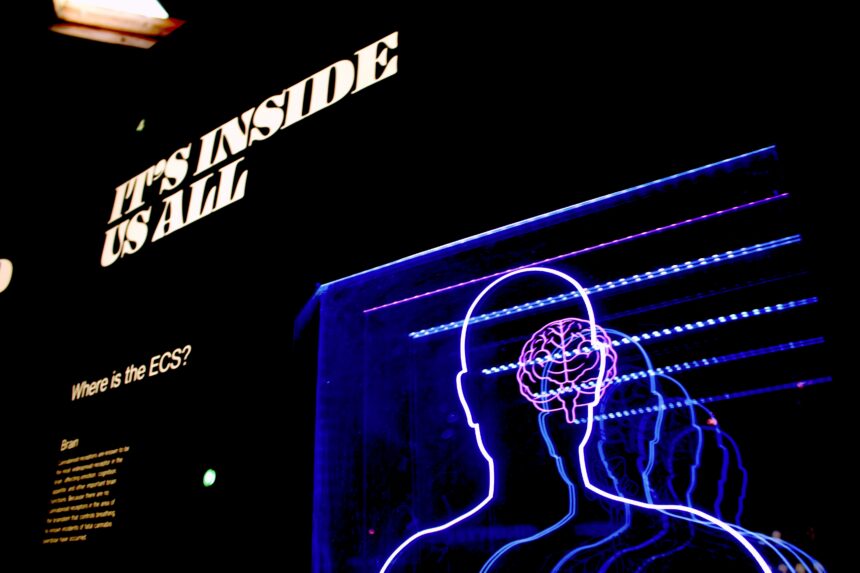
The human mind is a complex tapestry, woven with threads of perception, cognition, and emotion. Among these intricate elements, the psychology of expectations stands out as a particularly powerful force, subtly yet profoundly shaping not only what individuals anticipate but also how they behave. Expectations are not mere passive predictions; they are active psychological constructs that prime our brains, influence our decisions, and ultimately guide our actions. Understanding this dynamic interplay between what we expect and how we act is crucial for comprehending a vast array of human experiences, from personal relationships and professional endeavors to societal trends and even our own internal states of well-being.
Expectations, at their core, are anticipations of future events, outcomes, or behaviors. They are formed through a multifaceted process, drawing upon a rich reservoir of past experiences, learned associations, cultural norms, and even innate biological predispositions. The constant influx of information from our environment, coupled with our internal cognitive processing, allows us to construct a predictive model of the world. This model, in turn, informs our expectations, acting as a mental roadmap for navigating the complexities of life.
The Role of Past Experiences and Learning
The most significant architects of our expectations are our past experiences. Repeated encounters with similar situations create robust associative pathways in the brain. If a particular course of action has consistently led to a positive outcome, an expectation of that positivity will form for future similar situations. Conversely, negative experiences foster expectations of failure or disappointment. This learned optimism or pessimism can become deeply ingrained, influencing our approach to novel circumstances. Operant conditioning, where behaviors are shaped by their consequences, plays a vital role here. The rewards and punishments encountered in the past serve as powerful predictors of future outcomes, thereby shaping our expectations about similar situations. Observational learning also contributes significantly. Witnessing others succeed or fail in certain endeavors can directly inform our own expectations without requiring direct personal experience.
Cognitive Biases and Distortions
While past experiences provide a foundational basis, our cognitive architecture is not always a perfectly objective recorder. Cognitive biases, systematic patterns of deviation from norm or rationality in judgment, often subtly distort the formation of expectations. Confirmation bias, for instance, leads individuals to seek out and interpret information that confirms their pre-existing beliefs and expectations, while ignoring contradictory evidence. This can create a self-perpetuating cycle, reinforcing potentially inaccurate anticipations. The availability heuristic can also influence expectations; events that are more easily recalled from memory, often due to their vividness or recency, are perceived as more likely to occur. This can lead to an overestimation of rare but dramatic events, while underestimating more mundane but frequent occurrences.
Cultural and Social Conditioning
Beyond individual learning, cultural and social contexts provide a powerful framework for shaping expectations. Societal norms, values, and prevalent beliefs dictate what is considered acceptable, desirable, or probable within a given community. For example, cultural narratives about success, relationships, or even health can deeply influence the expectations individuals hold for themselves and others. In collectivist cultures, expectations might revolve around group harmony and contribution, whereas individualistic cultures may emphasize personal achievement and self-reliance. These external influences are often internalized, becoming unconscious guides for our anticipations.
The psychology of expectations plays a crucial role in shaping our behavior and decision-making processes. A fascinating article that delves deeper into this topic can be found on Unplugged Psychology, where the author explores how our beliefs and anticipations can significantly influence our actions and outcomes. For more insights, you can read the article here: Unplugged Psychology.
The Mechanism of Expectation: How They Prime Behavior
Once formed, expectations do not remain dormant. They actively engage our cognitive and emotional systems, preparing us for what we anticipate. This priming effect is a critical link between our internal predictions and our outward actions. It involves a complex interplay of attention, motivation, and physiological arousal.
Attentional Biases and Selective Perception
Expectations act as powerful filters for our attention. When we expect something to happen, our brains become more attuned to stimuli that are relevant to that expectation. This selective attention allows us to efficiently process the vast amount of information in our environment, focusing on what is deemed most important. For example, someone expecting a phone call from a specific person might find themselves constantly checking their phone, their attention drawn to any notification that resembles a call. This can also lead to overlooking information that contradicts our expectations, as our attentional resources are preferentially allocated to confirming stimuli.
Motivational Drivers and Goal Pursuit
Expectations are intrinsically linked to motivation. Positive expectations, such as the anticipation of reward or success, can fuel our drive and commitment to pursuing goals. The belief that our efforts will lead to a desired outcome makes us more likely to invest time, energy, and persistence. Conversely, negative expectations can demotivate us, leading to procrastination, avoidance, or a reduced effort. The strength of our expectations directly influences the intensity of our motivation. A strong expectation of success will likely generate a higher level of motivation than a weak or uncertain one. This is evident in goal-setting theories, where the perceived attainability of a goal (an expectation) is a key predictor of effort and performance.
The Impact on Emotional States
Expectations have a profound impact on our emotional landscape. The anticipation of positive events often elicits feelings of excitement, hope, and happiness. Conversely, the expectation of negative outcomes can trigger anxiety, fear, disappointment, or sadness. The actual realization of an expectation, whether positive or negative, often leads to an emotional response that aligns with the nature of the anticipation. However, the mismatch between expectation and reality can also create distinct emotional experiences. For instance, exceeding a positive expectation can lead to elation, while falling short of a negative expectation can result in relief.
The Behavioral Manifestations of Expectations: From Micro to Macro
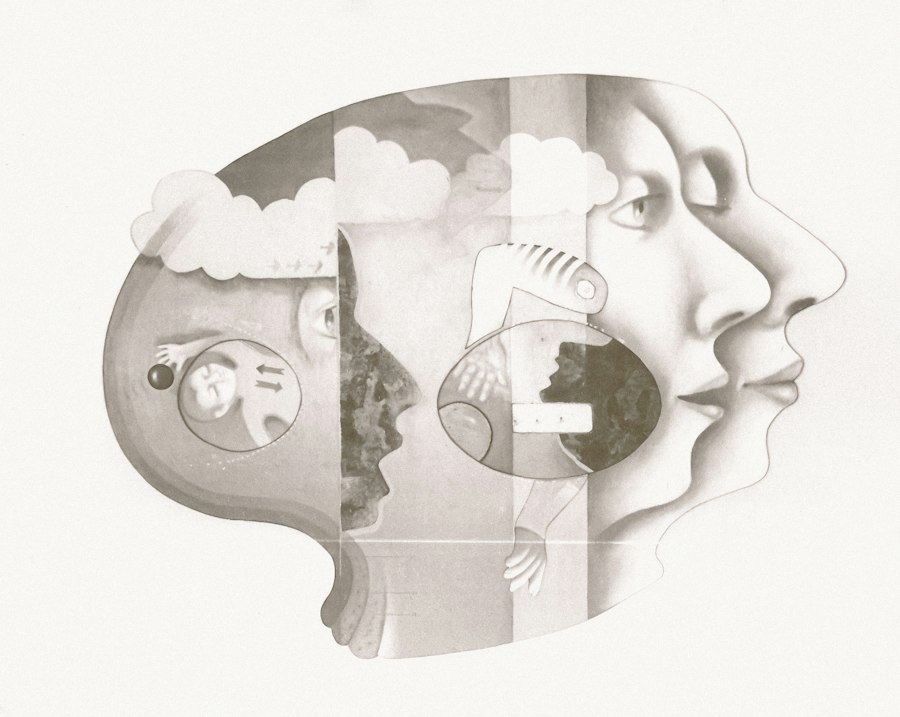
The influence of expectations extends from the smallest, most immediate behaviors to broad patterns of human interaction and societal dynamics. Their impact can be observed in a wide range of observable actions and reactions.
Self-Fulfilling Prophecies: The Power of Belief
One of the most compelling demonstrations of the psychology of expectations is the phenomenon of the self-fulfilling prophecy. This occurs when an expectation about a situation or person, whether true or false, influences behavior in such a way that the expectation is eventually fulfilled. The Pygmalion effect in education, where teacher expectations significantly impact student performance, is a classic example. If a teacher expects a student to excel, they may unconsciously provide more encouragement, support, and challenging opportunities, leading the student to perform better. Conversely, low expectations can result in less attention and fewer opportunities, leading to poorer performance. This demonstrates how beliefs, even if unfounded, can actively shape reality.
Performance and Productivity: The Expectancy Theory
In the realm of work and productivity, Expectancy Theory, developed by Victor Vroom, highlights the critical role of expectations. This theory posits that individuals are motivated to act in ways that they believe will lead to desired outcomes. It involves three key components: expectancy (the belief that effort will lead to performance), instrumentality (the belief that performance will lead to a specific outcome), and valence (the value an individual places on that outcome). When all three are high, motivation and performance are likely to be strong. For example, an employee who expects that working extra hours (effort) will lead to a successful project completion (performance), which in turn will result in a promotion (outcome) that they highly desire (valence), will be highly motivated to put in that extra effort.
Interpersonal Interactions and Relationship Dynamics
Expectations are the bedrock of our social interactions. We enter relationships with pre-conceived notions about how others will behave, how they will treat us, and what the relationship will entail. These expectations influence our communication styles, our levels of trust, and our willingness to engage. If we expect someone to be friendly and helpful, we are more likely to approach them with an open and positive attitude, which in turn can elicit a similar response. Conversely, if we expect hostility, our defensive posture might provoke the very reaction we feared. In romantic relationships, unmet expectations are a common source of conflict and dissatisfaction. Similarly, in group settings, expectations about fairness, contribution, and cooperation shape the overall dynamics and effectiveness of the group.
The Malleability of Expectations: Shaping for Positive Outcomes

While expectations can be powerful drivers of behavior, they are not immutable. Through conscious effort and strategic interventions, individuals and groups can learn to shape their expectations to foster more positive and productive outcomes. This involves a combination of self-awareness, cognitive restructuring, and environmental adjustments.
Cultivating Optimism and Growth Mindset
A key strategy for shaping expectations is the cultivation of optimism and a growth mindset. Optimism involves a general tendency to expect positive outcomes, while a growth mindset, as theorized by Carol Dweck, is the belief that one’s abilities and intelligence can be developed through dedication and hard work. Individuals with a growth mindset are more likely to view challenges as opportunities for learning and improvement, fostering expectations of progress rather than fixed limitations. This can be achieved through reframing negative thoughts, focusing on past successes, and actively seeking out challenges that promote learning and development.
The Power of Reframing and Cognitive Reappraisal
Cognitive reappraisal, the process of reinterpreting the meaning of an event or situation, is a powerful tool for altering expectations. Instead of focusing on the negative aspects of a challenging situation, one can actively seek out alternative perspectives or potential benefits. For example, a job rejection can be reframed not as a personal failure but as an opportunity to refine one’s resume, gain interview experience, and identify new avenues for career exploration. This shift in perspective can transform a negative expectation of further rejection into a more optimistic expectation of future success.
Environmental Design and Nudging
The environment in which we operate can also significantly influence our expectations. By designing environments that subtly encourage desired behaviors and outcomes, we can “nudge” individuals towards more positive expectations. For example, placing healthier food options at eye level in a cafeteria can increase the expectation of choosing nutritious meals. In educational settings, creating visually stimulating and organized learning spaces can foster an expectation of engagement and learning. These subtle environmental cues leverage our natural tendency to respond to our surroundings, shaping our anticipations without overt force.
The psychology of expectations plays a crucial role in shaping our behavior and decision-making processes. Understanding how our beliefs and anticipations can influence our actions is essential for personal growth and development. For a deeper exploration of this topic, you can read a related article that delves into the intricacies of how expectations affect our daily lives and interactions. This insightful piece can be found at Unplugged Psychology, where you will discover valuable information that can enhance your understanding of this fascinating subject.
Conclusion: The Enduring Impact of Our Anticipations
| Concept | Description | Key Metrics | Example Study |
|---|---|---|---|
| Expectation Confirmation | The process by which individuals compare actual outcomes to their expectations. | Expectation Accuracy Rate (%), Satisfaction Level (1-10) | Oliver (1980) – Consumer satisfaction linked to expectation confirmation |
| Self-Fulfilling Prophecy | Expectations influence behavior that causes the expectation to come true. | Behavior Change Rate (%), Expectation Strength (1-7 scale) | Merton (1948) – Impact of teacher expectations on student performance |
| Placebo Effect | Positive expectations lead to real improvements in health or behavior. | Improvement Rate (%), Symptom Reduction Score | Beecher (1955) – Placebo effect in pain management |
| Expectation Disconfirmation | When outcomes differ from expectations, leading to satisfaction or dissatisfaction. | Disconfirmation Magnitude, Emotional Response Scale | Churchill & Surprenant (1982) – Consumer satisfaction model |
| Behavioral Adaptation | Changes in behavior based on anticipated outcomes or social expectations. | Adaptation Rate (%), Response Time (ms) | Bandura (1977) – Social learning and behavior adaptation |
The psychology of expectations is a fundamental aspect of human cognition and behavior. From the unconscious biases that shape our initial predictions to the conscious efforts we make to cultivate positive anticipations, our expectations are a constant and potent force. They prime our attention, fuel our motivation, color our emotions, and ultimately guide our actions, manifesting in everything from individual performance to the dynamics of complex social systems. Recognizing the profound influence of our expectations empowers us to become more mindful of their formation, more adept at their management, and more capable of shaping them to foster greater success, well-being, and fulfillment in all aspects of life. By understanding this intricate interplay, individuals and societies can harness the power of anticipation to create a more positive and prosperous future.

They Told Healthy Children Something Was Wrong With Their Speech
FAQs
What is the psychology of expectations and behavior?
The psychology of expectations and behavior explores how our beliefs, assumptions, and anticipations can influence our thoughts, feelings, and actions.
How do expectations affect behavior?
Expectations can shape our behavior by influencing how we perceive and interpret situations, as well as how we approach and respond to them. Positive expectations can lead to more optimistic attitudes and behaviors, while negative expectations can result in more pessimistic outlooks and actions.
Can expectations impact performance?
Yes, expectations can have a significant impact on performance. Research has shown that individuals who have high expectations for themselves or receive positive expectations from others tend to perform better compared to those with low expectations.
Are there ways to manage or change expectations for better outcomes?
Yes, there are strategies to manage or change expectations for better outcomes. These may include setting realistic goals, challenging negative beliefs, practicing positive self-talk, seeking support from others, and focusing on the present moment rather than dwelling on past expectations.
How can understanding the psychology of expectations benefit individuals?
Understanding the psychology of expectations can benefit individuals by helping them become more aware of how their beliefs and assumptions influence their behavior and emotions. This awareness can empower individuals to make conscious choices, set realistic goals, improve relationships, and enhance overall well-being.