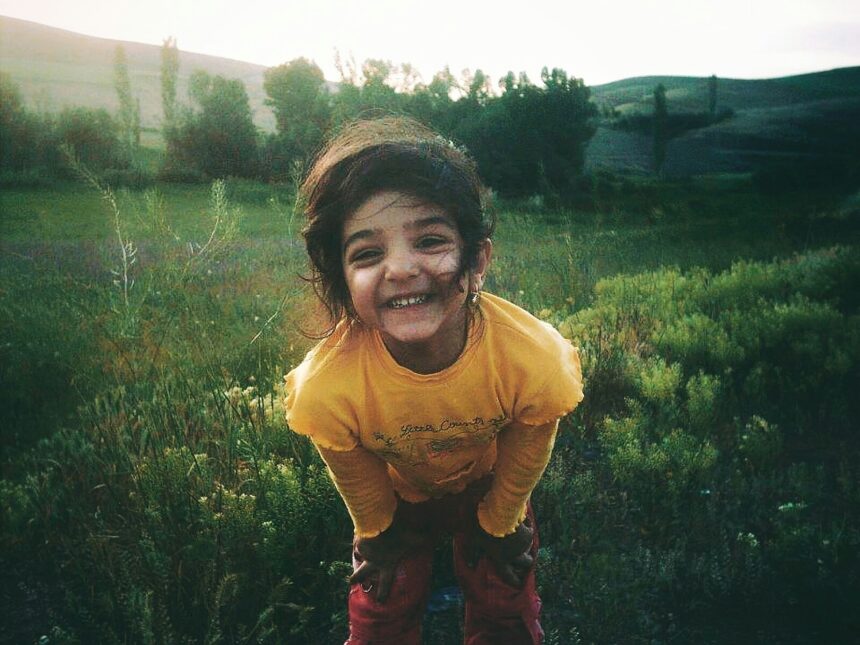
The foundation of one’s self-image is laid in the fertile ground of childhood, a period of intense learning, emotional development, and social interaction. During these formative years, children are like sponges, absorbing not only information about the world around them but also crucial messages about who they are. The experiences, both positive and negative, encountered during this time leave an indelible mark, shaping the way individuals perceive themselves, their capabilities, and their worth for the rest of their lives. Understanding the lasting impact of these early experiences is vital for fostering healthy self-esteem and well-being in adulthood.
The initial reflections of self that a child sees are often found in the eyes of their caregivers and peers. These early interactions serve as a primary source of information about their place in the world and their inherent value. The consistent feedback, verbal and non-verbal, shapes the child’s nascent understanding of their identity.
Parental Influence: The First Architects of Self-Worth
Parents, as the primary figures in a child’s life, wield immense power in shaping their self-image. The way parents interact with their children, the praise they offer, the criticisms they level, and the expectations they set all contribute to a child’s internal narrative.
The Power of Praise and Encouragement
When children are consistently praised for their efforts and achievements, even small ones, they begin to internalize a sense of competence and capability. This positive reinforcement builds confidence and encourages them to take on new challenges. Such encouragement acts as a powerful affirmation, signaling to the child that they are valued and that their contributions matter. Conversely, a lack of affirmation can leave a child feeling invisible or inadequate.
The Shadow of Criticism and Neglect
Conversely, excessive criticism, belittling comments, or a lack of emotional responsiveness from parents can have a devastating effect on a child’s self-image. Children who are frequently told they are “not good enough,” “too sensitive,” or “a bother” may come to believe these criticisms are truths. Parental neglect, whether physical or emotional, can lead to feelings of abandonment and unworthiness, leaving a void where a healthy sense of self should be. This can manifest as a persistent feeling of not being good enough, even in adulthood.
Peer Relationships: Navigating the Social Landscape
As children venture beyond the immediate family, their interactions with peers become increasingly important. Friendships, playground dynamics, and school experiences all contribute to the evolving picture of self.
The Sting of Bullying and Social Exclusion
Experiencing bullying or social exclusion during childhood can inflict deep wounds on a child’s self-image. Being ostracized, ridiculed, or physically harmed by peers can lead to feelings of shame, isolation, and a profound sense of not belonging. This can result in a lasting fear of judgment and a tendency to withdraw from social situations, further reinforcing negative self-perceptions. The child may internalize the belief that they are inherently flawed or unlovable, leading to significant social anxiety and difficulty forming healthy relationships later in life.
The Affirmation of Belonging and Friendship
Conversely, positive peer experiences, such as forming strong friendships, feeling accepted by a group, and experiencing camaraderie, can significantly bolster a child’s self-image. These experiences teach children about reciprocity, empathy, and the value of connection. Feeling liked and accepted by peers can validate their personality traits and social skills, fostering a sense of belonging and confidence in their social interactions. This early sense of belonging can be a powerful buffer against future social challenges.
Childhood experiences play a crucial role in shaping an individual’s self-image, influencing how they perceive themselves and interact with the world around them. For a deeper understanding of this topic, you can explore the article on Unplugged Psychology that discusses the impact of early experiences on self-esteem and identity formation. To read more, visit Unplugged Psychology.
The Echoes of Achievement and Failure: Early Experiences of Competence
A child’s perception of their own abilities and their success or failure in various endeavors plays a crucial role in shaping their self-image. These early encounters with accomplishment and setbacks lay the groundwork for their future approach to challenges and their belief in their own potential.
Academic and Intellectual Development: Building a Sense of Capability
School is a significant arena where children learn about their academic and intellectual capabilities. Their experiences in the classroom can have a profound and lasting impact on how they view their intelligence and their ability to learn.
The Triumph of Mastery and Understanding
Successfully grasping a new concept, solving a difficult math problem, or excelling in a school subject can instill a powerful sense of competence and intelligence in a child. These early academic successes can foster a positive attitude towards learning and a belief in their ability to overcome intellectual challenges. This feeling of mastery contributes to a robust self-image, characterized by confidence and a willingness to engage with complex tasks. They learn that effort can lead to reward, a valuable lesson for future endeavors.
The Setback of Struggle and Underachievement
Conversely, persistent academic struggles, poor grades, or feeling consistently behind peers can lead to feelings of inadequacy and a diminished sense of intelligence. A child who experiences repeated academic failure may develop a fixed mindset, believing that their intelligence is static and that they are simply not good at certain subjects. This can lead to a reluctance to try, a fear of failure, and a negative self-perception that can extend into adulthood, impacting career choices and educational pursuits. The feeling of not measuring up academically can seep into other areas of their self-perception.
Extracurricular Activities and Hobbies: Discovering Passions and Talents
Beyond academics, children’s engagement in extracurricular activities, sports, arts, or hobbies provides further opportunities to develop a sense of competence and discover their unique talents.
The Joy of Skill Development and Recognition
Developing skills in a sport, mastering a musical instrument, or creating art can bring immense satisfaction and a sense of accomplishment. When these talents are recognized and appreciated by others, whether through praise, awards, or simply positive feedback, it significantly boosts a child’s self-esteem. These experiences teach them that they have unique abilities and that they can excel in areas that bring them joy. This personal fulfillment contributes to a well-rounded and confident self-image.
The Disappointment of Unmet Expectations and Lack of Progress
Experiencing setbacks in extracurricular activities, such as not making a team, struggling to master a skill, or receiving criticism for their efforts, can also impact self-image. If expectations are unrealistic or if a child feels they are not progressing adequately, it can lead to disappointment and self-doubt. This can discourage them from pursuing their interests further and contribute to a feeling of not being talented or good enough in certain areas. The perceived failure can overshadow the enjoyment and learning process.
The Weight of Expectations: Internalized Beliefs and Self-Fulfilling Prophecies
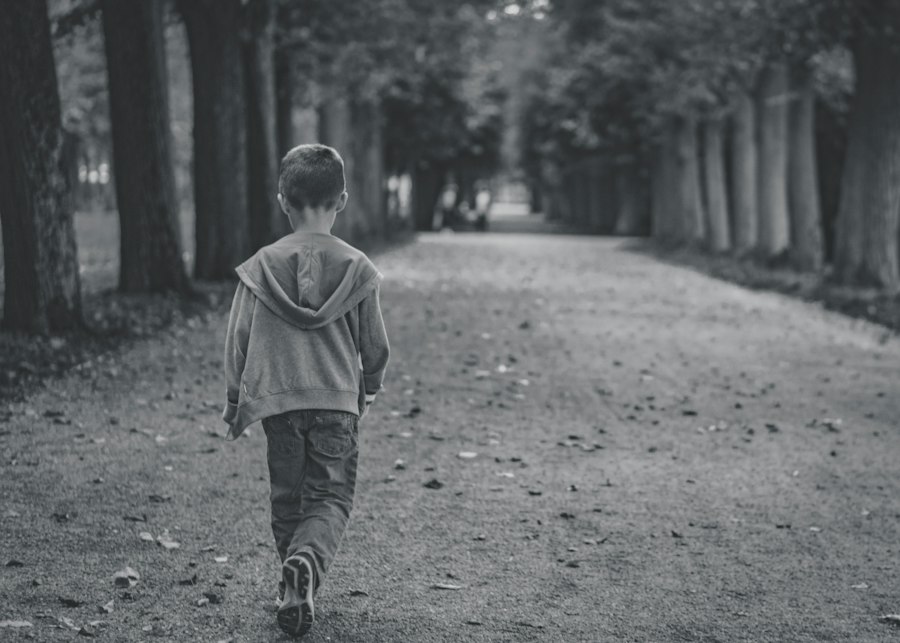
Children are highly susceptible to the expectations that are placed upon them, whether they originate from themselves, their families, or societal norms. These internalized beliefs can become powerful drivers of behavior, often leading to self-fulfilling prophecies that reinforce their existing self-image.
Parental Expectations: Shaping Ambitions and Perceived Potential
The expectations that parents hold for their children can significantly influence their self-perception and future aspirations. These expectations can be explicit or implicit, consciously communicated or subtly conveyed through parental behavior.
The Pressure to Succeed and Meet High Standards
When parents have very high expectations for their children, it can be a double-edged sword. While it can motivate some children to strive for excellence, it can also create immense pressure and anxiety. Children who constantly feel they are falling short of their parents’ elevated standards may develop a sense of inadequacy, believing they are never good enough. This can lead to perfectionism and a fear of making mistakes, as any perceived failure is seen as a profound disappointment.
The Freedom to Explore and Develop Naturally
Conversely, parents who foster an environment of acceptance and allow their children to explore their interests without excessive pressure can promote a healthier self-image. When children feel supported in their endeavors, regardless of the outcome, they are more likely to develop resilience and a genuine sense of self-worth. This approach encourages self-discovery and allows children to set their own goals based on their passions and capabilities, rather than external demands.
Societal and Cultural Norms: The External Gaze on Self
Children are also influenced by the broader societal and cultural messages they receive about what is considered desirable or successful. These norms, often transmitted through media, education, and social discourse, can subtly or overtly shape a child’s understanding of themselves.
The Impact of Media Portrayals and Stereotypes
Children are exposed to a constant stream of images and narratives through television, movies, books, and the internet. If these portrayals reinforce stereotypes about gender, race, ability, or appearance, they can lead children to internalize these messages and judge themselves accordingly. For example, children who don’t see themselves represented positively in the media may develop a sense of invisibility or feel like they don’t measure up to societal ideals.
The Internalization of ‘Success’ and ‘Failure’
Societal definitions of success, often tied to material wealth, academic achievement, or social status, can create a framework within which children evaluate themselves. If a child perceives themselves as not fitting these conventional definitions of success, they may develop a negative self-image. This can lead to feelings of shame or envy, and a belief that they are somehow deficient or less valuable than others who appear to meet these societal benchmarks.
The Lasting Scars and Strengths: Trauma and Resilience in Childhood

Certain childhood experiences, particularly those involving trauma or significant adversity, can have profound and long-lasting effects on an individual’s self-image. However, these experiences can also foster incredible resilience and the development of inner strengths.
The Wounds of Abuse and Neglect: Deeper Scars on Self-Esteem
Childhood abuse, whether physical, emotional, or sexual, and severe neglect can have devastating consequences for a child’s developing self-image. These experiences often involve betrayal and a profound violation of trust, leading to deep-seated feelings of worthlessness, shame, and self-blame.
Internalized Shame and Self-Condemnation
Survivors of abuse and neglect often internalize the harmful messages they received, leading to a persistent sense of being inherently flawed or damaged. They may believe they deserved the abuse or that there is something fundamentally wrong with them. This can manifest as chronic self-criticism, self-sabotaging behaviors, and a deep-seated fear of intimacy, as they may believe they are not worthy of love and connection.
The Struggle for Trust and Safety
The trauma of abuse and neglect can erode a child’s ability to trust others and feel safe in the world. This can lead to hypervigilance, anxiety, and a difficulty forming secure attachments in adulthood. The internalized belief that the world is a dangerous place and that people are untrustworthy can make it challenging to build healthy relationships and can further contribute to a negative self-image, characterized by isolation and fear.
The Triumph of Resilience: Emerging Stronger from Adversity
Despite the profound challenges posed by trauma, many individuals emerge from adverse childhood experiences with remarkable resilience and a deep sense of inner strength. These experiences, while difficult, can forge a powerful sense of self-reliance and an appreciation for life.
The Development of Coping Mechanisms and Inner Strength
Navigating difficult childhood circumstances often requires children to develop sophisticated coping mechanisms and an inner resilience that serves them throughout their lives. They learn to adapt, to persevere, and to find strength in their own abilities. This can lead to a robust sense of self-efficacy and a belief in their capacity to overcome challenges, even those that seem insurmountable.
A Deeper Appreciation for Life and Connection
For some, overcoming adversity can foster a profound appreciation for life, relationships, and personal well-being. They may develop a heightened sense of empathy for others who are suffering and a strong desire to contribute positively to the world. This can lead to a self-image characterized by compassion, purpose, and a deep understanding of the human experience.
Childhood experiences play a crucial role in shaping an individual’s self-image, influencing how they perceive themselves and interact with the world around them. For a deeper understanding of this topic, you can explore an insightful article that delves into the various factors that contribute to self-perception and personal development. This resource highlights the importance of early relationships and experiences in forming a positive or negative self-image. To learn more about these dynamics, you can read the article here.
The Ongoing Journey: Nurturing a Healthy Self-Image in Adulthood
| Childhood Experience | Impact on Self-Image | Associated Metrics/Indicators | Research Findings |
|---|---|---|---|
| Parental Support and Warmth | Positive self-esteem and confidence | Self-esteem scores, social competence ratings | Children with supportive parents show higher self-worth and social skills (Harter, 1999) |
| Childhood Neglect or Abuse | Low self-esteem, negative self-concept | Incidence of depression, anxiety, self-reported self-worth | Abused children often develop poor self-image and emotional difficulties (Cicchetti & Toth, 2005) |
| Peer Relationships | Sense of belonging or social rejection impacts self-image | Peer acceptance scores, bullying reports, social anxiety levels | Positive peer interactions correlate with higher self-esteem (Rubin et al., 2006) |
| Academic Success or Failure | Self-efficacy and competence beliefs | Grades, teacher evaluations, self-efficacy scales | Academic achievement boosts self-confidence; failure can lower self-image (Bandura, 1997) |
| Parental Criticism | Increased self-doubt and negative self-perception | Frequency of critical comments, child self-report of self-criticism | High parental criticism linked to lower self-esteem (Rohner, 2004) |
| Exposure to Media and Cultural Messages | Body image and identity formation | Body satisfaction surveys, identity development scales | Media exposure influences body image and self-concept in children (Grabe et al., 2008) |
The impact of childhood experiences on self-image is not a static phenomenon. While the foundations are laid early, the journey of self-discovery and self-acceptance continues throughout life. Adults can actively work to reframe negative self-perceptions and cultivate a healthier and more positive self-image.
The Power of Self-Awareness and Reflection
The first step in nurturing a healthy self-image in adulthood is developing self-awareness. Understanding how past experiences have shaped one’s current beliefs and behaviors is crucial for initiating change.
Identifying Triggers and Negative Thought Patterns
Recognizing the triggers that elicit negative self-talk and identifying recurring negative thought patterns are essential. This awareness allows individuals to challenge these thoughts and replace them with more realistic and compassionate ones. Journaling, mindfulness, and introspection can be powerful tools in this process.
Embracing Self-Compassion and Forgiveness
Practicing self-compassion involves treating oneself with the same kindness, understanding, and acceptance that one would offer to a dear friend. This means acknowledging imperfections, forgiving past mistakes, and recognizing that everyone is on a journey of learning and growth. Self-forgiveness, particularly for perceived childhood failings, can be a liberating process.
Seeking Support and Building Healthy Relationships
The process of healing and strengthening one’s self-image is often enhanced by seeking support from others and cultivating healthy relationships.
The Role of Therapy and Professional Guidance
Therapy can provide a safe and supportive space for individuals to explore the lasting impact of their childhood experiences. A skilled therapist can help individuals understand their patterns of behavior, process past traumas, and develop healthier coping mechanisms and self-perceptions. Techniques such as Cognitive Behavioral Therapy (CBT) and Eye Movement Desensitization and Reprocessing (EMDR) can be particularly effective.
Cultivating Positive and Supportive Relationships
Surrounding oneself with supportive, encouraging, and accepting individuals can significantly contribute to a positive self-image. Healthy relationships provide validation, belonging, and a sense of being valued. These connections can offer a counter-narrative to negative childhood experiences and reinforce a sense of worth and belonging.
In conclusion, the tapestry of an individual’s self-image is woven with threads of their earliest experiences. From the gentle affirmations of loving caregivers to the sharp sting of peer rejection, from the triumphs of academic achievement to the shadows of trauma, each interaction and event leaves an imprint. While these childhood experiences can cast long shadows, they also hold the potential to forge inner strengths and resilience. By fostering self-awareness, practicing self-compassion, and seeking supportive connections, individuals can actively shape their self-image, transforming the echoes of the past into a confident and fulfilling present. The journey of understanding and nurturing one’s self-image is a lifelong endeavor, but the seeds of a positive and robust sense of self are sown in the fertile ground of childhood, and with conscious effort, they can continue to blossom throughout life.

They Told Healthy Children Something Was Wrong With Their Speech
FAQs
1. What are childhood experiences?
Childhood experiences refer to the various events, interactions, and relationships that a person encounters during their formative years, typically from birth to adolescence.
2. How do childhood experiences shape self-image?
Childhood experiences can significantly impact a person’s self-image by influencing their beliefs, values, and perceptions about themselves. Positive experiences can lead to a healthy self-image, while negative experiences can result in low self-esteem and self-doubt.
3. What are some examples of childhood experiences that can shape self-image?
Examples of childhood experiences that can shape self-image include parental relationships, peer interactions, academic achievements, traumatic events, cultural influences, and societal expectations.
4. Can childhood experiences have long-lasting effects on self-image?
Yes, childhood experiences can have long-lasting effects on self-image. Negative experiences such as abuse, neglect, or bullying can create deep-seated insecurities and self-doubt that may persist into adulthood if not addressed.
5. How can individuals overcome negative childhood experiences to improve their self-image?
Individuals can overcome negative childhood experiences and improve their self-image through therapy, self-reflection, building supportive relationships, practicing self-care, and challenging negative beliefs about themselves. It is important to seek professional help if childhood experiences continue to impact self-image negatively.