You’ve felt it, haven’t you? That prickle of unease, that tightening in your chest, the instinct to retreat when the topic of sharing your inner world arises. It’s the familiar, unwelcome guest: the fear of vulnerability. You understand, intellectually, that being open and authentic is often framed as a virtue, a path to deeper connection and personal growth. Yet, in practice, it feels anything but safe. It feels like standing naked in a storm, exposed to every harsh element, every judgmental gaze. Why is it that something so inherently human, so fundamental to our experience, can evoke such profound dread?
The danger of vulnerability isn’t an abstract concept; it’s a visceral, deeply ingrained response. It’s woven into the fabric of how you navigate the world, a protective shield meticulously crafted over years of experience. This article will explore the multifaceted reasons behind this pervasive sense of unsafety, delving into the psychological, social, and evolutionary underpinnings that make you want to keep your true self locked away. You’ll discover why vulnerability often feels like a gamble with high stakes, and why the perceived risks can outweigh the promised rewards in your mind.
You carry with you a history, a tapestry woven with threads of both joy and pain. And it’s often within the darker threads of that tapestry that the seeds of your fear of vulnerability were sown. You learned, perhaps early on, that showing your true feelings, your doubts, or your weaknesses could lead to negative consequences. These experiences, whether overt or subtle, created associations, imprinting a strong correlation between exposure and suffering.
Childhood Lessons and the Price of Openness
Think back to your childhood. Were you told to be strong, to “toughen up,” when you expressed sadness or fear? Did you witness parents or caregivers being ridiculed or dismissed when they were emotionally open? These early lessons, often delivered with the best intentions of preparing you for a tough world, inadvertently taught you that vulnerability is a liability.
- The Silent Treatment as a Weapon: You might have experienced times when sharing your feelings led to withdrawal, anger, or even punishment. This taught you that your emotional expressions were unwelcome, something to be suppressed.
- The Burden of Being the “Strong One”: If you were the child who always had to be responsible, the one who had to be brave, you may have internalized the belief that showing any sign of need or weakness was a failure.
- Unmet Needs and Emotional Neglect: In families where emotional needs were not consistently met, expressing those needs could feel futile or even dangerous. You learned that your vulnerability would go unnoticed or, worse, be met with indifference, reinforcing a sense of being alone with your struggles.
The Sting of Betrayal and Broken Trust
As you’ve grown, you’ve likely encountered situations where your trust was shattered. You may have confided in someone, only to have that information used against you, or twisted and shared with others. These experiences of betrayal are particularly potent in shaping your perception of vulnerability.
- The Power of Gossip and Judgment: You might have shared something deeply personal with a friend, only to hear it become the subject of hushed conversations or outright mockery. This teaches you that the social fabric, which you hoped would be a source of support, can also be a breeding ground for judgment.
- Exploitation of Weaknesses: There are individuals who, consciously or unconsciously, seek out and exploit the vulnerabilities of others. You may have encountered such people, leaving you with a lingering sense of caution and a reluctance to reveal anything that could be used as leverage.
- The Erosion of Intimacy: When vulnerability is met with hurt, it creates a barrier to future intimacy. You learn to build walls, not to protect yourself from physical harm, but from the emotional wounds that seem inevitable when you dare to be open.
Vulnerability often feels dangerous because it exposes us to the risk of judgment, rejection, and emotional pain. This fear can stem from past experiences where being open led to negative outcomes, making it challenging to embrace vulnerability in our relationships and personal growth. For a deeper exploration of this topic, you can read the article on the psychology of vulnerability and its impact on our lives at Unplugged Psychology. Understanding these dynamics can help us navigate our fears and foster healthier connections with ourselves and others.
Societal Pressures: The Unwritten Rules of Stoicism
Beyond your personal history, you are also a product of the society you inhabit. Societal norms and expectations play a significant role in shaping your understanding of what is acceptable and what is not when it comes to emotional expression. Many cultures, particularly Western ones, have historically emphasized stoicism and emotional control, leading to a pervasive narrative that equates vulnerability with weakness.
The Masculinity Myth: “Real Men Don’t Cry”
For many, the pressure to be vulnerable is amplified by gendered expectations. The traditional ideals of masculinity often dictate that men should be strong, stoic, and emotionally unexpressive. Showing sadness, fear, or insecurity is often perceived as a deviation from this ideal, a sign of weakness or femininity.
- Internalized Shame: You may have internalized these messages so deeply that you feel an automatic sense of shame when you experience emotions that are deemed “unmanly.” This can lead to a constant internal battle, trying to suppress feelings that are entirely natural.
- The Fear of Appearing “Soft”: The perception that showing vulnerability will make you appear “soft” or less capable in professional or social settings can be a powerful deterrent. You worry about being underestimated or overlooked.
- Impact on Relationships: This pressure can also create challenges in relationships, as men may struggle to connect emotionally with partners or friends, leading to feelings of isolation and misunderstanding.
The Performance of Perfection: The Curated Self Online and Off
In an age dominated by social media, you are constantly bombarded with curated images of perfection. People present polished, idealized versions of their lives, showcasing successes, happiness, and flawless appearances. This creates an unspoken pressure to do the same, making genuine vulnerability feel out of place and potentially even embarrassing.
- The Illusion of Effortless Success: You see others seemingly achieving great things with ease, and this can make your own struggles and insecurities feel like personal failures. You might feel like you’re the only one who isn’t living up to some invisible standard.
- The Comparison Trap: The constant stream of seemingly perfect lives fuels a relentless comparison trap. You compare your messy reality to someone else’s highlight reel, and vulnerability feels like admitting you don’t measure up.
- The Fear of Being Judged for Imperfection: When everyone else appears to have it all together, admitting your struggles or admitting you don’t have all the answers can feel like inviting judgment. You fear being seen as less capable, less worthy, or simply “broken.”
The Evolutionary Imperative: Survival of the Strongest

From an evolutionary perspective, vulnerability can indeed be a dangerous proposition. For much of human history, survival depended on strength, resilience, and the ability to fend off threats. Revealing weaknesses could have made individuals or groups targets for predators or rival tribes. This ancient wiring still influences your modern-day responses.
The Animalistic Instinct to Hide Weakness
Your primal brain is still wired for survival. It recognizes threats, both physical and social, and triggers protective responses. In this context, vulnerability is perceived as a potential threat to your well-being, a signal to others that you are less able to defend yourself.
- The “Prey” Mentality: When you feel exposed and uncertain, your brain can activate a “prey” mentality, where you become hyper-aware of potential dangers and feel a strong urge to retreat or camouflage yourself.
- The Fear of Being “Eaten Alive” Socially: While you’re not literally being hunted, the social consequences of vulnerability can feel just as severe. Being ostracized, ridiculed, or rejected can feel like a form of social “death.”
- The Protective Shell: This evolutionary drive contributes to the natural inclination to build a protective shell around yourself, a barrier that shields your perceived vulnerabilities from the outside world.
The Power Dynamics of Disclosure
Throughout human history, power has often been associated with control and the withholding of information. Those who hold power are often less vulnerable because they have resources and influence. Conversely, those in less powerful positions may feel compelled to hide their vulnerabilities to avoid further disempowerment.
- The Risk of Being Manipulated: In situations where there’s a power imbalance, revealing your vulnerabilities can open you up to manipulation. Those with more power might exploit your fears or insecurities to their advantage.
- The “Know Your Enemy” Mentality: In competitive environments, whether it’s the workplace or social circles, sharing your weaknesses can feel like giving your opponents an advantage. You learn to guard your information closely.
- The Longing for Safety in Control: This inherent understanding of power dynamics reinforces your desire for control. When you feel in control, you feel safer. Vulnerability, by its very nature, relinquishes some of that control, making it feel inherently risky.
The Internal Dialogue: Self-Criticism and the Fear of Judgment

Even if the external world were perfectly safe, your internal world can be a significant source of your fear of vulnerability. The critical voice within you, often a product of past experiences and societal conditioning, can be your harshest judge, magnifying any perceived flaw or weakness.
The Inner Critic as a Guard Dog
Your inner critic is not necessarily malicious; it’s often a well-intentioned, albeit misguided, attempt to protect you from perceived harm. However, it can become overly aggressive, constantly on the lookout for reasons why you aren’t good enough.
- Magnifying Flaws: When you dare to be vulnerable, your inner critic often jumps on any perceived imperfection, blowing it out of proportion. A slight stutter or a moment of hesitation can be amplified into a sign of complete incompetence.
- Anticipating Negative Reactions: This critic is often adept at predicting negative reactions from others, even when those reactions are unlikely. It floods your mind with worst-case scenarios, making it difficult to act authentically.
- The “If Only” Syndrome: Your inner critic thrives on “if only” statements: “If only I were smarter, prettier, more confident, then I could be vulnerable.” This creates an endless cycle of self-improvement as a prerequisite for safety, a goal that is perpetually out of reach.
The All-or-Nothing Thinking of Self-Worth
Your fear of vulnerability can be deeply tied to your sense of self-worth. You may fall into the trap of all-or-nothing thinking, believing that if any part of you is flawed or imperfect, then your entire being is unworthy of love or acceptance.
- The Belief That Imperfection Equals Rejection: You might believe that if people see your flaws, they will automatically reject you. This is a dangerous leap, as it assumes that imperfection is inherently unlovable.
- The Pressure to Be “Perfectly” Vulnerable: Ironically, you can even fear being vulnerable because you fear doing it “wrong.” You worry about being too emotional, not emotional enough, or expressing yourself in a way that is deemed unacceptable.
- The False Dichotomy of Strength and Weakness: You might see strength and weakness as mutually exclusive. If you are vulnerable, you cannot be strong. This false dichotomy prevents you from recognizing that true strength often lies in acknowledging and integrating your vulnerabilities.
Many people struggle with the concept of vulnerability, often perceiving it as a threat to their emotional safety. This feeling can stem from past experiences where openness led to rejection or hurt. Understanding the underlying reasons for this fear can be enlightening, and a related article explores the complexities of vulnerability and its impact on our relationships. For more insights, you can read about it in this informative article. By examining these dynamics, individuals can begin to navigate their fears and embrace vulnerability as a pathway to deeper connections.
The Unseen Costs: The Isolation of Armor
| Reasons Vulnerability Feels Dangerous |
|---|
| 1. Fear of rejection or abandonment |
| 2. Feeling exposed or unprotected |
| 3. Concerns about being judged or criticized |
| 4. Risk of emotional pain or hurt |
| 5. Loss of control or power |
While the immediate impulse to protect yourself from the perceived danger of vulnerability is understandable, living behind a shield comes with its own set of profound and often unseen costs. The very armor you wear to keep you safe can also isolate you from the very connections and experiences that make life meaningful.
The Loneliness of the Fortress
When you guard your vulnerabilities too closely, you inadvertently build a fortress around yourself. While this may feel secure, it also prevents others from truly entering your world. This can lead to a deep and pervasive sense of loneliness, even when surrounded by people.
- Surface-Level Relationships: Your interactions may remain at a surface level, devoid of the depth and intimacy that comes from genuine emotional sharing. You may have many acquaintances but few true confidantes.
- The Ache of Unmet Needs: You may crave deeper connection and understanding, but your own defenses prevent you from expressing these needs or allowing others to meet them.
- The Feeling of Being Misunderstood: Even when you try to connect, if you’re not truly revealing your inner self, others may struggle to truly understand you, leading to a constant sense of being on the outside looking in.
The Stagnation of Personal Growth
Vulnerability is a catalyst for growth. It pushes you to confront your fears, learn from your mistakes, and develop resilience. When you avoid it, you risk stagnation, remaining trapped in old patterns and limiting your potential.
- Missed Opportunities for Learning: When you don’t admit you don’t know something or that you’ve made a mistake, you miss the opportunity to learn from others and to refine your understanding.
- The Cycle of Avoidance: Avoiding vulnerability often leads to a cycle of avoidance. You may postpone difficult conversations, avoid challenging situations, and generally steer clear of anything that might require you to be open.
- A Diminished Sense of Self-Awareness: True self-awareness often arises from reflecting on your experiences, including your moments of vulnerability. Without this, your understanding of yourself can remain superficial.
The Erosion of Authenticity
Ultimately, the greatest danger of avoiding vulnerability is the erosion of your authentic self. When you constantly present a curated version of who you are, you begin to lose touch with the genuine person beneath the mask. This can lead to a profound sense of disconnect and a feeling that you are living a life that isn’t truly yours.
- The Exhaustion of Performance: Constantly maintaining a facade is exhausting. You are expending energy on pretending, rather than on truly living.
- The Question of Identity: Over time, the lines between your authentic self and the persona you present can blur, leaving you questioning who you truly are when the mask is off.
- The Longing for Freedom: The desire for freedom from this constant performance can become a powerful motivator, pushing you to consider the true meaning and necessity of vulnerability, even with its inherent risks.
You understand now that the danger of vulnerability is not a simple fear of being disliked or rejected. It’s a complex interplay of past hurts, societal conditioning, evolutionary instincts, and your own internal dialogue. It’s the carefully constructed armor that, while designed for protection, also prevents you from experiencing the richness and depth of genuine human connection. The journey towards embracing vulnerability is not about erasing these fears, but about understanding them, acknowledging their power, and choosing, step by courageous step, to let them guide you less and to let your true self emerge more.
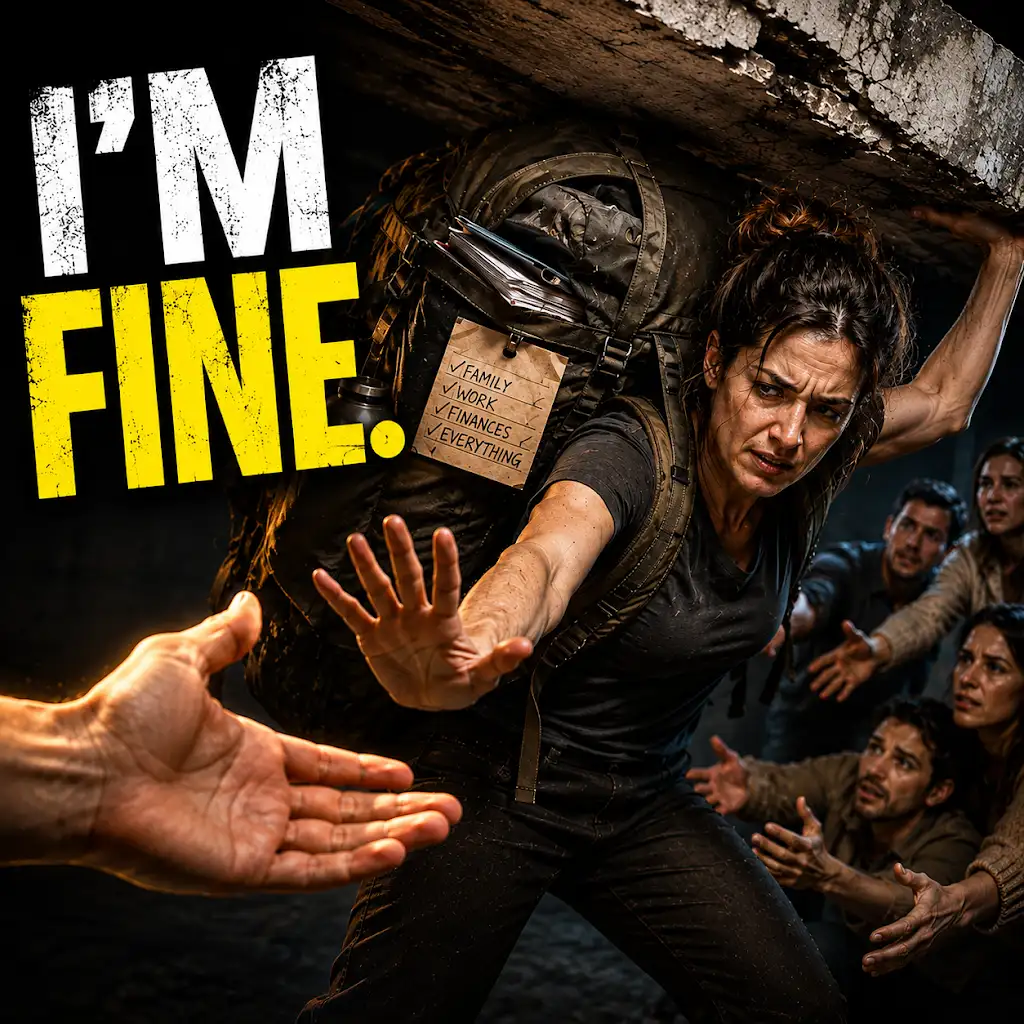
The Hidden Cost of Being “The Strong One”
FAQs
What is vulnerability?
Vulnerability is the state of being open to emotional or physical harm. It involves the willingness to expose oneself and take risks, often in the context of relationships or personal growth.
Why does vulnerability feel dangerous?
Vulnerability feels dangerous because it involves the risk of rejection, judgment, or emotional pain. It can also make individuals feel exposed and out of control, leading to feelings of fear and discomfort.
What are the benefits of vulnerability?
Despite feeling dangerous, vulnerability can lead to deeper connections with others, personal growth, and increased resilience. It can also foster empathy and understanding in relationships.
How can one practice vulnerability in a healthy way?
Practicing vulnerability in a healthy way involves setting boundaries, building trust with others, and being authentic in expressing emotions and needs. It also involves self-compassion and self-awareness.
What are some strategies for managing the fear of vulnerability?
Strategies for managing the fear of vulnerability include building self-confidence, seeking support from trusted individuals, and reframing vulnerability as a strength rather than a weakness. Additionally, practicing mindfulness and self-care can help individuals navigate their fears.