
You might experience it in the dead of night, when the world outside your window has faded to a hush. Or perhaps it strikes in the quiet stillness of an empty room, after the last echo of conversation has died. It’s the unsettling nature of silence, and for many, it breeds a peculiar kind of anxiety – the anxiety of stillness. You’ve felt it, haven’t you? That creeping unease that surfaces when the usual cacophony of life suddenly ceases, leaving you exposed to the unvarnished landscape of your own mind. This isn’t the peaceful quiet of deep meditation or contented solitude. This is a charged silence, pregnant with unspoken thoughts and unaddressed emotions. It’s the stillness that demands your attention, an attention you might not be ready to give.
For a society wired for constant stimulation, silence can feel like an intruder. You’re conditioned to fill every gap, to have a soundtrack running in the background of your existence. The ping of a notification, the hum of traffic, the murmur of voices – these are the familiar comforts that shield you from the vastness of internal quiet. When that shield is removed, you’re left to confront what lies beneath, and that, for many, is an unsettling prospect.
The Constant Companion: Noise as a Distraction
Think about your average day. How much of it is spent actively engaged with external stimuli? You wake up to an alarm, check your phone, listen to the news during your commute, work with music or podcasts in the background, watch TV in the evening, and scroll through social media until you fall asleep. Noise isn’t just entertainment; it’s a pervasive, almost invisible, coping mechanism. It’s the buffer between you and the raw, unfiltered experience of being yourself. When the noise inevitably fades, the silence that rushes in can feel deafening, not because it’s loud, but because it’s so profoundly empty of the usual distractions.
The Echo Chamber: Confronting Your Inner Monologue
In the absence of external sound, your own thoughts become amplified. This is where the anxiety truly takes root. You might replay past conversations, dissect perceived criticisms, or ruminate on future worries. Without the usual background hum to dissipate them, these thoughts can feel overwhelming, a relentless torrent of self-doubt and unease. It’s as if the silence has flung open the doors to your inner monologue, and you’re suddenly forced to listen to everything you’ve been trying to avoid.
The Blank Canvas: Fear of the Unwritten
Silence, in its purest form, is a blank canvas. It offers the potential for creativity, for contemplation, for drawing your own meaning. However, for the anxious mind, this blankness can be terrifying. It’s the fear of what you might not find there, the fear of emptiness, the fear of your own lack of internal richness. You might feel a pressure to fill that void, to conjure up something interesting or profound, and the inability to do so can be a source of significant distress. You’re not accustomed to the quiet space where new ideas might organically sprout; you’re used to having them provided, pre-packaged and easily consumed.
Many individuals experience a sense of anxiety when confronted with stillness, as explored in the article “Why Does Stillness Make Me Anxious?” on Unplugged Psych. This phenomenon can be attributed to various factors, including the discomfort of facing one’s thoughts and emotions in silence. The article delves into the psychological underpinnings of this anxiety and offers insights on how to navigate these feelings. For a deeper understanding, you can read the full article here: Why Does Stillness Make Me Anxious?.
The Hidden Terrors: What Silence Reveals
The anxiety of stillness isn’t just about the absence of sound; it’s about what that absence allows to surface. It’s about the buried anxieties, the unacknowledged fears, and the suppressed emotions that a busy life conveniently keeps at bay. When the world quiets down, these hidden terrors have a tendency to emerge, demanding your attention.
The Ghosts of the Past: Unresolved Conflicts and Regrets
Silence can be a potent reminder of unresolved conflicts, past mistakes, and lingering regrets. Without the distractions of daily life, these memories can resurface with vivid clarity. You might find yourself replaying arguments, wishing you had said or done something differently, or dwelling on opportunities missed. This rumination, amplified by the quiet, can be a significant source of anxiety, as you feel trapped by the weight of your past. You might wonder if you’ll ever truly escape the repercussions of certain decisions, and the silence offers no easy answers, only the persistent echo of your own internal questioning.
The Shadows of the Future: Worries and Uncertainties
Just as the past can haunt you in the quiet, so too can the future. The unstructured nature of silence can give free rein to your worries about what’s to come. You might find yourself catastrophizing, imagining worst-case scenarios, and feeling a profound sense of helplessness in the face of all the unknowns. This is especially true for those who struggle with generalized anxiety or perfectionism, where the lack of external structure can exacerbate their tendency to overthink and anticipate disaster. You might feel ill-equipped to navigate the uncertainties of life, and the silence offers no reassurance, only the stark reality of your own vulnerabilities.
The Uncomfortable Self: Self-Awareness and Vulnerability
Perhaps the most profound terror that silence can reveal is the unvarnished truth of yourself. In the quiet, you are forced to confront your own insecurities, your perceived flaws, and your deeper emotional landscape. This can be a deeply uncomfortable experience, especially if you’ve spent years building up defenses and avoiding genuine self-reflection. The silence strips away the pretenses, leaving you exposed to your own vulnerability, and that can be a source of immense anxiety. You might not like what you discover, or you might feel overwhelmed by the sheer depth of your own internal world, a world you haven’t dared to explore before.
The Paradox of Connection: Loneliness in the Quiet
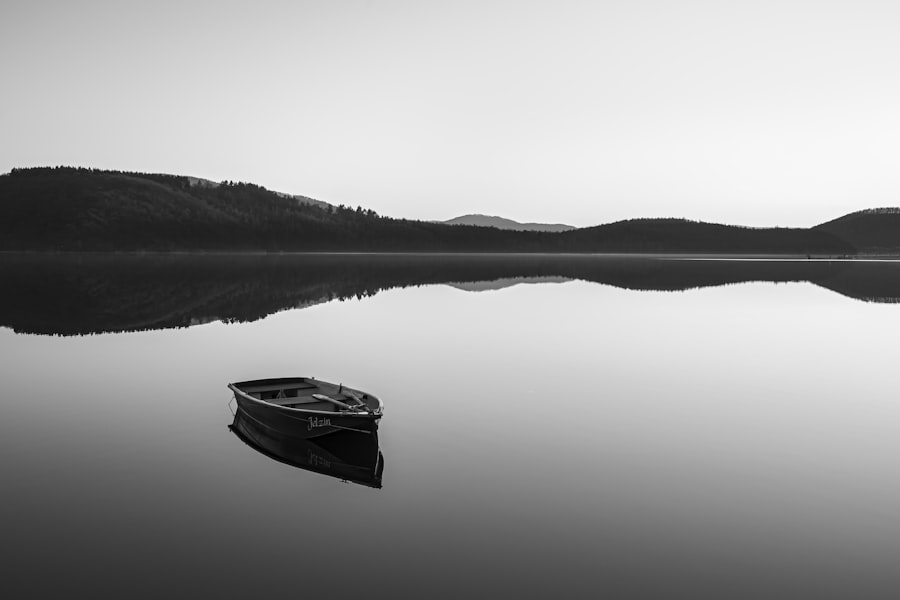
Ironically, the anxiety of stillness can sometimes manifest as a profound sense of loneliness, even when you’re not physically alone. The silence can highlight a lack of genuine connection, a feeling of being misunderstood, or a disconnect from others that was previously masked by social interaction and superficial noise.
The Disconnect in Company: Superficial Interactions
You might be surrounded by people, engaged in conversations, yet still feel a profound sense of isolation. This is often because the interactions are superficial, lacking depth and genuine understanding. The silence that follows these interactions, or even permeates them, can highlight the gulf between you and others, amplifying a feeling of being alone in a crowded room. You might feel like you’re merely performing, going through the motions of connection, and the silence serves as a stark reminder of the absence of that true resonance.
The Unbridgeable Gap: The Longing for True Empathy
The anxiety of stillness can stem from a deep-seated longing for true empathy and understanding. In the quiet, you become acutely aware of the moments when you’ve felt unheard, unseen, or invalidated. The silence then becomes a testament to the unbridgeable gaps in your connections, and the longing for someone to truly understand your inner world can be a gnawing source of anxiety. You might feel isolated by your unique experiences and emotions, and the silence offers no immediate solace, only the stark reality of your perceived disconnect.
The Illusion of Solitude: When Being Alone Feels Like Being Abandoned
For some, the anxiety of stillness can blur the lines between solitude and abandonment. The quiet can trigger primal fears of being left behind, of being unsupported, and of having to face life’s challenges entirely on your own. This is particularly true for those who have experienced past traumas or abandonment, where silence can become a potent trigger for feelings of fear and vulnerability. You might feel as though the world has receded, leaving you utterly alone, and the silence is a confirmation of that terrifying isolation.
Reclaiming the Space: Strategies for Navigating the Anxious Silence

The anxiety of stillness doesn’t have to be a debilitating force. By understanding its roots and employing mindful strategies, you can learn to navigate the unsettling nature of silence and even find peace within it. It’s about shifting your perspective, not about eradicating the quiet altogether.
The Gentle Introduction: Gradual Exposure to Quiet
Just as you wouldn’t jump into a marathon without training, you can’t expect to embrace profound silence without easing into it. Start with small increments of quiet time. Turn off the TV for fifteen minutes, go for a walk without headphones, or dedicate a few minutes each day to simply sitting in stillness. This gradual exposure allows your nervous system to adjust and your mind to become more accustomed to the absence of external noise without feeling overwhelmed. You’re training yourself to be more comfortable with less, gradually expanding your tolerance for quiet.
The Art of Observation: Witnessing Your Inner Landscape
Instead of fighting the thoughts and emotions that arise in silence, learn to observe them with curiosity and non-judgment. Imagine them as clouds passing through the sky of your mind. You don’t need to grab onto them, analyze them endlessly, or be swept away by them. Simply acknowledge their presence, note their texture, and then allow them to drift on. This practice of mindful observation can help you detach from the immediate grip of anxiety, creating a sense of spaciousness between you and your thoughts. You’re not your thoughts; you are the consciousness that observes them.
The Active Acknowledgment: Naming and Validating Your Feelings
When unsettling emotions surface in the quiet, resist the urge to suppress them. Instead, try to name them and acknowledge their presence. Say to yourself, “I’m feeling anxious,” “I’m experiencing regret,” or “I’m feeling a sense of loneliness.” This act of naming, even if it feels uncomfortable, can be incredibly powerful. It validates your feelings and helps to demystify them. By acknowledging them, you reduce their power over you; you’re no longer fighting an unknown enemy, but confronting a recognizable emotion.
The Creative Outlet: Channeling Your Inner World
Silence can be a fertile ground for creativity. If you find yourself overwhelmed by internal chatter, try channeling that energy into a creative outlet. Write in a journal, draw, paint, play a musical instrument, or engage in any activity that allows you to express yourself non-verbally. This can be a powerful way to process emotions and ideas that might otherwise remain dormant and anxiety-inducing. You’re transforming the potentially disruptive energy of silence into something constructive and fulfilling.
Many people experience a sense of unease when confronted with stillness, as it can amplify thoughts and feelings that are often easier to ignore in a busy environment. This phenomenon is explored in depth in a related article that discusses the psychological implications of quiet moments and how they can trigger anxiety for some individuals. If you’re curious to learn more about this topic, you can read the full article here. Understanding the reasons behind this anxiety can help individuals find healthier ways to cope with moments of silence.
Discovering the Potential: Silence as a Source of Strength and Insight
| Reasons for Stillness Anxiety | Explanation |
|---|---|
| Lack of Distraction | Without external stimuli, the mind may focus on negative thoughts or worries. |
| Uncomfortable Emotions | Stillness can bring up uncomfortable emotions that are usually suppressed by constant activity. |
| Feeling of Inactivity | Some people may feel unproductive or lazy when they are not constantly busy. |
| Overthinking | Without distractions, the mind may start overthinking and creating unnecessary stress. |
The anxiety of stillness is a common human experience, but it doesn’t have to define your relationship with quiet. By shifting your perspective, you can begin to see silence not as an emptiness to be feared, but as a rich space for growth, self-discovery, and profound connection to yourself.
The Inner Sanctuary: Silence as a Refuge for Reflection
When you learn to embrace stillness, you discover an inner sanctuary, a quiet refuge where you can retreat from the demands of the external world. This is where true reflection and introspection can flourish. In this space, you can gain clarity on your values, your goals, and your own unique path. You can listen to your intuition, untainted by the noise of external opinions and expectations. This is the time to reconnect with your core self, to remember who you are beneath all the layers of societal pressure and daily hustle.
The Wellspring of Creativity: Unlocking Your Inner Genius
The silence that once sparked anxiety can become a potent wellspring of creativity. When your mind is not constantly bombarded with external input, it has the space to wander, to connect disparate ideas, and to generate novel solutions. Many of the greatest artistic and scientific breakthroughs have emerged from periods of quiet contemplation. By cultivating comfort with silence, you are unlocking your own innate capacity for innovation and insight. You might find that your most brilliant ideas arrive not in the midst of chaos, but in the peaceful expanse of quietude.
The Deeper Connection: Authenticity in Stillness
Paradoxically, the anxiety of stillness can lead to a deeper, more authentic connection with yourself and with others. When you are comfortable in your own quiet company, you are less likely to seek validation or rely on others to fill your emotional void. This self-sufficiency allows you to engage in relationships from a place of genuine presence and authenticity, rather than from a place of need. You can offer your true self to others, free from the mask of busyness and distraction. You discover that true connection isn’t about constant noise, but about the quiet understanding shared between souls.
You might still feel that flicker of unease when the world goes quiet, but you now possess the tools and the understanding to navigate it. The anxiety of stillness is not a sentence, but an invitation – an invitation to explore the rich landscape of your inner world, to uncover its hidden treasures, and to discover the quiet strength that lies within you. You are not defined by the noise you consume, but by the depth you can find when you allow yourself to simply be.

Why You Can’t Relax (Even When There’s Nothing Wrong)
FAQs
1. What is stillness anxiety?
Stillness anxiety, also known as kinesiophobia, is the fear or anxiety of being still or experiencing a lack of movement. It can manifest as a feeling of restlessness, discomfort, or unease when faced with stillness or quiet.
2. Why does stillness make some people anxious?
Stillness can make some people anxious due to a variety of reasons, including a fear of the unknown, a feeling of loss of control, past traumatic experiences, or an underlying anxiety disorder. Additionally, some individuals may have a natural inclination towards constant movement and stimulation.
3. What are the symptoms of stillness anxiety?
Symptoms of stillness anxiety may include restlessness, irritability, muscle tension, difficulty concentrating, racing thoughts, and an overwhelming urge to move or engage in activities to avoid stillness.
4. How can stillness anxiety be managed?
Stillness anxiety can be managed through various techniques such as mindfulness meditation, deep breathing exercises, progressive muscle relaxation, cognitive-behavioral therapy, and seeking support from a mental health professional. Engaging in regular physical activity and creating a calming environment can also help alleviate stillness anxiety.
5. When should someone seek professional help for stillness anxiety?
If stillness anxiety significantly impacts an individual’s daily life, relationships, or overall well-being, it is important to seek professional help. Additionally, if the anxiety is accompanied by other mental health symptoms such as panic attacks, persistent worry, or avoidance behaviors, it is advisable to consult a mental health professional for assessment and support.