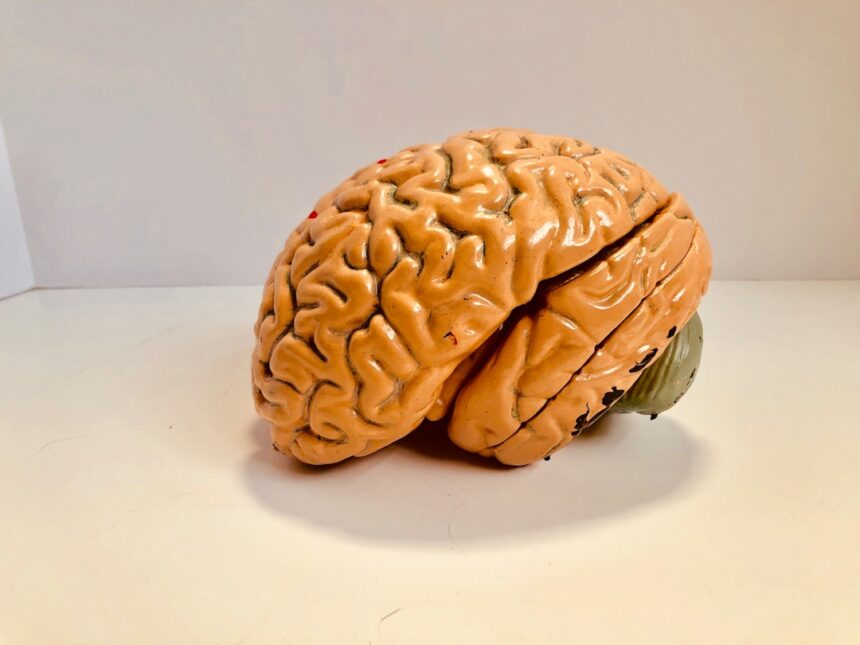
Your brain is not a static sculpture, carved from unyielding marble. Instead, consider it a dynamic, ever-shifting landscape, a vibrant ecosystem where connections are forged and reformed with every experience. This remarkable capacity for change is known as neuroplasticity, and understanding its power is the key to unlocking your brain’s full potential for health and resilience throughout your life.
Neuroplasticity, derived from the Greek words “neuron” (nerve cell) and “plastikos” (malleable), refers to the brain’s ability to reorganize itself by forming new neural connections or altering existing ones. For a long time, the prevailing scientific view was that the adult brain was largely fixed, its structure determined in early development. However, advancements in neuroscience have unequivocally demonstrated that this is not the case. Your brain remains a work in progress, capable of rewiring itself in response to learning, injury, and even your thoughts and behaviors.
What Happens at the Neural Level?
At its core, neuroplasticity involves changes at the synaptic level. When you learn something new, engage in a challenging mental activity, or experience something novel, the communication pathways between your neurons strengthen. This strengthening can occur in several ways:
Strengthening Synaptic Connections
- Long-Term Potentiation (LTP): This is a persistent strengthening of synapses based on recent patterns of activity. Think of it like building a well-trodden path through a forest. The more you use a particular route, the clearer and easier it becomes to navigate. Similarly, the more frequently two neurons communicate, the stronger and more efficient their connection becomes.
- Long-Term Depression (LTD): Conversely, synapses that are not used frequently can weaken and even be pruned. This is akin to an overgrown or unused path becoming overgrown and eventually disappearing. This process of weakening and elimination is crucial for refining neural networks and removing inefficient connections.
Structural Changes in the Brain
Neuroplasticity isn’t just about strengthening or weakening existing connections; it can also lead to tangible structural changes within the brain.
- Neurogenesis: While previously thought to be limited to early development, research has shown that neurogenesis – the birth of new neurons – occurs in certain brain regions, notably the hippocampus, even in adulthood. This process is particularly stimulated by learning and exercise.
- Axonal and Dendritic Remodeling: Neurons have long projections called axons that transmit signals, and branch-like structures called dendrites that receive signals. With experience, these structures can grow, retract, and sprout new branches, fundamentally altering the circuitry of the brain. This is like building new roads or adding more exits and entrances to your existing road network.
- Cortical Reorganization: The brain’s cortex, responsible for higher-level cognitive functions, can also reorganize itself. For instance, if you lose the use of a limb, the brain regions that previously controlled that limb may be taken over by adjacent or related functions. This is a powerful testament to the brain’s ability to adapt and compensate.
Neuroplasticity plays a crucial role in maintaining brain health and enhancing cognitive functions throughout our lives. For those interested in exploring this fascinating topic further, a related article can be found at Unplugged Psychology, which delves into the mechanisms of neuroplasticity and offers practical tips for harnessing its benefits to improve mental well-being.
The Driving Forces Behind Neuroplasticity
While your brain possesses an inherent capacity for change, certain factors can significantly amplify or diminish neuroplasticity. Understanding these drivers allows you to consciously cultivate a brain that is more adaptable and resilient.
Learning and Novelty
The most potent catalyst for neuroplasticity is engaging in new and challenging learning experiences. When you step outside your comfort zone and acquire new skills or knowledge, you are actively forcing your brain to forge new pathways.
- Acquiring New Skills: Whether it’s learning a new language, a musical instrument, or a complex software program, the process of skill acquisition demands significant neural rewiring. Your brain dedicates resources to creating dedicated networks for these new abilities.
- Exposure to Novelty: Even simple exposure to new environments, people, or ideas can stimulate neuroplasticity. Breaking free from routine and embracing the unfamiliar can keep your brain stimulated and adaptable.
- Cognitive Challenges: Puzzles, strategic games, and activities that require problem-solving and critical thinking are powerful tools for fostering brain plasticity. They push your cognitive limits and necessitate the formation of new neural connections to tackle these challenges.
Lifestyle Factors: The Pillars of Brain Health
Beyond deliberate learning, your daily lifestyle choices play a foundational role in supporting and enhancing neuroplasticity. These are not mere add-ons but essential components for maintaining a healthy, adaptable brain.
The Role of Physical Exercise
Physical activity is a potent neurotrophic agent, meaning it promotes the growth and survival of neurons. Regular exercise has a profound impact on brain health and plasticity.
- Increased Blood Flow: Exercise enhances blood flow to the brain, delivering vital oxygen and nutrients that are essential for neuronal function and plasticity. Think of it as ensuring your brain’s hydroelectric dam is receiving a consistent and robust supply of water.
- Release of Neurotrophic Factors: Exercise stimulates the release of Brain-Derived Neurotrophic Factor (BDNF), often referred to as “Miracle-Gro for the brain.” BDNF plays a critical role in neurogenesis, neuronal survival, and the strengthening of synaptic connections.
- Improved Cognitive Function: Studies consistently show a strong correlation between regular physical activity and improved cognitive abilities, including memory, attention, and executive functions, all of which are underpinned by neuroplasticity.
The Significance of Sleep
Adequate and quality sleep is not simply a period of rest; it is a critical time for brain repair, consolidation of memories, and the pruning of unnecessary neural connections, all facets of neuroplasticity.
- Memory Consolidation: During sleep, your brain processes and reinforces the information learned during the day, strengthening important neural pathways and consolidating memories. This is like your brain’s diligent librarian organizing and filing away the day’s new information, making it readily accessible.
- Synaptic Homeostasis: Sleep is believed to play a role in synaptic homeostasis, a process that balances synaptic strengthening and weakening to maintain efficient neural networks.
- Waste Removal: The glymphatic system, which clears waste products from the brain, is most active during sleep. Accumulation of these waste products can impair neuronal function and plasticity.
The Impact of Nutrition
The food you eat directly influences the building blocks and functional efficiency of your brain. A nutrient-rich diet provides the essential components for optimal neuroplasticity.
- Omega-3 Fatty Acids: These essential fats are crucial for cell membrane structure and function within the brain, supporting neuronal communication and reducing inflammation.
- Antioxidants: Found in fruits, vegetables, and berries, antioxidants protect brain cells from damage caused by free radicals, which can hinder plasticity.
- Vitamins and Minerals: B vitamins, vitamin D, magnesium, and zinc are all vital for neurotransmitter synthesis and overall brain health, impacting the brain’s ability to adapt and grow.
Harnessing Neuroplasticity for Cognitive Enhancement

Understanding the principles of neuroplasticity empowers you to actively cultivate a sharper, more resilient mind. By strategically engaging in activities that promote brain change, you can enhance your cognitive abilities and protect against age-related cognitive decline.
Strategies for Cognitive Training
Cognitive training involves engaging in targeted mental exercises designed to improve specific cognitive functions, thereby stimulating neuroplasticity.
- Memory Enhancement Techniques: Techniques like spaced repetition, mnemonic devices, and visualization can significantly improve your ability to recall information by strengthening the neural pathways associated with memory.
- Attention Training: Mindfulness meditation and focus exercises can help train your brain to sustain attention and filter out distractions, improving your ability to concentrate on tasks.
- Problem-Solving and Critical Thinking: Activities that require you to analyze situations, evaluate evidence, and devise solutions, such as complex puzzles or engaging in debates, challenge your cognitive flexibility and promote structural brain changes.
The Power of Mindset
Your beliefs about your own abilities, often referred to as your mindset, have a profound impact on your brain’s capacity for change.
- Growth Mindset vs. Fixed Mindset: A growth mindset, the belief that your abilities can be developed through dedication and hard work, is a powerful enabler of neuroplasticity. Conversely, a fixed mindset, the belief that your abilities are innate and unchangeable, can actively hinder your brain’s potential for growth. Embracing challenges, learning from criticism, and persisting in the face of setbacks are hallmark traits of a growth mindset that foster brain plasticity.
- Self-Efficacy: Believing in your own ability to succeed in a specific cognitive task can boost your motivation and engagement, leading to more effective learning and greater neuroplastic changes.
Neuroplasticity and Recovery from Brain Injury

One of the most compelling demonstrations of neuroplasticity’s power lies in its role in recovery from neurological injuries, such as stroke or traumatic brain injury.
Rehabilitation and the Rewiring of the Brain
When brain damage occurs, surviving neurons and unaffected areas of the brain can often take over the functions of the damaged regions. This intricate process of rewiring is the cornerstone of neuro-rehabilitation.
- Therapeutic Interventions: Physical therapy, occupational therapy, and speech therapy are all designed to stimulate and guide the brain’s natural plasticity. These therapies provide targeted experiences that encourage the formation of new neural pathways and the strengthening of existing ones.
- Intensive and Repetitive Practice: The key to successful rehabilitation often lies in the intensity and repetition of exercises. Consistent effort signals to the brain that these pathways are important and need to be strengthened.
- Compensatory Strategies: In some cases, the brain may develop compensatory strategies, where one part of the brain takes on the role of a damaged area. This is another example of the brain’s impressive adaptability.
The Importance of Early Intervention
The principle of “use it or lose it” is particularly relevant in the context of brain injury. Early and consistent engagement in rehabilitation can significantly influence the extent of recovery.
- Critical Period Hypothesis: While the brain remains plastic throughout life, there may be certain periods where it is particularly receptive to change and organization following injury.
- Preventing Maladaptive Plasticity: Without proper rehabilitation, the brain might reorganize itself in ways that are not optimal, potentially leading to persistent functional deficits.
Neuroplasticity plays a crucial role in maintaining brain health, as it allows the brain to adapt and reorganize itself in response to new experiences and learning. For those interested in exploring this fascinating topic further, a related article can be found at Unplugged Psych, which delves into the various ways neuroplasticity can enhance cognitive function and emotional well-being. Understanding these concepts can empower individuals to take proactive steps in nurturing their brain health throughout their lives.
Maintaining Brain Health for a Lifetime
| Metric | Description | Typical Range/Value | Relevance to Neuroplasticity and Brain Health |
|---|---|---|---|
| Brain-Derived Neurotrophic Factor (BDNF) Levels | Protein that supports neuron growth and survival | 5-30 ng/mL (serum) | Higher BDNF levels are associated with enhanced neuroplasticity and cognitive function |
| Hippocampal Volume | Size of the hippocampus region in the brain | Approximately 3-4 cm³ in adults | Increased volume correlates with better memory and learning capacity |
| Synaptic Density | Number of synapses per unit volume of brain tissue | 10^9 synapses per mm³ (varies by region) | Higher synaptic density indicates greater connectivity and plasticity |
| Neurogenesis Rate | Rate of new neuron formation, especially in the hippocampus | Estimated hundreds to thousands of new neurons per day | Increased neurogenesis supports learning, memory, and brain repair |
| Cognitive Flexibility Score | Performance measure on tasks requiring mental adaptability | Varies by test; e.g., Wisconsin Card Sorting Test score | Higher scores reflect better neuroplasticity and executive function |
| Functional Connectivity | Strength of communication between brain regions (measured by fMRI) | Correlation coefficients typically range from 0 to 1 | Stronger connectivity is linked to improved cognitive processing and plasticity |
| Inflammatory Markers (e.g., IL-6, TNF-α) | Levels of pro-inflammatory cytokines in blood or CSF | IL-6: | Lower inflammation supports better neuroplasticity and brain health |
Neuroplasticity is not a fleeting phenomenon; it is a lifelong capacity that you can nurture and leverage to maintain cognitive vitality and overall well-being as you age.
The Neuroprotective Benefits of Lifelong Learning
Continuing to engage your brain with new challenges and learning opportunities throughout your life acts as a powerful buffer against age-related cognitive decline.
- Building Cognitive Reserve: Lifelong learning helps build “cognitive reserve,” a sort of neural resilience that allows the brain to better withstand the effects of aging and pathology. Think of it as having more backup systems in place.
- Delaying Onset of Neurodegenerative Diseases: Research suggests that individuals who engage in mentally stimulating activities throughout their lives may experience a delayed onset of conditions like Alzheimer’s disease.
The Role of Social Engagement and Emotional Well-being
Your social connections and emotional state are also integral to maintaining a plastic and healthy brain.
- Social Interaction as a Stimulus: Engaging in meaningful social interactions provides cognitive stimulation, challenges your communication skills, and can reduce stress, all of which have positive effects on brain health. Being part of a community is like a constant stream of varied sensory input for your brain.
- Stress Management and Emotional Regulation: Chronic stress can negatively impact neuroplasticity by releasing hormones like cortisol that can damage brain cells and hinder new growth. Developing effective stress management techniques is therefore crucial for brain health.
- Mindfulness and Positive Emotions: Practicing mindfulness and cultivating positive emotions can help reduce stress and promote a more adaptable and resilient brain.
By understanding and actively engaging with the principles of neuroplasticity, you are not merely hoping for a healthy brain; you are actively participating in its creation and maintenance. Your brain is a testament to your life experiences, a continually evolving landscape shaped by your choices and your engagement with the world. Embrace this dynamic capacity, and you unlock the power to learn, adapt, and thrive throughout your life.
FAQs
What is neuroplasticity?
Neuroplasticity is the brain’s ability to reorganize itself by forming new neural connections throughout life. This adaptability allows the brain to compensate for injury, adjust to new experiences, and improve cognitive functions.
How does neuroplasticity affect brain health?
Neuroplasticity supports brain health by enabling recovery from brain injuries, enhancing learning and memory, and helping the brain adapt to changes. It plays a crucial role in maintaining cognitive function and preventing decline.
Can neuroplasticity be improved or enhanced?
Yes, neuroplasticity can be enhanced through activities such as regular physical exercise, mental stimulation (like puzzles and learning new skills), adequate sleep, and a healthy diet. These practices promote the growth of new neural connections.
Does age affect neuroplasticity?
While neuroplasticity is more pronounced in childhood, the adult brain retains the ability to change and adapt. Although it may slow with age, engaging in stimulating activities can help maintain and even improve neuroplasticity throughout life.
What role does neuroplasticity play in recovery from brain injuries?
Neuroplasticity allows the brain to reorganize and form new pathways to compensate for damaged areas after injury. This process is fundamental in rehabilitation, helping patients regain lost functions and improve overall brain health.