
You stand at a precipice. Your relationship, once a vibrant landscape, now feels like a parched desert, riddled with fissures. The easy laughter has faded, replaced by strained silences or escalating arguments. The intimacy that once felt like a natural current now feels forced, like trying to push a boulder uphill. You know, deep down, that something needs to change, and fast. This isn’t about minor adjustments; it’s about a foundational overhaul, a desperate bid to reclaim what feels lost. You’re confronting the “72 Hour Repair Test,” a concentrated, intensive intervention designed to address critical relational breakdowns and lay the groundwork for long-term recovery within a tightly defined timeframe. This isn’t a magic bullet, but rather a surgical strike, a focused effort to halt the bleeding and initiate healing in a relationship that is teetering on the brink.
You might wonder, why 72 hours? This isn’t an arbitrary number. The 72-hour timeframe is a strategic decision, operating on several psychological and practical principles. Think of it like a medical emergency; a critical patient needs immediate, intensive care to stabilize before long-term recovery can even begin. Relationships in crisis often mirror this urgency. Prolonged periods of unresolved conflict, emotional distance, and festering resentment erode the very fabric of the bond. The longer these issues persist, the deeper the grooves they carve, making them exponentially harder to dislodge.
The Erosion of Trust and Goodwill
Imagine trust as a delicate edifice, painstakingly built brick by brick over time. Each unresolved argument, each perceived slight, each instance of emotional unavailability acts like a tiny hammer chip by chip, weakening its foundation. Over an extended period, this erosion becomes catastrophic. Within 72 hours, the goal is to halt this destructive process, to prevent further damage, and to begin the arduous task of repair. You’re trying to prevent the entire structure from collapsing.
The Power of Intensive Focus
In your daily life, you are constantly bombarded with distractions – work, family obligations, personal commitments. These can easily overshadow the critical needs of your relationship. The 72-hour test demands an intensity of focus that everyday life rarely allows. It’s a deliberate withdrawal from the usual chaotic currents, a conscious decision to dedicate yourselves entirely to the task at hand. This concentrated energy, this unwavering attention, can be a powerful catalyst for change. You’re creating an isolated, controlled environment where the only priority is rebuilding.
Breaking Destructive Patterns
Relationships in distress often fall into predictable, destructive patterns. You might find yourselves having the same arguments, using the same hurtful language, or retreating into the same silent corners. These patterns become deeply ingrained, like well-worn paths in a forest. The 72-hour period offers a unique opportunity to consciously disrupt these patterns. By intentionally shifting your environment, your activities, and your communication, you can create new, more constructive pathways. You’re trying to reroute a river that has carved a destructive course.
The concept of the 72-hour repair test for relationships is an intriguing approach to understanding how couples can effectively address conflicts and strengthen their bond. For those interested in exploring this topic further, a related article can be found at Unplugged Psych, which delves into various strategies for improving communication and emotional connection in partnerships. This resource provides valuable insights that can complement the principles of the 72-hour repair test, offering practical advice for navigating relationship challenges.
Pre-Test Preparation: Laying the Foundation for Success
Before you even begin the 72-hour intensive, significant preparation is required. This isn’t a spontaneous endeavor; it’s a planned intervention. Skipping this crucial phase is akin to building a house without a blueprint – it’s likely to crumble. You need to create the optimal conditions for success.
Mutual Agreement and Commitment
This is non-negotiable. Both partners must genuinely agree to participate in the 72-hour test. This isn’t about one person dragging the other along; it’s about a shared commitment to repair. Without this mutual buy-in, the effort is doomed. You both need to understand the gravity of the situation and the effort required. Think of it as agreeing to embark on a difficult expedition together.
Identifying Core Issues (Before the Bell Rings)
Before the clock starts ticking, you and your partner should, independently or with the help of a neutral third party (like a counselor), identify the primary issues plaguing your relationship. This isn’t about assigning blame but about cataloging the pain points. These might include communication breakdowns, unmet emotional needs, lack of intimacy, financial disagreements, or parenting conflicts. Having a clear understanding of these issues will help you direct your efforts during the 72 hours. You’re mapping out the battlefield before the engagement.
Creating a Conducive Environment
For 72 hours, you need to minimize external distractions. This often means:
Disconnecting from Technology
Put away your phones, turn off notifications, and limit screen time. The outside world can wait. Your attention needs to be fully on your partner and your relationship. Think of it as creating a digital detox for your relationship.
Choosing a Neutral Space
Sometimes, your home environment is too loaded with past arguments and negative associations. Consider a neutral location, such as a rented cabin, a weekend getaway, or even a local hotel. This change of scenery can help break old patterns and foster a sense of new beginnings. You’re physically separating yourselves from the entrenched negativity.
Arranging Practicalities
Ensure childcare is covered, work commitments are addressed, and any other external responsibilities are managed. The goal is to eliminate anything that could pull your focus away from the test. You’re clearing the decks for this critical operation.
The 72-Hour Blueprint: Structured Intervention and Active Engagement
Once the preparatory work is done, the 72-hour clock begins. This phase is about structured intervention, active engagement, and intentional effort. It’s not a free-for-all; it’s a carefully orchestrated series of steps designed to maximize your chances of success.
Day 1: Acknowledgment and Active Listening
The first 24 hours are critical for laying down a foundation of understanding and empathy. Often, in conflicted relationships, partners stop truly hearing each other, instead preparing their own counter-arguments.
Uninterrupted Sharing and Validation
Each partner takes turns expressing their feelings, concerns, and perceptions of the relationship’s issues, without interruption or defense from the other. The listener’s role is solely to hear and validate the speaker’s experience. Phrases like “I hear that you feel X when Y happens” or “I understand why that would make you feel Z” are paramount. This isn’t about agreeing, but about acknowledging the other person’s reality. Think of yourselves as two lawyers, but instead of cross-examining, you are delivering your opening statements without objection.
Identifying Shared Goals
Despite the current difficulties, you likely share underlying hopes and aspirations for the relationship. Dedicate time to collaboratively identify these shared goals. What does a healthy, fulfilling relationship look like for both of you? What values do you both cherish? This exercise can re-establish a sense of common ground and shared purpose. You’re looking for the fertile soil beneath the parched surface.
Practicing Empathy Exercises
Engage in exercises designed to foster empathy. This could involve role-playing each other’s perspectives in a recent conflict, or simply spending time discussing how you imagine the other person is feeling about a specific issue. The aim is to step into your partner’s shoes, even if only for a short time. You’re trying to see the world through their eyes.
Day 2: Rebuilding Communication and Connection
Having laid a foundation of acknowledgment, the second day shifts towards actively rebuilding communication pathways and re-establishing connection.
Structured Communication Drills
Many couples struggle with productive communication. Implement structured drills. One effective technique is the “speaker-listener” format, where one person speaks for a set amount of time about an issue, and the other person paraphrases what they heard back, ensuring comprehension, before switching roles. This forces active listening and reduces misinterpretations. You’re practicing a new language of conversation.
Reflecting on Positive Memories
Often, in times of distress, the brain tends to focus on the negative. Dedicate time to intentionally recall and discuss positive memories from your relationship. Look at old photos, reminisce about shared adventures, or recount early moments of connection. This can help to re-ignite feelings of fondness and appreciation, reminding you of the love that once blossomed. You’re watering the roots of your shared history.
Re-engaging in Shared Activities
Rekindle activities you once enjoyed together, or discover new ones. This could be cooking a meal, going for a hike, playing a board game, or listening to music. The goal is to create new positive shared experiences that aren’t centered around conflict. These shared moments are like threads, weaving your connection back together.
Day 3: Forgiveness, Future-Pacing, and Aftercare Planning
The final 24 hours are about processing remaining grievances, envisioning a future, and critically, planning for how to maintain the momentum gained.
Addressing Resentment and Forgiveness
This is often the most challenging aspect. Acknowledge and discuss lingering resentments. Both partners need to understand that forgiveness is not about condoning past hurtful actions, but about releasing the emotional burden they carry. This might involve sincere apologies and expressions of regret. It’s like lancing an emotional wound to allow it to heal.
Collaborative Future-Pacing
Shift your focus from the past and present into the future. Discuss what concrete changes you both want to see in the relationship moving forward. How will you handle disagreements? What will weekly connection look like? What are your individual and shared aspirations? This creates a roadmap for continued progress. You’re charting a new course together.
Developing a Maintenance Plan (Aftercare)
The 72-hour test is an intense sprint, but it’s not a cure-all. You need a sustainable “aftercare” plan. This might include:
Scheduled “Check-in” Conversations
Regular, dedicated time to discuss the state of the relationship, individual needs, and any emerging issues. These shouldn’t be crisis points but proactive discussions.
Continuing Growth Activities
Commit to ongoing practices, such as mindfulness, individual therapy if needed, or couples’ workshops. Learning never stops.
Agreed-Upon Conflict Resolution Strategies
Have a mutually agreed-upon process for handling disagreements when they inevitably arise. This could involve taking breaks, using “I” statements, or seeking professional mediation if necessary. You’re building a fire escape for future emergencies.
Beyond the 72 Hours: Sustaining the Repair
The 72-hour test is a powerful starting gun, not the finish line. Its success hinges on your commitment to continuing the work long after the intensive period concludes. Think of it as a deep cleaning of a house that has been neglected; after the initial intensive effort, you still need to maintain daily cleanliness to prevent it from reverting to its former state.
Integration into Daily Life
The changes initiated during the 72 hours must be integrated into your everyday interactions. The communication techniques, empathy practices, and commitment to connection are not temporary tools; they are new habits to be cultivated. Regularly revisit the agreements and insights gained during the intensive.
The Realistic Expectation of Relapses
It is crucial to understand that setbacks are inevitable. You are dealing with deeply ingrained patterns and emotional complexities. There will be moments when you revert to old behaviors, when frustration flares, or when you feel disheartened. This is normal. The key is how you respond to these relapses. View them not as failures, but as opportunities to apply the tools and understandings you’ve developed. You’re navigating a winding road, and sometimes you’ll hit bumps.
Professional Support as an Ongoing Resource
For many couples, the 72-hour repair test is most effective when guided or followed up by a qualified couples therapist. A therapist can provide an objective perspective, teach proven communication techniques, offer personalized strategies, and help navigate particularly difficult emotional terrain. They can be a consistent anchor as you continue your journey of repair and growth. Think of a therapist as a seasoned guide who can help you navigate challenging terrain that you may not have encountered before.
In conclusion, the 72-Hour Repair Test is not a superficial fix, but a demanding, concentrated effort designed for relationships facing significant distress. It requires courage, vulnerability, and unwavering commitment from both partners. While it doesn’t guarantee a complete restoration, it offers a crucial window of opportunity to halt the destructive slide, initiate fundamental changes, and lay a robust foundation for a healthier, more connected future. The choice, ultimately, is yours: to face the challenge, or to let the desert claim your relationship entirely.
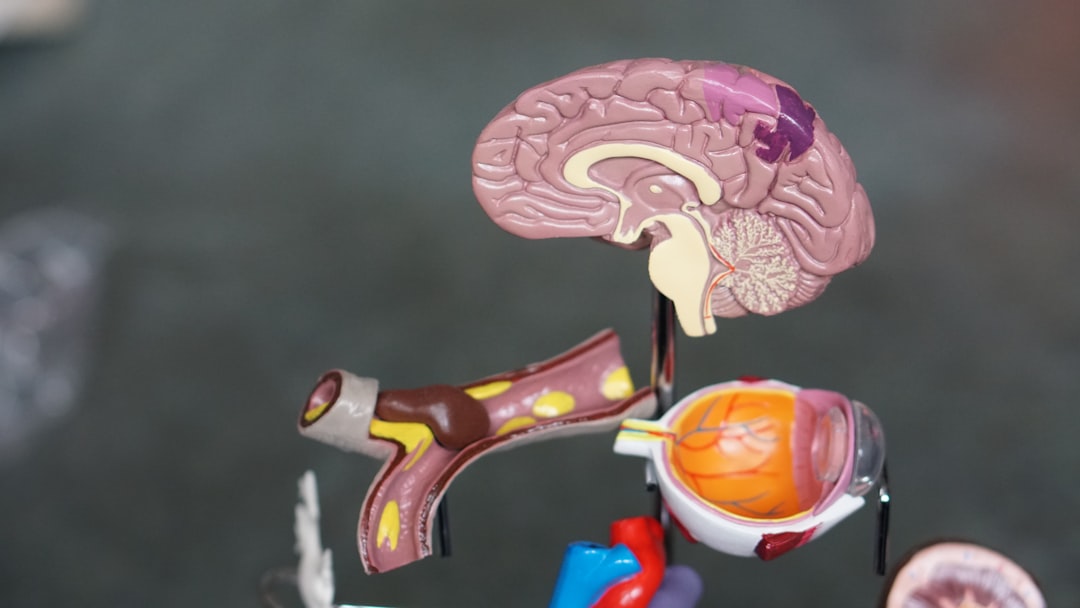
WARNING: Your Empathy Is a Biological Glitch (And They Know It)
FAQs
What is the 72 hour repair test for relationships?
The 72 hour repair test is a method used by couples to address conflicts or issues within a relationship by committing to resolve or discuss the problem within 72 hours of it arising. The goal is to prevent resentment and prolonged misunderstandings.
How does the 72 hour repair test work?
When a conflict or issue occurs, both partners agree to communicate and work towards a resolution within 72 hours. This involves open dialogue, active listening, and a willingness to understand each other’s perspectives to repair the relationship promptly.
Why is the 72 hour timeframe important?
The 72 hour timeframe is considered effective because it allows enough time for emotions to settle while still addressing the issue before it escalates or becomes ingrained. Delaying resolution can lead to increased frustration and damage to the relationship.
Can the 72 hour repair test be used for all types of relationship issues?
While the 72 hour repair test is useful for many everyday conflicts and misunderstandings, it may not be suitable for more complex or deeply rooted issues that require professional counseling or longer-term intervention.
What are the benefits of using the 72 hour repair test in relationships?
Benefits include improved communication, reduced resentment, quicker conflict resolution, and strengthened trust between partners. It encourages accountability and helps maintain a healthier, more resilient relationship dynamic.