The Robbers Cave Experiment, conducted in 1954 by Muzafer and Carolyn Sherif, stands as a seminal piece of research in social psychology, offering profound insights into the dynamics of group conflict, intergroup relations, and prejudice. Held at the Robbers Cave State Park in Oklahoma, the experiment was designed to investigate how easily intergroup hostility could be created and, more importantly, how it might be reduced. The Sherifs, building upon earlier work on group dynamics, sought to move beyond correlational studies and establish a causal link between realistic group conflict and the emergence of prejudice. The experiment’s meticulously crafted stages, involving the formation of cohesive groups, the introduction of competition, and the subsequent efforts at reconciliation, have made it a cornerstone for understanding a fundamental aspect of human social behavior.
The Robbers Cave Experiment was not a haphazard undertaking but a carefully staged process designed to isolate variables and observe their effects on group behavior. The initial phase focused on the fundamental creation of distinct, self-aware groups, which is a prerequisite for any intergroup interaction. The researchers understood that for conflict to emerge between groups, those groups must first exist and develop their own internal identities and loyalties. This initial stage was crucial for establishing a baseline of intergroup relations before introducing the catalysts for conflict.
Forming the Eagles and Rattlers: Establishing Group Identity
The experiment began with a cohort of 22 eleven-year-old boys, all from similar middle-class backgrounds and with no prior acquaintance with each other. They were randomly divided into two groups of 11 boys each, initially unaware of the existence of the other group. These groups were housed in separate cabins at the campsite, fostering a sense of isolation and promoting the development of their own unique cultures. The researchers meticulously observed and documented the emergent leadership structures, informal norms, and shared rituals within each group. This was not a passive observation; counselors, acting as researchers, subtly encouraged activities that would foster group cohesion, such as naming their groups (the Eagles and the Rattlers), creating flags, and developing internal mottos. The goal was to allow each group to bond, to feel a sense of “us,” a critical precursor to defining an “them.” This deliberate process of internal group formation was vital; without strong internal cohesion, the introduction of an external competing group might not elicit the same intensity of intergroup dynamics. The boys engaged in various activities together, reinforcing their shared identity and strengthening their bonds. This period, characterized by camaraderie and shared experiences, laid the groundwork for the intense rivalries that would soon follow.
The Unveiling of the “Other”: Seeds of Suspicion
Once the Eagles and Rattlers had established their own distinct identities and strong internal bonds, the researchers orchestrated the “discovery” of the other group. This revelation was not met with immediate openness but rather with apprehension and curiosity, setting the stage for the next phase of the experiment. The boys were made aware that another group of boys was present at the same camp. This awareness, coupled with the pre-existing strong in-group loyalties, immediately created a sense of separation and potential rivalry. The Sherifs observed how quickly the boys began to differentiate themselves from the “other,” attributing positive qualities to their own group and negative stereotypes to the newly discovered rivals. This initial unveiling, a seemingly minor event, was a critical turning point, introducing the concept of an out-group and planting the seeds of suspicion and potential conflict. The very existence of another group, perceived as separate and potentially competing for resources or status, was enough to trigger defensive mechanisms and the formation of an “us vs. them” mentality.
The Robbers Cave experiment, conducted by Muzafer Sherif in the 1950s, provided significant insights into group dynamics and intergroup conflict. For those interested in exploring related topics, an insightful article can be found at this link: Unplugged Psychology, which delves into the implications of the experiment and its relevance to understanding social behavior and conflict resolution in contemporary settings.
The Escalation of Conflict: Competition Ignites Hostility
The second phase of the Robbers Cave Experiment was designed to introduce direct competition between the two newly formed groups. The Sherifs theorized that introducing realistic conflict over scarce resources or desirable goals would inevitably lead to the development of prejudice and hostility. This was the core of their hypothesis: that intergroup conflict was not an innate human trait but a product of situational factors, specifically competition.
The Tournament of Conflict: A Game of Winners and Losers
To foster this competition, the Sherifs organized a series of games and contests between the Eagles and the Rattlers. This included activities like tug-of-war, baseball games, and treasure hunts, with desirable prizes, such as a trophy and pocketknives, awarded to the winners. The structure of the tournament was designed to create clear winners and losers, maximizing the potential for friction. As the competition unfolded, the boys’ behavior shifted dramatically. What began as playful rivalry quickly devolved into aggression and animosity. The Eagles and Rattlers engaged in name-calling, taunting, and increasingly aggressive actions towards each other. The initial excitement of the games soon turned into a fierce determination to defeat the opposing group, leading to outbursts of anger and frustration. The researchers meticulously documented the verbal and physical altercations, noting how quickly the boys polarized, viewing the other group as obstacles to their success. The desire to win became paramount, overriding any previous feelings of shared humanity.
Emergence of Prejudice and Stereotyping: Dehumanizing the “Other”
The direct competition had a profound impact on the boys’ perceptions of each other. Prejudice and stereotyping flourished as the boys began to view the opposing group not as individuals but as monolithic entities embodying negative traits. Each act of aggression from the other group was perceived as further evidence of their inherent malevolence, while their own aggressive actions were rationalized as justified responses. The Eagles started to see the Rattlers as “sneaky” and “mean,” while the Rattlers viewed the Eagles as “stuck-up” and “bullies.” This cognitive process of stereotyping allowed the boys to simplify their perception of the out-group, making it easier to justify their negative feelings and actions. The shared experiences of conflict within each group further solidified these stereotypes. Boys who exhibited aggressive tendencies towards the out-group were often praised and reinforced by their own group, further cementing the negative perceptions. This phase clearly demonstrated the power of competition in creating and reinforcing prejudice, illustrating how readily humans can develop negative biases when faced with perceived threats or competition for resources, even in the absence of prior animosity.
The Bitter Aftermath: The Roots of Reconciliation
Following the intense period of conflict, the Sherifs shifted the experiment’s focus. They aimed to explore whether the prejudice and hostility they had so effectively created could be dismantled and replaced with more positive intergroup relations. This phase was crucial in demonstrating that conflict was not an immutable state but a condition that could be addressed and potentially resolved through deliberate intervention.
The Illusion of Peace: Attempts at Superficial Reconciliation
The Sherifs initially attempted to reduce conflict through superficial means, such as bringing the groups together for shared meals or recreational activities. However, these efforts proved largely ineffective. The underlying animosity was too deeply ingrained, and the boys often reverted to their competitive and hostile behaviors even in seemingly neutral settings. The shared meals were often punctuated by tense silence or veiled insults. Attempts at joint recreation often devolved into arguments or further competition. This demonstrated that simply placing individuals from opposing groups together without addressing the root causes of their conflict was insufficient for fostering genuine reconciliation. The boys were still operating under the framework of their established rivalries, and superficial interactions did not penetrate these deep-seated attitudes. The researchers learned a valuable lesson: genuine intergroup harmony requires more than just proximity; it necessitates a fundamental shift in the perceived relationship between the groups.
The Lingering Scars: Resistance to Change
The boys exhibited significant resistance to the attempts at reconciliation. The prejudice and negative stereotypes had become deeply embedded in their group identities. Breaking down these ingrained beliefs proved to be a challenging task. The boys had invested emotionally in their animosity, and letting go of it meant challenging their own group’s narratives and experiences. Furthermore, the structure of the camp, even with the shift in activities, still implicitly maintained the separation and distinction between the two groups, making it difficult to foster a sense of common identity. This resistance highlighted the persistence of learned prejudices and the difficulty of altering established intergroup attitudes, even when presented with opportunities for positive interaction. The boys had become so accustomed to viewing the other group as an adversary that the idea of cooperation felt alien and potentially threatening.
The Solution: Superordinate Goals and the Power of Cooperation

The turning point in the Robbers Cave Experiment came with the introduction of superordinate goals. These were goals that were too large for either group to achieve independently, thus requiring collaboration and cooperation between the Eagles and the Rattlers. This ingenious strategy aimed to reframe their relationship from one of competition to one of mutual dependence and shared purpose.
The Water Crisis: A Shared Predicament
A simulated water shortage was created, where the camp’s water supply was allegedly cut off. The boys were told that the water pipes had been deliberately sabotaged, and both groups needed to work together to restore the water. This common threat required the boys to pool their resources and efforts, transcending their previous animosities. They had to devise a plan, find the source of the problem, and work together to fix it. This common predicament immediately shifted their focus. The urgency of the situation and the shared need for a basic resource like water forced them to put aside their differences. The common enemy was no longer the other group but the problem itself.
The Blocked Truck: A Collective Endeavor
In another powerful demonstration, a delivery truck carrying food and supplies for the camp became stuck in a ravine. The boys from both the Eagles and the Rattlers were encouraged to help pull the truck out. This physically demanding task required coordinated effort and teamwork. The initial hesitation and distrust gradually dissolved as the boys worked side-by-side, their shared exertion forging a new sense of camaraderie. The success of this endeavor, achieved through their combined strength, created a tangible sense of shared accomplishment. The boys experienced firsthand the benefits of cooperation, realizing that they were stronger and more effective when working together towards a common objective. This success not only resolved the immediate problem but also began to chip away at the negative stereotypes and fostered a sense of mutual respect.
The Robbers Cave experiment, conducted in the 1950s, provides fascinating insights into group dynamics and intergroup conflict, particularly among young boys. For those interested in exploring similar themes of social psychology and group behavior, a related article can be found at this link. The findings from the Robbers Cave study continue to resonate today, shedding light on how competition can foster hostility between groups while cooperation can lead to harmony.
The Legacy of Robbers Cave: Lessons for Today
| Metric | Details |
|---|---|
| Number of Participants | 22 boys |
| Age Range | 11-12 years old |
| Location | Robbers Cave State Park, Oklahoma |
| Duration | 3 weeks |
| Group Division | 2 groups of 11 boys each |
| Phase 1 | Group formation and bonding |
| Phase 2 | Intergroup competition |
| Phase 3 | Conflict resolution and cooperation tasks |
| Key Findings | Ingroup favoritism, outgroup hostility, and reduction of conflict through superordinate goals |
The Robbers Cave Experiment has had a profound and lasting impact on our understanding of intergroup conflict and prejudice. Its findings continue to be relevant in addressing societal issues, from ethnic strife to workplace dynamics. The experiment’s clear demonstration of how easily hostility can be manufactured and how effectively it can be reduced through shared goals provides a powerful framework for designing interventions and fostering more harmonious societies.
The Situational Nature of Prejudice: A Comforting Truth
One of the most significant takeaways from the Robbers Cave Experiment is the confirmation that prejudice and hostility are not inherent human traits but are often situational. The boys in the experiment were not inherently hateful individuals; their animosity was a direct result of the conditions created by the researchers. This realization offers a degree of comfort and hope. If prejudice can be created by specific circumstances, it can also be dismantled by changing those circumstances. This understanding empowers us to look beyond individual blame and focus on the societal structures and dynamics that contribute to intergroup conflict. It shifts the focus from inherent flaws in human nature to the modifiable elements of social interaction.
The Power of Superordinate Goals: A Blueprint for Harmony
The experiment’s most impactful lesson is the effectiveness of superordinate goals in reducing intergroup conflict. When individuals from different groups are united by a common, compelling objective that requires their mutual cooperation, the barriers of prejudice and hostility begin to crumble. This principle has been applied in various real-world settings, from conflict resolution initiatives in war-torn regions to team-building exercises in organizations. The idea is to create situations where the “other” becomes an ally in the pursuit of a shared vision. This not only fosters cooperation but also creates shared positive experiences that can overwrite negative memories and attitudes. The success in achieving these goals reinforces the value of collaboration and builds a foundation for lasting intergroup understanding and respect. The Sherifs’ work provides a practical and empirically supported roadmap for fostering peace and cooperation in a diverse world, reminding us that even the deepest divisions can be bridged when common purpose and shared humanity are prioritized.
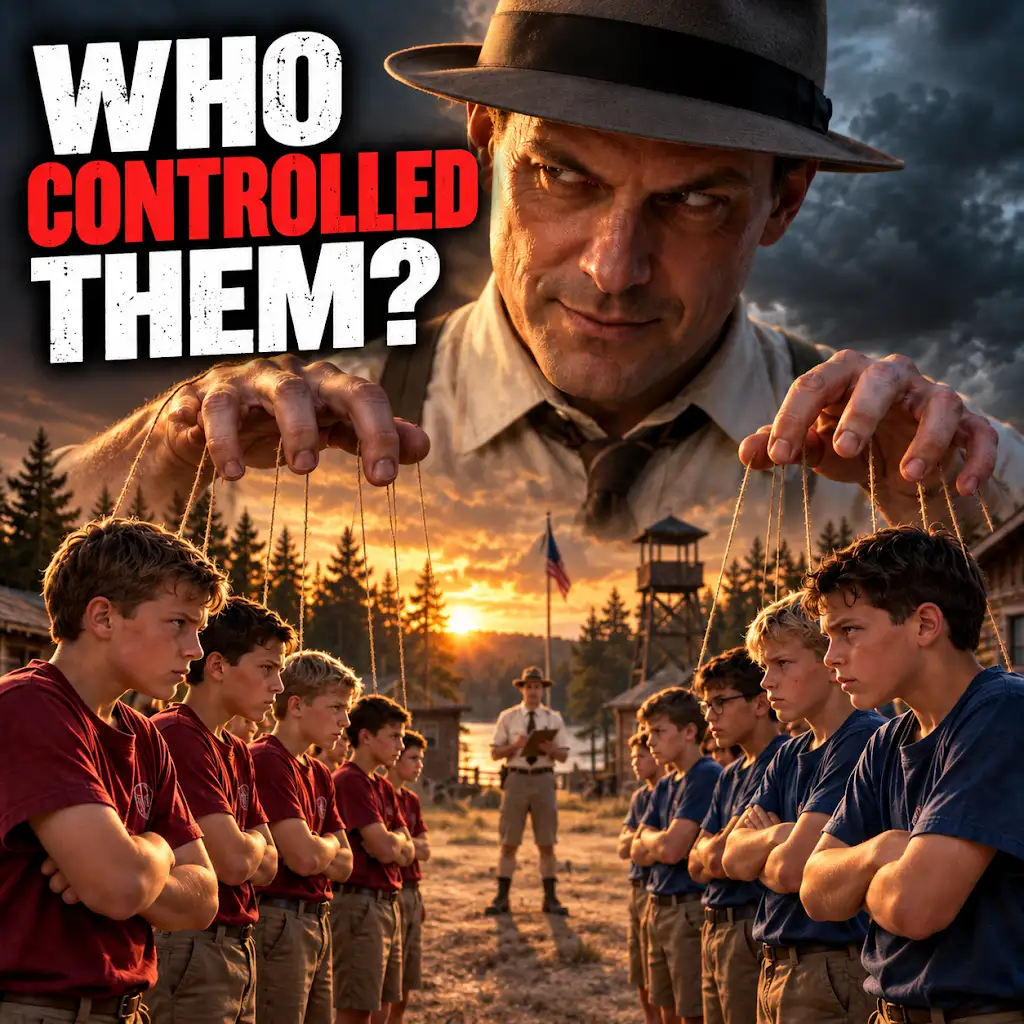
How 22 Boys Were Turned Into Enemies
FAQs
What is the Robbers Cave experiment?
The Robbers Cave experiment was a classic social psychology study conducted by Muzafer Sherif in 1954. It aimed to investigate intergroup conflict and cooperation among groups of boys at a summer camp.
How many boys participated in the Robbers Cave experiment?
A total of 22 boys aged 11 to 12 years old participated in the Robbers Cave experiment. They were divided into two groups of 11 boys each.
What were the key findings of the Robbers Cave experiment?
The key findings of the Robbers Cave experiment included the emergence of intergroup conflict, the formation of in-group identities, the development of stereotypes and prejudices, and the potential for reducing conflict through superordinate goals.
How did the Robbers Cave experiment demonstrate the impact of competition on group behavior?
The Robbers Cave experiment demonstrated that competition between groups can lead to increased hostility, aggression, and negative stereotypes towards the out-group. It also showed how cooperation towards a common goal can help reduce intergroup conflict.
What ethical considerations were raised by the Robbers Cave experiment?
The Robbers Cave experiment raised ethical concerns regarding the psychological harm caused to the participants, the lack of informed consent, and the manipulation of the boys’ behavior without their full understanding. These issues have sparked discussions about the ethical implications of conducting research on intergroup conflict.