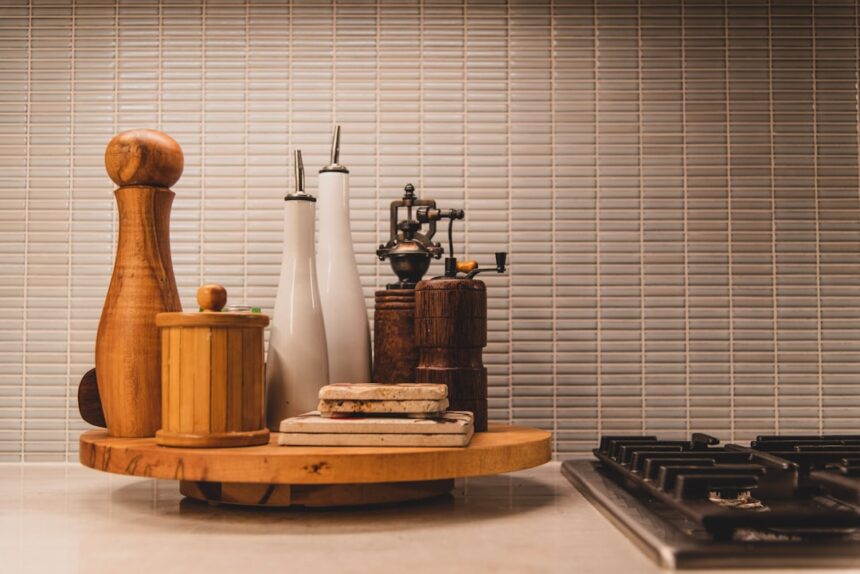
You understand that a kitchen is more than a mere utilitarian space; it is the beating heart of a home, a crucible where culinary creations are forged, and memories are savored. Your kitchen, therefore, is not merely functional but also a carefully curated set, a stage upon which your daily life unfolds. This article delves into the principles that transform a standard kitchen into a stylish and highly functional environment, drawing parallels between effective stage design and interior decorating.
Your approach to kitchen design deviates from the conventional. You view the kitchen not as a collection of appliances and cabinets, but as a holistic environment where aesthetics and practicality must seamlessly intertwine. This philosophy, similar to a director’s vision for a play, ensures every element serves a purpose, both visually and operationally.
Inspiration from Theatrical Design Principles
Consider the concept of “mise-en-scène” in theater. Every prop, every piece of furniture, every lighting choice contributes to the overall narrative. Your kitchen adopts this principle. You scrutinize each item, from the shape of the faucet to the texture of the backspash, ensuring it contributes to the overarching aesthetic and functional narrative.
The “Fourth Wall” of Your Kitchen
In theater, the “fourth wall” is an imaginary boundary separating the performers from the audience. In your kitchen, this metaphor applies to the transition between your private culinary endeavors and the public perception of your space. You strive to make this transition seamless, ensuring that even during active cooking, the space maintains a degree of visual integrity.
Balancing Aesthetics and Ergonomics
The most visually stunning kitchen is ultimately inefficient if it compromises on user experience. You prioritize ergonomics, ensuring that commonly used items are readily accessible, and movements within the kitchen triangle are fluid. This is akin to a choreographer designing stage movements to be both graceful and efficient.
The Workflow’s Narrative Arc
Every recipe has a beginning, a middle, and an end. Similarly, your kitchen’s layout dictates the narrative arc of your cooking process. You design your space to facilitate logical progressions, from ingredient preparation to cooking, and finally, plating. This minimizes unnecessary movement and maximizes efficiency, much like a well-choreographed dance performance.
If you’ve ever wondered why your kitchen resembles a chaotic set from a cooking show gone wrong, you might find some insightful perspectives in a related article. The piece explores the psychological factors behind cluttered spaces and how our environments can reflect our mental states. For more information, you can read the article here: Understanding Kitchen Clutter.
Strategic Layout: The Blueprint of Efficiency
The underlying structure of your kitchen—its layout—is the skeletal framework upon which all other elements depend. You understand that an illogical layout can cripple even the most beautiful design, much like a poorly constructed stage can hinder a brilliant performance.
The Kitchen Triangle: A Timeless Classic
The venerable kitchen triangle, connecting the sink, refrigerator, and stove, remains a cornerstone of your design. You recognize its enduring efficacy in minimizing steps and optimizing workflow. However, your application of this principle is nuanced, adapting it to your specific needs and the unique dimensions of your space.
Beyond the Basic Triangle: Zonal Planning
While the triangle provides a foundation, you extend this concept to “zonal planning.” You delineate distinct zones for specific activities: a dedicated baking station, a coffee and breakfast nook, and a cleaning area. This compartmentalization, akin to stage blocking, ensures that different activities can occur simultaneously without interruption.
Maximizing Vertical and Horizontal Space
You contend with the inherent limitations of any physical space. To circumvent these, you employ strategies to maximize both vertical and horizontal real estate. This involves thoughtful cabinetry, shelving, and creative storage solutions. Consider it the clever use of stage levels and backdrops to create an illusion of depth and expansive potential.
The Illusion of Space: Mirrors and Lighting
Just as mirrors are used in dance studios to enhance the perception of space, you strategically incorporate reflective surfaces in your kitchen. Light-colored finishes and ample, well-distributed lighting also contribute to an open and airy feel, dispelling any sense of claustrophobia.
Curated Aesthetics: The Visual Language of Your Kitchen
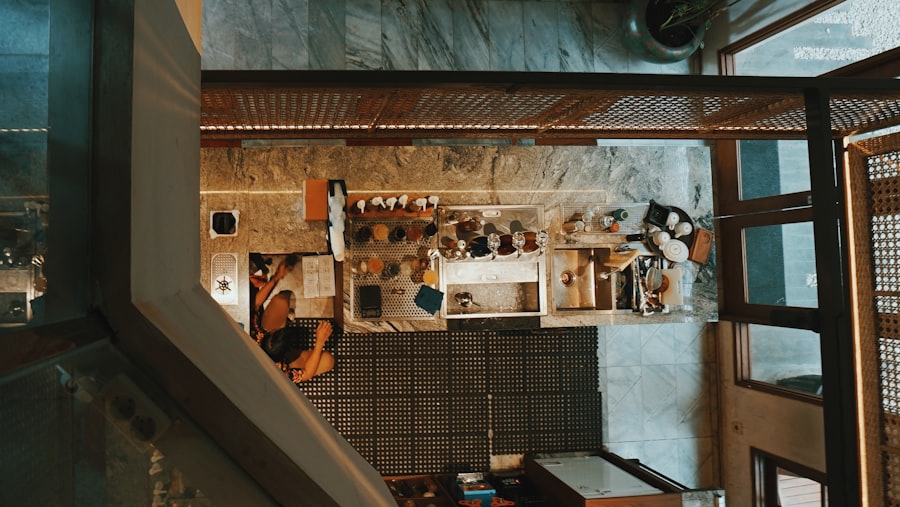
Beyond mere functionality, your kitchen speaks a visual language. Every color, material, and decorative object contributes to a distinct aesthetic. This is your personal directorial vision, translated into tangible design elements.
The Power of a Unified Color Palette
You understand the psychological impact of color. Your kitchen employs a cohesive color palette, often leaning towards neutral tones as a sophisticated backdrop, punctuated by carefully chosen accent colors. This approach creates visual harmony, preventing the space from feeling chaotic or disjointed. Think of it as a compelling costume design, where every garment contributes to the overall character.
Texture as a Visual and Tactile Element
Beyond color, you appreciate the role of texture. Smooth quartz countertops juxtaposed with rough-hewn wooden shelves, or sleek stainless steel against a textured tile backsplash, add depth and interest. This interplay of textures stimulates visual and tactile senses, enriching the overall experience.
Material Selection: Durability Meets Elegance
The materials you choose for your kitchen are not merely aesthetic; they are chosen for their resilience and ease of maintenance, alongside their visual appeal. Durability is a practical consideration for a high-traffic area, but it need not come at the expense of elegance.
The Enduring Appeal of Natural Materials
You lean towards natural materials such as wood, stone, and ceramic for their inherent beauty and timeless quality. These materials often develop a rich patina over time, adding character and a sense of history to your kitchen, much like antique props that tell their own story.
Lighting as a Mood Orchestrator
Lighting is often underestimated, yet it is a powerful tool in shaping the ambiance of any space. Your kitchen utilizes a multi-layered lighting scheme, incorporating ambient, task, and accent lighting. This allows you to adjust the mood and functionality of the space depending on the time of day or the activity at hand.
Task Lighting for Precision, Accent Lighting for Drama
Under-cabinet lighting illuminates your countertops for precise preparation, while strategically placed pendant lights over an island provide both functional illumination and a focal point. Accent lighting, perhaps in the form of dimmable track lighting, highlights architectural features or decorative items, adding a layer of visual interest, like stage lights emphasizing key performers.
Intelligent Storage Solutions: The Unseen Machinery
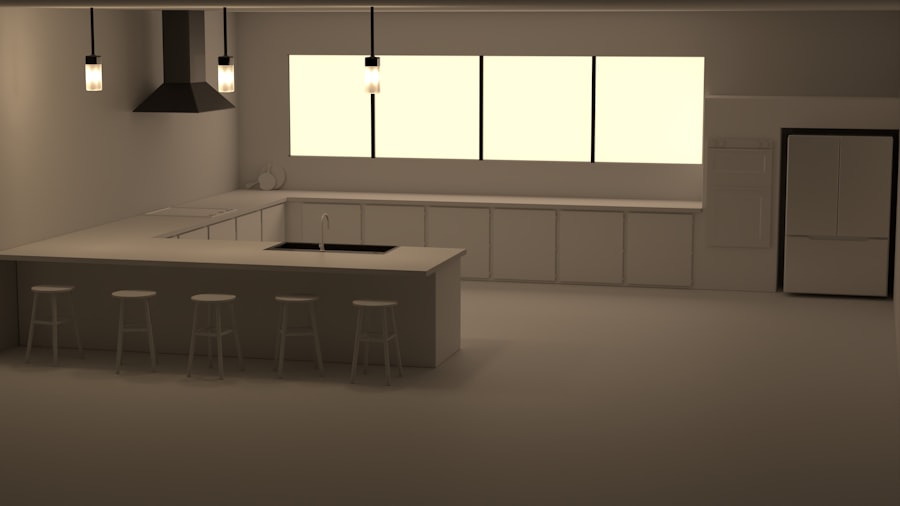
A truly stylish and functional kitchen hides its utilitarian aspects with grace. Your approach to storage goes beyond simply having enough cabinets; it’s about intelligent, accessible, and aesthetically pleasing organization. This is the unseen machinery, the stagehands ensuring everything runs smoothly.
Custom Cabinetry and Built-Ins
You understand that off-the-shelf solutions may not always perfectly fulfill your needs. Custom cabinetry and built-in elements optimize every inch of available space, ensuring that no potential storage area goes unused. This level of customization is akin to a bespoke set design, perfectly tailored to the performance.
The Magic of Internal Organizers
Beyond the visible cabinetry, a multitude of internal organizers—pull-out pantries, drawer dividers, spice racks, and revolving shelves—transform chaotic spaces into models of efficiency. These hidden compartments contribute significantly to a clutter-free environment, allowing the aesthetic brilliance to shine unchallenged.
Open Shelving: A Balancing Act
While closed cabinetry offers visual cleanliness, you strategically incorporate open shelving. This provides an opportunity to display curated collections of tableware, cookbooks, or decorative items, adding personality and breaking up the uniformity of solid cabinet fronts. However, you acknowledge the inherent challenge of maintaining a visually appealing presentation on open shelves, requiring a disciplined approach to curation.
The Art of Display: Negative Space and Grouping
You apply principles of visual display to your open shelving. The use of negative space, allowing for breathing room around displayed items, is paramount. Grouping similar objects or creating vignettes prevents a cluttered appearance, elevating the displayed items to art objects.
If you’ve ever wondered why your kitchen resembles a chaotic film set, you might find insights in a related article that explores the psychological aspects of clutter and organization. Understanding the impact of our environment on our mental state can be enlightening, especially when it comes to spaces we use daily. For more information on this topic, check out this intriguing piece on the psychology of clutter at Unplugged Psychology. It offers valuable tips on how to transform your kitchen from a disorganized mess into a more serene and functional space.
Technology Integration: Seamless Modernity
| Reason | Description | Common Indicators | Possible Solutions |
|---|---|---|---|
| Overly Coordinated Design | Everything matches perfectly, from colors to materials, creating a staged look. | Matching appliances, uniform color palette, identical decor items. | Introduce varied textures and colors; add personal or eclectic items. |
| Excessive Use of Props | Decorative items placed purely for aesthetics rather than function. | Unused utensils on counters, decorative bowls with fake fruit, staged plants. | Remove non-functional items; keep only essentials and meaningful decor. |
| Immaculate Cleanliness | Kitchen looks spotless and unused, lacking signs of daily life. | No stains, crumbs, or wear; everything perfectly arranged. | Allow some lived-in elements like a dish towel or a cutting board in use. |
| Symmetrical Layout | Everything is perfectly balanced and symmetrical, resembling a photo shoot setup. | Identical items on both sides, centered decor, balanced lighting. | Break symmetry with asymmetrical arrangements or varied decor. |
| High-End, Uniform Appliances | All appliances are from the same brand and style, creating a showroom effect. | Matching stainless steel finishes, built-in appliances, no visible wear. | Mix appliance styles or add vintage/unique pieces for character. |
In the contemporary kitchen, technology is an indispensable tool. Your approach is to integrate smart appliances and technological solutions seamlessly, ensuring they enhance functionality without disrupting the aesthetic flow. This is the sophisticated, behind-the-scenes tech that makes a production feel effortless.
Smart Appliances: Efficiency at Your Fingertips
From smart refrigerators that track inventory to ovens with remote control capabilities, you embrace appliances that offer convenience and efficiency. However, the design of these appliances is also scrutinized, ensuring they align with your overall aesthetic, appearing as integral components rather than obtrusive additions.
The Hub of Connectivity: Integrated Charging Stations
Beyond major appliances, you consider the pervasive presence of smaller devices. Integrated charging stations and discreetly placed outlets ensure that cell phones, tablets, and other gadgets are powered without cluttering countertops with unsightly cords. This foresight contributes to the overall clean and streamlined appearance of your “set.”
Voice-Activated Systems and Ambient Controls
The ability to control lighting, music, or even access recipes through voice commands further enhances the hands-free convenience of your kitchen. This subtle integration of technology contributes to a feeling of effortless control, allowing you to focus on the culinary task at hand, much like a stage manager subtly orchestrating the flow of a performance.
In conclusion, your kitchen is a testament to the power of thoughtful design, where every decision, from the grand architectural layout to the minutiae of a utensil drawer, is made with purpose. It is a stage where functionality and style are not opposing forces but rather harmonious partners, creating an environment that is both a joy to behold and a pleasure to inhabit. You have not merely decorated a kitchen; you have directed a masterpiece, perfectly setting the scene for a life well-lived.

WATCH NOW ▶️ SHOCKING: Why Your World Suddenly Feels Like a Set
FAQs
Why does my kitchen look like a set?
Your kitchen may look like a set due to its highly stylized design, perfect lighting, and carefully arranged props that mimic the appearance of a staged environment often seen in movies or TV shows.
What design elements make a kitchen look like a set?
Elements such as uniform color schemes, minimal clutter, coordinated appliances, and strategically placed decorative items contribute to a kitchen looking like a set.
Can lighting affect how my kitchen appears?
Yes, professional or well-planned lighting can enhance the appearance of your kitchen, making it look more polished and set-like by highlighting certain areas and creating a balanced ambiance.
Is it common for kitchens to be designed like sets in real homes?
While some homeowners prefer a highly stylized and organized kitchen, most real kitchens have practical elements and everyday clutter that differentiate them from staged sets.
How can I make my kitchen look less like a set and more lived-in?
To create a more natural look, incorporate personal items, everyday kitchen tools, slight imperfections, and varied textures to add warmth and authenticity to the space.