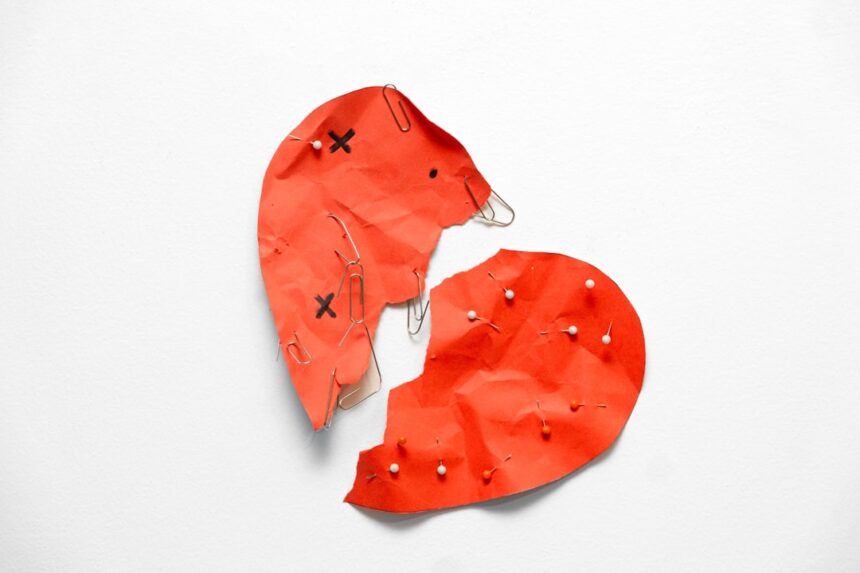
You find yourself standing at the precipice, a familiar knot tightening in your stomach. The opportunity glimmers ahead, a potential for connection, for success, for something good. Yet, before you even take that first step, the shadow of rejection looms, a pre-emptive strike of doubt that whispers, “You’ll fail. They won’t accept you.” This pervasive expectation of rejection isn’t a random quirk; it’s a deeply ingrained response rooted in a complex interplay of personal history and psychological mechanisms. Understanding its origins is the first step to loosening its grip and reclaiming your agency.
Your current fear of rejection is rarely born from a vacuum. It’s a tapestry woven with threads of past experiences, both real and perceived. These early encounters with disapproval, exclusion, or being overlooked can leave indelible marks on your psyche, shaping your expectations for the future.
Childhood Experiences: The Foundation of Security
From your earliest years, your need for validation and belonging is paramount. Parental acceptance, peer inclusion, and a sense of being valued are building blocks of self-esteem. When these foundations are shaky, perhaps due to inconsistent attention, criticism, or a feeling of not measuring up, the fear of not being good enough can begin to take root. Imagine your younger self, a sapling reaching for the sun, but finding only shade. Each perceived rejection becomes a chilling frost, hindering growth and instilling a wariness of exposure.
Social Setbacks: The Sting of Exclusion
As you navigate adolescence and young adulthood, social interactions become more complex. Friendships are forged and fractured, romantic pursuits meet with success and failure, and group dynamics can be unforgiving. A particularly painful social setback – being left out of a group, experiencing a public embarrassment, or a significant romantic rejection – can feel like a judgment on your inherent worth. These events can act as powerful conditioning agents, teaching you that vulnerability leads to pain, and that it’s safer to withdraw.
Criticisms and Perceived Failures: The Internalized Judge
Internalizing criticism, whether from authority figures, peers, or even self-imposed standards, can be a major driver of rejection anxiety. If you’ve experienced significant criticism for your efforts, even if they were well-intentioned, you might develop a fear that any new endeavor will also be met with disapproval. Similarly, instances where you perceive yourself to have failed, whether in academic, professional, or personal pursuits, can create a narrative of inadequacy that fuels the expectation of future failures, and consequently, rejection. This internal monologue can become a relentless prosecutor, constantly replaying past “guilty” verdicts.
If you often find yourself grappling with the fear of rejection, you may find it helpful to explore the insights provided in the article “Understanding the Roots of Rejection Sensitivity” available at this link. The article delves into the psychological factors that contribute to the expectation of rejection and offers strategies to overcome these feelings. By understanding the underlying causes, you can begin to shift your mindset and build healthier relationships with yourself and others.
Cognitive Distortions: The Mind’s Deceptive Filters
Your mind, in its attempt to protect you from further hurt, can develop faulty thinking patterns that amplify your fear of rejection. These cognitive distortions act like warped lenses, distorting your perception of reality and making negative outcomes seem more probable than they are.
Catastrophizing: Foreseeing the Worst-Case Scenario
One of the most prevalent cognitive distortions is catastrophizing. You vividly imagine the most extreme negative outcome of a situation, blowing it out of proportion. If you’re considering asking someone out, you don’t just think they might say no; you envision them laughing at you, spreading rumors, and your social life imploding. This future you paint is a barren landscape, devoid of any positive possibilities.
Personalization: Taking Things Too Much to Heart
Personalization involves attributing external events solely to your own shortcomings, even when there’s little evidence to support it. If a friend cancels plans, you might immediately assume it’s because they dislike you, rather than considering they might be genuinely busy or unwell. This constant self-blame erodes your confidence and reinforces the belief that you are the sole source of negative outcomes.
All-or-Nothing Thinking: The Dichotomy of Success and Failure
Your mind might operate in absolves, seeing situations as either a complete success or a total failure. There’s no room for nuance or partial victories. If you don’t achieve your goal perfectly, you deem it a failure, and therefore, a rejection. This all-or-nothing perspective leaves you with little room to celebrate progress or learn from mistakes. It’s like believing the only way to swim is to cross the entire ocean at once, rather than mastering strokes in shallow water.
Mind Reading: Assuming Negative Intentions
Mind reading is the belief that you know what others are thinking, and that their thoughts are invariably negative and focused on judging you. You might interpret a neutral expression as a sign of disdain or an unanswered text as evidence of their annoyance. This projected negativity creates a self-fulfilling prophecy, as your cautious and withdrawn behavior can sometimes prompt the very distance you fear.
Attachment Styles: The Blueprint for Relationships

Your early experiences with caregivers lay the groundwork for how you form relationships throughout your life. These attachment styles, particularly insecure ones, can significantly influence your anxiety around rejection.
Anxious-Preoccupied Attachment: The Constant Need for Reassurance
If you developed an anxious-preoccupied attachment style, you likely experienced inconsistent responsiveness from your caregivers. This can lead to a deep-seated fear of abandonment and a heightened sensitivity to perceived slights. You may constantly seek reassurance from others, and a lack of immediate validation can feel like a devastating confirmation of your unlovability. You’re like a ship constantly scanning the horizon for a signal of approval, lest you drift further from shore.
Fearful-Avoidant Attachment: The Push and Pull of Intimacy
Individuals with a fearful-avoidant attachment style often desire intimacy but are simultaneously afraid of it. They may have experienced caregivers who were both rejecting and intrusive, leading to a confusing and painful dynamic. This can manifest as pushing people away when they get too close, only to then fear being left alone. The expectation of rejection is a protective mechanism, an attempt to preemptively control the inevitable pain of closeness.
Dismissive-Avoidant Attachment: The Defense of Independence
While seemingly less prone to overt rejection anxiety, those with a dismissive-avoidant style may also harbor a fear of vulnerability that can lead to an expectation of rejection. They tend to prioritize independence and self-reliance, often suppressing their emotional needs. If they perceive closeness as a threat to their autonomy, they might distance themselves, thus preemptively rejecting others before they can be rejected themselves.
Societal and Cultural Influences: The Unseen Pressures

Beyond your personal history, the broader societal and cultural landscape contributes to the pervasive fear of rejection. We live in a world that often emphasizes competition, conformity, and external validation.
The Culture of Comparison: The Endless Pursuit of “Enough”
Social media and a constant barrage of curated lives foster an environment of comparison. You’re constantly exposed to highlight reels of others’ successes, leading to a feeling that you are never quite measuring up. This perpetual comparison can breed insecurity and a fear that your authentic self will be found wanting, leading to rejection.
The Stigma of “Not Fitting In”: The Pressure to Conform
Many societies place a high value on fitting in and conforming to norms. Deviating from the accepted path, whether in career choices, lifestyle, or even personal presentation, can invite disapproval and social exclusion. This pressure to conform can create a deep-seated fear of being judged and rejected for being different.
The Performance-Oriented Society: Measuring Worth by Achievement
Western societies, in particular, often operate on a performance-oriented model, where individual worth is heavily tied to achievements and productivity. This can translate into a fear that if you are not constantly achieving, producing, or excelling, you are inherently flawed and will be rejected. Your value becomes a quantifiable metric, and any perceived falling short can feel like a direct attack on your personhood.
Many people struggle with the fear of rejection, often leading to a cycle of anxiety and self-doubt. Understanding the underlying reasons for this expectation can be crucial for personal growth. For those looking to explore this topic further, an insightful article on the subject can be found at Unplugged Psych, which delves into the psychological factors that contribute to feelings of inadequacy and the fear of being turned away. By examining these aspects, individuals can begin to challenge their beliefs and foster a healthier mindset.
The Neurological Basis of Rejection: A Biological Imperative?
| Metric | Description | Possible Impact | Example Data |
|---|---|---|---|
| Self-Esteem Level | Individual’s overall sense of self-worth | Low self-esteem can increase expectation of rejection | Score: 15/30 (Low) |
| Past Rejection Experiences | Number of significant rejection events in personal history | More past rejections can reinforce fear of future rejection | 5 major events |
| Social Anxiety Score | Level of anxiety in social situations | Higher anxiety correlates with expecting rejection | Score: 22/40 (Moderate) |
| Negative Thought Frequency | How often negative thoughts about acceptance occur | Frequent negative thoughts increase rejection expectation | Daily occurrence |
| Support Network Size | Number of close friends or family members | Smaller support networks may increase feelings of rejection | 3 close contacts |
| Attachment Style | Type of emotional attachment (secure, anxious, avoidant) | Anxious attachment linked to expecting rejection | Anxious |
The fear of rejection isn’t just a psychological construct; it has roots in our biology and evolutionary history. Our brains are wired for social connection.
The Social Brain: Our Innate Need for Belonging
Humans are inherently social creatures. Our survival historically depended on group cohesion and acceptance. The brain has evolved specialized areas, like the anterior cingulate cortex and the insula, that are activated not only by physical pain but also by social rejection. This suggests that social exclusion registers in a way that is physically uncomfortable, reinforcing the drive to avoid it.
The Fight-or-Flight Response: Anticipatory Stress
When you anticipate rejection, your body can trigger a fight-or-flight response. Hormones like cortisol and adrenaline are released, preparing you to either confront the threat or escape it. This physiological arousal contributes to the anxious feelings, the racing heart, and the unsettling physical sensations associated with expecting rejection. It’s your body’s alarm system, sounding a premature siren before any danger has fully materialized.
Learned Helplessness and Avoidance: The Vicious Cycle
Repeated experiences of rejection can lead to a sense of learned helplessness – the belief that your actions are futile and you have no control over outcomes. This can then lead to avoidance behaviors. You stop putting yourself out there, you shy away from opportunities, and the very avoidance that is meant to protect you ultimately reinforces the expectation of rejection by preventing you from experiencing positive outcomes. You create a fenced-off garden of your own making, fearing the unknown beyond the barrier.
Understanding these multifaceted influences is the first critical step in breaking free from the cycle of expecting rejection. It’s about recognizing that these fears are often not a reflection of your inherent worth, but rather a complex interplay of past experiences, cognitive biases, and biological predispositions. The journey to overcoming this fear is rarely a swift one, but by illuminating its roots, you gain the power to begin rewriting your narrative of expectation.

WATCH NOW ▶️ SHOCKING: Why Your “Intuition” Is Actually a Prediction Error
FAQs
Why do some people always expect rejection?
People who consistently expect rejection may have experienced past negative experiences, low self-esteem, or anxiety that leads them to anticipate unfavorable outcomes as a form of self-protection.
Is expecting rejection a common psychological issue?
Yes, expecting rejection is common in individuals with social anxiety, depression, or those who have faced repeated rejection in their lives. It can be a cognitive bias where the brain anticipates negative outcomes.
Can expecting rejection affect mental health?
Yes, constantly expecting rejection can contribute to increased stress, anxiety, and feelings of loneliness or depression, as it may prevent individuals from engaging fully in social or professional opportunities.
How can someone overcome the habit of expecting rejection?
Overcoming this habit often involves cognitive-behavioral techniques, building self-esteem, seeking therapy or counseling, and gradually exposing oneself to social situations to build positive experiences.
Is expecting rejection always irrational?
Not always. In some cases, expecting rejection can be a realistic assessment based on past experiences. However, when it becomes a persistent expectation without evidence, it may be considered a cognitive distortion.