
Embarking on the journey of self-discovery is akin to setting sail on an uncharted sea. You may find yourself navigating through the waves of your thoughts, emotions, and experiences, each one revealing a new facet of your identity. This journey is not merely about finding answers; it is about embracing the questions that arise along the way.
As you delve deeper into your own psyche, you may encounter aspects of yourself that have long been buried or overlooked. This process can be both exhilarating and daunting, as it requires you to confront your fears, insecurities, and desires. As you traverse this path, you might discover that self-discovery is not a linear process.
Instead, it often resembles a winding road filled with twists and turns. You may find yourself revisiting certain themes or experiences multiple times, each time gaining a deeper understanding of who you are. This cyclical nature of self-exploration allows for growth and transformation, as you learn to integrate new insights into your life.
Ultimately, the journey of self-discovery is a deeply personal experience that invites you to embrace your authentic self and live in alignment with your true values. Here is the sentence with the link:
You can watch a video about Cotard Delusion explained at https://youtu.be/k_yz2ZsPAHk.
Key Takeaways
- Self-discovery is a journey of introspection and reflection, leading to a deeper understanding of oneself and one’s purpose in life.
- Belief systems play a crucial role in spiritual seeking, shaping the way individuals perceive and interpret the world around them.
- Seeking meaning and purpose is a fundamental aspect of human psychology, driving individuals to explore spirituality and existential questions.
- Personal trauma can significantly impact spiritual seeking, leading individuals to search for healing and understanding through spiritual practices.
- Social and cultural factors influence spiritual seeking, shaping individuals’ beliefs and practices based on their environment and upbringing.
The Role of Belief Systems in Spiritual Seeking
Your belief systems play a pivotal role in shaping your spiritual seeking. They act as the lens through which you interpret your experiences and the world around you. Whether you adhere to a specific religious doctrine or subscribe to a more eclectic set of beliefs, these frameworks influence how you approach questions of existence, purpose, and connection.
As you explore spirituality, you may find that your beliefs evolve, reflecting your growing understanding of yourself and the universe. In this context, belief systems can serve as both a guide and a limitation. They can provide comfort and structure, offering a sense of belonging within a community of like-minded individuals.
However, they can also constrain your exploration if you become too rigid in your adherence to them. As you navigate your spiritual journey, it is essential to remain open to new ideas and perspectives. This openness allows for a more expansive understanding of spirituality, enabling you to integrate diverse influences into your personal belief system.
The Psychology of Seeking Meaning and Purpose
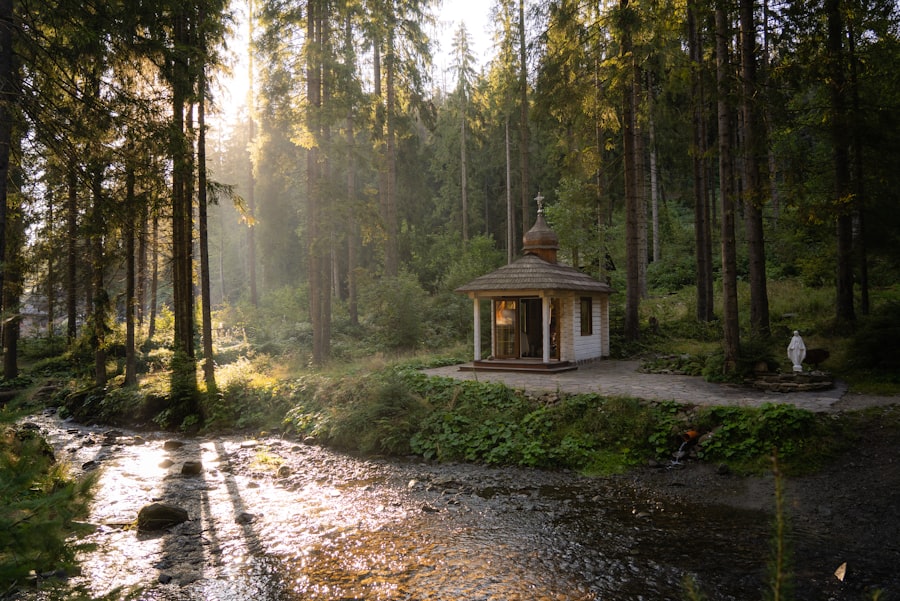
The quest for meaning and purpose is a fundamental aspect of the human experience. You may find yourself grappling with existential questions that arise during various life stages or in response to significant events. This psychological drive to seek meaning can manifest in numerous ways, from pursuing career goals to engaging in creative endeavors or forming deep relationships.
Psychologically, the search for meaning is often linked to feelings of fulfillment and satisfaction. When you engage in activities that resonate with your core values and beliefs, you may experience a sense of alignment that fosters well-being.
Conversely, when you feel disconnected from your purpose, it can lead to feelings of emptiness or discontent. By reflecting on what truly matters to you, you can cultivate a deeper sense of meaning in your life, guiding your spiritual seeking in a direction that resonates with your authentic self.
The Impact of Personal Trauma on Spiritual Seeking
| Impact of Personal Trauma on Spiritual Seeking | Metrics |
|---|---|
| Increased interest in spirituality | Percentage of individuals who report seeking spiritual practices or beliefs after experiencing trauma |
| Changes in religious affiliation | Number of individuals who switch or adopt new religious affiliations following personal trauma |
| Emotional healing | Self-reported improvement in emotional well-being after engaging in spiritual practices post-trauma |
| Community support | Percentage of individuals who find support and community within spiritual or religious groups after trauma |
Personal trauma can significantly influence your spiritual seeking journey. Traumatic experiences often leave deep emotional scars that can shape your worldview and beliefs about yourself and others. As you navigate the aftermath of trauma, you may find yourself questioning the nature of existence and seeking solace in spirituality as a means of healing.
This search for understanding can lead to profound insights and transformations as you work through the pain. In many cases, trauma can serve as a catalyst for spiritual awakening. You might discover that confronting your wounds allows for greater self-awareness and empathy towards others who have experienced similar struggles.
This shared understanding can foster a sense of connection and community within spiritual circles. However, it is essential to approach this journey with care, as unresolved trauma can also lead to spiritual bypassing—using spirituality as a means to avoid dealing with emotional pain. Acknowledging and processing your trauma is crucial for genuine healing and growth on your spiritual path.
The Influence of Social and Cultural Factors on Spiritual Seeking
Your social and cultural environment plays a significant role in shaping your spiritual seeking journey. The beliefs, values, and practices prevalent in your community can influence how you perceive spirituality and what paths you consider valid. For instance, if you were raised in a religious household, you might initially gravitate towards those teachings as you explore your spirituality.
Conversely, exposure to diverse cultures and philosophies can broaden your perspective and encourage you to seek out alternative spiritual practices. As you navigate this landscape, it is essential to recognize the impact of societal norms on your spiritual beliefs. You may find yourself grappling with expectations from family or peers that conflict with your personal inclinations.
This tension can create inner turmoil as you strive to honor both your individuality and the collective beliefs around you. Embracing this complexity allows for a richer understanding of spirituality as a multifaceted experience shaped by both personal choice and cultural context.
The Connection Between Spirituality and Mental Health
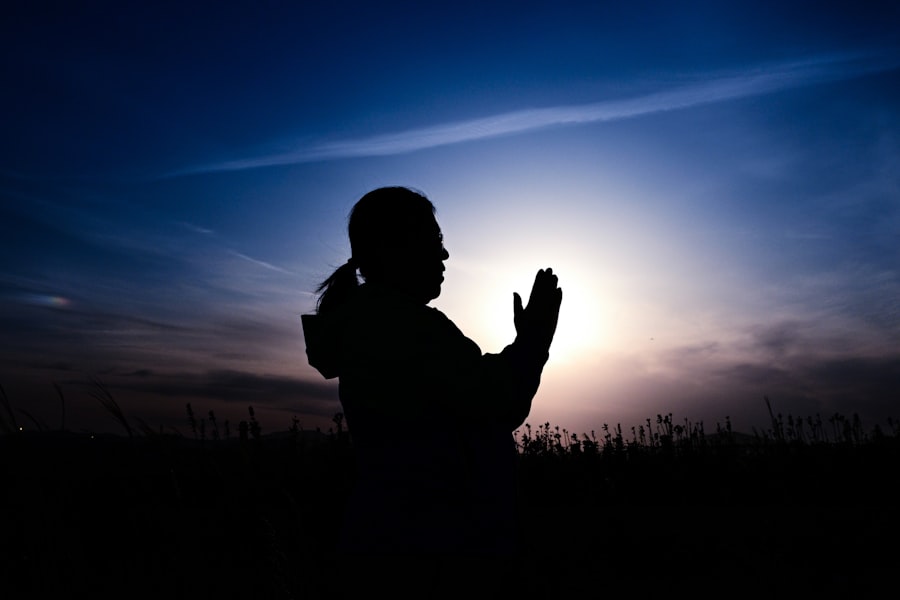
The relationship between spirituality and mental health is increasingly recognized in contemporary discussions about well-being. Engaging in spiritual practices can provide a sense of purpose, community, and inner peace that positively impacts mental health. You may find that activities such as prayer, meditation, or participation in spiritual communities help alleviate feelings of anxiety or depression by fostering a sense of connection to something greater than yourself.
Moreover, spirituality can serve as a coping mechanism during challenging times. When faced with adversity or loss, turning to spiritual beliefs can offer comfort and resilience. You might find solace in the idea that there is a larger plan at work or that your experiences contribute to personal growth.
However, it is essential to approach spirituality as one aspect of mental health rather than a substitute for professional help when needed. Integrating spiritual practices with therapeutic interventions can create a holistic approach to mental well-being.
The Search for Transcendence and Enlightenment
The pursuit of transcendence and enlightenment is often at the heart of spiritual seeking.
This quest for transcendence can take many forms—whether through meditation, nature immersion, or artistic expression—each offering unique pathways to connect with the divine or the universe at large.
As you explore these avenues, it is essential to remain patient with yourself. The search for enlightenment is not always straightforward; it often involves periods of doubt and uncertainty. You may encounter moments of profound insight followed by feelings of confusion or stagnation.
Embracing this ebb and flow allows for deeper integration of experiences into your spiritual journey. Ultimately, transcendence is less about reaching a final destination and more about cultivating an ongoing relationship with the mysteries of existence.
The Role of Mindfulness and Meditation in Spiritual Seeking
Mindfulness and meditation are powerful tools that can enhance your spiritual seeking journey. These practices encourage present-moment awareness, allowing you to cultivate a deeper connection with yourself and the world around you. As you engage in mindfulness techniques, you may find that distractions fade away, creating space for introspection and clarity.
Meditation serves as a gateway to exploring the depths of your consciousness. Through regular practice, you might experience moments of stillness that reveal profound insights about your beliefs, desires, and fears. This heightened awareness can facilitate personal growth by helping you identify patterns in your thoughts and behaviors that no longer serve you.
By incorporating mindfulness into your daily routine, you create opportunities for reflection and connection that enrich your spiritual journey.
The Relationship Between Spirituality and Emotional Well-Being
Spirituality often intersects with emotional well-being in meaningful ways. Engaging in spiritual practices can foster resilience during difficult times by providing a framework for understanding life’s challenges. You may find comfort in rituals or beliefs that offer hope and perspective when faced with adversity.
Moreover, spirituality can enhance emotional intelligence by encouraging self-reflection and empathy towards others. As you explore your own beliefs and values, you may develop a greater understanding of the human experience as a whole. This awareness fosters compassion not only for yourself but also for those around you, creating deeper connections within relationships.
Ultimately, nurturing your spirituality contributes positively to emotional well-being by promoting self-acceptance and fostering meaningful connections with others.
The Intersection of Science and Spirituality in the Seeker’s Mind
The intersection between science and spirituality has become an increasingly relevant topic in contemporary discourse. As a seeker, you may find yourself grappling with questions about the nature of reality that bridge both realms. Scientific discoveries about consciousness, quantum physics, and neurobiology often resonate with spiritual concepts, prompting deeper exploration into how these fields inform one another.
This dialogue between science and spirituality invites curiosity rather than conflict. You might discover that scientific inquiry enhances your understanding of spiritual experiences by providing empirical evidence for phenomena previously considered purely mystical. Conversely, spirituality can offer insights into aspects of human experience that science has yet to fully explain—such as the profound sense of interconnectedness felt during moments of transcendence.
Embracing this intersection allows for a more holistic understanding of existence that honors both rational inquiry and intuitive wisdom.
The Evolution of Spiritual Seeking in the Modern World
In today’s fast-paced world, the landscape of spiritual seeking has evolved dramatically. With access to diverse philosophies through technology and globalization, seekers like yourself are presented with an array of options previously unavailable to earlier generations. This democratization of spirituality encourages exploration beyond traditional boundaries while also posing challenges related to authenticity and discernment.
As societal norms shift towards individualism, many people are crafting personalized spiritual paths that resonate with their unique experiences and beliefs. You may find yourself blending elements from various traditions or creating entirely new practices tailored to your needs. However, this freedom also necessitates critical reflection on what truly resonates with your values rather than simply adopting trends without consideration.
In conclusion, the journey of spiritual seeking is multifaceted—shaped by personal experiences, belief systems, cultural influences, psychological motivations, and evolving societal contexts. As you navigate this intricate landscape, remember that each step taken contributes to a deeper understanding not only of yourself but also of the interconnectedness inherent in all existence. Embrace the complexities along the way; they are integral parts of your unique spiritual odyssey.
For those interested in exploring the intersection of spirituality and psychology, a valuable resource is the article available on Unplugged Psychology. This article delves into the psychological aspects of spiritual seeking, offering insights and guidance for individuals on their spiritual journeys. You can read more about it by visiting Unplugged Psychology.
WATCH THIS! Cotard Delusion: When Your Brain Deletes Your Soul
FAQs
What is spiritual seekers psychology?
Spiritual seekers psychology refers to the study of the psychological processes and behaviors of individuals who are actively seeking spiritual growth, enlightenment, or a deeper connection to the divine. It explores the motivations, beliefs, and experiences of those who are on a spiritual path.
What are the common characteristics of spiritual seekers?
Common characteristics of spiritual seekers may include a strong desire for meaning and purpose, openness to new experiences and ideas, a sense of interconnectedness with others and the world, and a willingness to explore different spiritual practices and beliefs.
What are the psychological motivations behind spiritual seeking?
Psychological motivations behind spiritual seeking may include a search for inner peace, a desire for personal growth and self-discovery, a need for transcendence or connection to something greater than oneself, and a quest for understanding the nature of existence and the universe.
How does spiritual seeking impact mental and emotional well-being?
Engaging in spiritual seeking can have positive effects on mental and emotional well-being, such as increased feelings of purpose and fulfillment, reduced stress and anxiety, greater resilience in the face of challenges, and a sense of connection to a supportive community or higher power.
What role does psychology play in supporting spiritual seekers?
Psychology can play a supportive role for spiritual seekers by providing tools and techniques for self-exploration, helping individuals navigate spiritual experiences and challenges, and offering a deeper understanding of the psychological processes involved in spiritual growth and transformation.