
Spiritual ego is a psychological phenomenon that occurs when individuals develop an excessive attachment to their spiritual identity, practices, or perceived achievements. This condition is characterized by an inflated sense of self-importance derived from one’s spiritual experiences or knowledge. Research in psychology and spiritual studies indicates that practitioners may experience feelings of superiority over others they perceive as less spiritually developed, which can impede genuine spiritual progress.
Common manifestations of spiritual ego include seeking external validation for spiritual accomplishments, displaying spiritual knowledge as a form of social status, and using spiritual practices or insights to establish hierarchical relationships with others. These behaviors often emerge in spiritual communities, workshops, and online platforms where individuals may compete for recognition as teachers, healers, or advanced practitioners. The development of spiritual ego can create several obstacles to authentic spiritual growth.
It may lead to judgmental attitudes toward others, resistance to feedback or alternative perspectives, and a focus on external recognition rather than internal development. Mental health professionals and spiritual teachers note that this phenomenon can paradoxically distance individuals from the core principles of most spiritual traditions, which typically emphasize humility, compassion, and interconnectedness. Identifying spiritual ego requires honest self-examination and awareness of one’s motivations for engaging in spiritual practices.
Warning signs include comparing one’s spiritual progress to others, feeling entitled to special treatment due to spiritual status, and experiencing anger or defensiveness when spiritual beliefs or practices are questioned.
Key Takeaways
- Spiritual ego blends self-importance with spiritual beliefs, often masking narcissistic traits.
- Recognizing signs like superiority and lack of empathy is key to identifying spiritual narcissism.
- Overcoming spiritual narcissism involves cultivating humility, authenticity, and compassion.
- Balancing confidence with ego awareness helps maintain healthy spiritual communities and leadership.
- True spiritual growth requires nurturing empathy and addressing ego-driven behaviors openly.
Recognizing Narcissistic Traits
To better understand spiritual ego, it is crucial to recognize the traits associated with narcissism. You may encounter individuals who exhibit a strong need for admiration, a lack of empathy, and an inflated sense of self-importance. These traits can be subtle and may not always be immediately apparent.
However, as you become more attuned to these behaviors, you will find it easier to identify them in yourself and others. One common trait of narcissism is the tendency to dominate conversations and redirect discussions back to oneself. You might notice that some individuals struggle to engage in meaningful dialogue, instead focusing on their own experiences and achievements.
This self-centeredness can create an environment where genuine connection is stifled, making it difficult for others to share their thoughts and feelings. By being aware of these traits, you can cultivate a more balanced approach to your spiritual practice and interactions with others.
The Intersection of Spirituality and Ego
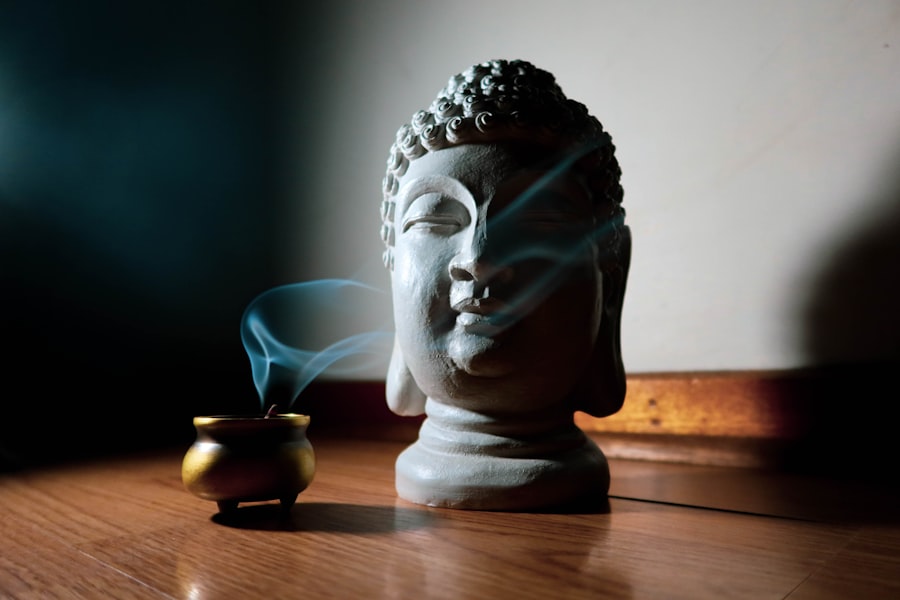
The intersection of spirituality and ego is a complex terrain that requires careful navigation. As you delve deeper into your spiritual practice, you may find that your ego attempts to assert itself in various ways. This can manifest as a desire for recognition or a need to prove your worthiness through spiritual accomplishments.
It is essential to recognize that while ego is a natural part of being human, it can hinder your spiritual growth if left unchecked. In many spiritual traditions, the goal is to transcend the ego and connect with a higher sense of self or universal consciousness. However, this process can be challenging, as the ego often resists change and clings to its identity.
You may find yourself grappling with feelings of inadequacy or comparison as you navigate your spiritual path. By acknowledging the role of ego in your journey, you can begin to cultivate a more authentic connection with your spirituality that transcends superficiality.
Signs of Spiritual Narcissism
Identifying signs of spiritual narcissism can be crucial for maintaining a healthy spiritual practice. You may notice certain behaviors that indicate an individual is more focused on their self-image than on genuine growth. For instance, someone who frequently shares their spiritual achievements on social media may be seeking validation rather than fostering authentic connections with others.
Another sign of spiritual narcissism is the tendency to dismiss or belittle the experiences of others. You might encounter individuals who claim that their spiritual path is superior or more enlightened than those of others. This attitude not only creates division within spiritual communities but also undermines the core principles of compassion and understanding that are central to most spiritual practices.
By being vigilant about these signs, you can protect yourself from falling into the trap of spiritual narcissism.
The Dangers of Spiritual Ego
| Trait | Spiritual Ego | Narcissistic Traits | Common Indicators |
|---|---|---|---|
| Self-Perception | Believes they have superior spiritual insight | Believes they are superior in general abilities or status | Inflated sense of self-importance |
| Need for Admiration | Seeks validation for spiritual achievements | Seeks admiration for personal accomplishments or appearance | Craves external approval |
| Empathy | May lack genuine empathy, using spirituality as a shield | Often lacks empathy for others’ feelings | Difficulty understanding others’ perspectives |
| Interpersonal Relationships | Uses spiritual status to dominate or control | Manipulates others to maintain superiority | Superficial or exploitative relationships |
| Response to Criticism | Defensive, may dismiss criticism as ignorance | Defensive, may react with anger or denial | Resistance to feedback |
| Motivation | Driven by desire to appear enlightened | Driven by desire for power and admiration | Self-centered goals |
The dangers of spiritual ego extend beyond personal growth; they can also impact the broader community. When individuals prioritize their egos over genuine connection, they risk creating an environment that fosters competition rather than collaboration. You may find that this competitive atmosphere stifles creativity and innovation within spiritual communities, making it difficult for individuals to share their unique perspectives and insights.
Moreover, spiritual ego can lead to disillusionment and burnout. As you chase after external validation or recognition, you may find yourself feeling increasingly disconnected from your true self and purpose.
By recognizing the dangers associated with spiritual ego, you can take proactive steps to cultivate a more balanced approach to your practice.
Overcoming Spiritual Narcissism

Overcoming spiritual narcissism requires introspection and a willingness to confront uncomfortable truths about yourself. You may need to examine your motivations for engaging in spiritual practices and consider whether they stem from a desire for validation or a genuine quest for growth. This process can be challenging but ultimately rewarding as it allows you to align your actions with your true intentions.
One effective strategy for overcoming spiritual narcissism is to practice self-reflection regularly. You might consider journaling about your experiences, thoughts, and feelings related to your spiritual journey. This practice can help you identify patterns of behavior that may indicate an overreliance on ego and provide insight into areas where you can grow.
Additionally, seeking feedback from trusted friends or mentors can offer valuable perspectives on your behavior and help you stay grounded in humility.
Cultivating Humility in Spiritual Practice
Cultivating humility is essential for fostering a healthy spiritual practice. As you navigate your journey, it is important to remember that everyone is at a different stage in their spiritual development. You may find it helpful to approach others with an open heart and mind, recognizing that their experiences are just as valid as yours.
This mindset can create an atmosphere of support and encouragement within your community. One way to cultivate humility is by engaging in acts of service or volunteering within your community. By helping others without seeking recognition or reward, you can shift your focus away from yourself and toward the needs of those around you.
This practice not only fosters humility but also deepens your connection with others and reinforces the idea that spirituality is about collective growth rather than individual achievement.
Seeking Authenticity in Spiritual Growth
Authenticity is a cornerstone of meaningful spiritual growth. As you explore your beliefs and practices, it is essential to remain true to yourself rather than conforming to external expectations or societal norms. You might find it helpful to regularly assess whether your actions align with your values and beliefs, allowing you to make adjustments as needed.
In seeking authenticity, consider surrounding yourself with individuals who inspire you to be your true self. Engaging in open and honest conversations about spirituality can help create a safe space for vulnerability and growth. By prioritizing authenticity in your spiritual journey, you will cultivate deeper connections with others while remaining grounded in your own truth.
Balancing Confidence and Ego in Spiritual Communities
Finding a balance between confidence and ego within spiritual communities is crucial for fostering healthy relationships and personal growth. Confidence allows you to share your insights and experiences without fear of judgment, while ego can lead to competition and division among members. As you navigate this delicate balance, it is essential to remain aware of how your actions impact those around you.
You might consider practicing active listening when engaging with others in your community. By genuinely hearing their perspectives and experiences, you create an environment where everyone feels valued and respected. This practice not only helps mitigate the influence of ego but also encourages collaboration and mutual support among members.
Addressing Spiritual Narcissism in Leadership
Leadership within spiritual communities carries significant responsibility, as leaders often set the tone for group dynamics and culture. If you find yourself in a leadership position, it is essential to remain vigilant against the pitfalls of spiritual narcissism. You may need to reflect on your motivations for leading and ensure that they stem from a desire to serve rather than seeking personal validation.
Encouraging open dialogue within your community can help address issues related to spiritual narcissism among leaders. By fostering an environment where members feel comfortable sharing their thoughts and concerns, you create opportunities for growth and accountability. Additionally, seeking mentorship or guidance from experienced leaders can provide valuable insights into maintaining humility while effectively guiding others on their spiritual journeys.
Nurturing Compassion and Empathy in Spiritual Development
Nurturing compassion and empathy is vital for fostering meaningful connections within your spiritual practice. As you engage with others on their journeys, it is essential to approach them with kindness and understanding rather than judgment or superiority. You might find it helpful to practice active empathy by putting yourself in others’ shoes and considering their experiences from their perspective.
One effective way to cultivate compassion is through mindfulness practices such as meditation or deep breathing exercises. These practices can help you develop greater awareness of your thoughts and feelings while fostering a sense of connection with others. By prioritizing compassion in your spiritual development, you will create a supportive environment that encourages growth for both yourself and those around you.
In conclusion, navigating the complexities of spirituality requires ongoing self-awareness and reflection. By understanding the nuances of spiritual ego, recognizing narcissistic traits, and cultivating humility, authenticity, confidence, compassion, and empathy, you can foster a more meaningful connection with yourself and others on this journey toward personal growth and enlightenment.
In exploring the intricate relationship between spiritual ego and narcissistic traits, it’s essential to consider how these concepts can manifest in our lives. A related article that delves deeper into this topic can be found on Unplugged Psych, which discusses the nuances of spiritual bypassing and its connection to narcissism. For more insights, you can read the article [here](https://www.unpluggedpsych.com/).
WATCH THIS! The Spiritual Bypass Is Just Narcissism in a Lululemon Shirt
FAQs
What is spiritual ego?
Spiritual ego refers to an inflated sense of self-importance or superiority that arises from one’s spiritual beliefs or practices. It occurs when individuals use their spirituality to boost their ego, often leading to judgmental attitudes or a sense of being “more enlightened” than others.
How does spiritual ego differ from genuine spirituality?
Genuine spirituality involves humility, openness, and a sincere quest for personal growth and connection. Spiritual ego, on the other hand, is characterized by pride, defensiveness, and a need to appear superior due to one’s spiritual status or knowledge.
What are narcissistic traits?
Narcissistic traits include an excessive need for admiration, a lack of empathy for others, a sense of entitlement, and a tendency to exploit relationships for personal gain. These traits can vary in intensity and may be present in different degrees in individuals.
Can spiritual ego exhibit narcissistic traits?
Yes, spiritual ego can exhibit narcissistic traits such as grandiosity, a need for validation, and a lack of empathy. Individuals with spiritual ego may use their spirituality to gain admiration or control, which aligns with some narcissistic behaviors.
How can one recognize spiritual ego in themselves?
Signs of spiritual ego include feeling superior to others because of one’s spiritual practices, being defensive about one’s beliefs, using spirituality to avoid personal issues, or seeking constant validation for spiritual achievements.
Is spiritual ego harmful?
Spiritual ego can be harmful as it may hinder genuine personal growth, damage relationships, and create division within spiritual communities. It can prevent individuals from being open to learning and from practicing true compassion.
How can someone overcome spiritual ego?
Overcoming spiritual ego involves cultivating humility, self-awareness, and empathy. Practices such as mindfulness, honest self-reflection, seeking feedback from others, and focusing on service rather than status can help reduce spiritual ego.
Are narcissistic traits always indicative of narcissistic personality disorder?
No, narcissistic traits alone do not necessarily indicate narcissistic personality disorder (NPD). NPD is a clinical diagnosis characterized by pervasive patterns of narcissistic behavior that significantly impair functioning. Many people may exhibit some narcissistic traits without having the disorder.
Can spiritual practices help reduce narcissistic traits?
Certain spiritual practices that emphasize compassion, empathy, and selflessness can help reduce narcissistic traits. However, if approached with ego-driven motives, spirituality can sometimes reinforce narcissistic tendencies instead of alleviating them.
When should someone seek professional help regarding spiritual ego or narcissistic traits?
If spiritual ego or narcissistic traits cause significant distress, impair relationships, or interfere with daily functioning, it may be beneficial to seek help from a mental health professional or spiritual counselor for guidance and support.