
You might feel it, a subtle dissonance. A feeling that the mask you present to the world, the curated version of yourself, doesn’t quite align with what brews beneath the surface. You’re not alone. This phenomenon, the pervasive tendency to inhabit a “false self” rather than embracing your authentic core, is a well-documented aspect of the human experience. Neuroscience is now beginning to illuminate the biological underpinnings of this internal struggle, offering a scientific lens through which to understand why you might find yourself acting out a script rather than living your own truth.
The concept of a “false self,” as theorized by psychoanalyst Donald Winnicott, describes a protective façade developed in response to early environmental deficits, particularly a lack of responsive, attuned caregiving. In your developing brain, this “false self” can be understood as a set of learned behavioral patterns, emotional regulations, and even cognitive biases that serve to gain approval, avoid rejection, or maintain a sense of control. From a neuroscientific perspective, these patterns aren’t just abstract ideas; they are etched into the very neural pathways of your brain.
The Prefrontal Cortex: The Architect of Your Social Mask
Your prefrontal cortex (PFC), the executive control center of your brain, plays a pivotal role in constructing and maintaining your social persona. This region is responsible for planning, decision-making, impulse control, and, crucially, social cognition. When you engage in social interactions, your PFC is busy assessing situations, predicting outcomes, and selecting behaviors that are deemed appropriate and advantageous within that context.
The Dorsolateral Prefrontal Cortex (DLPFC) and Strategic Behavior
The dorsolateral prefrontal cortex (DLPFC), a key subdivision of the PFC, is heavily involved in abstract thought, working memory, and goal-directed behavior. When you’re consciously trying to present a certain image – perhaps the competent professional, the agreeable friend, or the stoic individual – your DLPFC is actively engaged in strategizing and monitoring your actions to ensure they align with your desired presentation. Think of it as a master architect, meticulously designing and overseeing the construction of the edifice of your public self, ensuring every brick is perfectly placed to create the desired impression.
The Ventromedial Prefrontal Cortex (vmPFC) and Social-Emotional Processing
The ventromedial prefrontal cortex (vmPFC) is integral to processing emotions, evaluating social cues, and making decisions informed by your affective state. It helps you understand how your actions might impact others and guides your empathetic responses, or indeed, your lack thereof when operating from a more detached, false self. A well-functioning vmPFC allows for nuanced social navigation, but if it’s been unduly influenced by early experiences of invalidation, it might contribute to a disconnect between your internal feelings and external expressions, prioritizing social acceptance over genuine emotional congruence.
The Amygdala: The Guardian of Your Emotional Landscape
The amygdala, a pair of almond-shaped structures deep within your temporal lobes, is your brain’s alarm system, crucial for processing fear, threat detection, and emotional memories. When you feel the need to don a mask, the amygdala might be firing in response to perceived social threats – the fear of judgment, ridicule, or not belonging.
Fear and the Reinforcement of False Self Behaviors
If you’ve grown up in an environment where expressing your true emotions led to negative consequences, your amygdala might have become highly sensitized to such emotional displays. This hypersensitivity can trigger a fight-or-flight response, leading you to retreat into a more guarded, less authentic state as a protective mechanism. This creates a feedback loop: the perceived threat activates the amygdala, which in turn reinforces the use of the false self as a shield, further solidifying the neural pathways associated with this protective behavior. You become adept at suppressing genuine emotional signals, like a diver carefully controlling their ascent to avoid the bends, lest the raw emotions surface and cause an unwanted societal decompression.
The Amygdala-Prefrontal Cortex Loop: The Battle for Authentic Expression
The interplay between the amygdala and the PFC is a critical area of research concerning authenticity. A healthy connection allows the PFC to modulate the amygdala’s responses, enabling you to experience and express emotions appropriately. However, when the false self is dominant, this balance can be disrupted. The amygdala might overreact to perceived social risks, and the PFC, instead of guiding you towards authentic expression, might be employed to reinforce the mask, suppressing genuine emotional signals and prioritizing social conformity. This can feel like a constant internal negotiation, a tug-of-war between your primal emotional responses and the learned strategies of your constructed persona.
In exploring the intricate relationship between the neuroscience of masking and the concept of the false self, a related article can be found at Unplugged Psych, which delves into how individuals often conceal their true emotions and identities due to societal pressures. This phenomenon can lead to significant psychological consequences, as the brain adapts to these masking behaviors, potentially reinforcing a false self that diverges from one’s authentic self. For further insights, you can read the article here: Unplugged Psych.
The Neurobiology of Congruence and Disconnect
Authenticity, from a neurobiological standpoint, involves a state of congruence between your internal emotional and cognitive experiences and your outward expressions. Neuroscience is uncovering the brain networks that support this alignment, as well as those that become activated when this congruence is absent, indicative of inhabiting a false self.
The Default Mode Network (DMN): The Seat of Your Inner World
The default mode network (DMN) is a collection of interconnected brain regions that are most active when you are not engaged in externally focused tasks – when your mind is wandering, reflecting, or introspecting. This network is believed to be central to your sense of self, your autobiographical memories, and your ability to plan for the future.
DMN Activity and Self-Referential Processing
When you are truly embodying your authentic self, your DMN is likely to be engaged in rich, self-referential processing. This means you are able to access and integrate your personal experiences, values, and emotions, allowing for a coherent and integrated sense of who you are. Your DMN acts like a vast internal library, meticulously cataloged and easily searchable, containing the unedited chapters of your life story.
DMN Deactivation and the External Focus of the False Self
In contrast, when you are operating primarily from a false self, the DMN may be less active. Your focus shifts outward, prioritizing external validation and social performance over internal reflection. You become less attuned to your inner landscape, and your sense of self can become fragmented or less clearly defined. It’s as if the library doors are locked, and your attention is perpetually fixed on the bustling marketplace outside, with little time for quiet contemplation of the books within.
The Salience Network: The Navigator of Internal and External Relevance
The salience network, primarily involving the anterior insula and the anterior cingulate cortex (ACC), is responsible for detecting and orienting your attention to emotionally significant stimuli, both internal and external. It acts as a switchboard, deciding what information is most important and directing your cognitive resources accordingly.
The Insula and Interoception: Your Internal Compass
The insula plays a crucial role in interoception – the sense of the physiological state of your body. This allows you to feel your emotions, your hunger, your fatigue, and so forth. A well-functioning insula is fundamental to authentic self-awareness, as it provides the raw data of your internal experience. This is your body’s whispered truths, the subtle rumblings and sensations that inform your emotional state.
The ACC and Error Detection: When Things Don’t Add Up
The anterior cingulate cortex (ACC) is involved in conflict monitoring and error detection. It signals when there is a discrepancy between your intentions and your actions, or when your behavior is not aligned with your goals or values. When you are acting from a false self, the ACC might be less finely tuned to these internal discrepancies, or its signals might be overridden by the stronger drive for social conformity. This can lead to a protracted period of living out of sync, where the alarm bells aren’t ringing as loudly as they should because the established pattern has become the norm.
The Role of Neurotransmitters in Authentic Expression

Neurotransmitters, the chemical messengers of your brain, are intricately involved in regulating mood, motivation, and social behavior, all of which are crucial for authentic self-expression. Imbalances or altered functioning of these systems can contribute to difficulties in distinguishing and embodying your true self.
Dopamine: The Reward of Genuine Connection
Dopamine is a neurotransmitter associated with pleasure, reward, and motivation. When you engage in authentic interactions and feel genuinely connected to others, your brain may release dopamine, reinforcing these behaviors and fostering a sense of well-being.
The Dopaminergic Pathway and Self-Esteem
Healthy dopaminergic signaling is linked to positive self-esteem and a motivation to pursue activities that align with your values. When you act authentically, you are more likely to experience intrinsic rewards, leading to a sustainable sense of satisfaction. This feels like a natural, organic flourishing, rather than the fleeting satisfaction of a sugar rush.
Dopamine Dysregulation and the Pursuit of External Validation
Conversely, if your dopaminergic system is dysregulated, you might become more reliant on external sources of reward, such as praise or social approval, to feel good. This can drive the adoption of a false self, as you seek to engineer situations that reliably trigger these external rewards, even if they don’t align with your true desires. The pursuit of validation becomes a quest for dopamine hits, a mechanistic approach to emotional regulation.
Serotonin: The Stabilizer of Mood and Social Hierarchy
Serotonin is a neurotransmitter that plays a significant role in mood regulation, social behavior, and feelings of well-being. It influences your sense of contentment, emotional stability, and your ability to navigate social hierarchies.
Serotonin and Emotional Resilience
Adequate serotonin levels are associated with greater emotional resilience, allowing you to weather life’s challenges without resorting to drastic protective measures. This enables you to be more open to your emotions, both positive and negative, and to express them with greater authenticity. You possess an inner fortitude, a resilience that allows you to bend without breaking.
Serotonin Imbalances and the Need for Control
Lower serotonin levels have been linked to increased impulsivity, aggression, and a heightened sensitivity to social rejection. This can contribute to the development of a false self characterized by a need for control and a fear of vulnerability. You may develop rigid behavioral patterns to avoid perceived threats, creating a shell that, while offering protection, also insulates you from genuine connection.
The Neuroplasticity of Authenticity: Rewiring for True Self
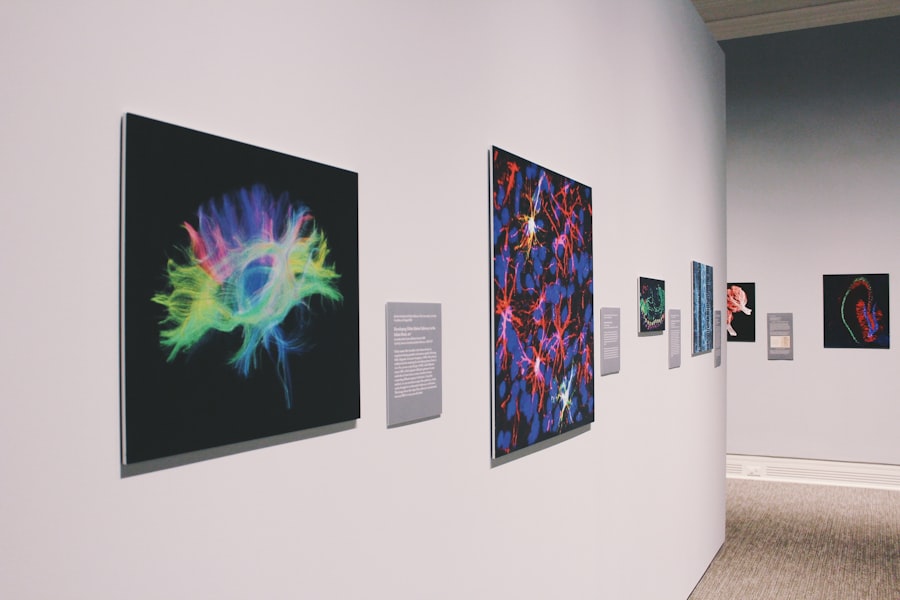
The good news is that your brain is not a fixed entity. Neuroplasticity, the brain’s remarkable ability to reorganize itself by forming new neural connections throughout life, offers the potential to move away from a false self and cultivate a more authentic existence. Through conscious effort and consistent practice, you can, in essence, rewire your brain.
The Role of Mindfulness and Self-Awareness
Mindfulness, the practice of paying attention to the present moment non-judgmentally, is a powerful tool for cultivating authenticity. By bringing your awareness to your thoughts, feelings, and bodily sensations, you can begin to identify the patterns of your false self and differentiate them from your genuine internal experiences.
Mindfulness and DMN Engagement
Regular mindfulness practice has been shown to increase activity in the DMN in a way that is associated with greater self-awareness and insight. This allows you to access your internal library more effectively, rereading and reinterpreting the narratives you’ve been telling yourself. This is akin to clearing away the undergrowth in a forest, allowing you to see the underlying paths and clearings more distinctly.
Mindfulness and Amygdala Regulation
Furthermore, mindfulness can help to regulate amygdala reactivity. By observing your emotions without immediate reaction, you teach your brain to associate them with less threat, thereby reducing the compulsion to activate your false self. You learn to acknowledge the storm clouds without being swept away by the wind, recognizing their passage.
Therapy and the Repatterning of Neural Circuits
Various therapeutic approaches, particularly those focusing on attachment, trauma, and cognitive-behavioral techniques, can facilitate the process of unmasking your false self. These therapies provide a safe and supportive environment to explore the origins of your protective patterns and to develop new, more authentic ways of relating to yourself and others.
Trauma-Informed Therapies and Neural Healing
For individuals who have experienced early trauma or significant environmental deficits, trauma-informed therapies are essential. These modalities address the neurobiological changes that may have occurred due to these experiences, helping to heal and rebalance neural circuits involved in emotional regulation and threat detection. This is like tending to damaged roots, allowing the tree to grow strong and healthy once more.
Cognitive Restructuring and the Challenge of Cognitive Distortions
Cognitive restructuring techniques help you identify and challenge the habitual thought patterns and beliefs that underpin your false self. By consciously reframing these cognitive distortions, you can begin to alter the neural pathways that support them, creating space for more accurate and authentic self-perceptions. You are actively deconstructing the old, faulty blueprints and drafting new ones based on a more grounded reality.
Recent studies in the neuroscience of masking and the concept of the false self have shed light on how individuals often hide their true emotions and identities in social situations. This phenomenon can be particularly pronounced in those with neurodivergent conditions, where the pressure to conform to societal norms can lead to significant psychological distress. For a deeper understanding of these dynamics, you may find it insightful to explore this related article on the topic of emotional masking and its implications for mental health. You can read more about it here.
The Embodiment of Authenticity: A Neurobiological Shift
| Metric | Description | Neuroscience Findings | Relevance to Masking and False Self |
|---|---|---|---|
| Prefrontal Cortex Activity | Brain region involved in self-regulation and social cognition | Increased activation during social masking tasks | Supports conscious control of behavior to present a false self |
| Anterior Cingulate Cortex (ACC) | Involved in conflict monitoring and emotional regulation | Heightened activity when suppressing authentic emotions | Indicates internal conflict during masking of true self |
| Default Mode Network (DMN) | Network active during self-referential thought | Reduced connectivity during masking, reflecting altered self-perception | May underlie dissociation from authentic self-experience |
| Heart Rate Variability (HRV) | Physiological marker of stress and emotional regulation | Lower HRV observed during prolonged masking | Indicates increased stress and reduced emotional flexibility |
| Electroencephalography (EEG) Alpha Power | Brain wave frequency linked to relaxation and inhibition | Altered alpha power during social masking tasks | Reflects cognitive effort in maintaining false self-presentation |
| Cortisol Levels | Hormone associated with stress response | Elevated cortisol during extended masking periods | Physiological stress response to sustaining false self |
Ultimately, embodying authenticity is not merely a psychological state; it is a neurobiological shift. It involves a more harmonious interplay between the various brain regions responsible for self-awareness, emotional regulation, and social functioning. When you are truly authentic, your brain operates with greater efficiency and coherence.
Increased Integration and Coherence
An authentic self is characterized by greater integration within your neural networks. This means that different brain areas are communicating more effectively, leading to a more unified and coherent sense of self. You are less of a jigsaw puzzle with scattered pieces and more of a finely tuned orchestra, where each instrument plays in harmony with the others.
The Mirror Neuron System and Empathic Connection
The mirror neuron system, which fires both when you perform an action and when you observe someone else performing the same action, is believed to be crucial for empathy and social understanding. When you are more authentic, your mirror neuron system may be more readily engaged, allowing for deeper, more genuine empathic connection with others. This fosters a sense of shared humanity, a resonant understanding that transcends superficial differences.
Reduced Cognitive Load and Increased Flow States
Operating from an authentic self often leads to a reduction in cognitive load. You expend less energy maintaining a façade, freeing up your mental resources for more meaningful engagement with the world. This can lead to increased experiences of “flow states,” where you are fully immersed and energized by your activities. You are no longer performing a taxing role, but rather living in a state of effortless engagement, where your actions feel natural and intrinsically rewarding.
The Neuroscience of Well-being and Authentic Living
The scientific exploration of authenticity is revealing a profound link between aligning with your true self and enhanced well-being. As you shed the constraints of the false self and embrace your genuine identity, you are likely to experience improvements in your mental, emotional, and even physical health. This journey of unmasking is not just about understanding your brain; it’s about unlocking a more fulfilling and vibrant way of being.
FAQs
What is the neuroscience of masking?
The neuroscience of masking refers to the study of how the brain processes and manages the act of concealing one’s true emotions, thoughts, or identity. It involves understanding the neural mechanisms and brain regions involved in self-presentation, social cognition, and emotional regulation.
What does the term “false self” mean in neuroscience?
In neuroscience, the “false self” describes a constructed identity or persona that an individual presents to the outside world, which may differ from their authentic self. This concept is linked to brain activity related to self-awareness, social behavior, and emotional suppression.
Which brain areas are involved in masking and the false self?
Key brain areas involved include the prefrontal cortex, which is responsible for decision-making and self-control; the anterior cingulate cortex, which plays a role in emotional regulation; and the temporoparietal junction, which is important for perspective-taking and social cognition.
How does masking affect mental health according to neuroscience?
Masking can lead to increased cognitive load and emotional stress, as the brain works harder to maintain the false self. Over time, this may contribute to anxiety, depression, and feelings of disconnection from one’s authentic identity.
Can neuroscience help in reducing the negative effects of masking?
Yes, neuroscience research can inform therapeutic approaches by identifying neural patterns associated with masking and false self behaviors. Techniques such as mindfulness, cognitive-behavioral therapy, and neurofeedback may help individuals reconnect with their authentic selves and reduce the need for masking.