
You stand at a precipice, a mountain of excess weight obscuring the view of your own potential. The journey to weight loss often feels like a battlefield, a constant struggle against cravings, plateaus, and a feeling of being trapped in a body that doesn’t serve you. You’ve likely tried diets, exercise plans, perhaps even consulted professionals, yet the persistent pounds remain, a stubborn shadow clinging to your resolve. The common narrative, however, often overlooks a crucial, silent architect of your struggle and your potential for success: your brain. This article explores the intricate link between your brain and your weight, delving into the neurobiological underpinnings of appetite, satisfaction, and habit formation, and how understanding and actively rewiring these pathways can be the key to unlocking sustainable weight loss.
Your brain is not merely a passive observer in your weight journey; it is an active participant, a conductor orchestrating a symphony of biological and psychological signals that influence your eating behaviors. From the primal urge of hunger to the subtle nuances of satisfaction, your central nervous system is constantly processing information and dictating your responses, often without your conscious awareness.
The Hypothalamus: The Body’s Thermostat and Appetite Control Center
Situated deep within your brain, the hypothalamus acts as a master regulator for a multitude of bodily functions, including temperature, sleep-wake cycles, and crucially, appetite and satiety. It receives signals from various parts of your body – your stomach, your adipose tissue, your gut – and translates them into the sensations of hunger and fullness.
Ghrelin and Leptin: The Hormonal Whisperers
These two hormones play pivotal roles in signaling hunger and fullness. Ghrelin, often dubbed the “hunger hormone,” is produced in the stomach and signals to the hypothalamus that it’s time to eat. Leptin, released by fat cells, signals satiety and suppresses appetite. Imbalances in these hormones can create a distorted hunger-and-fullness feedback loop, leaving you feeling perpetually hungry or unable to recognize when you’re truly satisfied.
Neurological Pathways: The Brain’s Internal Communication Network
The hypothalamus is interconnected with various brain regions, including the brainstem and the limbic system, forming complex neural circuits that process sensory information related to food – its smell, appearance, and taste – and trigger specific behavioral responses. These pathways are not static; they are malleable and can be influenced by your experiences and environment.
The Reward System: The Brain’s Pleasure Seeker
The brain’s reward system is a powerful motivator, designed to encourage behaviors essential for survival, including eating. When you consume palatable foods, especially those high in sugar and fat, your brain releases dopamine, a neurotransmitter associated with pleasure and reward. This creates a positive reinforcement loop, making you crave those foods again.
Dopamine’s Double-Edged Sword
While dopamine’s role in survival is undeniable, in the context of modern food environments, it can become a double-edged sword. Highly processed foods are often engineered to maximally stimulate this reward pathway, leading to a cycle of cravings, overconsumption, and an inability to find satisfaction in less hyper-palatable options. Your brain essentially becomes addicted to the dopamine hit.
The Amygdala and Hippocampus: Memory and Emotion in Eating
The amygdala, involved in processing emotions, and the hippocampus, responsible for memory formation, also play significant roles in your eating habits. Emotional distress or positive memories associated with certain foods can trigger cravings, overriding rational decisions about your nutritional needs. You might find yourself reaching for comfort food during stressful times, a learned association etched into your neural pathways.
To effectively rewire your brain for weight loss, it’s essential to understand the psychological aspects of eating habits and motivation. A related article that delves into this topic is available at Unplugged Psych, which provides insights and strategies for reshaping your mindset towards healthier choices. By exploring the connections between thoughts, emotions, and behaviors, you can develop a more sustainable approach to achieving your weight loss goals.
Understanding the “Why” Behind Your Cravings: Beyond Mere Hunger
The persistent, often overwhelming cravings that plague many individuals seeking weight loss are not simply a matter of biological necessity. They are deeply ingrained psychological and neurological responses that need to be understood and addressed for lasting change.
The Palatability Trap: Engineered Foods and Brain Hijacking
Modern food manufacturing has perfected the art of creating hyper-palatable foods – those that are exceptionally tasty, often due to precise combinations of sugar, fat, and salt. These foods are specifically designed to exploit your brain’s reward circuitry, delivering a potent and rapid dopamine release that can create a powerful urge to consume more.
The “Bliss Point” Phenomenon
Food scientists have identified what they call the “bliss point,” a specific concentration of sugar, fat, and salt that maximizes palatability and overrides satiety signals. Consuming foods at their bliss point can effectively hijack your brain’s natural mechanisms for sensing fullness, leaving you wanting more even when your body’s nutritional needs have been met.
The Role of Sensory Input
The sight, smell, and even the sound of certain foods can trigger anticipatory dopamine release, preparing your brain for the pleasure of consumption. This sensory overload can contribute to impulsive eating and make it difficult to resist tempting foods, even when you’re not physically hungry.
Emotional Eating: The Brain’s Coping Mechanism
For many, food becomes a tool for managing emotions. Stress, anxiety, sadness, or even boredom can trigger the release of cortisol, a stress hormone, which can stimulate appetite and increase cravings for comfort foods. Your brain learns to associate certain foods with solace or temporary relief from negative feelings.
The Vicious Cycle of Emotional Eating
This creates a vicious cycle: you experience a negative emotion, you reach for food for comfort, the food provides temporary relief, but then you experience guilt or shame about your eating, which triggers more negative emotion, leading you back to food. Your brain uses food as a distraction or a pacifier, reinforcing the behavior over time.
Social and Environmental Triggers
Beyond individual emotions, social situations and environmental cues can also trigger eating. Being in a social setting where food is prevalent, or seeing advertisements for enticing foods, can activate your brain’s learned associations and desires. Your environment becomes a minefield of potential caloric triggers.
Habitual Eating: The Brain’s Automatic Pilot
Many of our eating behaviors are not conscious choices but rather ingrained habits. Your brain creates shortcuts, forming automatic associations between cues (like time of day, a particular location, or a feeling) and actions (like eating a specific snack). These habits become so deeply entrenched that they operate on autopilot, requiring little conscious effort.
The Power of Routine and Association
If you habitually reach for a cookie at 3 PM every day, your brain has established a strong neural pathway linking that time of day to the act of eating a cookie. Even if you’re not hungry, the cue can trigger the automatic behavior, bypassing your rational decision-making processes.
The Importance of Breaking and Rebuilding Neural Pathways
Overcoming habitual eating requires consciously identifying these cues and actively disengaging from the automatic response. It involves a process of “unlearning” old habits and deliberately establishing new, healthier routines. This is akin to rerouting traffic on a congested highway; you need to create new paths.
Rewiring Your Brain for Sustainable Weight Loss: Practical Strategies
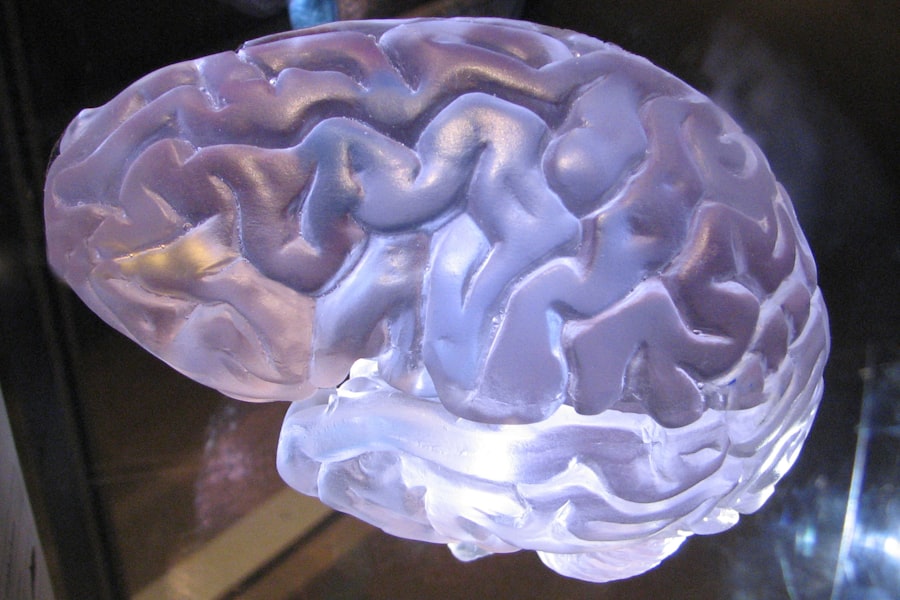
The good news is that your brain is not set in stone. Neuroplasticity, the brain’s ability to reorganize itself by forming new neural connections, offers a powerful pathway to achieving sustainable weight loss. By understanding the mechanisms at play, you can actively implement strategies to reshape your brain’s responses to food and eating.
Mindful Eating: Bringing Awareness to Your Plate
Mindful eating is a practice that involves paying full attention to the experience of eating, without judgment. It encourages you to slow down, savor each bite, and become more aware of your body’s hunger and satiety signals. This conscious engagement can help to disrupt automatic eating patterns and foster a healthier relationship with food.
Cultivating Sensory Awareness
During mindful eating, you are encouraged to engage all your senses: observe the colors and textures of your food, inhale its aromas, and truly taste the flavors. This deep engagement can enhance satisfaction from smaller portions and increase your appreciation for the nutritional value of what you consume.
Recognizing and Responding to Hunger and Fullness Cues
Mindful eating trains you to differentiate between physical hunger and emotional cravings. By pausing before and during meals, and checking in with your body, you can learn to recognize the subtle cues of satiety and stop eating when you are comfortably full, rather than overeating.
Reducing Distracted Eating
Distracted eating, such as eating while watching television or working, often leads to unconscious overconsumption. Mindful eating encourages you to create a dedicated eating environment, free from distractions, allowing you to focus solely on the act of nourishing your body.
Cognitive Reappraisal: Changing Your Thoughts About Food
The way you think about food profoundly impacts your eating behaviors. Cognitive reappraisal involves challenging and reframing negative or unhelpful thoughts and beliefs about food, weight, and your ability to achieve your goals. This is about changing the narrative your brain tells you about food.
Identifying and Challenging Food-Related Beliefs
Many individuals hold restrictive or all-or-nothing beliefs about food (e.g., “this food is bad,” “I’ve already failed”). Cognitive reappraisal involves identifying these beliefs, examining their validity, and replacing them with more balanced and realistic perspectives.
Shifting Focus from Deprivation to Nourishment
Instead of focusing on what you “can’t” eat, cognitive reappraisal encourages a shift towards appreciating the nourishing aspects of healthy foods. This involves recognizing that healthy food provides your body with essential nutrients and energy, rather than seeing it as a form of punishment or sacrifice.
Developing a Growth Mindset
Adopting a growth mindset, where you believe your abilities and intelligence can be developed through dedication and hard work, is crucial for weight loss. This mindset allows you to view challenges and setbacks not as failures, but as opportunities for learning and growth, which is essential when navigating the ups and downs of a weight loss journey.
Building New Habits: Replacing Old Pathways with New Ones
Habits are the building blocks of consistent behavior. By intentionally creating new, healthier eating and lifestyle habits, you can gradually rewire your brain’s automatic responses, making healthy choices the default. This is like laying down new, well-worn paths in a forest.
The Power of Small, Consistent Steps
Instead of attempting drastic behavioral changes, focus on implementing small, manageable changes that you can sustain. For example, adding a vegetable to one meal a day or opting for water over sugary drinks are achievable goals that build momentum.
Habit Stacking and Cue-Association
Habit stacking involves linking a new desired habit to an already existing habit. For instance, if you already brush your teeth every morning, you could stack drinking a glass of water with lemon right after. Cue-association involves creating specific triggers for your new habits. If you want to exercise in the morning, lay out your workout clothes the night before.
Rewarding Progress and Practicing Self-Compassion
Acknowledge and celebrate your successes, no matter how small. Positive reinforcement is a powerful tool for habit formation. Furthermore, practice self-compassion when you inevitably slip up. Instead of harsh self-criticism, view setbacks as learning opportunities and recommit to your goals.
The Influence of Environment and Social Connections on Your Brain

Your brain does not exist in a vacuum; it is constantly influenced by your surroundings and the people you interact with. Understanding and strategically managing your environment, as well as leveraging the support of social connections, can significantly impact your weight loss journey.
Creating a Health-Supporting Environment: Your Personal Ecosystem
The physical spaces you inhabit, from your kitchen to your workplace, can either support or sabotage your weight loss efforts. Strategically designing your environment to make healthy choices easier and unhealthy choices more difficult is a powerful form of environmental control that influences your brain’s decision-making.
The “Nudge” for Healthy Choices
Making healthy foods visible and readily accessible, while making less healthy options less convenient, can subtly influence your eating patterns. For example, keeping a bowl of fruit on your counter and storing chips out of sight can make a difference. This is the principle of “choice architecture” applied to personal habits.
Minimizing Temptation Cues
Identifying and minimizing exposure to triggers that lead to unhealthy eating is crucial. This might involve unsubscribing from tempting food newsletters, avoiding certain aisles in the grocery store, or devising strategies to navigate social events where food is a central focus.
The Role of Sleep and Stress Management in Environmental Influence
Adequate sleep and effective stress management are foundational to a healthy brain and body. A sleep-deprived or chronically stressed brain is more susceptible to cravings and impulsive behavior. Creating an environment that promotes these aspects of well-being directly supports your weight loss goals.
The Power of Social Support: Collective Rewiring
Humans are social creatures, and our interactions with others can profoundly shape our behavior, including our eating habits. Positive social support can act as a powerful catalyst for change, while negative influences can hinder progress.
Finding an Accountability Partner or Support Group
Sharing your goals with trusted friends, family members, or joining a support group can provide invaluable encouragement, motivation, and accountability. Knowing that others are on a similar journey can reduce feelings of isolation and reinforce your commitment.
The Impact of Social Norms
The behaviors of those around you can influence your own. Surrounding yourself with individuals who prioritize healthy eating and an active lifestyle can naturally nudge your own habits in a similar direction. This is the power of positive social momentum.
Navigating Social Eating Situations
Social gatherings can often be filled with tempting food options. Developing strategies for navigating these situations, such as planning your meals in advance, bringing a healthy dish to share, or focusing on non-food-related activities, can help you maintain control and avoid falling back into old patterns.
If you’re looking to transform your mindset and achieve lasting weight loss, understanding the science behind rewiring your brain can be incredibly beneficial. A related article on this topic can provide valuable insights and practical strategies to help you on your journey. By exploring the techniques discussed in this article, you can learn how to shift your thought patterns and behaviors, making it easier to adopt healthier habits and ultimately reach your weight loss goals.
The Long Game: Embracing Imperfection and Continuous Learning
| Metric | Description | Example/Tip | Impact on Weight Loss |
|---|---|---|---|
| Neuroplasticity | The brain’s ability to reorganize itself by forming new neural connections. | Practice mindful eating daily to create new healthy habits. | Helps replace unhealthy eating patterns with healthier ones. |
| Habit Formation Time | Average time to form a new habit. | Consistently choose healthy snacks for 21-66 days. | Establishes long-term behavior change supporting weight loss. |
| Mindful Eating | Eating with full attention to hunger and satiety cues. | Eat slowly and savor each bite to reduce overeating. | Reduces calorie intake and emotional eating episodes. |
| Stress Reduction | Lowering cortisol levels through relaxation techniques. | Practice meditation or deep breathing for 10 minutes daily. | Decreases stress-related cravings and fat storage. |
| Positive Self-Talk | Replacing negative thoughts with encouraging affirmations. | Use daily affirmations like “I am capable of healthy choices.” | Boosts motivation and adherence to weight loss goals. |
| Sleep Quality | Amount and restfulness of sleep per night. | Aim for 7-9 hours of quality sleep consistently. | Improves hormone balance related to hunger and metabolism. |
Sustainable weight loss is not a sprint; it is a marathon. It requires a shift in perspective from a temporary fix to a lifelong commitment to well-being. Embracing imperfection and committing to continuous learning are essential for navigating the inevitable challenges and celebrating the progress you make along the way.
Embracing Imperfection: The Reality of a Weight Loss Journey
The pursuit of perfection can be a significant barrier to progress. You will have days when you overeat, when your motivation wanes, or when you encounter setbacks. The key is to view these moments not as failures, but as opportunities to learn and adjust your approach.
Self-Compassion as a Tool for Resilience
Practicing self-compassion when you falter is crucial for building resilience. Instead of engaging in self-criticism, which can trigger further unhealthy behaviors, approach yourself with kindness and understanding, and then recommit to your healthy habits.
Learning from Setbacks
Each setback is a valuable data point. Analyze what led to the deviation from your plan, identify the triggers, and use that knowledge to refine your strategies for the future. This iterative process of learning and adapting is essential for long-term success.
Continuous Learning and Adaptation: Your Brain as a Lifelong Student
Your journey to weight loss is an ongoing process of learning and adaptation. As your body changes and as you gain new insights, you will need to adjust your strategies accordingly. Your brain’s capacity for neuroplasticity means you can always learn and evolve.
Staying Informed About Nutrition and Health
Educate yourself about the principles of balanced nutrition and the science behind weight management. This knowledge empowers you to make informed decisions and to adapt your diet as needed.
Re-evaluating Goals and Strategies
Periodically reassess your goals and the strategies you are employing. What worked initially might need to be modified as you progress. This might involve adjusting your exercise routine, refining your meal planning, or seeking new strategies for managing stress or cravings.
Celebrating Milestones and Maintaining Motivation
Acknowledge and celebrate the milestones you achieve along the way. This reinforces positive behavior and helps to maintain motivation. Focus on the progress you’ve made and the positive changes you’ve implemented, rather than solely on the number on the scale. Ultimately, unlocking weight loss is within your power, not through draconian restrictions, but through a profound understanding and strategic rewiring of the most powerful tool you possess: your brain.
FAQs
What does it mean to rewire your brain for weight loss?
Rewiring your brain for weight loss involves changing your thought patterns, habits, and behaviors related to eating and exercise. This process uses techniques like mindfulness, cognitive behavioral therapy, and habit formation to create healthier choices and improve self-control.
How can changing your mindset help with weight loss?
Changing your mindset helps by reducing emotional eating, increasing motivation, and fostering a positive relationship with food and exercise. A growth-oriented mindset encourages persistence and resilience, making it easier to maintain long-term weight loss.
What role does habit formation play in rewiring the brain for weight loss?
Habit formation is crucial because repeated behaviors create neural pathways in the brain. By consistently practicing healthy eating and regular physical activity, these behaviors become automatic, making it easier to sustain weight loss without relying solely on willpower.
Are there specific techniques to help rewire the brain for weight loss?
Yes, techniques such as mindfulness meditation, visualization, goal setting, and cognitive behavioral strategies can help. These methods increase awareness of triggers, improve emotional regulation, and reinforce positive behaviors related to diet and exercise.
How long does it take to rewire the brain for lasting weight loss?
The time varies by individual, but research suggests it can take several weeks to months of consistent practice to form new neural pathways and habits. Patience and persistence are key, as lasting change requires ongoing effort and reinforcement.