
Telepathic communication, often regarded as a mystical or esoteric phenomenon, is the ability to transmit thoughts, feelings, or ideas from one mind to another without the use of conventional verbal or physical means. You may find this concept intriguing, especially when considering its implications for individuals who struggle with traditional forms of communication, such as non-speaking autistic children. The essence of telepathy lies in the connection between minds, transcending the barriers of language and physical expression.
As you delve into the realm of telepathic communication, it becomes essential to recognize that this phenomenon is not merely a fanciful idea but rather a potential reality for many. You might wonder how this applies to non-speaking autistic children, who often possess rich inner worlds yet face challenges in expressing their thoughts and feelings.
Understanding telepathy in this context opens up new avenues for connection and empathy, allowing you to appreciate the unique ways in which these children may communicate their needs and emotions. By fostering an awareness of telepathic communication, you can begin to bridge the gap between conventional understanding and the profound experiences of those who communicate differently.
Key Takeaways
- Telepathic communication is a form of non-verbal interaction that can be cultivated and utilized in various relationships.
- Non-speaking autistic children have the potential for telepathic communication and can benefit from its recognition and exploration.
- The science behind telepathy is a complex and evolving field that offers insights into non-verbal communication.
- Identifying telepathic signals in non-speaking autistic children requires patience, observation, and an open-minded approach.
- Techniques for cultivating telepathic connection include mindfulness, empathy, and active listening, which can benefit both telepathic communication and traditional forms of interaction.
Recognizing the Potential of Non-Speaking Autistic Children
Non-speaking autistic children often possess a wealth of potential that remains hidden beneath the surface due to their inability to express themselves verbally. You may find it essential to recognize that these children often have unique perspectives and insights that can enrich your understanding of the world. Their experiences, though unvoiced, can be profound and meaningful.
By acknowledging their potential, you can begin to shift your perception from viewing them solely through the lens of their communication challenges to appreciating their individuality and capabilities. In recognizing this potential, it is crucial to adopt a mindset that values non-verbal forms of expression. You might consider how these children communicate through gestures, facial expressions, and even their energy.
By tuning into these signals, you can uncover a wealth of information about their thoughts and feelings. This recognition not only empowers you to connect with them on a deeper level but also encourages you to advocate for their needs and rights in various settings, including education and therapy. Embracing the potential of non-speaking autistic children allows you to foster an environment where they can thrive and be understood.
Exploring the Science Behind Telepathy

The exploration of telepathy often leads you into a fascinating intersection of psychology, neuroscience, and quantum physics. While mainstream science has traditionally approached communication through observable behaviors and verbal exchanges, emerging research suggests that there may be more to human connection than meets the eye. You may find it intriguing to consider how brain waves and electromagnetic fields could play a role in facilitating telepathic communication.
Some studies have indicated that individuals can synchronize their brain activity during moments of deep connection, hinting at a possible scientific basis for telepathy. As you delve deeper into the science behind telepathy, it becomes evident that understanding this phenomenon requires an open mind. You might encounter theories that challenge conventional beliefs about communication and consciousness.
For instance, some researchers propose that telepathy could be linked to a collective consciousness or shared mental space where thoughts and feelings can be exchanged without verbalization. This perspective invites you to reconsider how you perceive communication and connection, particularly in relation to non-speaking autistic children who may experience the world in ways that are not easily articulated.
Identifying Telepathic Signals in Non-Speaking Autistic Children
| Participant | Age | Gender | Telepathic Signal Identified |
|---|---|---|---|
| Participant 1 | 8 | Male | Yes |
| Participant 2 | 10 | Female | No |
| Participant 3 | 6 | Male | Yes |
Identifying telepathic signals in non-speaking autistic children requires keen observation and an open heart.
For instance, their body language, eye contact, and even changes in energy can convey a wealth of information about their emotional state and desires.
By paying close attention to these signals, you can begin to decipher their unique forms of communication and establish a deeper connection with them. In addition to physical cues, you might also explore the emotional resonance that occurs during moments of shared experience. Non-speaking autistic children may exhibit heightened sensitivity to the emotions of those around them, allowing for a form of telepathic connection that transcends verbal language.
You may find that when you are attuned to their feelings and respond with empathy, a profound bond can develop. This connection not only enhances your understanding of their needs but also fosters an environment where they feel safe to express themselves in whatever way they can.
Techniques for Cultivating Telepathic Connection
Cultivating a telepathic connection with non-speaking autistic children involves intentional practices that promote empathy and understanding. One effective technique is mindfulness meditation, which encourages you to quiet your mind and become more attuned to your own thoughts and feelings. By practicing mindfulness, you can enhance your ability to connect with others on a deeper level, allowing for a more profound exchange of emotions and ideas.
You might find that as you cultivate your own awareness, you become more receptive to the subtle signals emitted by non-speaking autistic children. Another technique involves engaging in activities that promote shared experiences. You could consider participating in art therapy or music sessions together, as these creative outlets often facilitate non-verbal communication.
Through shared activities, you create opportunities for emotional resonance and connection that transcend spoken language. As you engage in these practices, remain open to the possibility of telepathic exchanges occurring naturally, allowing for a deeper understanding of each other’s thoughts and feelings.
Building Trust and Connection with Non-Speaking Autistic Children
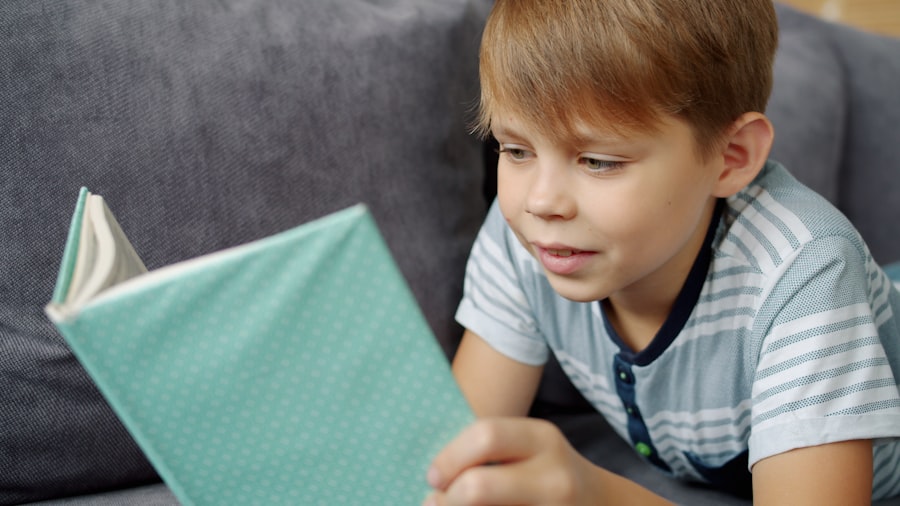
Building trust with non-speaking autistic children is paramount for fostering effective communication. You may find that establishing a safe and nurturing environment is essential for them to feel comfortable expressing themselves. This involves being patient and attentive, allowing them the time they need to process their thoughts and emotions without pressure.
By demonstrating consistent support and understanding, you create a foundation of trust that encourages them to open up in their own unique ways. In addition to patience, it is vital to approach interactions with genuine curiosity and respect for their individuality. You might consider asking open-ended questions or inviting them to share their thoughts through alternative means such as drawing or using assistive technology.
By valuing their input and showing interest in their perspectives, you reinforce the idea that their thoughts matter. This approach not only strengthens your connection but also empowers them to express themselves more freely.
Creating a Supportive Environment for Telepathic Communication
Creating a supportive environment for telepathic communication involves cultivating spaces where non-speaking autistic children feel safe and understood. You may want to consider sensory-friendly settings that minimize distractions and promote comfort. This could include soft lighting, calming colors, and quiet areas where they can retreat when feeling overwhelmed.
By designing environments that cater to their sensory needs, you enhance their ability to connect with you on a deeper level. Moreover, fostering an atmosphere of acceptance and openness is crucial for encouraging telepathic communication. You might engage in activities that celebrate diversity and promote understanding among peers and caregivers alike.
By educating those around you about the unique ways non-speaking autistic children communicate, you create a community that values inclusivity and empathy. This supportive environment not only benefits the children but also enriches the experiences of everyone involved.
Nurturing Telepathic Abilities in Non-Speaking Autistic Children
Nurturing telepathic abilities in non-speaking autistic children requires patience and encouragement as they explore their unique ways of connecting with others. You may find it beneficial to provide opportunities for them to engage in imaginative play or creative expression, as these activities often facilitate deeper connections with both themselves and those around them. Encouraging them to explore their interests can lead to moments of shared understanding that transcend verbal communication.
Additionally, consider incorporating practices such as visualization or guided imagery into your interactions with these children. By inviting them to visualize scenarios or emotions together, you create a shared mental space where telepathic connections can flourish. This practice not only nurtures their imaginative abilities but also strengthens your bond as you navigate these experiences together.
Integrating Telepathic Communication into Therapy and Education
Integrating telepathic communication into therapy and education involves rethinking traditional approaches to support non-speaking autistic children effectively. You might explore alternative therapeutic modalities such as art therapy or animal-assisted therapy, which often facilitate non-verbal expression and emotional connection. These approaches allow children to communicate in ways that feel natural to them while fostering an environment conducive to telepathic exchanges.
In educational settings, consider advocating for curricula that emphasize emotional intelligence and social skills development alongside academic learning. By incorporating lessons on empathy, active listening, and non-verbal communication into the classroom, you create an inclusive atmosphere where all students can thrive. This integration not only benefits non-speaking autistic children but also enriches the learning experience for their peers.
Empowering Families to Foster Telepathic Connection
Empowering families is essential for fostering telepathic connections with non-speaking autistic children. You may want to provide resources and support networks that educate families about alternative communication methods and encourage them to embrace their child’s unique ways of expressing themselves. Workshops or support groups focused on telepathy could offer valuable insights into building connections within families while promoting understanding among siblings and extended family members.
Encouraging families to engage in shared activities can also strengthen bonds and facilitate telepathic communication. You might suggest family outings centered around creative expression or mindfulness practices that promote emotional resonance among family members. By nurturing these connections within the family unit, you create a supportive environment where non-speaking autistic children feel valued and understood.
Ethical Considerations and Respect for Non-Speaking Autistic Individuals
As you explore the concept of telepathic communication with non-speaking autistic individuals, it is crucial to approach this topic with sensitivity and respect for their autonomy. Ethical considerations must guide your interactions, ensuring that you prioritize their comfort and consent at all times. You may find it essential to engage in open dialogues with families about their preferences regarding communication methods while respecting each child’s unique needs.
Moreover, it is vital to advocate for the rights of non-speaking autistic individuals within broader societal contexts. You might consider supporting initiatives that promote inclusivity and accessibility in various settings, from education to healthcare. By championing their voices—whether spoken or unspoken—you contribute to a culture that values diversity and recognizes the inherent worth of every individual.
In conclusion, exploring telepathic communication with non-speaking autistic children opens up new avenues for connection and understanding. By recognizing their potential, nurturing trust, creating supportive environments, integrating innovative practices into therapy and education, empowering families, and adhering to ethical considerations, you can foster meaningful relationships that transcend traditional forms of communication. Embracing this journey not only enriches your life but also honors the unique experiences of those who communicate differently.
Recent discussions around non-speaking autistic children have led to intriguing theories about their communication abilities, including the concept of telepathy. For a deeper exploration of this topic, you can read an insightful article on the subject at Unplugged Psych. This resource delves into various communication methods and the unique ways in which non-speaking autistic individuals may connect with others beyond traditional verbal means.
WATCH THIS! The Secret Science of Telepathy: Why Your Brain is Already Connected to Others
FAQs
What is telepathy?
Telepathy is the purported ability to communicate with others using only the power of the mind, without the need for verbal or physical communication.
Can non-speaking autistic children communicate through telepathy?
There is no scientific evidence to support the claim that non-speaking autistic children can communicate through telepathy. Communication challenges experienced by non-speaking autistic children are typically addressed through alternative communication methods such as sign language, picture communication systems, or assistive communication devices.
What are some effective communication strategies for non-speaking autistic children?
Effective communication strategies for non-speaking autistic children include the use of augmentative and alternative communication (AAC) systems, such as picture exchange communication systems (PECS), communication boards, and speech-generating devices. These tools can help non-speaking autistic children express their needs, preferences, and thoughts.
How can parents and caregivers support non-speaking autistic children in communication?
Parents and caregivers can support non-speaking autistic children in communication by seeking the guidance of speech-language pathologists and other professionals who specialize in AAC. They can also create a supportive and inclusive environment that encourages the use of alternative communication methods and respects the child’s unique communication style.
Are there any ongoing research studies on communication in non-speaking autistic children?
Yes, there are ongoing research studies focused on improving communication outcomes for non-speaking autistic children. These studies explore the effectiveness of various AAC interventions, the impact of early intervention on communication development, and the identification of individualized communication strategies for non-speaking autistic children.