
The concept of mind reading has long captivated human imagination, appearing in folklore, literature, and film. From ancient tales of telepathy to modern science fiction, the idea of accessing another person’s thoughts has been a source of intrigue. However, the journey toward actualizing this concept has been gradual and complex.
Early explorations into the human mind can be traced back to the works of philosophers and scientists who sought to understand consciousness and cognition. Pioneers like René Descartes and Sigmund Freud laid the groundwork for understanding the mind, but it wasn’t until the advent of technology that tangible progress began to emerge. In the late 20th century, advancements in neuroscience and brain imaging techniques marked a significant turning point.
The development of functional magnetic resonance imaging (fMRI) and electroencephalography (EEG) allowed researchers to visualize brain activity in real-time. These technologies opened new avenues for understanding how thoughts and emotions manifest in the brain. As researchers began to decode patterns of neural activity, the dream of mind reading transitioned from the realm of fantasy to a potential reality.
The early 2000s saw significant breakthroughs, with studies demonstrating that specific thoughts could be inferred from brain activity patterns, paving the way for further exploration into this fascinating field.
Key Takeaways
- Mind reading technology has a long history, dating back to ancient civilizations and evolving through the centuries.
- The technology works by using brain-computer interfaces to interpret neural signals and translate them into actionable data.
- Ethical implications of mind reading technology include concerns about consent, privacy, and potential misuse of personal thoughts and emotions.
- In healthcare, mind reading technology has applications in diagnosing and treating neurological disorders, as well as improving communication for patients with disabilities.
- Mind reading technology has the potential to revolutionize communication by enabling direct brain-to-brain interaction and enhancing non-verbal communication.
How Mind Reading Technology Works
At its core, mind reading technology relies on sophisticated algorithms and advanced imaging techniques to interpret brain activity. When you think or feel something, your brain generates electrical signals that can be detected and analyzed. Technologies like fMRI and EEG capture these signals, allowing researchers to create a map of your brain’s activity.
By identifying specific patterns associated with particular thoughts or emotions, scientists can begin to decode what you might be thinking. The process involves training machine learning models on vast datasets of brain activity. These models learn to recognize correlations between neural patterns and specific cognitive states.
For instance, if you are shown images of faces while your brain activity is monitored, the technology can learn to associate certain neural responses with the recognition of familiar faces. Over time, as more data is collected, the accuracy of these predictions improves, enabling a more nuanced understanding of your thoughts and feelings. This intricate interplay between neuroscience and artificial intelligence is what makes mind reading technology both fascinating and complex.
The Ethical Implications of Mind Reading Technology

As with any groundbreaking technology, the rise of mind reading capabilities raises significant ethical questions. One of the primary concerns revolves around consent. If a device can interpret your thoughts, who has the right to access that information?
The potential for misuse is alarming; imagine a world where employers could monitor employees’ thoughts or governments could surveil citizens’ minds. The implications for personal autonomy and freedom are profound, necessitating a robust framework for ethical guidelines. Moreover, there is the question of accuracy and interpretation.
Just because a machine can detect brain activity does not mean it can accurately interpret your thoughts or intentions. Misinterpretations could lead to harmful consequences, such as wrongful accusations or stigmatization based on misunderstood mental states. As you consider the potential benefits of mind reading technology, it is crucial to weigh these ethical dilemmas carefully.
Striking a balance between innovation and ethical responsibility will be essential as this technology continues to evolve.
Applications of Mind Reading Technology in Healthcare
| Application | Description |
|---|---|
| Diagnosis | Using mind reading technology to detect and diagnose neurological disorders and mental health conditions. |
| Treatment Planning | Assisting healthcare professionals in creating personalized treatment plans based on the patient’s brain activity. |
| Rehabilitation | Monitoring and guiding patients through cognitive rehabilitation exercises to aid in recovery from brain injuries or strokes. |
| Communication Aid | Helping patients with severe physical disabilities to communicate by translating their thoughts into speech or text. |
| Research and Development | Supporting scientific research in understanding brain function and developing new healthcare technologies. |
In the realm of healthcare, mind reading technology holds immense promise for revolutionizing patient care and treatment methodologies. For individuals suffering from neurological disorders such as ALS or severe paralysis, traditional communication methods can be incredibly challenging or even impossible. Mind reading technology offers a glimmer of hope by enabling these individuals to communicate their thoughts directly through brain-computer interfaces (BCIs).
By translating neural signals into actionable commands, patients can regain a sense of agency and connection with the world around them. Additionally, mind reading technology can enhance diagnostic processes by providing insights into patients’ mental states that may not be easily articulated. For instance, understanding how patients experience pain or anxiety can lead to more personalized treatment plans.
By analyzing brain activity patterns associated with these experiences, healthcare providers can tailor interventions that address not just the physical symptoms but also the emotional and psychological aspects of illness. This holistic approach could significantly improve patient outcomes and overall quality of life.
Using Mind Reading Technology for Communication
Communication is a fundamental aspect of human interaction, yet many individuals face barriers that hinder their ability to express themselves effectively. Mind reading technology has the potential to bridge these gaps by facilitating communication for those with speech impairments or cognitive disabilities. Imagine being able to convey your thoughts simply by thinking about them; this is becoming increasingly feasible with advancements in brain-computer interfaces.
For example, researchers are developing systems that allow users to select words or phrases by focusing on specific thoughts associated with those words. This technology not only empowers individuals with disabilities but also enhances communication in various contexts, such as education and therapy. By providing a direct link between thought and expression, mind reading technology can foster deeper connections between individuals and promote inclusivity in communication.
Mind Reading Technology in the Field of Neuroscience
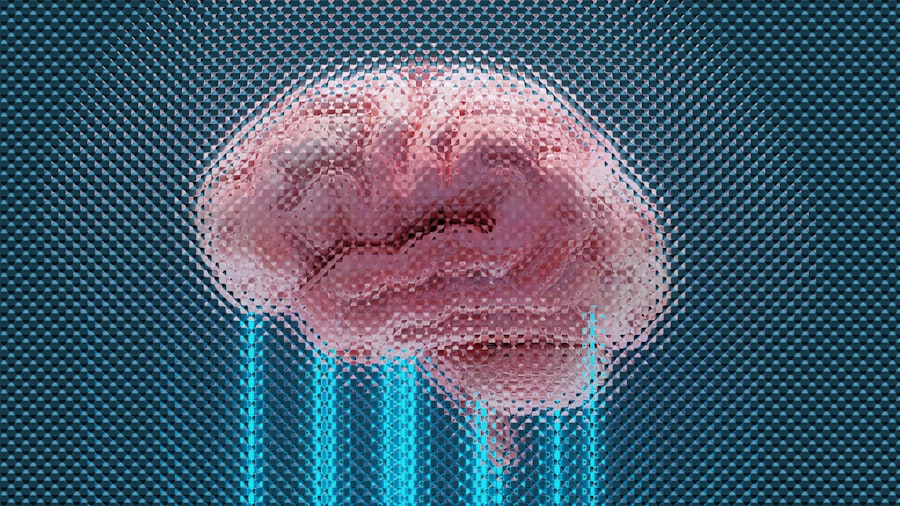
The field of neuroscience stands to benefit immensely from advancements in mind reading technology. As researchers delve deeper into understanding how the brain functions, these technologies provide invaluable tools for exploring complex cognitive processes. By mapping neural activity associated with various tasks or emotions, scientists can gain insights into how different regions of the brain interact and contribute to behavior.
Moreover, mind reading technology can aid in identifying biomarkers for mental health conditions such as depression or anxiety. By analyzing patterns of brain activity linked to these disorders, researchers can develop more effective diagnostic tools and treatment strategies. This could lead to earlier interventions and improved outcomes for individuals struggling with mental health issues.
As you consider the implications of mind reading technology in neuroscience, it becomes clear that it has the potential to unlock new frontiers in our understanding of the human mind.
Mind Reading Technology and its Impact on Privacy
As mind reading technology continues to advance, concerns about privacy become increasingly pressing. The ability to access someone’s thoughts raises fundamental questions about personal boundaries and autonomy. In a world where your innermost thoughts could potentially be monitored or interpreted without your consent, the concept of privacy takes on new dimensions.
You may find yourself questioning how much control you have over your own mind in an age where technology can penetrate even your most private thoughts. The potential for abuse is significant; unauthorized access to someone’s thoughts could lead to manipulation or exploitation. This underscores the need for stringent regulations governing the use of mind reading technology.
Establishing clear guidelines around consent, data protection, and ethical usage will be crucial in safeguarding individual privacy rights as this technology becomes more prevalent in society.
Advancements in Mind Reading Technology
The landscape of mind reading technology is evolving rapidly, driven by continuous research and innovation. Recent advancements have led to more sophisticated algorithms capable of interpreting complex thought patterns with greater accuracy than ever before. Researchers are exploring new materials and methods for brain-computer interfaces that enhance signal detection while minimizing invasiveness.
These developments are paving the way for more accessible and user-friendly applications. Moreover, interdisciplinary collaboration between neuroscientists, engineers, and ethicists is fostering a holistic approach to advancing this technology responsibly. As you observe these advancements unfold, it becomes evident that the future holds exciting possibilities for harnessing mind reading technology in ways that benefit society while addressing ethical concerns head-on.
Mind Reading Technology in the Entertainment Industry
The entertainment industry is also beginning to explore the potential applications of mind reading technology. Imagine immersive experiences where your thoughts influence the storyline or characters in a video game or film. This level of interactivity could revolutionize how you engage with media, creating personalized narratives that respond dynamically to your emotional state or preferences.
Additionally, virtual reality (VR) experiences could be enhanced through mind reading technology by allowing users to control their environments using their thoughts alone. This could lead to more immersive gaming experiences or therapeutic applications in mental health treatment through VR environments tailored to individual needs. As you consider these possibilities, it becomes clear that mind reading technology has the potential to reshape entertainment in ways we have yet to fully comprehend.
The Future of Mind Reading Technology
Looking ahead, the future of mind reading technology is both promising and uncertain. As research continues to advance, we may witness breakthroughs that further blur the lines between human cognition and machine interpretation. The potential applications are vast—ranging from enhancing communication for those with disabilities to revolutionizing mental health treatment and even transforming entertainment experiences.
However, with these advancements come challenges that must be addressed thoughtfully. Balancing innovation with ethical considerations will be paramount as society navigates this uncharted territory. As you reflect on the future of mind reading technology, it is essential to remain vigilant about its implications while embracing its potential to enhance human experience.
How Mind Reading Technology Can Enhance Human Potential
Ultimately, mind reading technology holds the promise of unlocking new dimensions of human potential. By facilitating communication for those who struggle to express themselves or providing insights into mental health conditions, this technology can empower individuals in profound ways.
Furthermore, as we gain deeper insights into cognitive processes through mind reading technology, we may discover new ways to enhance learning and creativity. Tailoring educational approaches based on individual cognitive patterns could lead to more effective teaching methods that resonate with diverse learners. As you contemplate these possibilities, it becomes clear that mind reading technology has the potential not only to transform individual lives but also to enrich society as a whole by fostering understanding and connection among people from all walks of life.
Mind reading technology has been a fascinating topic in recent years, as advancements in neuroscience and artificial intelligence continue to push the boundaries of what is possible. For a deeper understanding of the implications and potential applications of this technology, you can explore a related article on the subject at Unplugged Psych. This resource provides insights into the ethical considerations and future possibilities of mind reading technology, making it a valuable read for anyone interested in the intersection of psychology and technology.
WATCH THIS! The Secret Science of Telepathy: Why Your Brain is Already Connected to Others
FAQs
What is mind reading technology?
Mind reading technology, also known as brain-computer interface (BCI) technology, is a system that allows for direct communication between the brain and an external device, such as a computer or prosthetic limb, without the need for physical movement or speech.
How does mind reading technology work?
Mind reading technology works by using sensors to detect and measure brain activity, such as electrical signals or blood flow. This brain activity is then translated into commands or actions that can be interpreted by a computer or other external device.
What are the potential applications of mind reading technology?
Mind reading technology has a wide range of potential applications, including assisting individuals with disabilities to communicate or control devices, enhancing virtual reality experiences, and improving the understanding of brain function and disorders.
Is mind reading technology currently available to the public?
While mind reading technology is still in the early stages of development, there are some consumer-grade BCI devices available for purchase. However, these devices are limited in their capabilities and are primarily used for research and entertainment purposes.
What are the ethical implications of mind reading technology?
The development and use of mind reading technology raise ethical concerns related to privacy, consent, and potential misuse of the technology. It is important for researchers and developers to consider these implications and ensure that appropriate safeguards are in place.