
You possess a remarkable ability, a biological superpower that allows you to rewrite your own operating system: neuroplasticity. It’s the scientific bedrock of your capacity to learn, adapt, and fundamentally change throughout your life. For too long, the prevailing wisdom suggested that the adult brain was a static, unyielding entity, its developmental stage firmly fixed after a certain age. This perspective, now largely debunked, painted a picture of limitations. Neuroplasticity shatters that fiction, revealing a dynamic, fluid brain capable of remarkable transformation. To truly understand this power, you must delve into the science, not just accept the popular hype.
At its core, neuroplasticity is the brain’s ability to reorganize itself by forming new neural connections throughout life. This isn’t some mystical force; it’s a tangible, biological process driven by activity and experience. Every thought you have, every action you take, every piece of information you process leaves a trace, a ripple in the intricate network of your brain.
Strengthening and Weakening Connections: The Role of Synaptic Plasticity
The primary locus of neuroplasticity resides at the synapses, the microscopic junctions between neurons where electrochemical signals are transmitted. When you consistently engage in a particular behavior, learn a new skill, or even have a recurring thought pattern, the synapses involved in that process are strengthened. This strengthening can manifest in several ways:
Long-Term Potentiation (LTP): The Foundation of Learning
Think of LTP as the brain’s way of saying, “This connection is important; let’s make it more efficient.” When neurons fire together repeatedly, the synaptic connections between them become more robust and sensitive. This means that subsequent transmissions across these pathways require less stimulation, making information retrieval and task execution faster and more effective. This is the cellular basis for forming memories and acquiring new skills. For instance, when you practice playing a musical instrument, the neural pathways involved in finger movements, auditory processing, and memory recall are continuously reinforced through LTP.
Long-Term Depression (LTD): The Necessity of Pruning
Just as strengthening connections is crucial, so too is weakening or eliminating those that are no longer used or are inefficient. LTD is the opposite of LTP, where repeated low-frequency stimulation of synapses leads to a decrease in their strength. This process is vital for clearing out unnecessary or obsolete neural pathways, allowing your brain to devote resources to more relevant and active connections. Imagine learning a new language; initially, you might struggle with grammatical rules and vocabulary. As you become more proficient, the less frequently used translation pathways from your native language to the new one gradually weaken, while the direct pathways for comprehension and expression in the new language strengthen. LTD ensures your brain remains streamlined and adaptable.
Structural Rearrangements: Beyond Synaptic Firing
Neuroplasticity isn’t solely about the strength of connections; it also involves significant structural changes within the brain. These anatomical adaptations allow your brain to physically reconfigure itself in response to demands.
Neurogenesis: The Birth of New Neurons
While the idea of generating new brain cells was once considered impossible in adulthood, scientific research has definitively shown that neurogenesis, the creation of new neurons, occurs in specific regions of the adult brain, most notably the hippocampus, which is crucial for learning and memory, and the subventricular zone, which can contribute to the olfactory bulb. The rate and extent of neurogenesis are influenced by various factors, including physical activity, cognitive stimulation, and even factors like stress and sleep. Engaging in mentally challenging activities can promote the survival and integration of these new neurons into existing neural circuits.
Synaptogenesis: The Growth of New Connections
Beyond strengthening existing synapses, your brain can also create entirely new synaptic connections. This process, synaptogenesis, is a direct response to novel experiences and learning. When you encounter new information or engage in activities that require novel processing, your neurons extend new dendrites and axons, forming fresh points of contact with other neurons. This is particularly active during periods of intense learning or when recovering from brain injury, where the brain attempts to build new pathways to compensate for damaged areas.
Axonal Sprouting and Pruning: The Remodeling of Neural Networks
Axons, the long projections of neurons that transmit signals, can also undergo significant changes. Axonal sprouting refers to the growth of new branches from existing axons, allowing neurons to form new connections with previously unreached cells. Conversely, axonal pruning involves the retraction or elimination of axon branches, effectively streamlining neural pathways. These dynamic processes allow neural networks to be constantly remodeled and optimized based on usage and environmental demands.
Curiosity plays a significant role in brain neuroplasticity, as it encourages the brain to form new connections and pathways. For a deeper understanding of how curiosity can enhance cognitive flexibility and promote learning, you can explore the article available at this link. This resource provides insights into the mechanisms of neuroplasticity and the importance of maintaining an inquisitive mindset for overall brain health.
The Brain’s Adaptive Toolkit: How Experience Shapes Your Neural Landscape
Your brain is not passively sitting there; it’s actively responding to your environment and your internal states. Your daily experiences, your choices, and even your sustained focus are the architects of your neural landscape.
Learning and Skill Acquisition: The Direct Demonstration of Plasticity
The most evident manifestation of neuroplasticity is in your ability to learn new things and acquire new skills. Whether it’s mastering a foreign language, learning to code, or picking up a new athletic discipline, the process involves a profound rewiring of your brain.
Habit Formation: Automating Behavior Through Repetition
As you repeatedly perform an action, the associated neural pathways become more efficient and less demanding of conscious attention. This is the essence of habit formation. Initially, learning a new habit requires significant cognitive effort. With consistent practice, these neural circuits become ingrained, allowing the behavior to occur largely automatically. This frees up your cognitive resources for other tasks. Think about driving a car; initially, it was a complex endeavor requiring conscious thought for every action. Now, for many, it’s a fluid, almost unconscious process.
Cognitive Skill Development: Enhancing Mental Abilities
Beyond motor skills, your cognitive abilities are also profoundly shaped by neuroplasticity. Engaging in activities that challenge your memory, attention, problem-solving skills, and critical thinking can lead to observable changes in brain structure and function. For example, studies have shown that consistent engagement in mindfulness meditation can lead to increased gray matter density in regions associated with attention and emotional regulation. Similarly, individuals who regularly engage in complex puzzles or strategic games may exhibit enhanced executive functions.
The Impact of Environment and Stimulation: Nurturing Your Neural Growth
The environment in which you live and the level of stimulation you experience play a critical role in shaping your brain’s plasticity. A rich, challenging environment tends to foster more robust neural development and cognitive function.
Enriched Environments: Fostering Cognitive Resilience
Studies on both animals and humans consistently demonstrate that individuals exposed to enriched environments – characterized by novelty, complexity, and opportunities for social interaction and exploration – exhibit greater neural complexity and enhanced cognitive performance. For you, this translates to the benefit of seeking out new experiences, engaging with diverse stimuli, and fostering meaningful social connections. Conversely, prolonged periods of isolation and lack of stimulation can have detrimental effects on brain health and plasticity.
Sensory Input and Cognitive Demands: Driving Neural Reorganization
Every sensory input you receive and every cognitive demand placed upon your brain contributes to its ongoing reorganization. The visual cortex, for instance, can reorganize to process information from other senses if sight is lost. Similarly, engaging in tasks that require focused attention and information processing will strengthen the neural networks responsible for these functions. The principle is simple: use it, or risk atrophying it.
When the Brain Adapts Under Duress: Recovery and Rehabilitation

Neuroplasticity is not just about improvement and enhancement; it’s also a crucial mechanism for recovery and rehabilitation in the face of injury or disease. The brain’s ability to reorganize itself offers a powerful pathway towards regaining lost function.
Stroke Recovery: Reclaiming Lost Abilities
Following a stroke, which damages brain tissue, neuroplasticity becomes paramount in the rehabilitation process. The brain can reroute functions to undamaged areas, allowing individuals to regain lost motor, language, or cognitive abilities. This often involves intensive therapy that repeatedly stimulates the affected neural pathways, encouraging the formation of new connections and the strengthening of existing ones.
Compensatory Plasticity: Finding New Routes
In the initial stages of stroke recovery, the brain often relies on compensatory plasticity, where undamaged areas take over the functions of the damaged regions. This might involve using different muscles to perform a movement or developing new strategies to communicate. While effective, this can sometimes lead to less efficient or effortful movements.
Regenerative Plasticity: Rebuilding Lost Pathways
Over time and with targeted rehabilitation, regenerative plasticity aims to re-establish more direct neural pathways. This involves encouraging the growth of new axons and synapses in and around the damaged area, ideally restoring more natural and efficient function. This is a slower and more challenging process, but it is the ultimate goal of many rehabilitation programs.
Traumatic Brain Injury (TBI): The Second Chance for Neural Function
Similar to stroke recovery, individuals with TBI can also benefit immensely from harnessing neuroplasticity. The brain’s ability to reorganize allows for a degree of recovery from the widespread damage that TBI can cause. The principles of intensive, repetitive practice and targeted cognitive and physical therapies are central to helping individuals regain lost functions.
Cognitive Rehabilitation: Rebuilding Mental Faculties
For individuals with TBI, cognitive rehabilitation focuses on restoring attention, memory, executive functions, and problem-solving skills. This often involves using assistive technologies, mnemonic strategies, and structured exercises designed to challenge and rebuild specific cognitive processes.
Motor Rehabilitation: Restoring Movement and Coordination
Motor rehabilitation after TBI aims to improve strength, balance, coordination, and motor control. This can involve a range of therapies, including physical therapy, occupational therapy, and specialized techniques like constraint-induced movement therapy, which forces the use of the affected limb to promote neural rewiring.
The Science of Deliberate Change: Harnessing Neuroplasticity for Personal Growth
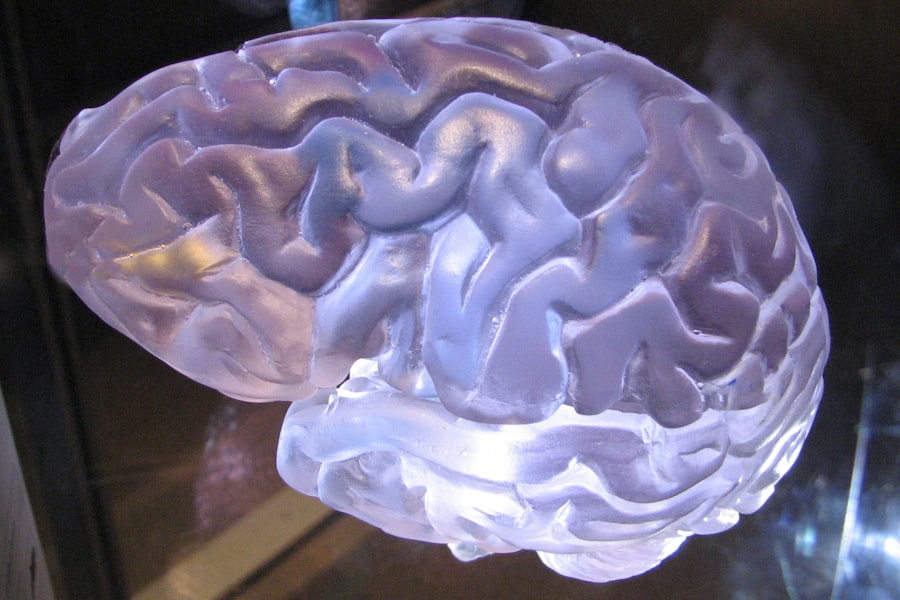
Understanding the mechanisms of neuroplasticity empowers you to actively participate in your own brain’s development. It shifts the focus from passive acceptance to active participation, allowing you to consciously sculpt your neural landscape for personal growth and well-being.
The Power of Focused Attention: Directing Neural Resources
Your attention acts as a powerful selector, indicating to your brain which neural pathways are most important to strengthen. When you focus your attention on a particular task, skill, or thought, you are essentially directing neural resources towards reinforcing those connections.
Mindfulness and Meditation: Cultivating Present Moment Awareness
Practices like mindfulness meditation, which involve intentionally focusing your attention on the present moment without judgment, have been shown to induce positive changes in brain structure and function. These practices can enhance attentional control, emotional regulation, and self-awareness, all of which are underpinned by neuroplasticity. By consistently bringing your attention back to your chosen focus, you are actively strengthening the neural circuits associated with that focus.
Goal-Oriented Learning: Intentional Skill Development
When you set a specific goal and engage in deliberate practice to achieve it, you are harnessing neuroplasticity in a powerful way. The clear intention and focused effort amplify the brain’s ability to adapt and form new connections necessary for reaching that goal. This isn’t just about putting in hours; it’s about the quality of your focused effort.
The Role of Sleep and Rest: Consolidating and Optimizing Neural Networks
Sleep is not a period of inactivity for your brain. In fact, it’s a critical time for neuroplasticity, where newly formed connections are consolidated and the brain clears out metabolic waste products.
Memory Consolidation: Solidifying What You’ve Learned
During sleep, particularly during slow-wave sleep and REM sleep, your brain replays and strengthens the neural patterns associated with recent learning and experiences. This process is essential for converting short-term memories into long-term ones. Adequate sleep is therefore crucial for effective learning and skill acquisition.
Neural Network Optimization: Clearing Out the Clutter
Sleep also plays a vital role in pruning weaker or less efficient neural connections, a process that helps to optimize your neural networks. This “cleaning” allows for more efficient processing and better overall cognitive function. Prioritizing quality sleep is as important as engaging in stimulating activities when it comes to supporting neuroplasticity.
Curiosity plays a significant role in enhancing brain neuroplasticity, as engaging with new experiences can lead to the formation of new neural connections. This fascinating relationship highlights how our desire to learn and explore can actively reshape our brains. For more insights on this topic, you can explore a related article that delves deeper into the impact of curiosity on cognitive development and mental health. To read more, visit this article for a comprehensive understanding of how curiosity can transform our minds.
Ethical Considerations and Future Directions: The Evolving Understanding of Brain Change
| Curiosity Reps for Brain Neuroplasticity | Metrics |
|---|---|
| Neuroplasticity | Increased synaptic connections |
| Curiosity | Number of new questions asked |
| Learning | Retention of new information |
| Memory | Improved recall of experiences |
As our understanding of neuroplasticity deepens, so too do the ethical considerations surrounding its application. The potential to deliberately alter brain function raises important questions about responsibility, access, and the very definition of self.
The Ethics of Cognitive Enhancement: Promises and Perils
The prospect of using neuroplasticity techniques to enhance cognitive abilities beyond normal levels – what is known as cognitive enhancement – presents a complex ethical landscape. While the allure of improved memory, focus, or learning speed is undeniable, questions arise about fairness, potential inequality, and the risk of unintended consequences.
Fair Access and Equity: Ensuring Inclusivity
As neuroplasticity-based interventions become more sophisticated, ensuring equitable access for all individuals, regardless of socioeconomic status, becomes a critical ethical imperative. The potential for a widening gap between those who can afford enhancements and those who cannot is a serious concern that needs proactive addressing.
Defining “Normal” and the Self: Philosophical Implications
The ability to deliberately alter our brains through neuroplasticity challenges our existing notions of identity and selfhood. If our thoughts, memories, and abilities can be intentionally reshaped, where does the line between inherent self and engineered self lie? These are profound philosophical questions that will continue to be debated as the science advances.
The Future of Brain Interventions: Beyond Therapy
Looking ahead, the applications of neuroplasticity extend far beyond therapeutic interventions. Research is exploring its potential in areas such as:
Brain-Computer Interfaces (BCIs): Bridging the Gap Between Mind and Machine
BCIs, which allow direct communication between the brain and external devices, are increasingly leveraging neuroplasticity. As the brain learns to interact with these interfaces, its neural pathways adapt, enabling individuals with disabilities to control prosthetics, communicate, or interact with their environment in unprecedented ways.
Personalized Learning and Training: Tailoring Interventions to Individual Needs
The understanding of individual differences in neuroplasticity opens the door to highly personalized learning and training programs. By assessing an individual’s unique neural profile, interventions can be tailored to optimize their learning experiences and skill development, making education and training more effective and efficient.
Your brain is not a finished product; it’s a dynamic, ever-evolving masterpiece. By understanding the science of neuroplasticity, you gain the agency to actively participate in its ongoing creation. Embrace the challenge, seek out new experiences, and prioritize practices that foster healthy brain function. The power to change, to learn, and to grow resides within you, waiting to be unlocked.
FAQs
What is neuroplasticity?
Neuroplasticity refers to the brain’s ability to reorganize itself by forming new neural connections throughout life. This allows the brain to adapt and change in response to learning, experience, and injury.
How does curiosity affect neuroplasticity?
Curiosity stimulates the brain’s reward system, leading to increased dopamine release, which in turn enhances neuroplasticity. When we are curious, our brains are more receptive to new information and experiences, leading to greater learning and memory formation.
What are curiosity reps for brain neuroplasticity?
Curiosity reps are intentional exercises or activities designed to stimulate curiosity and promote neuroplasticity. These can include exploring new hobbies, learning a new skill, or seeking out new experiences that challenge the brain.
What are the benefits of engaging in curiosity reps for brain neuroplasticity?
Engaging in curiosity reps can lead to improved cognitive function, enhanced learning and memory, and a greater ability to adapt to new situations. It can also help to stave off cognitive decline and promote overall brain health.
How can I incorporate curiosity reps into my daily routine?
Incorporating curiosity reps into your daily routine can be as simple as trying new activities, asking questions, seeking out new information, or challenging yourself to think in different ways. Engaging in activities that pique your interest and stimulate your curiosity can help promote neuroplasticity and overall brain health.