
Imagine a world where thoughts and ideas could be shared directly from one mind to another, bypassing the need for spoken language or written text. This concept, once relegated to the realm of science fiction, is gradually becoming a subject of serious scientific inquiry. Brain-to-brain communication (BBC) refers to the direct transfer of information between brains, facilitated by technology that interprets neural signals and transmits them to another brain.
This fascinating field combines neuroscience, engineering, and computer science to explore how our brains can communicate in ways previously thought impossible. At the core of this phenomenon lies the intricate network of neurons that make up the human brain. Neurons communicate through electrical impulses and chemical signals, forming complex pathways that encode our thoughts, emotions, and memories.
By translating these neural signals into a format that can be understood by another brain, scientists are paving the way for a new era of communication that transcends traditional barriers.
Key Takeaways
- Brain-to-brain communication is a field of study that explores the possibility of direct communication between brains without the use of traditional methods such as speech or writing.
- Understanding the neurological basis of brain-to-brain communication involves studying the complex network of neurons and synapses that allow information to be transmitted between brains.
- Research into brain-to-brain communication has evolved over time, from early experiments with animals to more recent studies using advanced technology and imaging techniques.
- Ethical considerations in brain-to-brain communication research are important, as the potential for invasive or non-consensual communication raises concerns about privacy and autonomy.
- Practical applications of brain-to-brain communication include potential advancements in healthcare, such as improving communication for patients with locked-in syndrome or other severe neurological conditions.
Understanding the Neurological Basis of Brain-to-Brain Communication
To grasp the potential of brain-to-brain communication, it is essential to delve into the neurological mechanisms that underpin it. The human brain consists of approximately 86 billion neurons, each capable of forming thousands of connections with other neurons. This vast network allows for the complex processing of information and the generation of thoughts.
When you think about an idea or experience an emotion, specific patterns of neural activity emerge, creating a unique signature that represents that thought or feeling. Researchers have identified that certain brain regions are particularly involved in communication processes. For instance, the prefrontal cortex plays a crucial role in decision-making and social interactions, while the temporal lobes are associated with memory and auditory processing.
By studying these areas and their interactions, scientists can begin to decode the neural signals associated with specific thoughts or intentions. This understanding is vital for developing technologies that can facilitate direct brain-to-brain communication, as it allows for targeted interventions that can enhance or modify these neural pathways.
The Evolution of Brain-to-Brain Communication Research
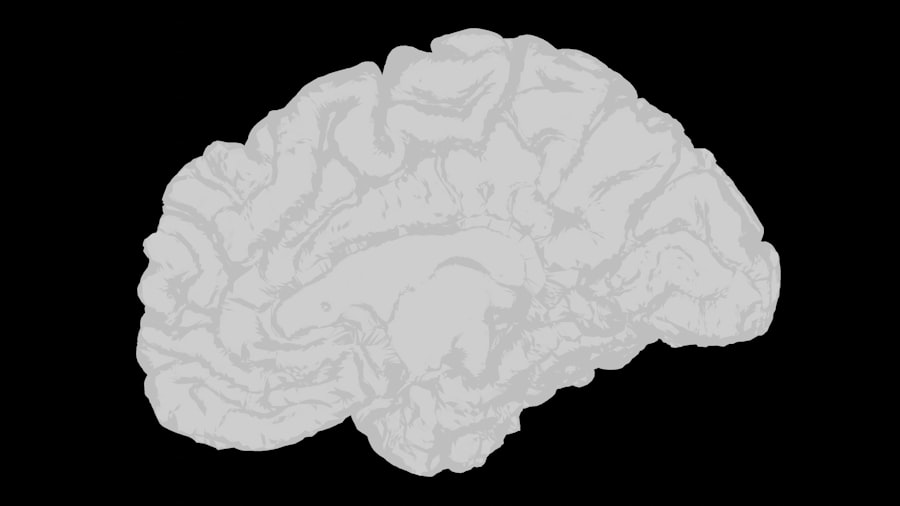
The journey toward understanding brain-to-brain communication has been marked by significant milestones and breakthroughs. Early research in this field focused primarily on understanding how individual brains process information and communicate through traditional means. However, as technology advanced, so did the possibilities for direct brain-to-brain interaction.
In recent years, studies have demonstrated that it is possible to transmit simple thoughts or commands between individuals using non-invasive methods. One notable experiment involved a team of researchers who successfully connected the brains of two rats, allowing them to share information about navigating a maze. This groundbreaking study laid the foundation for further exploration into inter-brain communication in humans.
Subsequent experiments have demonstrated that humans can also share information through brain-to-brain interfaces, albeit with limitations in complexity and clarity. As research continues to evolve, scientists are optimistic about the potential for more sophisticated forms of communication that could revolutionize how we interact with one another.
Ethical Considerations in Brain-to-Brain Communication
| Ethical Considerations | Implications |
|---|---|
| Privacy | Concerns about unauthorized access to thoughts and emotions |
| Consent | Issues around obtaining informed consent for brain-to-brain communication |
| Manipulation | Potential for coercion or manipulation of individuals through brain-to-brain communication |
| Security | Risks of hacking or interference with brain-to-brain communication systems |
As with any emerging technology, brain-to-brain communication raises a host of ethical considerations that must be addressed. One of the primary concerns revolves around privacy and consent. If thoughts can be transmitted directly from one brain to another, what safeguards are in place to ensure that individuals maintain control over their own mental content?
The potential for unauthorized access to someone’s thoughts poses significant ethical dilemmas that society must grapple with as this technology develops. Moreover, there are concerns about the implications of brain-to-brain communication on personal identity and autonomy. If individuals can share thoughts seamlessly, how might this affect their sense of self?
The ability to influence or manipulate another person’s thoughts raises questions about agency and free will. As researchers continue to explore the possibilities of this technology, it is crucial to engage in open discussions about its ethical implications and establish guidelines that prioritize individual rights and dignity.
Practical Applications of Brain-to-Brain Communication
The potential applications of brain-to-brain communication are vast and varied, spanning fields such as education, entertainment, and even military operations. In educational settings, for instance, BBC could revolutionize how knowledge is shared among students and teachers. Imagine a classroom where students can directly access their teacher’s insights or experiences without the barriers of language or misunderstanding.
This could lead to more effective learning experiences and deeper comprehension of complex subjects. In the realm of entertainment, BBC could transform how stories are told and experienced. Imagine participating in a virtual reality experience where you can not only see but also feel the emotions of characters as if they were your own.
This level of immersion could create profound connections between individuals and narratives, enhancing empathy and understanding in ways previously unimaginable. As researchers continue to explore these applications, it is clear that brain-to-brain communication holds the potential to reshape various aspects of our lives.
The Impact of Brain-to-Brain Communication on Healthcare
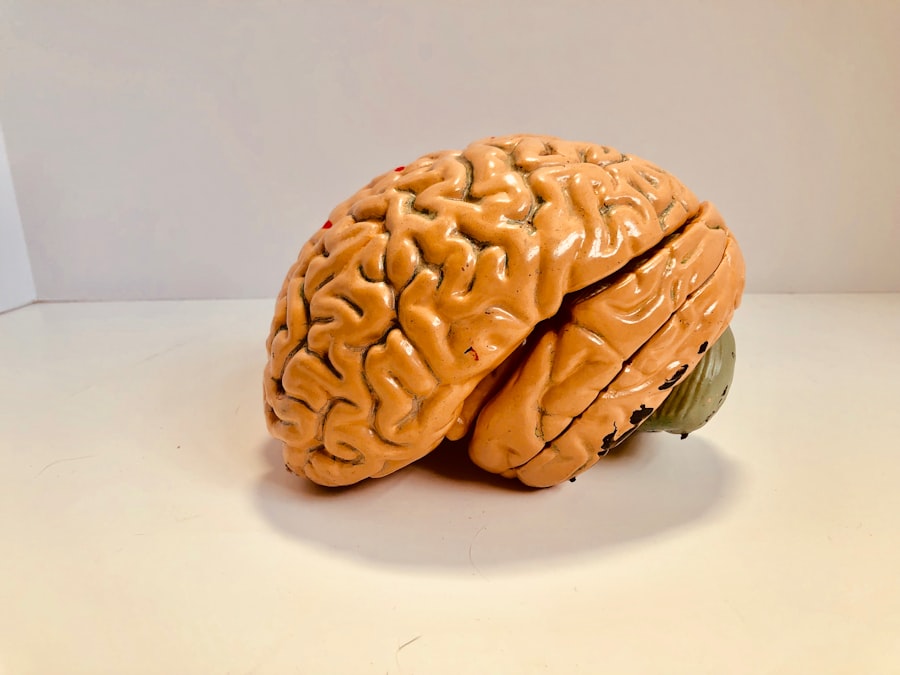
In healthcare, brain-to-brain communication could have transformative effects on patient care and treatment outcomes. For instance, consider the potential for patients with neurological disorders or communication impairments to communicate their needs directly through brain signals. This could significantly enhance their quality of life by providing them with a means to express themselves more effectively.
Additionally, BBC could facilitate collaboration among healthcare professionals by allowing them to share insights and experiences in real-time. Surgeons could communicate directly during complex procedures, sharing critical information without verbalizing it aloud. This could lead to improved surgical outcomes and enhanced teamwork in high-pressure environments.
As researchers continue to explore these possibilities, it is essential to consider how best to integrate these technologies into existing healthcare systems while ensuring patient safety and privacy.
Brain-to-Brain Communication and the Future of Technology
The future of technology is poised for significant transformation as brain-to-brain communication becomes more feasible. As advancements in neuroscience and engineering continue to progress, we may witness the development of sophisticated devices capable of interpreting and transmitting neural signals with greater accuracy and efficiency. This could lead to a new era of connectivity where individuals can share thoughts and ideas instantaneously.
Moreover, as artificial intelligence (AI) becomes increasingly integrated into our lives, it may play a crucial role in enhancing brain-to-brain communication capabilities. AI algorithms could help decode complex neural patterns more effectively, enabling richer exchanges between minds. The convergence of AI and neuroscience holds immense promise for creating seamless interfaces that bridge the gap between human cognition and machine intelligence.
Challenges and Limitations of Brain-to-Brain Communication
Despite its exciting potential, brain-to-brain communication faces several challenges and limitations that must be addressed before it can become a practical reality. One significant hurdle is the complexity of decoding neural signals accurately. While researchers have made strides in interpreting basic thoughts or commands, translating more intricate ideas remains a formidable challenge due to the vast variability in individual brain activity.
Additionally, there are technical limitations related to the devices used for brain-to-brain communication. Current technologies often rely on non-invasive methods such as EEG or fMRI, which may not provide sufficient resolution for detailed signal interpretation. As researchers work toward developing more advanced technologies, they must also consider issues related to accessibility and affordability to ensure that these innovations benefit a broad range of individuals.
The Role of Artificial Intelligence in Brain-to-Brain Communication
Artificial intelligence is poised to play a pivotal role in advancing brain-to-brain communication by enhancing our ability to decode and interpret neural signals. Machine learning algorithms can analyze vast amounts of data generated by brain activity, identifying patterns that may not be immediately apparent to human researchers. This capability could significantly improve our understanding of how thoughts are formed and communicated within the brain.
This could enable seamless communication between people with diverse backgrounds or languages, fostering greater understanding and collaboration across cultures. As AI continues to evolve alongside neuroscience, its integration into brain-to-brain communication systems will likely unlock new possibilities for human interaction.
Brain-to-Brain Communication in the Context of Neuroscience and Psychology
The exploration of brain-to-brain communication intersects with various fields within neuroscience and psychology, offering valuable insights into human cognition and social behavior. Understanding how individuals share thoughts and emotions can shed light on fundamental aspects of human connection and empathy. By studying the neural mechanisms underlying these processes, researchers can gain a deeper appreciation for what it means to communicate effectively.
Moreover, investigating brain-to-brain communication may provide new perspectives on psychological phenomena such as group dynamics and collective decision-making. By examining how thoughts are shared within groups or teams, researchers can uncover strategies for enhancing collaboration and creativity in various settings. This interdisciplinary approach holds great promise for advancing our understanding of both individual cognition and social interaction.
The Social and Cultural Implications of Brain-to-Brain Communication
As brain-to-brain communication becomes more feasible, its social and cultural implications will be profound. The ability to share thoughts directly could reshape interpersonal relationships by fostering deeper connections between individuals. Imagine being able to understand someone else’s perspective without the need for words—this level of empathy could transform how we relate to one another on both personal and societal levels.
However, this technology also raises questions about cultural differences in communication styles and norms. Different cultures may have unique ways of expressing thoughts and emotions that could be challenging to translate directly through brain signals. As we navigate this new frontier, it will be essential to consider how cultural contexts influence our understanding of communication and ensure that brain-to-brain interfaces respect these differences.
In conclusion, brain-to-brain communication represents an exciting frontier at the intersection of neuroscience, technology, ethics, and culture. As research continues to advance in this field, it is crucial to engage in thoughtful discussions about its implications while exploring its potential applications across various domains. The journey toward unlocking the full potential of direct mind-to-mind interaction promises to reshape our understanding of human connection in ways we are only beginning to imagine.
Recent advancements in brain-to-brain communication research have opened up exciting possibilities for direct neural interaction between individuals. A related article that delves into the implications and future of this groundbreaking field can be found on Unplugged Psychology. For more insights, you can read the article here: Unplugged Psychology.
WATCH THIS! The Secret Science of Telepathy: Why Your Brain is Already Connected to Others
FAQs
What is brain to brain communication research?
Brain to brain communication research is a field of study that focuses on developing methods for direct communication between brains, bypassing the need for traditional forms of communication such as speech or writing.
How does brain to brain communication research work?
Brain to brain communication research typically involves using technology to detect and interpret brain activity, and then transmit that activity to another person’s brain. This can be done using methods such as electroencephalography (EEG) to record brain activity and transcranial magnetic stimulation (TMS) to stimulate the recipient’s brain.
What are the potential applications of brain to brain communication research?
Potential applications of brain to brain communication research include improving communication for individuals with disabilities, enhancing collaboration in group settings, and even enabling new forms of entertainment and gaming.
What are the ethical considerations of brain to brain communication research?
Ethical considerations of brain to brain communication research include issues related to consent, privacy, and the potential for misuse of the technology. Researchers and ethicists are actively discussing these concerns and working to establish guidelines for responsible use of brain to brain communication technology.
What are the current limitations of brain to brain communication research?
Current limitations of brain to brain communication research include the complexity of interpreting and transmitting brain activity, as well as the need for further understanding of the ethical and social implications of the technology. Additionally, the technology is still in the early stages of development and has not yet been widely implemented.