
You, as a complex organism, are equipped with sophisticated internal systems designed for survival. Among these, the vagus nerve, a meandering cranial nerve, plays a pivotal role. Specifically, its dorsal branch, often referred to as the dorsal vagal complex, governs a powerful and ancient survival response: dissociation. Understanding this complex is not merely an academic exercise; it offers you a profound insight into your own reactions to stress and trauma, empowering you to navigate your internal landscape with greater awareness and efficacy.
Before delving into the dorsal vagal complex, you must first grasp the broader context of the vagus nerve itself. Imagine this nerve as a primary communication highway, originating in your brainstem and branching extensively throughout your body, innervating your heart, lungs, digestive tract, and numerous other organs. It acts as a bidirectional conduit, sending signals from your brain to your organs (efferent pathways) and, crucially, transmitting information from your organs back to your brain (afferent pathways). This constant feedback loop is essential for maintaining homeostasis, your body’s internal balance.
Sympathetic vs. Parasympathetic Branches
Your autonomic nervous system, the unconscious control center of your body, is broadly divided into two main branches: the sympathetic and the parasympathetic.
The Sympathetic Nervous System: The Accelerator Pedal
Consider the sympathetic nervous system your body’s “accelerator pedal.” It mobilizes your resources for action in response to perceived threats, initiating the “fight or flight” response. You experience an increased heart rate, elevated blood pressure, heightened alertness, and a diversion of blood flow to your muscles, all preparing you to confront or escape danger.
The Parasympathetic Nervous System: The Brake Pedal
Conversely, the parasympathetic nervous system functions as your body’s “brake pedal.” It promotes rest, digestion, and regeneration, bringing your body back to a state of calm after a threat has passed. This system is crucial for conserving energy and facilitating healing.
The Ventral Vagal Complex: Social Engagement and Safety
Within the parasympathetic system, a more recently evolved branch, the ventral vagal complex (VVC), plays a significant role in your ability to connect with others and feel safe. It is associated with social engagement, facial expressions, vocal tone, and a sense of calm and connection. When your VVC is activated, you are likely to feel regulated, open to interaction, and present in your environment.
The dorsal vagal complex plays a significant role in the body’s response to stress and can be linked to experiences of dissociation. For a deeper understanding of how these physiological mechanisms interact and their implications for mental health, you can explore the article available at Unplugged Psych. This resource provides valuable insights into the complexities of the autonomic nervous system and its impact on emotional regulation and trauma responses.
The Dorsal Vagal Complex: The Ancient Defense Mechanism
While the ventral vagal complex facilitates connection and safety, the dorsal vagal complex (DVC) represents an older, more primitive survival strategy: immobilization. This system evolved in early vertebrates as a last-resort defense against inescapable threats, where fighting or fleeing were not viable options. Think of a possum playing dead; this is a classic manifestation of DVC activation.
Evolutionary Roots of Immobilization
You can trace the roots of this response back millions of years. For your ancestors, when confronted by a predator too powerful to fight and too fast to outrun, the only remaining option was to feign death. This strategy could deter some predators who prefer live prey or allow the prey a chance to escape once the predator’s attention wavered.
Dissociation: The Psychological Equivalent of Playing Dead
For you, in your complex human existence, the DVC’s immobilization response manifests not just physically but also psychologically, through dissociation. Dissociation is like your mind playing dead. It’s a mental escape route, a way for your consciousness to distance itself from overwhelming pain, trauma, or threat when true physical escape is impossible or perceived to be impossible.
Depersonalization: Losing Touch with Yourself
One common manifestation of dissociation is depersonalization. You might describe this as feeling as though you are observing yourself from outside your body, as if you are watching a movie of your own life. Your emotions might feel flat or distant, and your physical sensations may seem dulled or unreal. It’s akin to your mind stepping out of the driver’s seat and becoming a passive observer.
Derealization: The World Becomes Unreal
Another facet of dissociation is derealization. In this state, your surroundings feel unreal, dreamlike, or distorted. Familiar places may seem foreign, and people you know might appear as strangers. It’s as if a veil has descended, making your reality seem mutable and unreliable.
Emotional Numbness: A Protective Barrier
Emotional numbness is a core component of DVC activation. When you dissociate, your capacity to feel emotions, especially distressing ones, significantly diminishes. This serves a protective function, preventing you from being overwhelmed by intense pain, fear, or grief. While it can provide temporary relief, prolonged emotional numbness can hinder your ability to process experiences and connect with others.
Triggers for Dorsal Vagal Activation and Dissociation
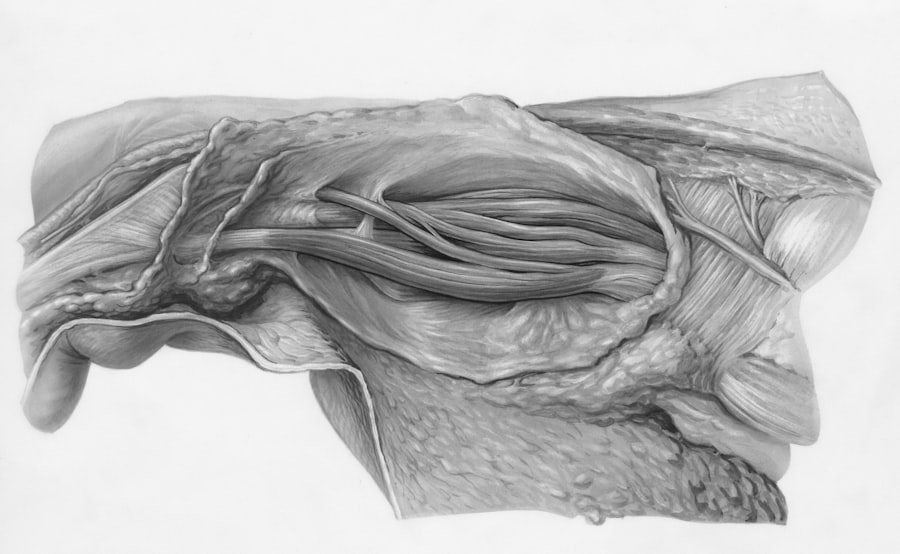
Understanding why your DVC activates is crucial for gaining control over its effects. While it’s primarily a response to perceived threats, the nature of these threats can be incredibly varied and often subtle.
Perceived Threat and Helplessness
The most potent trigger for DVC activation is a combination of perceived threat and a profound sense of helplessness. If you believe there’s nothing you can do to escape or alter a situation, your system may default to fawning or shutting down. This can be a one-time traumatic event, like an accident, or chronic stress, like an abusive relationship where you feel trapped.
Physical Trauma: Accidents and Injuries
Direct physical trauma, such as a severe accident, assault, or surgery, can instantly trigger DVC activation. The body’s innate response to overwhelming pain or bodily invasion is to shut down to conserve resources and minimize the subjective experience of suffering.
Emotional Trauma: Abuse and Neglect
Beyond physical threats, emotional trauma, especially in childhood, is a significant precursor to chronic dissociation. Neglect, emotional abuse, or witnessing traumatic events, particularly when you are unable to escape or receive reassurance, can condition your system to frequently resort to dissociation as a coping mechanism.
Chronic Stress and Overwhelm
Even without acute trauma, prolonged periods of chronic stress, without adequate opportunities for rest and recovery, can wear down your other regulatory systems and push you into a dissociated state. Imagine a circuit breaker constantly overheating; eventually, it trips. Your nervous system functions similarly.
Lack of Safe Social Connection
When your ventral vagal complex, which fosters social engagement and safety, is not sufficiently activated, your system is more prone to slipping into dorsal vagal states. A lack of supportive relationships, feelings of isolation, or environments that feel hostile can all contribute to this vulnerability. You are a social creature, and feeling disconnected can be as threatening as a physical danger.
Symptoms and Manifestations of Dorsal Vagal Dominance
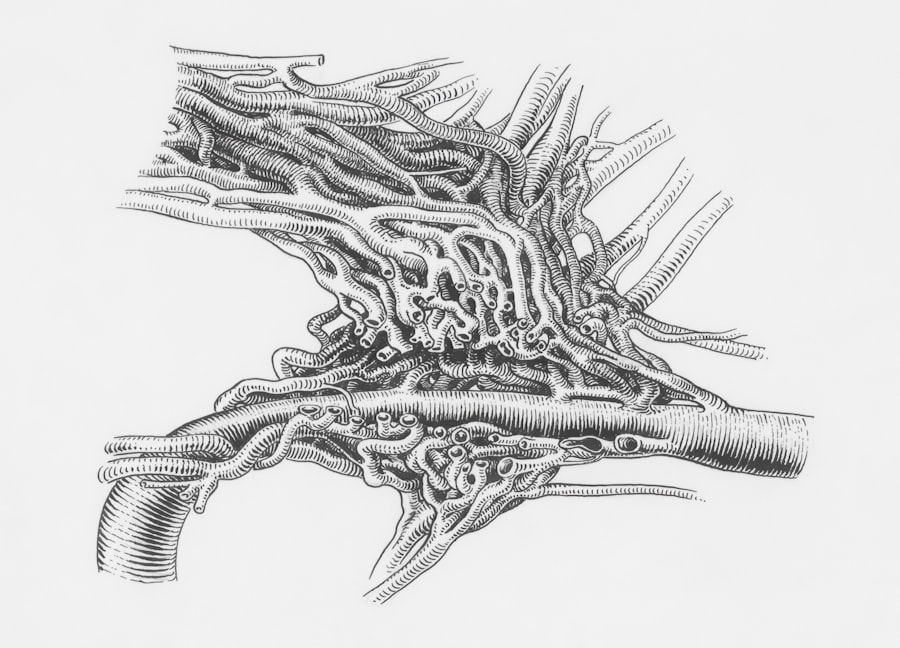
Recognizing when your DVC is dominant is the first step toward self-regulation. The symptoms can be diverse, ranging from subtle shifts in your internal experience to pronounced physical and emotional states.
Physical Symptoms: Shutdown and Slowing
When your DVC is in control, your body enters a state of conservation, similar to a computer entering sleep mode.
Low Energy and Fatigue: The Weight of Immobilization
You might experience pervasive fatigue, a heavy sense of lethargy that isn’t relieved by sleep. Your body is essentially trying to minimize its energy expenditure, leading to a profound sense of tiredness.
Slowed Heart Rate and Respiration: The Body’s Standstill
Your heart rate may significantly slow, and your breathing might become shallow and almost imperceptible. This physiological deceleration is part of the “playing dead” mechanism, reducing metabolic demands.
Digestive Issues: A System in Standby
Digestion is often one of the first systems to be deprioritized during a DVC shutdown. You might experience nausea, constipation, or a complete loss of appetite, as your body diverts resources away from non-essential functions.
Reduced Pain Sensitivity: A Numbing Effect
One of the adaptive aspects of DVC activation is a reduction in pain perception. In a dissociative state, you might not register pain as intensely, which can be useful in an emergency but problematic if it leads you to ignore injury.
Emotional and Psychological Symptoms: The Inner Fog
The psychological manifestations of DVC dominance are what you typically refer to as dissociation.
Emotional Flatness or Absence: The Void
You may feel a profound sense of emptiness, an inability to access or express emotions. It’s as if an internal switch has been flipped, muting your emotional landscape.
Detachment from Self and Others: The Invisible Barrier
A strong sense of detachment, both from your own body and thoughts (depersonalization) and from your environment and other people (derealization), is characteristic. You might feel like an invisible observer of your own life.
Memory Gaps: Fragmented Narratives
Traumatic experiences often lead to fragmented memories, or even complete amnesia for certain periods. This is a dissociative phenomenon, where your mind protects itself by compartmentalizing or blocking out overwhelming information.
The dorsal vagal complex plays a significant role in the body’s response to stress and can be closely linked to experiences of dissociation. For a deeper understanding of how these physiological processes interact, you may find it insightful to read this related article on the subject. It explores the intricate connections between the autonomic nervous system and psychological states, shedding light on how the dorsal vagal complex can influence dissociative experiences. You can access the article [here](https://www.unpluggedpsych.com/sample-page/).
Healing and Activating the Ventral Vagal Complex
| Metric | Description | Relevance to Dorsal Vagal Complex | Relation to Dissociation |
|---|---|---|---|
| Heart Rate Variability (HRV) | Measure of variation in time between heartbeats | Lower HRV linked to increased dorsal vagal activation (parasympathetic shutdown) | Reduced HRV often observed in dissociative states indicating autonomic dysregulation |
| Respiratory Rate | Number of breaths per minute | Dorsal vagal activation can cause slowed or shallow breathing | Altered breathing patterns common during dissociative episodes |
| Electroencephalogram (EEG) Patterns | Brainwave activity measurement | Increased dorsal vagal tone may correlate with specific EEG slowing | Dissociation linked to changes in EEG, such as increased theta or delta waves |
| Skin Conductance Response (SCR) | Measure of sweat gland activity indicating autonomic arousal | Dorsal vagal activation typically reduces SCR due to parasympathetic dominance | Dissociative states often show blunted SCR reflecting hypoarousal |
| Blood Pressure | Force of blood against artery walls | Dorsal vagal activation can lead to hypotension (lowered blood pressure) | Some dissociative episodes involve drops in blood pressure consistent with shutdown |
While understanding the DVC is crucial, your ultimate goal is often to activate and strengthen your ventral vagal complex (VVC), the system responsible for safety, connection, and regulation. This isn’t about eliminating dissociation entirely – it remains a vital survival tool – but rather about increasing your capacity to move out of dissociative states and back into a sense of connection and presence.
Somatic Practices: Listening to Your Body
You cannot talk your way out of a nervous system response. Instead, you must engage your body directly.
Grounding Techniques: Anchoring in the Present
Grounding techniques help you return to your body and your immediate environment. This can involve focusing on your breath, feeling your feet on the ground, noticing five things you can see, four you can touch, three you can hear, two you can smell, and one you can taste (the 5-4-3-2-1 technique). These practices bring your attention away from internal distress and toward external reality.
Gentle Movement: Reclaiming Your Body
Engaging in gentle, mindful movement, such as walking, stretching, or slow yoga, can help you reconnect with your body’s sensations and release trapped energy. The key is to move without judgment and allow your body to lead.
Vagal Toning Exercises: Strengthening the Nerve
Specific exercises can help tone your vagus nerve. Hum, chant, gargle, sing, or even splash cold water on your face. These activities stimulate the vagus nerve directly, helping to shift your nervous system towards a more regulated state.
Co-regulation and Safe Social Connection: The Power of Presence
You are wired for connection. Safe, supportive relationships are incredibly powerful tools for regulating your nervous system.
Therapeutic Relationships: A Guide Through the Labyrinth
Working with a therapist trained in trauma-informed approaches, such as Somatic Experiencing, Polyvagal Theory-informed therapy, or Eye Movement Desensitization and Reprocessing (EMDR), can provide a safe space to process trauma and gradually increase your capacity for regulation. A skilled therapist can act as an external co-regulator, helping you navigate intense sensations and emotions.
Supportive Relationships: Your Anchor
Cultivating and leaning on trusted friends, family members, or support groups can provide invaluable co-regulation. The presence of a calm, attuned individual can help your nervous system feel safer and move out of a dorsal vagal shutdown. Simply being truly seen and heard by another person can be deeply healing.
Mindfulness and Self-Compassion: Cultivating Inner Kindness
Developing a compassionate awareness of your internal states is paramount.
Observing Without Judgment: The Inner Witness
Mindfulness practices teach you to observe your thoughts, feelings, and bodily sensations without judgment. When you notice yourself dissociating, instead of criticizing yourself, you can simply acknowledge it as a protective mechanism and gently guide your attention back to the present.
Self-Compassion: Nurturing Your Inner Child
Recognize that dissociation is a strategy your system developed to keep you safe. Treat yourself with the same kindness and understanding you would offer a struggling child. Self-compassion can help you break the cycle of self-blame that often accompanies dissociative experiences.
Unlocking the dorsal vagal complex and understanding its role in dissociation provides you with a crucial map of your internal landscape. By recognizing the ancient wisdom embedded in this survival response, and by actively engaging in practices that activate your ventral vagal complex, you can move from a state of shutdown and disconnection towards one of greater presence, resilience, and connection, both with yourself and with the world around you. This journey requires patience, self-compassion, and a willingness to listen to the subtle signals your body constantly sends. You have the inherent capacity for healing and integration.

WATCH NOW ▶️ SHOCKING: Why Your World Suddenly Feels Like a Set
FAQs
What is the dorsal vagal complex?
The dorsal vagal complex (DVC) is a region in the brainstem that plays a key role in regulating autonomic functions such as heart rate, digestion, and respiratory rate. It is part of the parasympathetic nervous system and influences the body’s response to stress and relaxation.
How is the dorsal vagal complex related to dissociation?
The dorsal vagal complex is involved in the body’s “freeze” or shutdown response to extreme stress or trauma. Activation of this system can lead to dissociation, a psychological state where a person feels disconnected from their body or surroundings, often as a protective mechanism during overwhelming experiences.
What role does the dorsal vagal complex play in the autonomic nervous system?
The dorsal vagal complex is a major component of the parasympathetic branch of the autonomic nervous system. It helps regulate involuntary bodily functions by slowing the heart rate, promoting digestion, and conserving energy, especially during rest or recovery phases.
Can dysfunction in the dorsal vagal complex contribute to mental health issues?
Yes, dysregulation of the dorsal vagal complex has been linked to various mental health conditions, including anxiety, depression, and post-traumatic stress disorder (PTSD). Its role in dissociation and stress responses means that abnormalities in this system can affect emotional regulation and coping mechanisms.
Are there therapeutic approaches targeting the dorsal vagal complex to address dissociation?
Some therapeutic approaches, such as somatic experiencing, mindfulness, and vagus nerve stimulation, aim to regulate the dorsal vagal complex to reduce dissociation and improve emotional regulation. These methods focus on restoring balance in the autonomic nervous system to enhance resilience to stress.