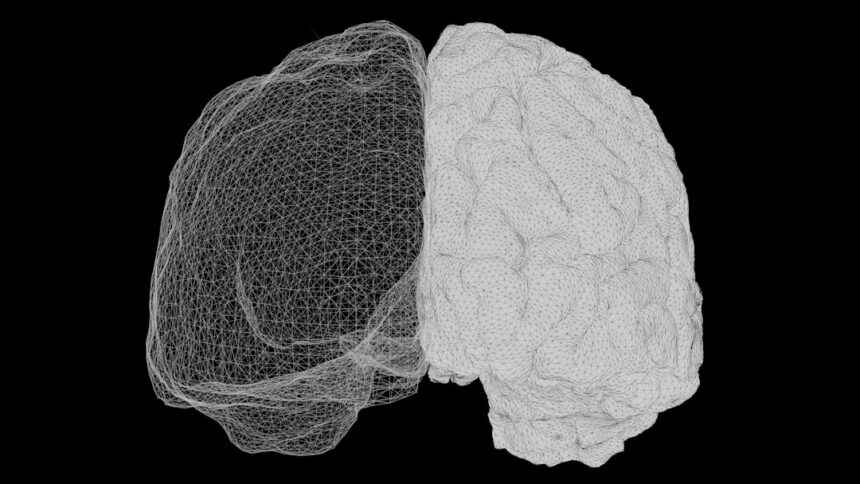
Your brain is not a static sculpture, eternally fixed in its form. Instead, think of it as a dynamic river, constantly carving new channels and reshaping its banks. This remarkable capacity for change is known as neuroplasticity. It’s the biological foundation for learning, memory, adaptation, and recovery from injury. While your brain is wired with billions of neurons, the connections between them – the synapses – are not set in stone. They can strengthen, weaken, form, and disappear in response to your experiences, thoughts, and actions. Understanding and actively engaging with the natural triggers of neuroplasticity can empower you to foster cognitive growth, enhance mental resilience, and even mitigate the effects of aging or neurological challenges. This article delves into the fundamental mechanisms of neuroplasticity and outlines practical, naturally occurring triggers you can leverage to sculpt your own brain.
At the heart of neuroplasticity lies the concept of synaptic plasticity. Synapses are the tiny gaps between neurons where information is transmitted. The strength of these connections is not fixed; it can be modified. This modification is often described by two principal laws: Hebb’s Rule and the principle of synaptic depression.
Hebb’s Rule: “Neurons That Fire Together, Wire Together”
This oft-quoted adage, attributed to Donald Hebb, provides a simplified yet powerful insight into how synaptic connections are strengthened. When two neurons are repeatedly activated at the same time, the connection between them becomes more robust. Imagine two dancers learning a routine. The more they practice a specific sequence of steps together, the more their movements become synchronized and ingrained. Similarly, if you are learning a new skill, such as playing a musical instrument or speaking a new language, the neural pathways associated with those actions are being repeatedly activated. Each repetition strengthens the synapses involved, making it easier to recall and execute the learned behaviors. This process involves a cascade of molecular events, including changes in the number and sensitivity of neurotransmitter receptors on the postsynaptic neuron. Essentially, the brain is saying, “If this is important enough to be activated together frequently, let’s make it easier for them to communicate in the future.”
Synaptic Depression: The Complementary Process
While Hebb’s Rule explains strengthening, synaptic depression explains how connections can be weakened or pruned. If a synapse is not regularly activated, its strength diminishes. This is analogous to a rarely used path through a forest; it gradually becomes overgrown and harder to traverse. This process is crucial for optimizing brain function. It allows the brain to discard inefficient or outdated connections, freeing up resources and making more efficient pathways more prominent. Think of a cluttered desk. If you don’t regularly discard papers you no longer need, it becomes difficult to find what you’re looking for. Synaptic depression is the brain’s way of decluttering, ensuring that the most relevant and frequently used neural circuits remain strong and accessible. This constant ebb and flow of synaptic strength is the dynamic engine of your brain’s adaptability.
To explore effective methods for triggering neuroplasticity naturally, you can refer to the insightful article available at Unplugged Psychology. This resource delves into various techniques such as mindfulness, physical exercise, and cognitive challenges that can enhance brain flexibility and promote mental well-being. By incorporating these practices into your daily routine, you can harness the power of neuroplasticity to improve your cognitive functions and emotional resilience.
The Power of Novelty and Learning
Your brain is inherently wired to respond to new experiences and challenging information. This is not just about acquiring trivia; it’s about actively engaging your neural networks in ways that promote growth and adaptation.
Embracing the Unfamiliar: The Spark of Curiosity
Novelty acts as a potent trigger for neuroplasticity. When you encounter something new – a different route to work, a new cuisine, or an unfamiliar concept – your brain is compelled to engage. This engagement involves activating areas associated with attention, memory, and sensory processing. The brain is like a detective presented with a new case; it needs to gather clues, process information, and update its understanding of the world. This initial “alert” state is crucial for initiating plastic changes. Studies have shown that exposure to novel environments can lead to an increase in the number of neurons in the hippocampus, a brain region critical for learning and memory. This demonstrates that novelty isn’t just about acquiring new information; it can literally lead to structural changes in your brain.
The Learning Curve: Active Engagement and Practice
Learning is intrinsically linked to neuroplasticity. However, passive consumption of information is less effective than active engagement. When you actively try to understand, apply, and recall information, you are far more likely to forge strong neural connections. This is where deliberate practice comes in. Imagine a sculptor chipping away at a block of marble. Each precise strike refines the shape and form. Similarly, each repetition of a learned skill, each attempt to solve a challenging problem, or each effort to recall a memory strengthens the specific neural pathways involved. The process can be difficult – the “learning curve” is often steep – but it is precisely this challenge that drives plasticity. The brain is not designed to be a passive recipient; it thrives on being an active participant in its own development.
Varied Input: The Richness of Diverse Experiences
Exposing yourself to a wide range of experiences and stimuli is a powerful way to promote generalized neuroplasticity. This means engaging in different activities, interacting with diverse people, and exploring varied subjects. Think of your brain as an ecosystem. A diverse ecosystem is more resilient and adaptable. Similarly, a brain exposed to a rich variety of experiences develops more robust and interconnected neural networks. This can include learning a new language, playing a musical instrument, engaging in creative pursuits like painting or writing, or even simply exploring new places. Each new experience provides a unique set of neural inputs, stimulating different brain regions and fostering new connections. The key is variety – don’t let your neural pathways become monocultures.
The Role of Physical Activity and Movement
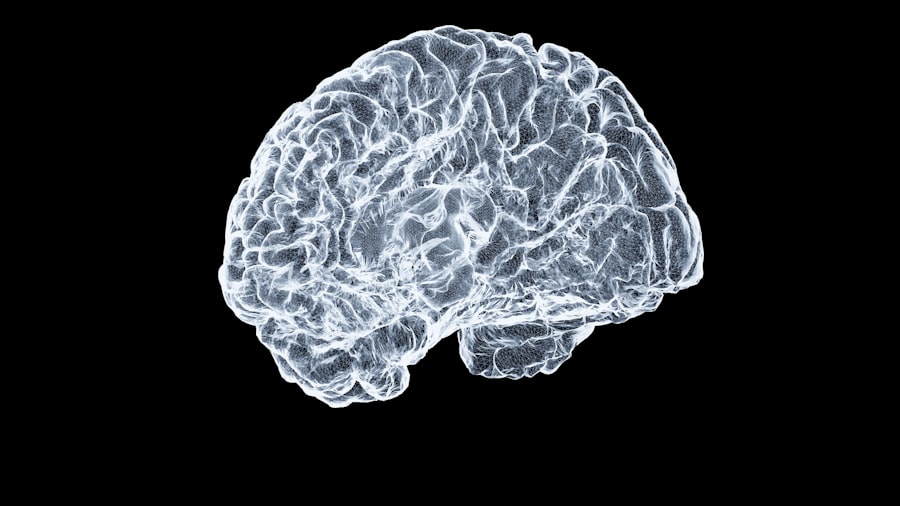
The connection between physical activity and brain health is well-established, and at its core, this link is driven by neuroplasticity. Movement is a fundamental catalyst for brain change.
Aerobic Exercise: Fueling Brain Growth
Aerobic exercise, such as running, swimming, or cycling, has profound effects on neuroplasticity. During aerobic activity, your heart rate increases, delivering more oxygen and nutrients to your brain. This increased blood flow supports the growth of new blood vessels in the brain, a process known as neurogenesis. Furthermore, aerobic exercise has been shown to increase levels of brain-derived neurotrophic factor (BDNF). BDNF is often referred to as “Miracle-Gro for the brain” because it promotes the survival, growth, and differentiation of neurons, as well as the formation of new synapses. Imagine your brain as a garden; aerobic exercise is like providing it with optimal sunlight, water, and fertilizer, encouraging vigorous growth and abundant blooms. This translates to improved memory, attention, and executive functions.
Motor Skills and Coordination: Sculpting Neural Pathways
Activities that involve complex motor skills and coordination, such as dancing, playing sports, or even learning to juggle, are particularly effective at stimulating neuroplasticity. These activities require precise timing, spatial awareness, and the integration of sensory and motor information. The brain must constantly adapt and refine its motor commands to execute these tasks successfully. This intense neural activity strengthens the motor cortex and the cerebellum, areas crucial for motor control and learning. Learning a new dance routine, for example, not only enhances your physical coordination but also rewires your brain, creating new neural pathways for movement and memory. It’s like meticulously carving intricate details into a wooden sculpture, each movement contributing to the final, polished form.
Mind-Body Connection: Integrated Plasticity
The interplay between physical movement and cognitive function is a testament to the integrated nature of neuroplasticity. Certain practices, like yoga or Tai Chi, combine physical postures with mindful awareness. This integration leverages both physical and cognitive demands, promoting a more holistic form of brain change. The focus required to maintain balance and execute precise movements, coupled with the attention to breath and internal sensations, engages multiple brain regions simultaneously. This synergistic engagement can lead to enhanced interhemispheric communication (the exchange of information between the left and right hemispheres of the brain) and improved cognitive control. It demonstrates that the benefits of physical activity extend beyond simple muscle engagement to profound cognitive enhancements through the cultivation of mindful movement.
The Impact of Sleep and Rest

While not as actively engaging as learning a new skill, adequate sleep and restorative rest are critical for consolidating the plastic changes that occur during wakefulness.
Sleep: The Brain’s Conservatory
During sleep, your brain is not idle; it’s hard at work consolidating memories and clearing out metabolic waste products. This is when the neural connections that were strengthened during the day are solidified. Think of sleep as a conservator meticulously cataloging and preserving the valuable artifacts collected during the day. Different sleep stages play distinct roles. Slow-wave sleep, for instance, is thought to be crucial for declarative memory consolidation (facts and events), while REM sleep may be more involved in procedural memory (skills and habits) and emotional processing. Disruptions to sleep can significantly impair neuroplasticity, making it harder to learn and remember.
Active Rest and Downtime: Allowing for Consolidation
Even during wakefulness, periods of active rest and mindful downtime are important. This doesn’t necessarily mean doing nothing; it can involve engaging in activities that are less cognitively demanding and more relaxing, such as meditation, spending time in nature, or listening to calming music. These periods allow your brain to process information at a slower pace, consolidating recent learning and preventing cognitive overload. Imagine a busy factory floor. While production is crucial, periods of scheduled maintenance and rest for the machinery are essential to prevent breakdowns and ensure efficiency. Similarly, engaging in calming activities allows your neural networks to settle, consolidate their gains, and prepare for the next wave of stimulation.
The Importance of Stress Management: Reducing Interference
Chronic stress can have a detrimental impact on neuroplasticity. Elevated levels of stress hormones, like cortisol, can actually damage neurons, particularly in the hippocampus, and interfere with the formation of new synaptic connections. Therefore, managing stress is an indirect but crucial trigger for neuroplasticity. Techniques such as mindfulness meditation, deep breathing exercises, and engaging in enjoyable hobbies can help to mitigate the negative effects of stress, creating a more fertile environment for brain growth and change. By reducing the “noise” of chronic stress, you allow the signals of learning and experience to be heard more clearly, fostering optimal neural adaptation.
If you’re interested in exploring ways to trigger neuroplasticity naturally, you might find it helpful to read a related article that delves into various techniques and practices. Engaging in activities such as mindfulness meditation, physical exercise, and learning new skills can significantly enhance your brain’s ability to adapt and reorganize itself. For more insights on this topic, check out this informative piece on neuroplasticity that offers practical tips and strategies to harness the power of your brain’s plasticity.
Sensory Stimulation and Environmental Richness
| Method | Description | Effect on Neuroplasticity | Supporting Evidence |
|---|---|---|---|
| Physical Exercise | Engaging in aerobic activities like running, swimming, or cycling | Increases brain-derived neurotrophic factor (BDNF), promotes neuron growth and synaptic plasticity | Studies show 30+ minutes of moderate exercise 3-5 times/week enhances hippocampal volume |
| Meditation and Mindfulness | Practicing focused attention and awareness techniques regularly | Enhances cortical thickness and connectivity in brain regions related to attention and emotion regulation | Research indicates 8 weeks of mindfulness meditation increases gray matter density |
| Learning New Skills | Acquiring new languages, musical instruments, or complex tasks | Stimulates synaptogenesis and strengthens neural networks | Neuroimaging shows increased white matter integrity after sustained skill learning |
| Quality Sleep | Maintaining 7-9 hours of uninterrupted sleep per night | Supports memory consolidation and synaptic remodeling | Sleep deprivation impairs neuroplasticity; adequate sleep enhances learning retention |
| Healthy Diet | Consuming omega-3 fatty acids, antioxidants, and vitamins | Promotes neuronal health and reduces inflammation, facilitating plasticity | Diets rich in fish oil and flavonoids linked to improved cognitive function and plasticity |
| Social Interaction | Engaging in meaningful social activities and communication | Enhances cognitive reserve and neural connectivity | Socially active individuals show slower cognitive decline and better brain plasticity |
| Challenging Cognitive Tasks | Solving puzzles, memory games, or problem-solving exercises | Increases synaptic strength and neurogenesis in relevant brain areas | Cognitive training programs improve executive function and brain plasticity markers |
Your environment and the sensory input you receive play a significant role in shaping your brain. A stimulating and varied environment can act as a powerful catalyst for neuroplasticity.
Visual and Auditory Input: The Palette of Perception
The richness of your visual and auditory experiences can directly influence neural pathways. Exposure to complex and varied visual scenes, such as art exhibitions, bustling cityscapes, or natural landscapes, can stimulate visual processing areas in the brain. Similarly, listening to diverse musical genres, engaging in conversations with varied accents and intonations, or experiencing the sounds of nature can enhance auditory processing and its associated neural networks. Imagine your brain as a camera. A camera with a limited lens can only capture a small portion of the world. By exposing yourself to a wider array of visual and auditory stimuli, you are essentially equipping your brain with a more sophisticated lens, capable of processing a richer and more nuanced reality.
Olfactory and Gustatory Stimulation: The Subtle Influences
While often overlooked, your senses of smell and taste also contribute to neuroplasticity. Smells are directly linked to the limbic system, which is involved in emotion and memory. This is why certain scents can trigger vivid memories. Similarly, exploring new flavors and textures through food and drink can stimulate gustatory pathways and encourage the creation of new neural associations. Think of associating the aroma of baking bread with comfort and home. This olfactory cue activates a complex network of memories and emotions. By deliberately seeking out novel sensory experiences, you can activate underutilized neural circuits and enhance the overall plasticity of your brain.
The Impact of Environment: More Than Just Scenery
The physical environment in which you live and learn has a profound impact on neuroplasticity. A rich and stimulating environment, characterized by opportunities for exploration, interaction, and learning, can foster greater brain development. Conversely, a deprived or monotonous environment can limit these opportunities. This is why enriched environments are often used in animal studies to promote brain growth and cognitive function. For humans, this translates to seeking out opportunities to engage with nature, explore new places, and participate in activities that challenge your senses and your mind. Your environment is not merely a backdrop; it is an active participant in the sculpting of your brain.
By understanding and consciously engaging with these natural triggers, you hold the reins to your brain’s continuous evolution. Neuroplasticity is not a passive phenomenon; it is an active, ongoing process that you can, and should, influence. The river of your mind is always flowing; by understanding its currents and steering its course, you can navigate towards a more capable, adaptable, and resilient cognitive future.
FAQs
What is neuroplasticity?
Neuroplasticity is the brain’s ability to reorganize itself by forming new neural connections throughout life. This process allows the brain to adapt to new experiences, learn new information, and recover from injuries.
How can physical exercise trigger neuroplasticity naturally?
Physical exercise increases blood flow to the brain, promotes the release of growth factors like BDNF (brain-derived neurotrophic factor), and stimulates the formation of new neurons and synapses, thereby enhancing neuroplasticity.
Can learning new skills help enhance neuroplasticity?
Yes, engaging in new and challenging activities such as learning a language, playing a musical instrument, or solving puzzles encourages the brain to create and strengthen neural pathways, promoting neuroplasticity.
Does a healthy diet influence neuroplasticity?
A balanced diet rich in antioxidants, omega-3 fatty acids, vitamins, and minerals supports brain health and can enhance neuroplasticity by reducing inflammation and providing essential nutrients for neural growth.
How does adequate sleep contribute to neuroplasticity?
Sleep is crucial for memory consolidation and brain repair processes. During sleep, the brain strengthens neural connections formed during the day, which supports neuroplasticity and overall cognitive function.