
The concept of an “inner child” refers to the psychological aspect of your personality that retains characteristics and experiences from your childhood. This inner child is not a literal discrete entity but rather a metaphor representing your early developmental stages, including emotions, memories, and learned patterns of behavior. Understanding and addressing this component is a foundational step in individual psychological development, often leading to personal growth and improved mental well-being.
Your experiences during childhood, particularly from birth to approximately seven years of age, significantly shape your worldview, emotional responses, and relational patterns. During this formative period, you are highly susceptible to your environment, and both positive and negative experiences lay the groundwork for your adult psychological architecture. Unresolved childhood issues, such as emotional neglect, trauma, or unmet needs, can manifest in adulthood as various difficulties, ranging from anxiety and depression to relationship problems and self-sabotaging behaviors.
The Origins of Inner Child Concepts
The idea of a childlike part within the adult psyche dates back to pioneering figures in psychology. Carl Jung, for instance, introduced the concept of the “Divine Child” as an archetype representing potential, new beginnings, and vulnerability. Jung posited that this archetype, when integrated, could lead to personal renewal and creative expression. Later, Alice Miller, a Swiss psychoanalyst, extensively explored the impact of childhood trauma and societal pressures on the adult personality, emphasizing the importance of acknowledging and validating the experiences of the inner child. Her work, particularly “The Drama of the Gifted Child,” highlights how early emotional abuse, even subtle forms, can lead to the development of a “false self” that sacrifices genuine needs for parental approval.
Further developments in schema therapy, an integrative approach that addresses deeply ingrained maladaptive patterns of thinking and behaving, also incorporate inner child work. Jeffrey Young, the founder of schema therapy, identified “child schemas” such as “abandonment” or “mistrust/abuse” that originate in early childhood and continue to influence adult life. These schemas represent fundamental unmet needs that you carry forward, often manifesting in problematic relationship patterns or self-perception.
The Manifestations of an Unhealed Inner Child
An unhealed inner child often operates beneath your conscious awareness, influencing your decisions, emotions, and interactions. You may find yourself reacting to current situations with disproportionate emotional intensity, experiencing patterns of behavior that feel familiar yet unproductive, or struggling with intimacy and trust in relationships. These manifestations are not arbitrary; they are frequently rooted in attempts to cope with or compensate for past unmet needs or unresolved traumas.
For instance, if you experienced significant criticism or a lack of validation as a child, you might develop a pervasive fear of failure in adulthood, leading to perfectionism or avoidance. Alternatively, if you felt ignored or unheard, you might seek constant external validation or struggle to assert your needs in relationships. The echoes of your childhood experiences resound in your adult life, shaping your responses to stress, conflict, and opportunities for joy.
Identifying the indicators of an unhealed inner child involves a process of self-observation and introspection. These signs are often subtle initially, gradually becoming more apparent as you develop a deeper understanding of your own psychological landscape. This recognition is not about assigning blame but about understanding the etiology of your present challenges.
Emotional Dysregulation
One primary indicator is emotional dysregulation. This involves experiencing emotions that seem disproportionate to the current circumstances, such as intense anger over a minor inconvenience, profound sadness triggered by a seemingly trivial event, or chronic anxiety without a clear external cause. These emotional ‘overreactions’ are often echoes of feelings you were unable to process or express safely in childhood. For instance, if you were not permitted to express anger as a child, you might find it erupting uncontrollably in adulthood.
You might also experience sudden shifts in mood, moving from contentment to irritation or sadness rapidly, without a discernible trigger. This instability can be disruptive to your internal peace and your relationships, as others may struggle to understand your emotional volatility. This phenomenon is often rooted in early experiences where emotional needs were inconsistently met or where you learned to suppress or deny your feelings for self-preservation.
Maladaptive Coping Mechanisms
Another common sign involves the reliance on maladaptive coping mechanisms. These are behaviors or thought patterns you developed to manage original distress, but which now impede your well-being. Examples include excessive people-pleasing, perfectionism, procrastination, self-sabotaging behaviors, or escapism through substances, work, or compulsive behaviors. These mechanisms, while offering temporary relief, ultimately prevent you from addressing the underlying issues.
For example, if you developed a pattern of people-pleasing to avoid parental disapproval, you might find yourself consistently prioritizing others’ needs over your own in adulthood, leading to resentment and burnout. Similarly, if you used procrastination to avoid challenging tasks associated with potential failure, reflecting a fear of criticism from childhood, you might find your adult life characterized by missed opportunities and self-condemnation. These coping strategies, once functional in a difficult environment, now serve as barriers to your authentic self.
Relationship Difficulties
Difficulties in interpersonal relationships frequently signal an unhealed inner child. You might find yourself repeatedly drawn to dysfunctional relationship dynamics, struggling with trust and intimacy, or exhibiting patterns of abandonment anxiety or fear of commitment. These relational patterns are often reflections of your earliest relationships with primary caregivers.
For instance, if you experienced inconsistent care or emotional abandonment as a child, you might struggle with a deep-seated fear of being alone, leading to clinginess or a tendency to tolerate unhealthy relationships. Conversely, if you grew up in an environment where your boundaries were consistently violated, you might develop a fear of intimacy, pushing others away before they can get too close. The unhealed inner child often projects its past experiences onto current relationships, leading to repetitive cycles of dissatisfaction and misunderstanding.
Healing the inner child is a transformative journey that many individuals embark on to address past traumas and nurture their emotional well-being. For those interested in exploring this topic further, a related article can be found on Unplugged Psych, which delves into various techniques and insights for reconnecting with and healing your inner child. You can read more about it by visiting this link: Unplugged Psych. This resource offers valuable guidance for anyone looking to foster self-compassion and emotional growth.
The Healing Journey: Steps Towards Integration
Embarking on the journey of inner child healing is a process of self-discovery and conscious reparenting. It involves acknowledging, validating, and nurturing the parts of yourself that were wounded or neglected in childhood. This is not a linear process and may require patience, persistence, and a willingness to confront difficult emotions.
Acknowledgment and Validation
The initial step in healing involves acknowledging the existence of your inner child and validating its past experiences. This means recognizing that the pain, fear, or sadness you experienced as a child was real and significant, regardless of how others may have minimized it or how you may have rationalized it in adulthood. Validation is a crucial component because it counters the pervasive message many children receive that their feelings are unimportant or incorrect.
Practically, this can involve engaging in reflective practices such as journaling, where you write from the perspective of your younger self, giving voice to forgotten pains or unmet needs. You might ask yourself questions like, “What did I need most during that time?” or “What feelings did I suppress?” This process allows you to gain insight into the roots of your current struggles and to begin fostering a sense of empathy for your younger self.
Reparenting Strategies
Reparenting yourself is a core aspect of inner child healing. This involves consciously providing yourself with the love, care, guidance, and boundaries that may have been missing or inadequate in your childhood. It is about becoming the wise, compassionate, and protective parent you needed.
Inner Dialogue
Engaging in an inner dialogue with your inner child is a powerful reparenting technique. Imagine your inner child as a separate entity that needs comforting and reassurance. You might visualize yourself sitting with your younger self, listening to their fears, offering words of comfort, and affirming their worth. For instance, if your inner child is feeling anxious about a new challenge, your adult self can reassure them, stating, “It’s okay to feel scared, but we are capable, and we will face this together.”
Meeting Unmet Needs
Identify specific needs that were not met in childhood and consciously work to fulfill them in adulthood. If you lacked emotional support, seek out supportive relationships or engage in self-soothing activities. If you were deprived of play and creativity, make time for hobbies that bring you joy. This active fulfillment of past unmet needs helps to rewrite the narrative of scarcity and moves you towards a sense of wholeness. This might also involve setting healthy boundaries, learning to say “no,” and creating an environment where your needs are prioritized and respected.
Therapeutic Modalities
While self-help strategies are valuable, professional psychological support can significantly accelerate and deepen the healing process, particularly when dealing with complex trauma. Various therapeutic modalities are specifically designed to address inner child wounding.
Eye Movement Desensitization and Reprocessing (EMDR)
EMDR therapy is a treatment initially developed for post-traumatic stress disorder (PTSD) but is now used for a broader range of psychological issues stemming from distressing life experiences. It works by guiding you through bilateral stimulation (e.g., eye movements, taps, or tones) while you recall traumatic memories. This process is believed to help the brain reprocess these memories, reducing their emotional impact and allowing for adaptive resolution. Many individuals find EMDR effective for addressing childhood trauma that impacts their inner child.
Schema Therapy
Schema therapy combines elements of cognitive behavioral therapy, attachment theory, and psychodynamic approaches. It specifically addresses “early maladaptive schemas,” which are pervasive, enduring themes or patterns composed of memories, emotions, cognitions, and bodily sensations, regarding oneself and one’s relationships with others. These schemas originate in childhood or adolescence and are elaborated throughout one’s lifetime, often resulting in severe difficulties. Schema therapy directly engages the inner child modes, working to heal wounded child modes and develop healthy adult modes of coping.
Internal Family Systems (IFS)
Internal Family Systems (IFS) therapy views the mind as composed of multiple “parts” or subpersonalities, including an inner child. IFS operates on the premise that these parts, while sometimes appearing problematic, are all trying to protect you. The therapy aims to differentiate and connect with these parts, particularly the “exiles” (often comprising the inner child’s pain and trauma), the “managers” (who try to control the exiles), and the “firefighters” (who react impulsively to suppress the exiles). The ultimate goal is to facilitate self-leadership, where your “Self” (your core of calm, compassion, curiosity, and courage) can soothe and integrate the various parts, including the inner child.
Cultivating Self-Compassion: The Bedrock of Recovery
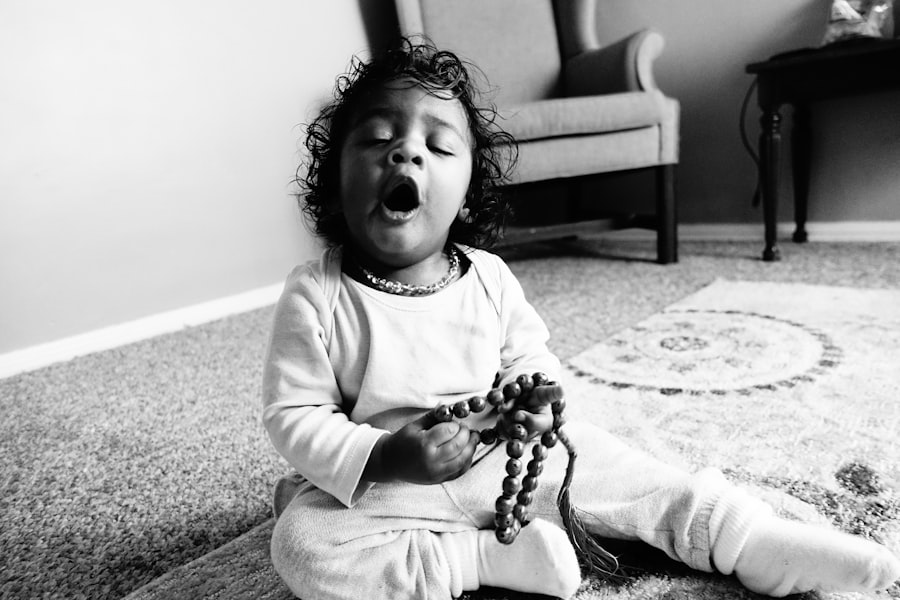
Self-compassion is not merely a pleasant sentiment; it is a fundamental pillar of healing, particularly when engaging in inner child work. It involves treating yourself with the same kindness, understanding, and acceptance you would offer a cherished friend who is struggling. Without self-compassion, the journey of confronting past pains can become
an exercise in self-condemnation, undermining the very goal of healing.
Understanding Self-Criticism
You may possess an internalized critic, a voice that judges, demeans, and pushes you towards perfectionism. This critical voice often mirrors early experiences of harsh criticism or demanding expectations from caregivers. When engaging in inner child work, this critic can become particularly vocal, shaming you for past perceived mistakes or for the feelings that arise during the healing process. Its underlying intention is often protective, aiming to prevent future pain by pushing you to be ‘better,’ but its methods are ultimately counterproductive.
Recognizing the voice of your inner critic is the first step in disarming it. Understand that this voice is not your authentic self, but a learned pattern designed to keep you ‘safe’ from perceived threats. By observing its patterns without judgment, you create a space for self-compassion to emerge.
Practicing Self-Kindness
Actively practicing self-kindness involves replacing self-criticism with supportive and understanding responses. When you notice yourself struggling or experiencing difficult emotions, pause and offer yourself words of comfort, much like you would to a hurt child. This might involve acknowledging the difficulty of the situation, validating your feelings, and offering gentle reassurance.
For instance, instead of thinking, “I’m such a failure for feeling this way,” you might reframe it to, “It’s understandable that I feel sad given what I’m going through. It’s okay to feel this, and I will be kind to myself as I navigate this emotion.” This gradual shift in internal dialogue begins to rewire your neural pathways, fostering a more nurturing inner environment.
Recognizing Shared Humanity
Another facet of self-compassion is recognizing your shared humanity. This means understanding that your struggles, imperfections, and painful experiences are not unique to you. Everyone experiences hardship, shame, and inadequacy at various points in their lives. This perspective helps to combat the sense of isolation and defectiveness that often accompanies unhealed wounds.
When you feel overwhelmed by your inner child’s pain, take a moment to reflect that many others have faced similar challenges. This connection to universal human experience can reduce feelings of self-blame and foster a sense of belonging. It reminds you that your suffering, while deeply personal, is also part of the broader human condition, making it easier to extend compassion to yourself.
Building Resilience: Sustaining Your Inner Harmony
Healing your inner child is not a one-time event but an ongoing process of integration and growth. As you heal, you build resilience, the capacity to recover quickly from difficulties and to adapt effectively to change. This enhanced resilience allows you to navigate future challenges with greater strength, wisdom, and emotional stability.
Establishing Healthy Boundaries
A crucial aspect of sustaining inner harmony is the establishment and maintenance of healthy boundaries. Undefined or porous boundaries are often a legacy of inner child wounds, where early experiences taught you that your needs and limits were secondary to others. As you heal, you learn to assert your personal space, emotional limits, and time boundaries.
This involves clearly communicating your needs to others, saying “no” when appropriate, and protecting your emotional energy. Establishing boundaries is an act of self-love and self-respect, honoring the needs of your now-nurtured inner child. It prevents you from falling back into patterns of people-pleasing or resentment, ensuring that your relationships are based on mutual respect rather than obligation.
Cultivating Self-Care Practices
Consistent self-care practices are essential for maintaining the gains made through inner child healing. Self-care is not merely indulgent; it is a deliberate act of preserving your mental, emotional, and physical well-being. These practices can be diverse, encompassing physical activities, creative pursuits, mindful practices, or time spent in nature.
For example, engaging in regular exercise can help process somatic manifestations of stress. Journaling can provide an outlet for emotional expression and self-reflection. Meditation and mindfulness practices can cultivate a sense of presence and reduce anxiety. The key is to identify activities that genuinely replenish and rejuvenate you, and to integrate them consistently into your daily life. This ongoing self-nurturing reinforces the message to your inner child that their well-being is a priority.
Embracing Authenticity and Joy
As your inner child heals, you often find yourself becoming more authentic and experiencing greater joy. The energy that was once consumed by managing unaddressed wounds is now liberated, allowing you to express your true self more freely. You may rediscover passions and interests that were suppressed in childhood, or find newfound confidence in pursuing personal goals.
This embracing of authenticity means living in alignment with your true values and desires, rather than conforming to external expectations. It leads to a sense of inner peace and fulfillment. The capacity for joy, often dulled by unresolved pain, re-emerges as you allow your inner child to experience delight and wonder. This might involve playful activities, celebrating small successes, or simply allowing yourself to be present and find beauty in everyday moments. The journey of inner child healing ultimately leads to a more vibrant, integrated, and authentically joyful existence.
FAQs
What does “healing the inner child” mean?
Healing the inner child refers to the process of addressing and resolving emotional wounds and traumas from childhood. It involves recognizing unmet needs, painful experiences, and limiting beliefs formed during early years to promote emotional well-being and personal growth.
Why is healing the inner child important?
Healing the inner child is important because unresolved childhood issues can affect adult behavior, relationships, and mental health. By healing these wounds, individuals can improve self-esteem, reduce anxiety or depression, and develop healthier coping mechanisms.
What are common signs that someone needs to heal their inner child?
Common signs include recurring feelings of loneliness, fear of abandonment, difficulty trusting others, low self-worth, emotional triggers linked to past experiences, and patterns of self-sabotage or unhealthy relationships.
What techniques are used to heal the inner child?
Techniques include therapy methods such as inner child work, guided visualization, journaling, mindfulness, and expressive arts. These approaches help individuals connect with their inner child, acknowledge past pain, and nurture themselves with compassion.
Can healing the inner child be done without professional help?
While some people may benefit from self-help resources like books and exercises, professional guidance from therapists or counselors is often recommended for deeper or more complex childhood trauma to ensure safe and effective healing.