
You stand at the precipice of an information age, bombarded by data, distractions, and an ever-increasing demand for cognitive prowess. To navigate this landscape effectively, you need more than just raw intelligence; you require the ability to focus deeply, to absorb and integrate complex information, and to retain what you learn for sustained periods. This capacity for concentrated attention and robust learning is not merely a desirable trait; it is a fundamental pillar of intellectual and professional success. One of the key neurochemical architects orchestrating this cognitive symphony is acetylcholine, a neurotransmitter that plays a pivotal role in shaping your ability to focus, learn, and remember.
To fully grasp the significance of acetylcholine, you must first understand its fundamental nature and ubiquitous presence within your nervous system. Acetylcholine is a small organic molecule that acts as a chemical messenger, transmitting signals across synapses – the microscopic junctions between neurons. It is the first neurotransmitter identified, discovered in 1914 by Henry Hallett Dale, showcasing its long-recognized importance in biological processes. Its influence extends far beyond mere signal transmission; it acts as a finely tuned orchestrator, dictating the tempo and intensity of various cognitive functions.
Synthesis and Breakdown: A Dynamic Equilibrium
The production of acetylcholine is a finely regulated process. Your neurons synthesize it from two precursors: choline, which you obtain through your diet, and acetyl-CoA, a metabolic intermediate. This synthesis occurs within the cytoplasm of cholinergic neurons, primarily through the action of the enzyme choline acetyltransferase (ChAT). Once synthesized, acetylcholine is packaged into synaptic vesicles, small membrane-bound sacs that store neurotransmitters until their release.
The action of acetylcholine is transient, a crucial aspect of its regulatory function. Once released into the synaptic cleft, it binds to specific receptors on the postsynaptic neuron, initiating a cascade of events that transmit the signal. However, its work is quickly undone by the enzyme acetylcholinesterase (AChE), which rapidly breaks down acetylcholine into choline and acetate. This swift degradation ensures that the signal does not persist indefinitely, allowing for precise control over neural activity and preventing overstimulation. Imagine a conductor who ensures each instrument plays its part at the precise moment, then silences it to make way for the next note; AChE acts as this conductor for acetylcholine.
Cholinergic Pathways: Networks of Focus and Memory
Acetylcholine is not uniformly distributed throughout your brain; instead, it operates through distinct cholinergic pathways, each responsible for specific cognitive functions. The most prominent of these pathways originate in the basal forebrain, specifically from the nucleus basalis of Meynert (NbM) and the medial septal nucleus/diagonal band of Broca. These neurons project diffusely throughout the cerebral cortex, hippocampus, and amygdala – regions intimately involved in higher-order cognition, memory formation, and emotional processing.
- Cortical Projections: The cholinergic projections to your cerebral cortex are particularly vital for attention, arousal, and cognitive flexibility. When you need to sustain focus on a complex task, these pathways become highly active, enhancing the signal-to-noise ratio in cortical processing. Think of it as adjusting the clarity on a radio; acetylcholine helps you tune out the static and zero in on the broadcast.
- Hippocampal Integrity: The hippocampus, a seahorse-shaped structure critical for the formation of new memories (episodic and semantic), receives substantial cholinergic input. This acetylcholine surge is crucial for the process of encoding information, transforming fleeting sensory experiences into durable memories. Without adequate acetylcholine here, new information might simply wash over you, leaving little to no imprint.
- Thalamic Regulation: Acetylcholine also modulates activity in the thalamus, a relay station for sensory information. By influencing thalamic gating mechanisms, acetylcholine helps filter relevant sensory input from irrelevant distractions, allowing you to prioritize and attend to what truly matters.
Recent research has highlighted the role of acetylcholine in enhancing deep focus and learning capabilities, suggesting that this neurotransmitter is crucial for cognitive processes such as attention and memory formation. For a deeper understanding of how acetylcholine influences these aspects of brain function, you can explore the related article on this topic at Unplugged Psychology. This resource provides valuable insights into the mechanisms by which acetylcholine can be harnessed to improve mental performance and learning efficiency.
The Cognitive Architects: How Acetylcholine Shapes Attention and Learning
The impact of acetylcholine on your cognitive abilities is profound and multifaceted. It acts as a fundamental modulator, influencing the very architecture of your conscious experience and your capacity to acquire knowledge. You can consider it the architect of your attentional spotlight and the sculptor of your memories.
Sustained Attention and Vigilance: Keeping Your Gaze Fixed
One of the most immediate and noticeable effects of optimal acetylcholine levels is an improvement in sustained attention and vigilance. When you are engaged in a task that requires prolonged concentration – perhaps reading a dense textbook, solving a complex problem, or meticulously analyzing data – acetylcholine levels in your prefrontal cortex are elevated. This neurotransmitter acts to:
- Enhance Signal-to-Noise Ratio: Acetylcholine sharpens the neural representation of relevant stimuli while simultaneously suppressing the processing of irrelevant distractions. Imagine trying to hear a whispered secret in a crowded room; acetylcholine helps mute the surrounding chatter so you can catch every word.
- Maintain Arousal and Alertness: It contributes to maintaining an optimal state of cortical arousal, ensuring that your brain is neither overly sleepy nor excessively agitated, but rather in a state conducive to focused processing.
- Facilitate Task Switching: While primarily associated with sustained attention, acetylcholine also plays a role in cognitive flexibility and the ability to seamlessly switch between tasks while maintaining a high level of performance.
Memory Consolidation: Forging Lasting Recollections
Your capacity to learn is inextricably linked to your ability to form and retrieve memories. Acetylcholine is a critical player in several stages of memory formation, particularly in the process of memory consolidation – the stabilization of a memory trace after its initial acquisition.
- Encoding New Information: As you encounter new information, acetylcholine activity in the hippocampus and cortex is heightened. This facilitates the initial encoding of sensory experiences into short-term memory and lays the groundwork for their potential long-term storage.
- Synaptic Plasticity: Acetylcholine promotes synaptic plasticity, the ability of synapses to strengthen or weaken over time, which is the underlying cellular mechanism of learning and memory. It helps modify the connections between neurons, essentially writing new information into your neural circuitry.
- Retrieval Cues: While acetylcholine is predominantly associated with encoding, it also plays a role in memory retrieval, especially when memories require effortful recall or are accompanied by heightened emotional salience.
Executive Functions: Orchestrating Cognitive Control
Beyond attention and memory, acetylcholine contributes significantly to executive functions, a set of higher-level cognitive processes that allow you to plan, organize, prioritize, and adapt your behavior in novel situations.
- Working Memory: The ability to hold and manipulate information in your mind for short periods, known as working memory, is influenced by acetylcholine. When you’re mentally calculating a sum or following a set of instructions, acetylcholine helps keep those pieces of information readily accessible.
- Decision Making: By modulating activity in prefrontal cortical circuits, acetylcholine contributes to rational decision-making, helping you weigh options and anticipate consequences.
- Inhibitory Control: It plays a role in inhibitory control, allowing you to suppress impulsive behaviors or irrelevant thoughts, thereby fostering more deliberate and task-oriented actions.
The Perils of Deficiency: When Acetylcholine Falters
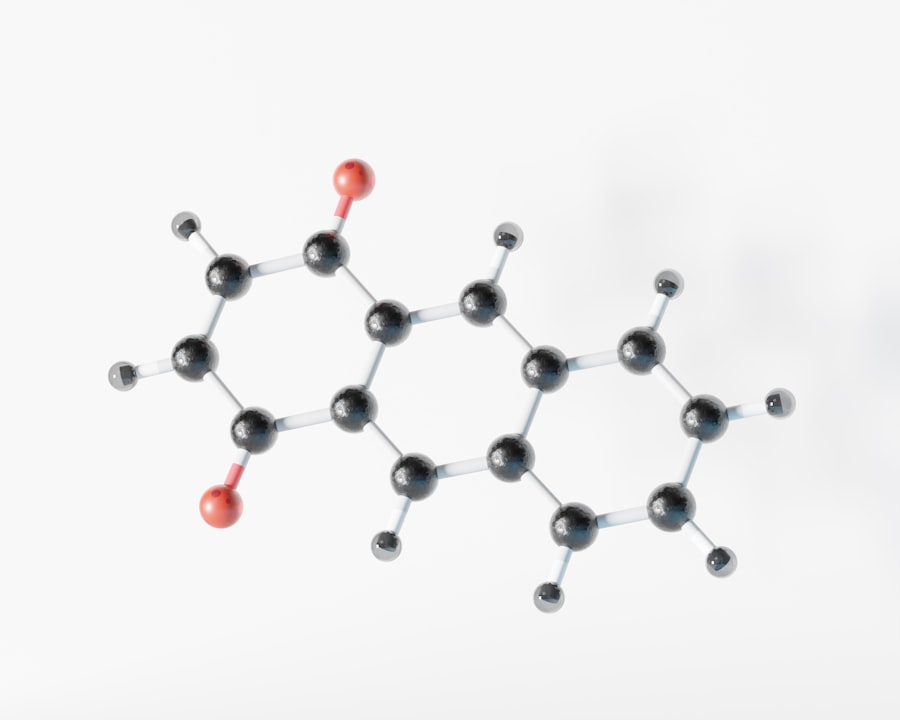
Just as an orchestra goes awry when the conductor is absent or ineffective, your cognitive functions can falter when acetylcholine levels are subpar. A deficiency in this crucial neurotransmitter has widespread implications for your ability to focus, learn, and maintain cognitive health. You might experience a creeping fog in your mental landscape, making formerly straightforward tasks seem arduous.
Cognitive Impairment: The Clouding of the Mind
The most prominent consequence of acetylcholine deficiency is cognitive impairment. This can manifest in various ways, from subtle difficulties in attention to severe memory loss.
- Attentional Deficits: You may find yourself easily distracted, unable to maintain focus on tasks, or experiencing a reduced ability to filter out extraneous stimuli. The mental filter that normally keeps distractions at bay becomes porous, allowing an overwhelming influx of irrelevant information.
- Memory Problems: Difficulty recalling recent events, misplacing items, and struggling to learn new information are common indicators. The ability to forge new memories – to write new entries into your mental journal – becomes significantly compromised.
- Reduced Processing Speed: The overall speed at which your brain processes information may slow down, making cognitive tasks feel more effortful and time-consuming. You might experience a lag, a slight delay in your mental processing.
Neurodegenerative Diseases: A Direct Link
The strong link between acetylcholine and cognitive function is vividly illustrated in various neurodegenerative diseases, particularly Alzheimer’s disease.
- Alzheimer’s Disease: One of the hallmark features of Alzheimer’s is a significant degeneration of cholinergic neurons in the basal forebrain, leading to a profound reduction in acetylcholine levels in the hippocampus and cerebral cortex. This cholinergic deficit is a major contributor to the memory loss and cognitive decline characteristic of the disease. Many current medications for Alzheimer’s disease aim to inhibit acetylcholinesterase, thereby increasing the availability of residual acetylcholine in the synaptic cleft. Imagine trying to sustain a dying fire by adding more oxygen; these medications attempt to make the most of what little acetylcholine remains.
- Parkinson’s Disease: While primarily known for its motor symptoms, Parkinson’s disease can also involve cognitive deficits, particularly in later stages. These cognitive impairments can, in part, be attributed to disruptions in cholinergic pathways.
Nurturing Your Neurons: Enhancing Acetylcholine Levels

Given the critical role of acetylcholine in cognitive function, you might naturally wonder how you can optimize its levels and support robust cholinergic health. Fortunately, there are several avenues to consider, ranging from dietary adjustments to lifestyle interventions. You are not a passive recipient of your neurochemistry; you can actively cultivate an environment that fosters optimal acetylcholine production and utilization.
Dietary Considerations: Fueling Your Choline Supply
As choline is a primary precursor for acetylcholine synthesis, ensuring an adequate dietary intake is paramount.
- Choline-Rich Foods: Incorporate foods rich in choline into your diet. Excellent sources include egg yolks, liver, beef, chicken, fish (especially salmon and cod), soybeans, cruciferous vegetables (broccoli, Brussels sprouts), and peanuts. Think of these as the essential building blocks your neurons need to construct this vital neurotransmitter.
- Phosphatidylcholine and Alpha-GPC: These are common choline supplements that can cross the blood-brain barrier more readily than free choline, potentially providing a more efficient precursor for acetylcholine synthesis. While research is ongoing, some individuals report cognitive benefits.
- Lecithin: Found naturally in various foods, lecithin is a mixture of phospholipids, including phosphatidylcholine, and can serve as another dietary source of choline.
Lifestyle Interventions: Beyond the Plate
Your daily habits and overall lifestyle significantly influence your brain health and, by extension, your cholinergic system.
- Regular Exercise: Physical activity has a profound positive impact on brain health. It increases cerebral blood flow, promotes neurogenesis (the growth of new neurons), and modulates neurotransmitter systems, including acetylcholine. Engaging in regular aerobic exercise can be a powerful tool for cognitive enhancement. Think of it as tuning up your entire biological engine, including the delicate machinery of your brain.
- Adequate Sleep: Sleep is not merely a period of inactivity; it is a critical time for memory consolidation and neural repair. During deep sleep, your brain processes and archives the day’s experiences, and neurotransmitter systems are rebalanced. Chronic sleep deprivation can significantly impair cognitive function and negatively impact acetylcholine signaling. Prioritize consistent, quality sleep.
- Stress Management: Chronic stress elevates cortisol levels, which can be detrimental to brain health, particularly in the hippocampus. High stress can impair cholinergic function and hinder learning and memory. Employ stress-reduction techniques such as mindfulness, meditation, yoga, or spending time in nature. Effectively managing stress is like removing a corrosive element from your mental environment.
- Cognitive Stimulation: Continuously challenge your brain with novel experiences and learning opportunities. Engage in activities that require mental effort, such as learning a new language, playing a musical instrument, solving puzzles, or reading complex material. This kind of mental engagement promotes synaptic plasticity and helps maintain the health and vigor of your cholinergic pathways. Just as muscles atrophy without use, cognitive functions can decline without consistent stimulation.
Recent studies have highlighted the role of acetylcholine in enhancing deep focus and learning capabilities, suggesting that this neurotransmitter plays a crucial part in cognitive processes. For those interested in exploring this topic further, an insightful article can be found at Unplugged Psychology, which delves into the mechanisms by which acetylcholine influences attention and memory. Understanding these connections can provide valuable strategies for improving concentration and learning efficiency.
The Future of Focus: Emerging Research and Personalized Approaches
| Metric | Value | Unit | Notes |
|---|---|---|---|
| Acetylcholine Concentration Increase | 15-30 | % | Increase in brain regions during focused learning tasks |
| Duration of Enhanced Focus | 45-90 | minutes | Typical duration of improved attention after acetylcholine modulation |
| Memory Retention Improvement | 20-25 | % | Improvement in recall after acetylcholine-related interventions |
| Optimal Acetylcholine Level | 1.5-2.0 | µM (micromolar) | Concentration range associated with peak cognitive performance |
| Side Effect Incidence | 5-10 | % | Reported mild side effects such as headaches or dizziness |
| Neuroplasticity Enhancement | 30-40 | % | Increase in synaptic plasticity markers with acetylcholine activity |
The understanding of acetylcholine’s role in cognition is constantly evolving, with ongoing research opening new avenues for enhancing focus and learning. You are at a fascinating juncture where neuroscience is increasingly bridging the gap between fundamental research and practical applications.
Cholinergic Modulators: Precision Targeting
Pharmaceutical research continues to explore compounds that can modulate acetylcholine activity with greater precision and fewer side effects.
- Positive Allosteric Modulators (PAMs): These compounds don’t directly activate acetylcholine receptors but instead enhance acetylcholine’s binding and efficacy when it does bind. This approach aims to fine-tune the existing cholinergic signaling rather than indiscriminately boosting it, potentially leading to more nuanced cognitive improvements.
- Nicotinic Acetylcholine Receptor Agonists: Nicotinic receptors are a subtype of acetylcholine receptor. Specific agonists that target these receptors are being investigated for their potential to enhance attention and working memory, especially in conditions where these functions are impaired. However, the exact balance of receptor activation is crucial to avoid unwanted side effects.
Personalized Medicine: Tailoring Your Approach
The future of optimizing acetylcholine, and indeed all neurotransmitter systems, likely lies in personalized medicine. Your unique genetic makeup, lifestyle, and individual neurochemistry mean that a one-size-fits-all approach is rarely optimal.
- Biomarker Identification: Researchers are working to identify reliable biomarkers that can accurately assess an individual’s cholinergic tone and identify specific deficits. This could involve advanced neuroimaging techniques or blood tests for specific enzymes or metabolites.
- Genetic Predispositions: Understanding how your genes influence acetylcholine synthesis, breakdown, and receptor expression could lead to tailored dietary recommendations, supplement regimens, or even pharmaceutical interventions designed specifically for your neurochemical profile.
- Neurofeedback and Biofeedback: These techniques, which allow you to gain conscious control over physiological processes, might someday be refined to help individuals modulate their own acetylcholine activity, providing a direct pipeline to enhancing cognitive states.
In essence, you possess a powerful neurochemical system that underpins your ability to understand, adapt, and thrive. By appreciating the intricate dance of acetylcholine and by actively supporting its healthy function through informed choices, you can unlock deeper levels of focus, cultivate more robust learning capabilities, and safeguard your cognitive vitality for years to come. The effort you invest in nurturing your cholinergic system is an investment in your own intellectual future.
FAQs
What is acetylcholine and what role does it play in the brain?
Acetylcholine is a neurotransmitter that plays a crucial role in transmitting signals between nerve cells. It is involved in various brain functions, including attention, learning, memory, and muscle activation.
How does acetylcholine affect deep focus and learning?
Acetylcholine enhances cognitive processes by improving attention and facilitating the encoding of new information. Higher levels of acetylcholine in certain brain regions are associated with better concentration and more effective learning.
Can acetylcholine levels be increased naturally to improve focus?
Yes, acetylcholine levels can be supported naturally through a balanced diet rich in choline (found in eggs, liver, and soy), regular exercise, adequate sleep, and mental stimulation. These lifestyle factors help maintain healthy acetylcholine function.
Are there supplements that influence acetylcholine for cognitive enhancement?
Certain supplements, such as choline bitartrate, alpha-GPC, and citicoline, are believed to support acetylcholine production and may aid cognitive function. However, their effectiveness varies, and it is important to consult a healthcare professional before use.
Are there any risks associated with manipulating acetylcholine levels?
Altering acetylcholine levels, especially through medication or supplements, can have side effects such as muscle cramps, gastrointestinal issues, or changes in heart rate. It is essential to approach acetylcholine modulation cautiously and under medical supervision.