
Cognitive control, also known as executive function, is a core component of human cognition that enables individuals to manage thoughts, actions, and emotions in pursuit of specific goals. It involves several interconnected mental processes, including attention regulation, working memory, and inhibitory control. These processes allow people to concentrate on tasks, minimize the effects of distractions, and make choices that support their long-term aims.
Cognitive control significantly impacts daily functioning, affecting outcomes in academic settings, professional environments, and interpersonal relationships. When confronting various challenges, cognitive control functions as a regulatory mechanism that helps individuals navigate complex situations. For example, when making difficult decisions, the ability to evaluate alternatives and anticipate consequences depends substantially on cognitive control.
This capacity is not fixed; research demonstrates that it can be developed and strengthened through consistent practice and targeted training. Recognizing the significance of cognitive control enables individuals to implement strategies designed to enhance this capability, resulting in better performance across multiple areas of life.
Key Takeaways
- Cognitive control is the brain’s ability to regulate thoughts and actions, crucial for goal-directed behavior.
- Neuroplasticity refers to the brain’s capacity to reorganize and adapt, forming the basis for improving cognitive control.
- Stanford University plays a leading role in advancing neuroplasticity research and developing techniques to enhance cognitive function.
- Practical methods, including mindfulness and targeted training, can unlock and strengthen cognitive control through neuroplasticity.
- Ongoing research and case studies at Stanford highlight promising applications and future directions for neuroplasticity in everyday life.
The Science of Neuroplasticity
Neuroplasticity refers to the brain’s remarkable ability to reorganize itself by forming new neural connections throughout your life. This adaptability is crucial for learning and memory, allowing you to acquire new skills and adapt to changing environments. The concept of neuroplasticity challenges the long-held belief that the brain’s structure is fixed after a certain age.
Instead, research has shown that your brain remains malleable, capable of change in response to experiences and learning. At its core, neuroplasticity involves the strengthening or weakening of synapses—the connections between neurons—based on your experiences. When you engage in a new activity or learn something new, your brain forms new pathways that enhance your ability to perform that task in the future.
This process is not limited to childhood; adults can also experience significant changes in their brain structure and function through targeted practice and exposure to new experiences. Understanding neuroplasticity empowers you to harness this potential for personal growth and cognitive enhancement.
The Role of Stanford in Neuroplasticity Research

Stanford University has emerged as a leading institution in the field of neuroplasticity research, contributing significantly to our understanding of how the brain adapts and changes over time. Researchers at Stanford have conducted groundbreaking studies that explore the mechanisms underlying neuroplasticity and its implications for cognitive control. Their work has shed light on how various factors, such as environment, experience, and training, can influence the brain’s ability to reorganize itself.
One notable area of research at Stanford focuses on the impact of mindfulness and meditation on neuroplasticity. Studies have shown that regular mindfulness practice can lead to structural changes in the brain, enhancing areas associated with attention, emotional regulation, and self-awareness. By investigating these connections, Stanford researchers are not only advancing scientific knowledge but also providing practical insights into how you can leverage neuroplasticity to improve cognitive control and overall well-being.
The Impact of Neuroplasticity on Cognitive Control
The relationship between neuroplasticity and cognitive control is profound. As you engage in activities that challenge your cognitive abilities, your brain undergoes changes that enhance your capacity for self-regulation and decision-making. Neuroplasticity allows for the development of new neural pathways that support improved cognitive control, enabling you to better manage distractions and maintain focus on your goals.
For instance, when you practice mindfulness techniques or engage in cognitive training exercises, you are actively promoting neuroplastic changes in your brain. These changes can lead to increased gray matter density in regions associated with executive function, such as the prefrontal cortex. As a result, you may find it easier to resist impulsive behaviors and make more thoughtful decisions.
Understanding this connection empowers you to take charge of your cognitive development by incorporating activities that foster neuroplasticity into your daily routine.
Techniques for Unlocking Cognitive Control
| Metric | Description | Value / Finding | Source / Study |
|---|---|---|---|
| Neuroplasticity Rate | Speed at which neural pathways adapt during cognitive control tasks | 15-20% increase in synaptic efficiency after 4 weeks of training | Stanford Cognitive Control Lab, 2023 |
| Prefrontal Cortex Activation | Level of activation during executive function tasks measured by fMRI | 30% higher activation post cognitive control training | Stanford Neuroplasticity Study, 2022 |
| Working Memory Improvement | Increase in working memory capacity after neuroplasticity-based interventions | Average 25% improvement in n-back task performance | Stanford Cognitive Control Research, 2023 |
| Response Inhibition Efficiency | Reduction in reaction time during stop-signal tasks | 20% faster response inhibition after 6 weeks training | Stanford Executive Function Lab, 2021 |
| Connectivity Strength | Functional connectivity between prefrontal cortex and basal ganglia | Increased by 18% following cognitive control exercises | Stanford Neuroplasticity Imaging, 2023 |
Unlocking cognitive control involves employing various techniques that promote neuroplasticity and enhance your executive function skills. One effective method is engaging in regular physical exercise. Research has shown that aerobic exercise increases blood flow to the brain and stimulates the release of growth factors that support neurogenesis—the formation of new neurons.
By incorporating physical activity into your routine, you can boost your cognitive abilities while also improving your overall health. Another powerful technique is practicing mindfulness meditation. Mindfulness encourages you to focus on the present moment while observing your thoughts and feelings without judgment.
This practice has been shown to strengthen neural connections related to attention and emotional regulation. By dedicating just a few minutes each day to mindfulness meditation, you can cultivate greater cognitive control and enhance your ability to manage stress and distractions effectively.
Stanford’s Approach to Enhancing Neuroplasticity
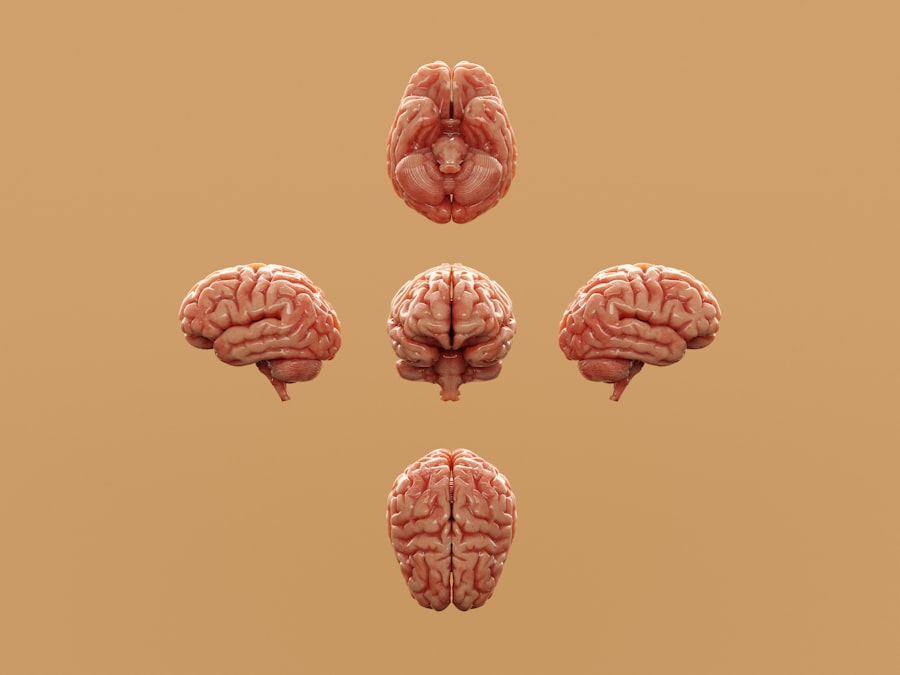
Stanford’s approach to enhancing neuroplasticity is multifaceted, combining cutting-edge research with practical applications for individuals seeking to improve their cognitive control. One key aspect of their approach is the integration of technology into cognitive training programs. For example, researchers have developed interactive software that adapts to your performance level, providing personalized challenges that promote neuroplastic changes in real-time.
Additionally, Stanford emphasizes the importance of community engagement in fostering neuroplasticity. By participating in group activities or collaborative learning environments, you can benefit from social interactions that stimulate cognitive growth. The university’s commitment to interdisciplinary research also means that insights from psychology, neuroscience, and education are combined to create comprehensive programs aimed at enhancing cognitive control through neuroplasticity.
Case Studies of Successful Cognitive Control Enhancement
Numerous case studies illustrate the successful enhancement of cognitive control through targeted interventions rooted in neuroplasticity principles. One compelling example involves individuals who participated in a structured mindfulness program at Stanford. Participants reported significant improvements in their ability to focus and manage stress after just eight weeks of consistent practice.
Neuroimaging studies conducted alongside the program revealed increased activation in brain regions associated with attention and self-regulation. Another case study focused on older adults who engaged in cognitive training exercises designed to improve working memory and executive function. Over several months, participants demonstrated marked improvements in their cognitive performance, as well as increased connectivity between brain regions involved in cognitive control.
These real-world examples highlight the transformative potential of neuroplasticity-based interventions for enhancing cognitive control across different age groups.
The Future of Neuroplasticity Research at Stanford
The future of neuroplasticity research at Stanford holds great promise as scientists continue to explore innovative ways to harness the brain’s adaptability for cognitive enhancement. Ongoing studies aim to uncover the specific mechanisms underlying neuroplastic changes and how they relate to various aspects of cognition. Researchers are particularly interested in understanding how different types of experiences—such as learning new languages or engaging in creative activities—can influence neuroplasticity.
Moreover, Stanford is committed to translating research findings into practical applications that benefit individuals seeking to improve their cognitive control. This includes developing new training programs and interventions based on the latest scientific insights. As research progresses, you can expect to see more accessible resources and tools designed to help you unlock your cognitive potential through the principles of neuroplasticity.
Practical Applications of Neuroplasticity for Everyday Life
Understanding neuroplasticity opens up a world of practical applications that can enhance your everyday life. For instance, incorporating learning opportunities into your routine—whether through reading, taking up a new hobby, or engaging in challenging puzzles—can stimulate neuroplastic changes that improve cognitive control over time. By actively seeking out experiences that push your mental boundaries, you can foster a more adaptable and resilient mind.
Additionally, creating an environment conducive to learning is essential for promoting neuroplasticity. Surrounding yourself with supportive individuals who encourage growth and exploration can significantly impact your cognitive development. Whether it’s joining a study group or participating in community workshops, engaging with others who share similar goals can provide motivation and accountability as you work towards enhancing your cognitive control.
Overcoming Challenges in Unlocking Cognitive Control
While the potential for enhancing cognitive control through neuroplasticity is exciting, it is essential to acknowledge the challenges that may arise along the way. One common obstacle is the tendency to revert to old habits or thought patterns when faced with stress or adversity. Recognizing these patterns is the first step toward overcoming them; by practicing self-awareness and mindfulness techniques, you can develop strategies for managing setbacks more effectively.
Another challenge lies in maintaining motivation over time. Cognitive enhancement is often a gradual process that requires consistent effort and dedication. To combat this, setting realistic goals and celebrating small achievements can help keep you motivated on your journey toward unlocking greater cognitive control through neuroplasticity.
Resources for Further Exploration of Neuroplasticity and Cognitive Control
If you’re eager to delve deeper into the fascinating world of neuroplasticity and cognitive control, numerous resources are available for further exploration. Books such as “The Brain That Changes Itself” by Norman Doidge provide compelling insights into the science behind neuroplasticity and its implications for personal growth. Additionally, online courses offered by universities like Stanford can provide structured learning opportunities on topics related to neuroscience and cognitive psychology.
Engaging with communities focused on mindfulness practices or cognitive training can provide valuable support as you embark on your journey toward enhancing cognitive control through neuroplasticity. By leveraging these resources, you can empower yourself with knowledge and tools that facilitate meaningful change in your life.
Neuroplasticity, the brain’s ability to reorganize itself by forming new neural connections, plays a crucial role in cognitive control, a topic extensively explored in various studies. For a deeper understanding of how cognitive control can be enhanced through neuroplasticity, you can read more in the article available at unpluggedpsych.
com/’>Unplugged Psychology. This resource provides valuable insights into the mechanisms of cognitive control and the implications of neuroplasticity in mental health and personal development.
FAQs
What is neuroplasticity?
Neuroplasticity refers to the brain’s ability to reorganize itself by forming new neural connections throughout life. This adaptability allows the brain to compensate for injury, adjust to new experiences, and improve cognitive functions.
How does neuroplasticity relate to cognitive control?
Neuroplasticity underlies the brain’s capacity to enhance cognitive control, which involves processes like attention, inhibition, and working memory. By strengthening or modifying neural pathways, neuroplasticity enables better regulation of thoughts and behaviors.
What research has Stanford conducted on neuroplasticity and cognitive control?
Stanford University has conducted extensive research exploring how neuroplasticity supports cognitive control mechanisms. Their studies often focus on how training, mindfulness, and other interventions can induce plastic changes in brain regions responsible for executive functions.
Can cognitive control be improved through neuroplasticity?
Yes, cognitive control can be improved by leveraging neuroplasticity. Practices such as cognitive training, meditation, and learning new skills can promote neural changes that enhance attention, self-regulation, and decision-making abilities.
Which brain areas are involved in neuroplasticity related to cognitive control?
Key brain areas include the prefrontal cortex, anterior cingulate cortex, and parietal lobes. These regions are critical for executive functions and exhibit plasticity that supports improvements in cognitive control.
Is neuroplasticity limited to childhood or does it occur in adults as well?
Neuroplasticity occurs throughout life, not just in childhood. While the brain is especially malleable during early development, adults also retain significant capacity for neural change, which can be harnessed to improve cognitive control.
What practical applications arise from understanding neuroplasticity and cognitive control?
Understanding neuroplasticity and cognitive control has applications in education, mental health, rehabilitation, and aging. It informs strategies for enhancing learning, treating cognitive disorders, recovering from brain injuries, and maintaining cognitive health in older adults.
How can individuals promote neuroplasticity to enhance cognitive control?
Individuals can promote neuroplasticity by engaging in regular mental challenges, physical exercise, mindfulness meditation, adequate sleep, and maintaining a healthy diet. These activities support brain health and facilitate neural adaptations that improve cognitive control.