
You possess a remarkable instrument, your brain, a vast and intricate network of billions of neurons, constantly in flux. For centuries, it was believed that this gray matter was largely fixed after a certain age, a completed edifice. However, modern neuroscience has unveiled a profound truth: your brain is not a static monument, but a dynamic, ever-evolving landscape. This inherent ability to change and adapt is known as neuroplasticity, and it is a cornerstone of your learning, memory, and overall cognitive function. But what if you could actively supercharge this process, accelerating your brain’s capacity for growth and adaptation? This is where the concept of “novelty accelerators” emerges as a fascinating frontier.
Neuroplasticity, at its core, is the brain’s intrinsic ability to reorganize itself, both structurally and functionally, in response to experience, learning, and even injury. Imagine your brain as a sprawling city. When you learn something new, it’s like building new roads or expanding existing thoroughfares. Neurons forge new connections (synapses), strengthen existing ones, and can even generate new neurons in certain regions (neurogenesis). This constant rewiring is what allows you to acquire new skills, form memories, and recover from brain damage. Without this inherent plasticity, every new piece of information would be an isolated event, unable to integrate into your existing knowledge base and without the capacity for your brain to adapt to the ever-changing demands of life. Discover the fascinating world of brain science through this insightful video.
Synaptic Blooming: The Genesis of New Connections
The synapse, the tiny gap between neurons where electrochemical signals are transmitted, is the fundamental unit of brain plasticity. When you engage in a new experience, learn a new concept, or practice a new skill, these synapses are activated in specific patterns. Repeated activation strengthens these connections, making the communication between those neurons more efficient. This is akin to repeatedly traversing a particular path through a forest; over time, it becomes a well-worn and easily navigable trail. Conversely, unused connections can weaken and eventually be pruned, a process that optimizes neural circuitry. This constant cycle of strengthening and pruning is vital for efficient cognitive processing.
Neural Networks: The Interconnected Web of Information
Your brain is not a collection of independent units but a highly interconnected network. Learning and experience sculpt these networks, influencing how information flows and is processed. Think of these networks as intricate electrical circuits. When you learn a new fact, it doesn’t just sit in isolation; it connects with existing knowledge, forming a richer, more complex circuit. The strength and efficiency of these connections determine the speed and accuracy of your cognitive functions. For instance, mastering a musical instrument involves not just learning notes but also developing complex neural pathways for motor control, auditory processing, and memory.
Functional Reorganization: The Brain’s Adaptive Reassignment
Neuroplasticity also allows for functional reorganization, where one part of the brain can take over the functions of another, particularly after injury. If a specific area of your brain is damaged, other areas can adapt and take on some of its responsibilities. This is a testament to the brain’s remarkable resilience. Recovering from a stroke, for example, often involves extensive rehabilitation aimed at facilitating this functional retraining, allowing the brain to find new pathways to execute lost functions. It’s like rerouting traffic in a city after a road closure; the city finds alternative routes to keep things moving.
Recent research has highlighted the intriguing relationship between novelty accelerators and brain plasticity, suggesting that engaging in new and challenging experiences can significantly enhance cognitive flexibility and neural adaptability. For a deeper understanding of this topic, you can explore the article on the Unplugged Psychology website, which delves into the mechanisms behind how novelty influences brain development and function. To read more, visit this article.
The Science of Novelty: Your Brain’s Prime Mover
What fuels this astonishing adaptability? One of the most potent catalysts for neuroplasticity is novelty. New, unexpected, and stimulating experiences act like a powerful spark, igniting neural activity and encouraging the brain to form new connections and adapt. When you encounter something novel, your brain activates regions associated with attention, reward, and memory, essentially signaling that this is something important to process and learn. This is not a passive process; it’s an active engagement with the unknown.
The Dopamine Connection: Reward and Motivation
Novelty is intrinsically linked to the brain’s reward system, primarily mediated by the neurotransmitter dopamine. When you experience something new and engaging, dopamine is released, creating a feeling of pleasure and reinforcing the behavior that led to that experience. This dopamine surge also acts as a signal to the brain, enhancing synaptic plasticity and attention. It’s the brain saying, “Pay attention to this! This is important for your survival and growth.” This is why trying a new cuisine, visiting an unfamiliar place, or learning a new language feels exciting and rewarding; your brain is actively being stimulated and incentivized to learn.
Attentional Capture: Focusing on the Unforeseen
Novel stimuli are remarkably effective at capturing your attention. Your brain is wired to detect and respond to the novel, as it often signifies potential opportunities or threats. This heightened attention is crucial for learning. When your attention is fully engaged, your brain is more receptive to new information, leading to deeper processing and more robust memory formation. Think of your attention as a spotlight; novelty directs that spotlight, illuminating new areas for exploration and understanding.
Memory Consolidation: Embedding the New
The process of consolidating memories—transforming short-term memories into long-term ones—is significantly influenced by novelty. New experiences, particularly those that are emotionally salient or highly engaging, are more likely to be remembered because they trigger stronger cellular and molecular changes in the brain. This is why significant life events, both positive and negative, are often etched in your memory with remarkable clarity. Your brain prioritizes and solidifies information that stands out from the ordinary.
Novelty Accelerators: Engineered Sparks for Brain Growth
Given the powerful link between novelty and neuroplasticity, researchers are exploring ways to intentionally introduce and harness novelty to accelerate brain growth and cognitive enhancement. These “novelty accelerators” are not about shock therapy or arbitrary disruption, but rather about strategically integrating new and stimulating elements into your life to optimize your brain’s adaptive capacity. They are designed to be more than just fleeting curiosities; they aim for sustained engagement that fosters lasting neural changes.
Structured Learning Environments: The Art of Intentional Novelty
One of the most straightforward novelty accelerators is engaging in structured learning environments. This can range from taking a university course to learning a musical instrument, a new language, or a complex skill like coding. These activities are inherently filled with novelty, requiring you to acquire new information, practice new techniques, and solve new problems. The structured nature of these pursuits provides a framework for consistent engagement with novelty, allowing for incremental yet significant neural development. It’s like tending a garden; the structured process of planting, watering, and weeding leads to abundant growth.
Experiential Immersion: Stepping Outside the Comfort Zone
Experiential immersion, which involves actively participating in new and challenging activities, is another potent novelty accelerator. This could include traveling to unfamiliar cultures, engaging in new sports or hobbies, or participating in volunteer work in a different community. The sheer sensory and cognitive input from these experiences forces your brain to adapt and form new connections. The disorientation and challenges presented by novelty require your brain to work overtime, forging new neural pathways and enhancing problem-solving abilities. It’s about embracing the delightful discomfort of the unknown.
Creative Exploration: Forging Unique Neural Pathways
Engaging in creative activities, such as painting, writing, composing music, or even experimenting with new recipes, provides a unique form of novelty. Creativity often involves combining existing knowledge in novel ways, generating new ideas, and solving ambiguous problems. This process is a powerful workout for your brain, stimulating divergent thinking and encouraging the formation of novel neural connections. The act of creation itself is an exercise in pushing boundaries and exploring uncharted mental territories. It’s the serendipity of a painter mixing colors for the first time, discovering an unexpected hue.
Social Interaction and Diverse Perspectives: The Human Element of Novelty
Interacting with people from diverse backgrounds and with different perspectives offers a rich source of novelty. Engaging in conversations, debates, and collaborative projects with individuals who hold different viewpoints challenges your own assumptions and opens your mind to new ways of thinking. This cognitive friction, fostered by varied perspectives, stimulates critical thinking and can lead to significant shifts in your understanding of the world. It’s like a kaleidoscope of ideas, where each turn brings a new and fascinating pattern.
Implementing Novelty Accelerators: A Practical Approach
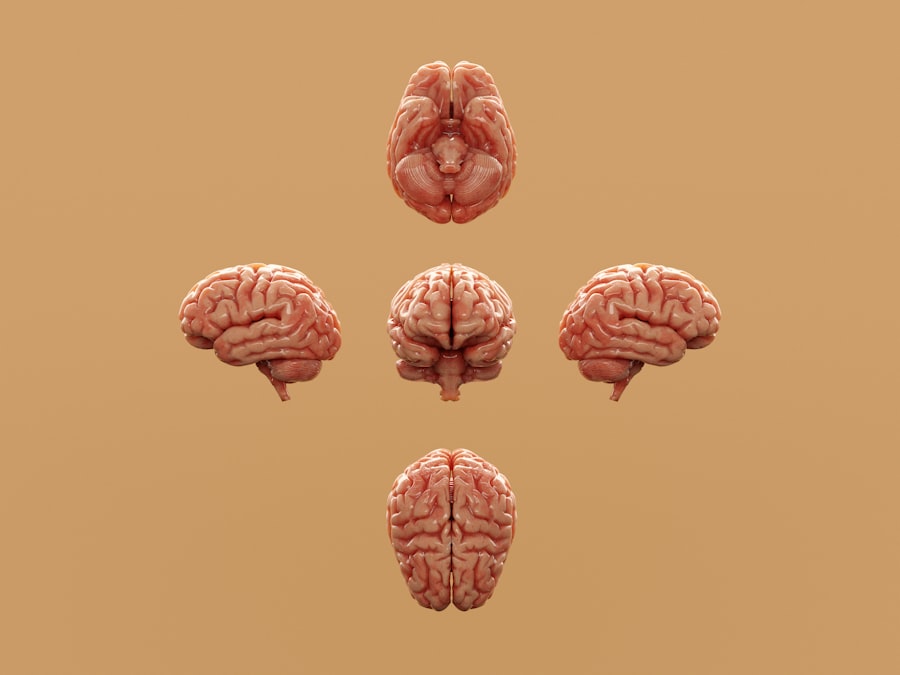
Incorporating novelty accelerators into your life doesn’t require drastic upheaval. It’s about making conscious choices to introduce stimulating and unfamiliar elements into your daily routines and long-term goals. The key is consistency and intentionality.
The Power of Micro-Novelties: Small Changes, Big Impact
You don’t need to embark on a solo expedition to the Amazon rainforest to benefit from novelty. Small, everyday changes can act as powerful micro-novelty accelerators. Try taking a different route to work, listening to a new genre of music, reading a book from an unfamiliar author, or trying a recipe with ingredients you’ve never used before. These seemingly minor shifts can still trigger your brain’s novelty detection mechanisms, encouraging adaptive responses. It’s like adding a dash of exotic spice to your usual meal; it elevates the entire experience.
Skill Acquisition as a Marathon, Not a Sprint
When embarking on a new skill, view it as a marathon, not a sprint. The initial learning curve is often steep and filled with novelty. However, as you become more proficient, the novelty can wane. To maintain the benefits, consciously seek out new challenges within that skill. For a musician, this might involve learning a new instrument, exploring a different musical style, or attempting more complex compositions. For a programmer, it could mean tackling a new programming language or contributing to a more ambitious project. This continuous pushing of boundaries sustains the novelty stimulus.
Embracing Discomfort: The Sign of Growth
Growth often happens at the edge of your comfort zone. Novelty accelerators often involve stepping into unfamiliar territory, which can sometimes feel uncomfortable or even daunting. However, this discomfort is often a sign that your brain is being challenged and is stretching its capabilities. Instead of shying away from these feelings, embrace them as indicators that you are engaging in a process that is fostering neuroplasticity. It’s the growing pains of a developing sapling.
The Role of Curiosity: Your Innate Novelty Engine
Cultivating curiosity is perhaps the most powerful tool for unlocking novelty accelerators. Curiosity is your innate drive to explore, understand, and discover. By actively fostering your curiosity, you naturally seek out new experiences, ask questions, and delve into areas you might otherwise overlook. Nurture your inner child, the one who was endlessly fascinated by the world around them. This inherent drive is your most effective novelty engine.
Recent research has highlighted the fascinating connection between novelty accelerators and brain plasticity, suggesting that engaging in new experiences can significantly enhance our cognitive flexibility. For those interested in exploring this topic further, a related article can be found at Unplugged Psychology, which delves into how novelty not only stimulates the brain but also fosters resilience and adaptability in our daily lives. This insight into the brain’s remarkable ability to reorganize itself underscores the importance of stepping outside our comfort zones to promote mental growth.
The Future of Brain Plasticity: Proactive Engagement
| Metric | Description | Effect on Brain Plasticity | Typical Measurement Method | Example Values |
|---|---|---|---|---|
| BDNF Levels (Brain-Derived Neurotrophic Factor) | Protein promoting neuron growth and synaptic plasticity | Increases plasticity by enhancing synaptic strength and neurogenesis | Blood serum assay, ELISA | 5-30 ng/mL (varies by individual and condition) |
| Neurogenesis Rate | Rate of new neuron formation in the hippocampus | Higher rates indicate enhanced plasticity and learning capacity | BrdU labeling in animal studies, MRI proxies in humans | Variable; increased by novelty exposure and exercise |
| Synaptic Density | Number of synapses per unit volume in brain tissue | Higher density correlates with improved connectivity and plasticity | Electron microscopy, PET imaging with synaptic markers | ~1 billion synapses/mm³ in cortex |
| Long-Term Potentiation (LTP) | Strengthening of synapses following repeated stimulation | Key mechanism underlying learning and memory plasticity | Electrophysiological recordings in animal models | Increased amplitude and duration of synaptic response |
| Novelty Exposure Duration | Time spent engaging with new stimuli or environments | Longer exposure can enhance plasticity by stimulating neural circuits | Self-report, experimental control | 10-60 minutes per session typical in studies |
| CREB Activation (cAMP Response Element-Binding Protein) | Transcription factor involved in memory formation | Activation promotes gene expression linked to plasticity | Western blot, immunohistochemistry | Increased phosphorylation levels post-novelty exposure |
The understanding of neuroplasticity is rapidly evolving, and the concept of novelty accelerators offers a promising avenue for proactively enhancing cognitive function throughout your lifespan. By consciously integrating novelty into our lives, we are not just passively benefiting from our brain’s innate adaptability, but actively engaging in its ongoing development.
Lifelong Learning and Cognitive Reserve
The ability to continuously learn and adapt is crucial for maintaining cognitive health and resilience as you age. Novelty accelerators contribute to building a robust “cognitive reserve”—a kind of mental buffer that can help your brain withstand the effects of aging and potential neurological challenges. It’s like having a well-fortified city that can better withstand sieges. This proactive approach to cognitive maintenance is shifting the paradigm from merely reacting to cognitive decline to actively fostering lifelong brain health.
Personalized Neuroplasticity Strategies
As our understanding deepens, we can anticipate the development of more personalized novelty accelerator strategies tailored to individual needs and learning styles. This might involve sophisticated technology assisting in identifying optimal novelty challenges or creating customized learning pathways. The future likely holds tools that can precisely pinpoint areas of your brain that would benefit most from specific types of novel stimuli, making the process of neuroplasticity enhancement even more targeted and effective.
The Ethical Considerations of Enhancement
As with any powerful technology or approach, the concept of novelty accelerators also brings with it important ethical considerations. Ensuring equitable access to these strategies and avoiding misuse or the creation of cognitive divides will be paramount. The goal is to empower individuals to enhance their cognitive potential responsibly and ethically, fostering a society that values lifelong learning and mental well-being. The pursuit of cognitive enhancement should always be guided by principles of fairness and collective benefit.
In conclusion, your brain is a magnificent testament to the power of change. By understanding and actively embracing the role of novelty as a potent accelerator of neuroplasticity, you hold the keys to unlocking your brain’s full potential. It’s not about finding a magic bullet, but about adopting a mindset of continuous exploration, engagement, and growth. So, go forth, explore the unknown, and let novelty be your guide on the lifelong journey of shaping your remarkable mind.
WATCH THIS! 🔥 **The 5 Science-Backed Rules for Permanent Habit Formation:**
FAQs
What are novelty accelerators in the context of brain plasticity?
Novelty accelerators refer to activities or stimuli that introduce new and unfamiliar experiences to the brain, which can enhance brain plasticity by promoting the formation of new neural connections and improving cognitive function.
How does brain plasticity benefit from exposure to novel experiences?
Brain plasticity benefits from novel experiences because they challenge the brain to adapt and reorganize itself, leading to improved learning, memory, and overall cognitive flexibility.
Can novelty accelerators be used to improve cognitive health in aging individuals?
Yes, engaging in novel activities such as learning new skills, exploring new environments, or trying new hobbies can help maintain and even improve cognitive health in aging individuals by stimulating brain plasticity.
Are there specific types of novelty accelerators that are most effective for brain plasticity?
Effective novelty accelerators include activities that combine mental, sensory, and physical challenges, such as learning a new language, playing a musical instrument, or engaging in complex problem-solving tasks.
Is there scientific evidence supporting the role of novelty accelerators in enhancing brain plasticity?
Yes, numerous studies in neuroscience have demonstrated that exposure to novel stimuli and environments can increase synaptic plasticity, neurogenesis, and cognitive performance, supporting the role of novelty accelerators in brain plasticity.