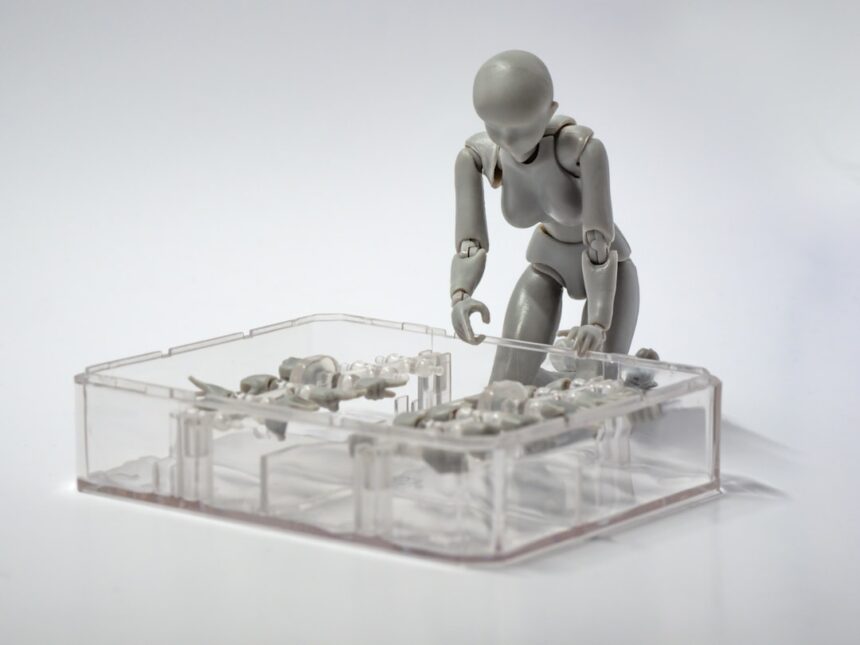
The Extraction Kit is a specialized tool designed to facilitate the removal of certain biological specimens with minimal invasiveness. This guide will walk you through its proper usage, covering preparation, operation, and post-extraction protocols. Adherence to these instructions is paramount for ensuring both the integrity of the specimen and the safety of the user.
Before you even touch the Extraction Kit, meticulous preparation is key. Think of it as building the foundation of a structure; if it’s shaky, the entire edifice is at risk. This phase involves understanding your target, sterilizing your workspace and equipment, and ensuring you have all necessary supplementary materials. Skipping any of these steps is akin to navigating a treacherous sea with a faulty compass – you’re likely to end up adrift.
Understanding Your Target Specimen
The Extraction Kit’s efficacy is directly tied to the nature of the specimen you intend to extract. Different tissues, growths, or foreign bodies will respond differently to the kit’s mechanisms. Therefore, a thorough understanding of the specimen’s composition, size, depth, and location is the first and most critical step.
Identifying the Specimen’s Characteristics
- Microscopic vs. Macroscopic: Is the specimen something you can see with the naked eye, or does it require magnification? This influences the precision required for the extraction tool’s application.
- Elasticity and Density: Is the specimen soft and yielding, or firm and resistant? This will dictate the force and technique you employ.
- Vascularization: Is the specimen deeply embedded within a network of blood vessels? Awareness of this is crucial for managing potential bleeding.
- Adhesion: How firmly is the specimen attached to the surrounding tissue? The kit’s design accounts for various levels of adhesion, but knowing this in advance allows for a calculated approach.
Pre-Visualization Techniques
Before physical interaction, you should visualize the extraction process.
- Mental Rehearsal: Imagine each step in your mind, from positioning the tool to its final withdrawal. Identify potential obstacles and mentally devise solutions.
- Diagrammatic Representation: If possible, sketch out the target area, noting key anatomical landmarks and the specimen’s precise location.
Establishing a Sterile Field: The Shield Against Contamination
A sterile field is not merely an aesthetic preference; it is a medical imperative. Without it, you invite microscopic invaders, potentially turning a routine extraction into a serious infection. Think of a sterile field as a pristine laboratory, where every action is conducted with the utmost care to prevent unwanted incursements.
Sterilization of the Extraction Kit
The Extraction Kit itself must be rendered sterile before each use.
- Autoclaving: If your kit is designed for autoclaving, follow the manufacturer’s instructions precisely regarding temperature, pressure, and duration. This is the most robust method for eliminating microbial life.
- Chemical Sterilization: For components not suitable for autoclaving, employ a hospital-grade chemical sterilizing solution. Ensure adequate contact time and thorough rinsing with sterile water afterward.
- Single-Use Components: Many modern Extraction Kits feature single-use needles, probes, or collection vessels. Verify the integrity of their sterile packaging before use. Do not use any component with a compromised seal.
Sterilization of the Workspace and Surrounding Area
Your immediate environment must also be aseptically prepared.
- Surface Preparation: Clean all work surfaces with a broad-spectrum disinfectant. Large, unbroken sterile drapes are often used to cover the workspace, creating a defined sterile zone.
- Airborne Contamination Control: Minimize unnecessary movement and airflow in the room. Avoid talking directly over the sterile field.
Assembling Supplementary Materials: The Supporting Cast
The Extraction Kit is not a standalone solution. You will require various other items to complete the procedure safely and effectively.
Essential Supplementary Items
- Personal Protective Equipment (PPE): Sterile gloves, a surgical mask, and eye protection are non-negotiable. These act as your personal fortress against contamination.
- Antiseptic Solution: A povidone-iodine or chlorhexidine solution for skin preparation is crucial to reduce the microbial load on the target site.
- Sterile Gauze Pads and Swabs: For cleaning, applying antiseptics, and managing minor bleeding.
- Local Anesthetic (if applicable): Depending on the sensitivity of the extraction site and the size of the specimen, a local anesthetic may be required. Ensure you are qualified to administer it and have appropriate accompanying supplies (syringes, needles).
- Specimen Collection Container: A sterile container designed to safely hold the extracted specimen, preventing degradation or contamination.
- Lighting: Adequate lighting is essential for clear visualization of the extraction site and the operation of the kit.
If you’re interested in learning more about the Humanity Extraction Kit and its applications, you might find the article on Unplugged Psych particularly insightful. It delves into the various techniques and best practices for effectively utilizing the kit, ensuring you get the most out of your experience. For more detailed information, you can read the article here: Unplugged Psych.
Operating the Extraction Kit: The Delicate Dance
This section details the operational procedures for using the Extraction Kit. Precision, gentle application, and constant attention are the cornerstones of successful extraction. Think of operating the kit like playing a sensitive instrument; a heavy hand will produce discord, while a practiced touch will create harmony.
Familiarizing Yourself with the Kit Components
Before you begin, take time to understand the function of each part of the Extraction Kit.
The Main Assembly and Its Attachments
- Handle/Grip: This is your primary interface with the tool. It should be comfortable and provide a secure grip.
- Actuation Mechanism: This is the part that generates the extraction force. Understand how it is engaged and disengaged. Is it a lever, a trigger, a dial?
- Extraction Head/Tip: This is the component that directly interacts with the specimen. Different kits may have interchangeable heads for various specimen types or sizes. Familiarize yourself with the specific head you will be using and its design.
- Collection Chamber/Port (if applicable): Some kits integrate a system for directly collecting the specimen as it is extracted. Understand its capacity and how it is detached.
Understanding Different Extraction Modalities
Extraction Kits can employ various principles to achieve their goal.
- Suction-Based Extraction: This method utilizes negative pressure to lift and detach the specimen.
- Grasping/Cutting Mechanisms: These employ fine forceps or blades to secure and sever the specimen.
- Vibrational/Oscillatory Extraction: Some advanced kits may use controlled vibrations to loosen the specimen’s attachment.
Step-by-Step Extraction Procedure: The Choreography of the Operation
Each Extraction Kit will have specific operational instructions detailed by the manufacturer. However, a general procedural outline can be provided. Always defer to the manufacturer’s manual as the definitive guide.
- Positioning the Kit: Carefully position the extraction head over the target specimen. Ensure it is appropriately centered and that the jaws or suction port encompass the entire specimen to be removed. Incorrect positioning can lead to partial extraction or damage to surrounding tissue.
- Engaging the Actuation Mechanism: Activate the extraction mechanism slowly and deliberately. Listen for any audible cues that indicate proper engagement.
- Applying Controlled Force: For grasping or cutting mechanisms, apply just enough force to secure the specimen without crushing it. For suction-based systems, monitor the vacuum pressure to ensure it is adequate but not excessive.
- Initiating Extraction: Once the specimen is secured or the vacuum is established, begin the extraction motion. This might involve a slight pulling, twisting, or sustained pressure, depending on the kit’s design. Work with the natural resistance, not against it.
- Monitoring Specimen Integrity: Throughout the process, observe the specimen for signs of damage or fragmentation. If the specimen begins to break apart, reassess your technique or consult the kit’s troubleshooting guide.
- Complete Withdrawal: Once the specimen is fully detached, smoothly withdraw the Extraction Kit, ensuring it does not snag on any surrounding tissue.
Handling Difficult Extractions
Sometimes, specimens are more tenacious than anticipated.
- Adjusting Force: Incrementally increase the applied force if initial attempts are unsuccessful, but do so with extreme caution.
- Re-Positioning: If the specimen is not yielding, consider withdrawing the kit and re-positioning the extraction head for a potentially better grip or angle.
- Supplementary Tools: In rare cases, minor adjustments with other sterilized instruments might be necessary to loosen an embedded specimen, but this should only be attempted by experienced users.
Maintaining Control and Precision: The Surgeon’s Touch
The difference between a successful extraction and a botched procedure often lies in the user’s ability to maintain control and precision.
- Steady Hands: Rest your hands or forearms as much as possible to minimize tremors.
- Controlled Movements: Every adjustment of the kit should be deliberate and measured. Avoid jerky or rushed actions.
- Visual Confirmation: Continuously observe the interaction between the kit and the specimen, adjusting your technique based on what you see.
Post-Extraction Procedures: The Aftermath and Analysis
The moment the specimen is free is not the end of the process. The post-extraction phase is critical for ensuring specimen integrity, managing the site, and documenting your findings. This is the period of tidying up and cataloging, akin to a scientist carefully preserving their samples and noting all relevant data.
Securing and Preserving the Extracted Specimen
The extracted specimen is a valuable piece of information, and its proper handling is paramount.
Immediate Specimen Handling
- Transfer to Container: Carefully transfer the specimen to its designated sterile collection container. Avoid touching the specimen directly.
- Sealing the Container: Securely seal the container to prevent any external contamination or desiccation of the specimen.
- Labeling: Immediately label the container with all essential information: date, time, specimen source, and any relevant identifiers.
Specimen Preservation Techniques
The method of preservation will depend on the intended analysis.
- Fixative Solutions: For histological or pathological examination, specimens are typically placed in fixative solutions like formalin. Ensure the container is large enough for adequate fixative immersion.
- Freezing: For genetic analysis or certain biochemical assays, specimens may need to be flash-frozen. Utilize appropriate cryogenic storage.
- Biobanking: If the specimen is intended for long-term storage, follow established biobanking protocols.
Managing the Extraction Site: Healing and Observation
Once the specimen is removed, your attention must shift to the site from which it was extracted.
Assessing the Site for Complications
- Bleeding: Examine the site for any excessive bleeding. Apply gentle pressure with sterile gauze if necessary.
- Tissue Damage: Note any unintended damage to surrounding tissues.
- Foreign Bodies: Ensure no fragments of the extraction kit or the specimen remain embedded in the tissue.
Site Care and Dressings
- Antiseptic Wipes: Gently cleanse the site with a sterile antiseptic wipe to reduce the risk of infection.
- Sterile Dressing: Apply a sterile, non-adherent dressing to protect the site and promote healing. The type of dressing will depend on the size and depth of the extraction site.
- Instructions for Further Care: If further care is required, provide clear instructions to the individual responsible for the patient, including signs of infection to watch for and when to seek medical attention.
Documentation and Reporting: The Chronicle of the Event
Accurate and thorough documentation is essential for a complete record of the extraction.
Recording Key Details
- Operator’s Name and Affiliation: Who performed the extraction.
- Date and Time of Procedure: When the extraction took place.
- Description of Specimen: Size, appearance, and any notable features.
- Location of Extraction: Precise anatomical site.
- Technique Used: Specific steps taken and any modifications.
- Complications Encountered: Any difficulties or adverse events during the procedure.
- Post-Extraction Site Condition: Assessment of bleeding, tissue damage, etc.
- Specimen Destination: Where the specimen was sent for analysis or storage.
Reporting Findings
- Pathology Reports: If the specimen is sent for pathological analysis, ensure you receive and review the findings.
- Internal Records: Maintain detailed records within your institution or personal log.
- Communication: Communicate any critical findings or concerns to relevant parties.
Troubleshooting Common Issues: Navigating the Unexpected
Even with meticulous preparation and careful execution, challenges can arise. This section addresses common problems you may encounter and provides potential solutions. Think of this as your toolkit for overcoming minor storms at sea.
Specimen Fragmentation During Extraction
This is a frequent concern, especially with brittle or fibrous specimens.
Causes of Fragmentation
- Excessive Force: Applying too much pressure, particularly with grasping mechanisms.
- Improper Tool Selection: Using a tool designed for soft tissues on a hard specimen.
- Sharp Edges: The specimen might have inherent sharp or brittle points.
- Inadequate Stabilization: The specimen may have shifted during extraction, leading to tearing.
Solutions for Fragmentation
- Gentle Grip: Employ minimal force when securing the specimen.
- Consider Suction: If fragmentation is a major concern, a suction-based extraction might be more appropriate.
- Lubrication (if applicable): In some very specific scenarios, a sterile, biocompatible lubricant might aid in detachment, but this is highly dependent on the specimen and kit type. Consult manufacturer guidelines.
- Multiple Passes: For large or awkwardly shaped specimens, it may be more effective to extract in smaller pieces using multiple passes, rather than attempting to remove the entire specimen at once.
Failure to Obtain a Specimen
Sometimes, despite best efforts, the specimen remains stubbornly attached.
Reasons for Non-Extraction
- Weak Grip: The extraction head is not adequately engaging the specimen.
- Deep Embedment: The specimen is too deeply rooted in surrounding tissue.
- Incorrect Angle: The extraction angle is not optimal for detachment.
- Specimen Adhesion: The specimen is exceptionally adherent to the tissue.
Approaches to Non-Extraction
- Adjust Grip Pressure: Slightly increase the pressure, but do so cautiously.
- Change Angle of Approach: Try a slightly different angle of entry or extraction.
- Deeper Penetration (with caution): If the kit design allows, a slight increase in the depth of penetration might be necessary.
- Alternative Tools: If the current kit is proving ineffective, consider consulting with colleagues or supervisors about alternative extraction methods or tools. Do not force the issue to the point of causing undue trauma.
- Abandon and Re-evaluate: Sometimes, the best course of action is to temporarily cease the attempt and re-evaluate the situation. A fresh perspective or a different approach might be needed.
Unexpected Bleeding
Minor bleeding is common, but excessive hemorrhage requires prompt attention.
Causes of Excessive Bleeding
- Damage to Blood Vessels: Inadvertent puncture or tearing of nearby vasculature.
- Specimen Vascularization: The specimen itself may have been heavily vascularized.
- Insufficient Hemostasis: Failure to achieve adequate clotting.
Management of Bleeding
- Direct Pressure: Apply firm, direct pressure to the site using sterile gauze pads.
- Hemostatic Agents: Depending on the severity and your qualifications, sterile hemostatic agents may be employed.
- Suturing (if applicable): In cases of significant vascular damage, professional medical intervention may be required for suturing.
- Monitor Closely: Continuously observe the site for re-bleeding.
If you’re interested in learning how to effectively use the humanity extraction kit, you might find it helpful to read a related article that provides detailed insights and practical tips. This resource can guide you through the process and enhance your understanding of the kit’s applications. For more information, check out this informative piece on humanity extraction techniques that can complement your knowledge and skills.
Advanced Considerations and Safety Protocols: The Apex of Expertise
| Step | Action | Tools Required | Estimated Time | Safety Precautions |
|---|---|---|---|---|
| 1 | Prepare the extraction area | Sanitizer, sterile gloves, clean surface | 5 minutes | Wear gloves and sanitize the area |
| 2 | Assemble the humanity extraction kit | Extraction kit components, instruction manual | 10 minutes | Follow assembly instructions carefully |
| 3 | Position the subject for extraction | Support cushions, restraints (if necessary) | 5 minutes | Ensure subject comfort and safety |
| 4 | Activate the extraction device | Extraction device, power source | 15 minutes | Keep clear of moving parts, monitor device |
| 5 | Collect extracted humanity sample | Collection vial, labeling materials | 5 minutes | Handle samples with care, label accurately |
| 6 | Deactivate and clean the kit | Cleaning solution, wipes | 10 minutes | Dispose of waste properly, sanitize all parts |
| 7 | Store the extracted sample | Refrigerator or designated storage | Varies | Maintain proper storage conditions |
This final section delves into more complex aspects of using the Extraction Kit, emphasizing ongoing learning and stringent safety practices. It’s about understanding the nuances and committing to the highest standards, much like a seasoned captain navigating challenging waters.
Understanding Biomechanical Interactions: The Physics of Extraction
The most effective use of any extraction tool relies on understanding the biomechanical forces at play.
Force Vectors and Leverage
- Applied Force: The pressure you exert through the kit’s handle.
- Resistance: The counter-force exerted by the specimen and its anchor points.
- Leverage: The mechanical advantage gained by the kit’s design to overcome resistance. Understanding how to optimize leverage is crucial for efficient extraction.
Tissue Elasticity and Resistance
- Deformation: How the surrounding tissues stretch and deform under pressure.
- Tensile Strength: The force required to rupture the attachments of the specimen.
- Friction: The resistance to movement between the kit and the specimen/tissue.
Ethical and Legal Implications: The Responsible Practitioner
Every medical procedure carries ethical and legal responsibilities.
Informed Consent
- Explanation of Procedure: Clearly explain the extraction process to the patient, including its purpose, risks, and benefits.
- Alternatives: Discuss any alternative methods that may be available.
- Documentation: Ensure informed consent is documented according to established protocols.
Scope of Practice
- Qualifications: Ensure you are adequately trained and qualified to operate the Extraction Kit and perform the procedure.
- Institutional Policies: Adhere to all relevant institutional policies and guidelines.
- Consultation: Do not hesitate to consult with more experienced practitioners if you are uncertain about any aspect of the procedure.
Continuous Learning and Skill Refinement: The Lifelong Student
The field of medical intervention is constantly evolving.
Staying Updated on Kit Technology
- Manufacturer Updates: Keep abreast of any new models, enhancements, or safety alerts from the kit’s manufacturer.
- Peer-Reviewed Literature: Engage with scientific journals and research that discusses extraction techniques and technologies.
Seeking Further Training and Feedback
- Workshops and Seminars: Participate in specialized training sessions focused on extraction techniques.
- Mentorship: Seek guidance and feedback from experienced colleagues to hone your skills.
- Self-Reflection: Regularly reflect on your own procedures, identifying areas for improvement.
By thoroughly understanding and implementing the principles outlined in this guide, you can effectively and safely utilize the Extraction Kit, ensuring optimal outcomes for both the specimen and the user. Remember that practice, precision, and a commitment to safety are your most valuable assets.
FAQs
What is a humanity extraction kit?
A humanity extraction kit is a specialized toolset designed to safely and efficiently remove biological or synthetic components related to human-like entities, often used in medical, scientific, or fictional contexts.
How do I prepare the humanity extraction kit for use?
To prepare the kit, ensure all components are sterilized and intact, read the instruction manual thoroughly, and assemble any necessary tools according to the guidelines provided with the kit.
What safety precautions should I take when using the humanity extraction kit?
Always wear protective gloves and eyewear, work in a clean and controlled environment, follow all instructions carefully, and dispose of any biological waste according to safety regulations.
Can the humanity extraction kit be reused?
Some components of the kit may be reusable after proper sterilization, while others are designed for single use only. Refer to the manufacturer’s instructions to determine which parts can be safely reused.
Where can I purchase a humanity extraction kit?
Humanity extraction kits can typically be purchased from specialized medical supply companies, scientific equipment vendors, or authorized distributors, depending on the intended use and legal regulations.