Belonging is a fundamental human need that transcends cultures and societies. You may find that the desire to connect with others is deeply ingrained in your psyche, influencing your actions and decisions. When you feel a sense of belonging, it fosters a sense of security and acceptance, allowing you to express your true self without fear of judgment.
This feeling can be particularly potent within spiritual communities, where shared beliefs and practices create a unique bond among members. The warmth of belonging can provide comfort during challenging times, reinforcing the idea that you are not alone in your journey. In spiritual contexts, belonging often manifests through communal gatherings, rituals, and shared experiences.
These moments create a tapestry of connection that weaves individuals together, forming a collective identity. You may find that participating in these activities not only strengthens your ties to others but also deepens your understanding of your own beliefs. The sense of belonging can be transformative, as it encourages personal growth and fosters resilience.
When you feel accepted and valued within a community, you are more likely to explore your spirituality with openness and curiosity.
Key Takeaways
- Belonging and identity are central to the cohesion of spiritual communities.
- Rituals, shared values, and leadership shape group dynamics and individual experiences.
- Social support within spiritual groups positively influences mental health and well-being.
- Awareness of groupthink, conformity, and potential spiritual abuse is crucial for healthy communities.
- Spiritual communities offer significant benefits through collective healing and connection.
The Role of Identity in Spiritual Communities
Your identity plays a crucial role in how you engage with spiritual communities. It shapes your perceptions, influences your interactions, and informs your understanding of the world around you. In spiritual settings, identity can be multifaceted, encompassing aspects such as culture, ethnicity, gender, and personal experiences.
As you navigate these communities, you may find that your unique identity enriches the collective experience, allowing for diverse perspectives and insights. This diversity can lead to deeper discussions and a more profound understanding of shared beliefs. Moreover, spiritual communities often provide a space for individuals to explore and redefine their identities.
You may discover that engaging with others who share similar values allows you to reflect on your own beliefs and experiences. This process can be empowering, as it encourages you to embrace your individuality while also recognizing the common threads that connect you to others. In this way, identity becomes a dynamic aspect of spiritual communities, fostering both personal growth and collective understanding.
Understanding the Power of Rituals and Traditions
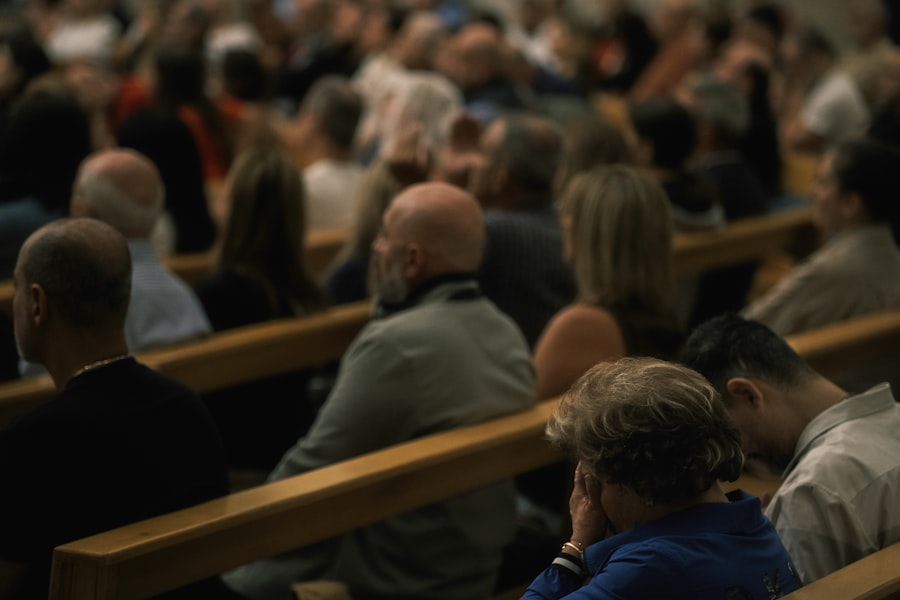
Rituals and traditions hold significant power within spiritual communities, serving as anchors that connect individuals to their beliefs and to one another. You may find that participating in rituals provides a sense of continuity and stability in an ever-changing world. These practices often carry deep historical significance, linking you to generations past while also creating a shared experience with fellow community members.
The act of engaging in rituals can evoke strong emotions, reinforcing your commitment to the community and its values. Additionally, rituals often serve as a means of marking important life events or transitions. Whether it’s a rite of passage, a celebration, or a moment of reflection, these practices help you navigate the complexities of life with a sense of purpose and intention.
You may find comfort in the familiarity of these traditions, as they provide a framework for understanding your experiences within the context of your spiritual beliefs. Through rituals, you not only honor your own journey but also contribute to the collective narrative of the community.
The Impact of Shared Values and Beliefs
Shared values and beliefs form the foundation of any spiritual community, creating a sense of unity among its members. When you align with others who hold similar convictions, it fosters an environment where open dialogue and mutual support can flourish. This alignment can be particularly powerful in times of uncertainty or crisis, as it provides a source of strength and reassurance.
You may find that discussing shared values helps clarify your own beliefs while also deepening your connection with others. Moreover, the impact of shared values extends beyond individual relationships; it shapes the overall culture of the community. You may notice that these common beliefs influence decision-making processes, guiding how members interact with one another and the world at large.
This shared framework can create a sense of accountability, encouraging you to live in accordance with the values upheld by the community. In this way, shared beliefs not only strengthen bonds among members but also cultivate a collective identity that is rooted in purpose and intention.
The Influence of Leadership and Authority
| Metric | Description | Typical Findings | Psychological Impact |
|---|---|---|---|
| Sense of Belonging | Degree to which members feel accepted and connected | High levels reported in spiritual communities | Increased well-being, reduced loneliness |
| Spiritual Well-being | Self-reported spiritual fulfillment and purpose | Elevated compared to non-members | Greater life satisfaction and meaning |
| Social Support | Availability of emotional and practical support | Strong networks within communities | Buffer against stress and mental health issues |
| Identity Integration | Alignment of personal and spiritual identity | Higher identity coherence in members | Improved self-esteem and reduced identity conflict |
| Stress Reduction | Reported decrease in stress levels through practices | Significant reduction via meditation, prayer | Lower anxiety and depression symptoms |
| Community Participation | Frequency of involvement in group activities | Regular participation linked to positive outcomes | Enhanced social skills and emotional resilience |
Leadership plays a pivotal role in shaping the dynamics of spiritual communities. The individuals in positions of authority often set the tone for how members engage with one another and with their beliefs. You may find that effective leaders inspire trust and foster an environment where open communication is encouraged.
Their ability to guide discussions and facilitate connections can significantly impact your experience within the community. A strong leader can help create a safe space for exploration and growth, allowing you to delve deeper into your spirituality. Conversely, leadership can also present challenges when authority figures misuse their power or fail to uphold the community’s values.
You may encounter situations where leaders prioritize their interests over those of the members, leading to feelings of disillusionment or mistrust. It’s essential to remain vigilant about the influence of leadership within spiritual communities, as it can shape not only individual experiences but also the overall health of the community itself. By recognizing both the positive and negative aspects of leadership, you can navigate these dynamics more effectively.
The Dynamics of Group Dynamics

Group dynamics play a crucial role in shaping your experience within spiritual communities. The interactions between members can significantly influence how you perceive yourself and others within the group. You may notice that certain individuals emerge as leaders or influencers while others take on supportive roles.
These dynamics can create a sense of belonging but can also lead to challenges such as competition or exclusion. Understanding these dynamics is essential for fostering healthy relationships within the community. As you engage with others in spiritual settings, it’s important to be aware of how group dynamics can impact your personal growth.
You may find that positive interactions encourage collaboration and support, while negative dynamics can stifle creativity and expression. By actively participating in discussions and being mindful of how you relate to others, you can contribute to a more inclusive environment that nurtures individual growth while strengthening communal bonds.
The Role of Social Support and Connection
Social support is vital for personal well-being, particularly within spiritual communities where connection is often emphasized. You may find that having a network of individuals who share similar beliefs provides emotional support during challenging times. This sense of connection can be incredibly comforting, reminding you that you are not alone in your struggles or triumphs.
Engaging with others who understand your journey can foster resilience and encourage you to explore your spirituality more deeply. Moreover, social support within spiritual communities often extends beyond emotional encouragement; it can also manifest in practical ways. You may find that members come together to offer assistance during difficult times or celebrate significant milestones in each other’s lives.
This collective support reinforces the idea that spirituality is not just an individual pursuit but a shared journey that thrives on collaboration and connection.
The Impact of Spiritual Practices on Mental Health
Engaging in spiritual practices can have profound effects on mental health and well-being. You may find that activities such as meditation, prayer, or communal worship provide a sense of peace and grounding amidst life’s challenges. These practices often encourage mindfulness and self-reflection, allowing you to cultivate a deeper understanding of yourself and your emotions.
As you engage with these spiritual tools, you may notice improvements in your overall mental health, including reduced anxiety and increased resilience. Furthermore, the communal aspect of spiritual practices can enhance their positive impact on mental health. When you participate in group activities such as worship services or meditation sessions, you benefit from the collective energy and support of those around you.
This shared experience can amplify feelings of connection and belonging, further contributing to improved mental well-being. By prioritizing spiritual practices within your life, you not only nurture your own mental health but also strengthen the bonds within your community.
The Challenges of Groupthink and Conformity
While belonging to a spiritual community can be enriching, it also presents challenges such as groupthink and conformity. You may find that the desire for acceptance leads some individuals to suppress their unique perspectives or question their beliefs out of fear of judgment. This phenomenon can stifle creativity and discourage open dialogue within the community.
It’s essential to recognize these dynamics and strive for an environment where diverse opinions are valued rather than dismissed. To combat groupthink, it’s important to cultivate an atmosphere that encourages critical thinking and respectful discourse.
By embracing diversity in thought and expression, you contribute to a healthier dynamic that allows for personal growth while strengthening communal ties.
The Potential for Spiritual Abuse and Manipulation
Unfortunately, spiritual communities are not immune to issues such as abuse and manipulation. You may encounter situations where individuals in positions of authority exploit their power for personal gain or control over others. This potential for spiritual abuse can lead to feelings of disillusionment or betrayal among members who once felt secure within the community.
It’s crucial to remain vigilant about these dynamics and prioritize transparency and accountability within spiritual settings. Recognizing the signs of manipulation is essential for protecting yourself and others from harm. You may find it helpful to establish boundaries and seek support from trusted individuals if you suspect abusive behavior within your community.
By fostering an environment where open communication is encouraged, you contribute to a culture that prioritizes safety and well-being for all members.
The Benefits of Community and Collective Healing
Despite the challenges that may arise within spiritual communities, there are numerous benefits associated with collective healing and support. You may find that coming together with others who share similar experiences fosters a sense of hope and resilience during difficult times. This collective healing process allows individuals to share their stories, learn from one another, and grow together on their spiritual journeys.
Moreover, participating in communal healing practices can amplify their effects on individual well-being. You may discover that engaging in group rituals or support circles creates an environment where vulnerability is embraced rather than feared. This shared experience not only strengthens bonds among members but also cultivates a culture of compassion and understanding within the community.
By prioritizing collective healing efforts, you contribute to an environment where everyone feels valued and supported on their unique paths toward spiritual growth.
In exploring the psychology of spiritual communities, one can gain valuable insights from the article available on Unplugged Psych, which delves into the dynamics and psychological impacts of collective spiritual practices. This resource provides a comprehensive overview of how these communities foster a sense of belonging and personal growth. For more information, you can read the article [here](https://www.unpluggedpsych.com/sample-page/).
WATCH THIS! 🧠 The Enlightenment Trap: Why Toxic Positivity Is Just Fear in a Robe
FAQs
What is the psychology of spiritual communities?
The psychology of spiritual communities studies how individuals’ thoughts, emotions, and behaviors are influenced by their participation in groups centered around shared spiritual or religious beliefs. It explores the social, cognitive, and emotional dynamics within these communities.
Why do people join spiritual communities?
People join spiritual communities for various reasons, including seeking a sense of belonging, emotional support, personal growth, shared values, and meaning in life. These communities often provide social connections and a framework for understanding existential questions.
How do spiritual communities impact mental health?
Participation in spiritual communities can positively impact mental health by providing social support, reducing feelings of isolation, and promoting coping strategies. However, the effects vary depending on the community’s dynamics and individual experiences.
What role does group identity play in spiritual communities?
Group identity is central in spiritual communities, fostering a sense of belonging and shared purpose. It influences members’ self-concept and behavior, often reinforcing group norms and values.
Can spiritual communities influence individual behavior?
Yes, spiritual communities can influence individual behavior through social norms, rituals, and shared beliefs. Members may adopt behaviors that align with the community’s values and expectations.
Are there psychological challenges associated with spiritual communities?
Some individuals may experience psychological challenges such as pressure to conform, exclusion, or conflict between personal beliefs and group norms. It’s important for communities to foster open communication and respect for individual differences.
How do leaders affect the psychology of spiritual communities?
Leaders play a significant role by shaping group norms, providing guidance, and influencing members’ experiences. Effective leadership can enhance community cohesion and individual well-being.
What research methods are used to study the psychology of spiritual communities?
Researchers use qualitative methods like interviews and ethnography, as well as quantitative methods such as surveys and experiments, to study beliefs, behaviors, and social dynamics within spiritual communities.
Can involvement in spiritual communities promote personal growth?
Yes, many individuals report that participation in spiritual communities supports personal growth by encouraging self-reflection, ethical development, and a deeper understanding of life’s purpose.
How do spiritual communities differ across cultures?
Spiritual communities vary widely across cultures in their beliefs, practices, social structures, and psychological impacts, reflecting diverse historical, social, and religious contexts.