
You experience a disconcerting detachment, a feeling that the world around you, or even yourself, has become unreal. This isn’t a fleeting dream or a momentary lapse in focus; it’s the hallmark of Depersonalization-Derealization Disorder (DPDR). You might feel like a passive observer in your own life, watching through a pane of glass, or perceive your surroundings as artificial, like a set in a poorly staged play. Understanding the roots of these peculiar sensations requires delving into the complex landscape of your brain, the intricate biological machinery that crafts your reality. This article aims to illuminate the neuroscience behind DPDR, offering a factual, albeit sometimes metaphorical, exploration of what might be happening within your neural architecture.
The experience of depersonalization, where you feel detached from your own body, thoughts, or emotions, can be profoundly unsettling. It’s as if your sense of self, that stable core you rely on, has fractured. Neuroscientific research points towards disruptions in brain networks responsible for integrating sensory information, emotional processing, and self-awareness.
The Disrupted Mirror Neuron System
One of the key players implicated in depersonalization is the mirror neuron system. These neurons, found in areas like the premotor cortex and inferior parietal lobule, fire both when you perform an action and when you observe someone else performing the same action. They are crucial for empathy, imitation, and understanding the intentions of others, forming a vital part of your social cognition. In DPDR, these neurons might not be firing in their usual synchrony, leading to a muted sense of agency and embodied experience.
- Underactive Connectivity: Imagine your mirror neurons as tiny messengers relaying information about your actions and the actions of others. When this system is underactive or poorly connected, it’s like the messengers are dropping their dispatches, leading to a vague feeling of not being fully in control of your own body or that your actions lack genuine consequence. You might feel that your limbs are moving on their own, or that your feelings are detached from the events that should logically evoke them.
- Reduced Self-Recognition: Studies using fMRI have shown reduced activation in areas associated with self-referential processing when individuals with DPDR observe their own actions. This suggests a breakdown in the brain’s ability to tag experiences as “mine,” contributing to the feeling of being an imposter in your own skin.
The Amygdala and Emotional Numbness
The amygdala, a pair of almond-shaped structures deep within the temporal lobes, is your brain’s emotional processing center. It’s the alarm system, the feeling hub, that tags experiences with emotional significance. During depersonalization, the amygdala’s activity can be altered, leading to a blunting of emotions.
- Dampened Emotional Response: If the amygdala is not effectively signaling the emotional weight of events, your internal world can feel muted, flat, and disengaged. This is often described as anhedonia, the inability to experience pleasure, or a general lack of emotional reactivity, even to stimuli that would typically elicit strong feelings. It’s like having all the color drained from your emotional palette.
- Fight-or-Flight Dysregulation: The amygdala is also intrinsically linked to the body’s fight-or-flight response. In DPDR, this system can become dysregulated, contributing to feelings of anxiety and panic, which in turn can exacerbate the depersonalization experience.
The Insula: The Interoceptive Compass
The insula plays a critical role in interoception, the perception of your internal bodily states – your heartbeat, your gut feelings, your muscle tension. It’s your body’s internal compass, guiding your awareness of your physical self. In DPDR, the insula’s connectivity can be impaired, leading to a diminished awareness of your own physical sensations.
- Disconnected Body Awareness: When the insula’s signals are weakened or fragmented, your connection to your physical being can feel severed. You might feel disconnected from your body, as if it’s a vessel you’re floating above, or that your internal sensations are distant and alien. This can contribute to the strangeness of feeling that your limbs don’t quite belong to you.
For those interested in the neuroscience of depersonalization and derealization, a fascinating article can be found at Unplugged Psych. This resource delves into the underlying mechanisms of these dissociative experiences, exploring how brain function and psychological factors intertwine to create feelings of detachment from oneself and the surrounding environment. The insights provided in this article can enhance our understanding of these complex phenomena and offer valuable perspectives for both researchers and individuals experiencing these symptoms.
The World Through a Distorted Lens: Neural Mechanisms of Derealization
Derealization, the feeling that your external environment is unreal, strange, or distorted, shares some neural underpinnings with depersonalization but also involves distinct pathways. It’s as if the familiar script of reality has been rewritten by an unreliable narrator.
Hippocampus and Memory Integration
The hippocampus, crucial for memory formation and retrieval, also plays a role in spatial navigation and contextualizing our experiences. Disruptions in hippocampal function can contribute to the feeling that familiar environments are somehow alien.
- Fragmented Familiarity: When the hippocampus struggles to seamlessly integrate sensory input with existing memories and contextual information, even well-known places can begin to feel off. It’s like your brain is trying to load a familiar picture, but some of the pixels are glitched, making the whole image look distorted and strange. You might feel your surroundings are artificial or like a movie set because the usual sense of lived history and personal connection to these places is compromised.
- Impaired Novelty Recognition: Conversely, some research suggests that the hippocampus’s ability to signal novelty might also be affected, leading to a blunting of the “wow” factor in new experiences and further contributing to a sense of the world being dull or unreal.
The Default Mode Network (DMN) and Self-Referential Processing
The Default Mode Network (DMN) is a network of brain regions that are active when you are not focused on the outside world and your mind is wandering – thinking about the past, future, or yourself. It’s your internal dialogue generator. In DPDR, alterations in DMN activity are frequently observed.
- Overactive or Malfunctioning DMN: In some cases, the DMN might become hyperactive or dysfunctional, leading to excessive rumination and self-absorption, which can paradoxically detach you from your immediate reality. If the DMN is running on overdrive, it can pull your attention inward so intensely that the outer world seems to fade into a background hum.
- Disrupted Network Integration: More critically, the DMN’s communication with other brain networks, particularly those involved in sensory processing and attention (like the salience network), might be disrupted. This can lead to a decoupling of your internal thoughts and feelings from the external sensory world, resulting in derealization. Imagine the DMN as a conductor trying to lead an orchestra where the musicians (sensory networks) are playing different tunes, creating a cacophony rather than a symphony of reality.
The Role of Sensory Cortices
Areas of the brain responsible for processing sensory information – vision, hearing, touch – also appear to be involved. Subtle alterations in how these areas process incoming data can contribute to the surreal quality of derealization.
- Altered Sensory Gating: Sensory gating is the brain’s ability to filter out irrelevant sensory information to focus on what’s important. In DPDR, this gating mechanism might be impaired, leading to an overwhelming or distorted perception of sensory input. It’s like having the volume dial on your senses turned up too high or set to a strange distortion setting, making the world sound or look “off.”
- Perceptual Distortions: This can manifest as visual distortions (e.g., things appearing flat, blurry, or too sharp), auditory distortions (e.g., sounds seeming distant or muffled), or a general feeling that the physical properties of objects are not what they should be.
The Vicious Cycle: Anxiety, Stress, and Neural Sensitization
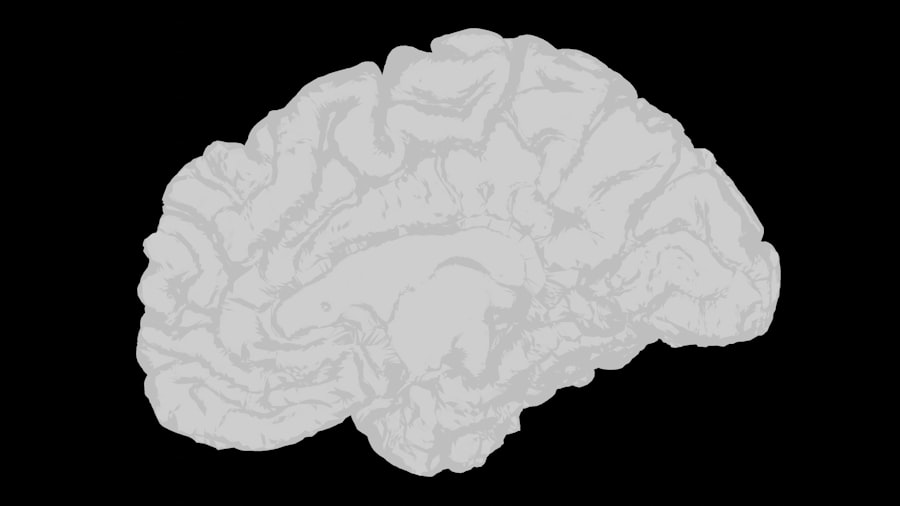
A common thread running through the experience of DPDR is the role of anxiety and stress. These pervasive emotional states can profoundly impact brain function and create a feedback loop that perpetuates the disorder.
The Amygdala-Hypothalamus-Pituitary-Adrenal (HPA) Axis
When you experience stress or anxiety, your body activates the HPA axis, a complex system that regulates your stress response. This involves the hypothalamus releasing hormones that signal the pituitary gland, which in turn tells the adrenal glands to release cortisol, the primary stress hormone. Chronic stress can lead to dysregulation of this axis.
- Chronically Elevated Cortisol: Persistent high levels of cortisol can have detrimental effects on brain regions involved in mood regulation, memory, and self-awareness, including the hippocampus and prefrontal cortex. This can create a neurochemical environment conducive to DPDR.
- Amygdala Hyperactivity: Chronic stress can lead to a sensitized amygdala, making it more reactive to perceived threats, even when no real threat exists. This heightened state of alertness can contribute to the feelings of unease and detachment associated with DPDR, as the brain is stuck in a perpetual state of vigilance, often disconnected from the actual environment.
Prefrontal Cortex (PFC) and Executive Function Deficits
The prefrontal cortex, located at the front of your brain, is responsible for higher-level cognitive functions like planning, decision-making, and emotional regulation. It acts as the executive director of your brain, keeping things in line. In DPDR, the PFC’s ability to regulate emotions and integrate information can be compromised.
- Impaired Emotion Regulation: When the PFC is not functioning optimally, it struggles to dampen the alarm signals from the amygdala, leading to a persistent feeling of anxiety. This difficulty in regulating emotions can exacerbate the sense of detachment, as you struggle to gain control over your internal state.
- Reduced Cognitive Flexibility: Stress can also reduce cognitive flexibility, making it harder for you to shift your attention or adapt to changing circumstances. This can make it difficult to break free from the ruminative thought patterns that can sustain DPDR.
Trauma and the Brain: A Sensitive System

Trauma, particularly childhood trauma, is a significant risk factor for developing DPDR. The brain’s response to overwhelming experiences can leave lasting imprints on neural circuits, making them more vulnerable to dissociation.
The Developing Brain and Stress Response
The developing brain is particularly sensitive to the impact of trauma. Early life stress can alter the structure and function of the amygdala, hippocampus, and PFC, leading to a persistently heightened stress response.
- Erosion of Safety Signals: Trauma can disrupt the brain’s ability to differentiate between safe and unsafe environments, leading to a generalized sense of hypervigilance. This can feel like your internal alarm system is permanently set to “on,” even when you are physically safe.
- Dissociation as a Survival Mechanism: In the face of overwhelming trauma, dissociation can serve as a protective mechanism, allowing the individual to emotionally detach from unbearable experiences. While adaptive in the moment, this mechanism can become maladaptive later in life, leading to the chronic symptoms of DPDR. Think of it as your brain building a temporary emergency exit during a crisis, and then finding that exit permanently blocked by the storm.
Alterations in Threat Detection Networks
Trauma can lead to a recalibration of threat detection networks in the brain. This means that individuals with a history of trauma may be more likely to perceive neutral stimuli as threatening, further contributing to anxiety and the experience of depersonalization and derealization.
Recent studies in the neuroscience of depersonalization and derealization have shed light on how these phenomena affect individuals’ perception of reality and self. For those interested in exploring this topic further, a related article discusses the underlying mechanisms and potential therapeutic approaches to these dissociative experiences. You can read more about it in this insightful piece on unplugged psychology, which delves into the complexities of the human mind and its responses to stress and trauma.
Pharmacological and Therapeutic Interventions: Rewiring the Brain
| Metric | Description | Findings in Depersonalization/Derealization | Relevant Brain Regions |
|---|---|---|---|
| Functional Connectivity | Degree of synchronized activity between brain regions | Reduced connectivity between prefrontal cortex and limbic areas | Prefrontal cortex, amygdala, insula |
| Gray Matter Volume | Volume of neuronal cell bodies in specific brain areas | Decreased gray matter volume in anterior cingulate cortex and insula | Anterior cingulate cortex, insula |
| Autonomic Nervous System Activity | Physiological arousal measured by heart rate variability and skin conductance | Blunted autonomic responses to emotional stimuli | Hypothalamus, brainstem |
| Electroencephalography (EEG) Patterns | Brain wave activity patterns | Increased alpha power in frontal regions indicating cortical inhibition | Frontal cortex |
| Neurotransmitter Levels | Concentration of chemicals like serotonin, glutamate | Altered glutamate and serotonin signaling implicated in symptomatology | Various cortical and subcortical regions |
| Emotional Processing | Ability to perceive and respond to emotional stimuli | Impaired emotional recognition and reduced amygdala activation | Amygdala, prefrontal cortex |
Understanding the neurobiology of DPDR is crucial for developing effective treatments. While medication can play a role, psychotherapy is often the cornerstone of recovery, aiming to help you re-establish healthy neural connections and reduce distress.
Pharmacological Approaches: Modulating Neurotransmitters
While there is no single medication specifically for DPDR, certain classes of drugs can help manage co-occurring symptoms like anxiety and depression, which in turn can alleviate DPDR.
- Selective Serotonin Reuptake Inhibitors (SSRIs): These antidepressants work by increasing the availability of serotonin in the brain, a neurotransmitter involved in mood regulation. By improving mood and reducing anxiety, SSRIs can indirectly help to alleviate DPDR symptoms.
- Other Antidepressants and Anxiolytics: Other classes of antidepressants and anti-anxiety medications may also be prescribed depending on your specific symptoms and needs. The goal is to create a more stable neurochemical environment, allowing your brain to begin the process of healing.
Psychotherapeutic Interventions: Rebuilding Connections
Therapy aims to help you understand the underlying mechanisms of your DPDR, develop coping strategies, and gradually re-engage with your internal and external world.
- Cognitive Behavioral Therapy (CBT): CBT helps you identify and challenge negative thought patterns and beliefs that contribute to DPDR. It can equip you with tools to manage anxiety and gradually reduce your avoidance behaviors.
- Dialectical Behavior Therapy (DBT): DBT focuses on mindfulness, distress tolerance, emotion regulation, and interpersonal effectiveness. These skills can be particularly helpful in managing the overwhelming emotions and sensory distortions associated with DPDR.
- Exposure Therapy: Gradually exposing yourself to situations or sensations that trigger your DPDR in a safe and controlled therapeutic environment can help your brain learn that these experiences are not inherently dangerous. This is like taking small, controlled steps back into a room you’ve been avoiding for a long time, proving to yourself that it’s safe to be there.
- Mindfulness-Based Therapies: These approaches emphasize present-moment awareness, helping you to observe your thoughts, feelings, and sensations without judgment. This can be a powerful tool in reconnecting with your internal experience and reducing the sense of detachment.
By understanding the complex interplay of neural networks and biological processes that contribute to your experience of depersonalization and derealization, you can begin to approach your condition with a sense of informed agency. While the journey may be challenging, the growing body of neuroscientific research offers hope for more targeted and effective interventions, guiding you toward a more grounded and authentic experience of yourself and the world around you.
FAQs
What is depersonalization-derealization disorder?
Depersonalization-derealization disorder (DPDR) is a dissociative condition characterized by persistent or recurrent feelings of detachment from oneself (depersonalization) and/or the surrounding environment (derealization). Individuals may feel as if they are observing themselves from outside their body or that the world around them is unreal.
What brain areas are involved in depersonalization and derealization?
Neuroscientific research suggests that depersonalization and derealization involve altered activity in brain regions responsible for self-awareness and emotional processing, including the prefrontal cortex, anterior cingulate cortex, insula, and temporoparietal junction. These areas help integrate sensory information and emotional responses, and disruptions may contribute to the symptoms.
How does neuroscience explain the symptoms of depersonalization-derealization?
Neuroscience indicates that depersonalization-derealization symptoms may result from a disconnection between brain regions that process emotional experiences and those that generate conscious awareness of the self. This can lead to a feeling of emotional numbing and a sense of unreality, as the brain suppresses emotional responses to reduce distress.
Are there any neurochemical factors linked to depersonalization-derealization?
Yes, neurochemical imbalances involving neurotransmitters such as serotonin, glutamate, and gamma-aminobutyric acid (GABA) have been implicated in depersonalization-derealization. These chemicals influence mood, perception, and anxiety, and their dysregulation may contribute to the disorder’s symptoms.
Can brain imaging techniques help diagnose or understand depersonalization-derealization?
Brain imaging methods like functional magnetic resonance imaging (fMRI) and positron emission tomography (PET) have been used to study depersonalization-derealization. These techniques reveal altered brain activity patterns in affected individuals, helping researchers understand the neural mechanisms underlying the disorder, though they are not currently used as diagnostic tools in clinical practice.