
Recognizing spiritual avoidance patterns is the first step toward understanding your relationship with spirituality. You may find yourself engaging in behaviors that distract you from deeper spiritual exploration, such as excessive busyness, constant entertainment, or even cynicism towards spiritual practices. These patterns often manifest as a reluctance to engage in activities that promote self-reflection or connection with your inner self.
You might notice that when faced with opportunities for spiritual growth, you instinctively retreat into familiar routines or dismiss the importance of such experiences. As you begin to identify these avoidance patterns, it’s essential to reflect on how they affect your daily life. You may feel a sense of emptiness or disconnection, even amidst moments of joy or success.
By acknowledging these patterns, you open the door to understanding the underlying fears or beliefs that drive your avoidance. This recognition is not about self-judgment but rather an invitation to explore your spiritual landscape with curiosity and compassion.
Key Takeaways
- Spiritual avoidance can negatively affect mental and emotional health by preventing genuine self-awareness.
- Root causes of spiritual avoidance often include fear, limiting beliefs, and unresolved emotional pain.
- Spiritual avoidance is closely linked to self-sabotage, hindering personal growth and healing.
- Overcoming spiritual avoidance requires self-awareness, acceptance, and embracing vulnerability.
- Therapy, mindfulness, and authentic spiritual practices support healing and foster a balanced spiritual relationship.
Understanding the Impact of Spiritual Avoidance on Mental and Emotional Well-being
The impact of spiritual avoidance on your mental and emotional well-being can be profound. When you sidestep spiritual exploration, you may inadvertently create a void in your life that can lead to feelings of anxiety, depression, or a general sense of dissatisfaction. You might find that without a connection to something greater than yourself, life can feel mundane or overwhelming.
This lack of spiritual engagement can manifest as emotional turbulence, where you struggle to find meaning or purpose in your experiences. Moreover, spiritual avoidance can lead to a cycle of self-doubt and insecurity. You may question your worthiness or feel disconnected from your true self, leading to a diminished sense of self-esteem.
The longer you avoid confronting these feelings, the more entrenched they can become, creating a barrier to emotional healing and growth. Understanding this impact is crucial; it allows you to recognize that your spiritual journey is not just about belief systems but also about nurturing your mental and emotional health.
Exploring the Root Causes of Spiritual Avoidance

To effectively address spiritual avoidance, it’s important to explore its root causes. Often, these roots are deeply embedded in past experiences, cultural conditioning, or personal beliefs. You may have grown up in an environment where spirituality was dismissed or ridiculed, leading you to internalize the notion that exploring these aspects of life is unnecessary or even foolish.
Alternatively, traumatic experiences may have caused you to associate spirituality with pain or disappointment, prompting you to avoid it altogether. Additionally, fear plays a significant role in spiritual avoidance. You might fear vulnerability or the unknown aspects of your spiritual journey.
This fear can stem from a desire to maintain control over your life or a reluctance to confront uncomfortable truths about yourself. By delving into these root causes, you can begin to unravel the complexities of your relationship with spirituality and understand why you may have built walls around this part of your life.
The Connection Between Spiritual Avoidance and Self-sabotage
Spiritual avoidance is often intricately linked to self-sabotage. You may find yourself engaging in behaviors that undermine your spiritual growth, such as procrastination or negative self-talk. This self-sabotage can manifest as a reluctance to commit to practices that foster spiritual connection, like meditation or journaling.
Instead of embracing these opportunities for growth, you might choose distractions that keep you from facing your inner self. This connection between avoidance and self-sabotage can create a vicious cycle. As you avoid spiritual exploration, feelings of guilt or shame may arise, leading you to further sabotage your efforts to reconnect with your spirituality.
Recognizing this pattern is crucial; it allows you to break free from the cycle and take proactive steps toward nurturing your spiritual self. By acknowledging the ways in which you may be holding yourself back, you empower yourself to make choices that align with your true desires for growth and connection.
Overcoming Spiritual Avoidance through Self-awareness and Acceptance
| Spiritual Avoidance Pattern | Description | Common Behaviors | Potential Impact | Suggested Approach |
|---|---|---|---|---|
| Emotional Bypassing | Using spiritual beliefs to avoid facing unresolved emotional issues. | Ignoring feelings, overusing positive affirmations, dismissing pain. | Emotional repression, delayed healing, superficial spirituality. | Practice emotional awareness and integrate feelings with spiritual practice. |
| Spiritual Narcissism | Using spirituality to boost ego and feel superior to others. | Judging others, self-righteousness, seeking admiration for spiritual status. | Isolation, damaged relationships, stagnation in personal growth. | Cultivate humility and compassion; focus on service rather than status. |
| Over-Intellectualization | Relying solely on intellectual understanding to avoid deeper spiritual experience. | Excessive theorizing, avoiding meditation or emotional connection. | Disconnection from intuition and inner wisdom, spiritual stagnation. | Balance study with experiential practices like meditation and mindfulness. |
| Escapism | Using spiritual practices to avoid real-life responsibilities or challenges. | Excessive retreating, neglecting daily life, avoiding conflict. | Unresolved life issues, lack of personal growth, social withdrawal. | Integrate spirituality with practical life and face challenges mindfully. |
| Dependency on Spiritual Authority | Relying excessively on spiritual teachers or texts to avoid personal discernment. | Blind obedience, lack of critical thinking, fear of questioning. | Loss of personal empowerment, vulnerability to manipulation. | Develop personal insight and question teachings respectfully. |
Overcoming spiritual avoidance begins with cultivating self-awareness and acceptance. You must first acknowledge your patterns without judgment, allowing yourself the space to explore why you engage in avoidance behaviors. This process requires honesty and vulnerability; it’s about facing the parts of yourself that may feel uncomfortable or unworthy.
As you develop this awareness, you can start to identify triggers that lead to avoidance and recognize the emotions associated with them. Acceptance is equally important in this journey. You may need to accept that it’s okay to feel lost or uncertain about your spirituality.
Embracing these feelings without resistance allows you to move through them rather than around them. By practicing self-compassion, you create an environment where growth can flourish. This acceptance doesn’t mean resigning yourself to avoidance; rather, it’s about acknowledging where you are on your journey and committing to take small steps toward reconnecting with your spiritual self.
Healing from Spiritual Avoidance: Steps to Reconnect with Your Spiritual Self
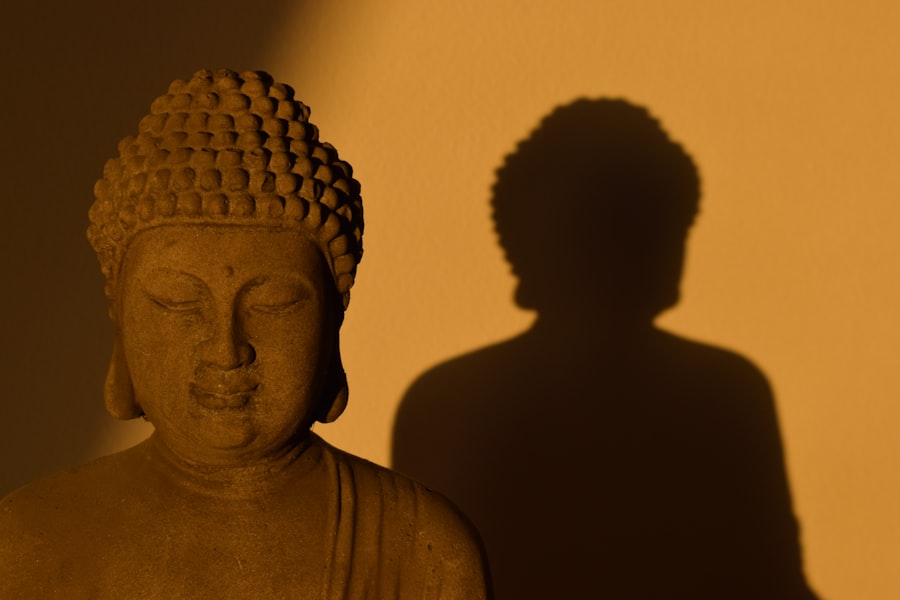
Healing from spiritual avoidance involves taking intentional steps toward reconnecting with your spiritual self. One effective approach is to establish a regular practice that encourages reflection and exploration. This could be through journaling, meditation, or spending time in nature—activities that allow you to slow down and tune into your inner voice.
As you engage in these practices consistently, you may begin to notice shifts in your perspective and a growing sense of connection. Another vital step is seeking out communities or resources that resonate with your spiritual beliefs. Surrounding yourself with like-minded individuals can provide support and encouragement as you navigate your journey.
Whether through workshops, online forums, or local groups, connecting with others who share similar interests can help reinforce your commitment to overcoming avoidance patterns. Remember that healing is not a linear process; it’s okay to take one step at a time and honor your unique path.
The Role of Therapy and Support in Addressing Spiritual Avoidance Patterns
Therapy can play a significant role in addressing spiritual avoidance patterns. A trained professional can help you explore the underlying issues contributing to your avoidance while providing tools and strategies for growth. In a safe and supportive environment, you can delve into past experiences that may have shaped your beliefs about spirituality and work through any emotional barriers that arise.
Support from friends, family, or spiritual communities can also be invaluable during this process.
Whether through group therapy sessions or informal discussions with trusted individuals, having a support system can help reinforce your commitment to overcoming avoidance and embracing a more fulfilling spiritual journey.
Cultivating Mindfulness and Presence to Counteract Spiritual Avoidance
Cultivating mindfulness and presence is essential in counteracting spiritual avoidance. Mindfulness encourages you to be fully present in each moment, allowing you to connect with your thoughts and feelings without judgment. By practicing mindfulness techniques—such as deep breathing exercises or guided meditations—you create space for self-reflection and awareness of any avoidance tendencies that arise.
Being present also helps you appreciate the beauty of everyday experiences, fostering a deeper connection with the world around you. As you cultivate mindfulness, you may find it easier to engage in spiritual practices without feeling overwhelmed by distractions or fears. This presence allows for a more authentic exploration of spirituality, enabling you to embrace both the light and shadow aspects of your journey.
Breaking Free from Limiting Beliefs and Fear-based Spiritual Avoidance
Breaking free from limiting beliefs is crucial in overcoming fear-based spiritual avoidance. You may hold beliefs that tell you spirituality is only for certain people or that exploring it will lead to discomfort or upheaval in your life. These beliefs can create barriers that prevent you from fully engaging with your spiritual self.
To dismantle these limiting beliefs, it’s essential to challenge them actively; ask yourself where they originated and whether they truly serve you. As you confront these fears head-on, consider reframing them into empowering affirmations that encourage exploration rather than avoidance. For instance, instead of thinking “I’m not worthy of spiritual growth,” try affirming “I am open to discovering my unique spiritual path.” This shift in mindset can help liberate you from the constraints of fear-based thinking and allow for a more expansive view of what spirituality means for you.
Nurturing a Healthy and Balanced Relationship with Spirituality
Nurturing a healthy and balanced relationship with spirituality involves integrating it into your daily life in meaningful ways. This doesn’t mean adhering strictly to specific practices but rather finding what resonates with you personally. You might explore various traditions or philosophies until something feels authentic and fulfilling.
The key is to approach spirituality as an evolving journey rather than a destination. Balance is also essential; it’s important not to overwhelm yourself with expectations or rigid structures around your spiritual practice. Allow yourself the freedom to explore different avenues without pressure or judgment.
By nurturing this relationship with curiosity and openness, you create an environment where spirituality can flourish naturally alongside other aspects of your life.
Embracing Vulnerability and Authenticity in Spiritual Exploration
Embracing vulnerability and authenticity is vital in your spiritual exploration journey. Allowing yourself to be vulnerable means acknowledging your fears, doubts, and uncertainties without fear of judgment—both from yourself and others. This openness creates space for genuine exploration; when you let go of the need for perfection or certainty, you invite deeper insights into your spiritual path.
Authenticity goes hand-in-hand with vulnerability; it encourages you to honor your unique beliefs and experiences rather than conforming to external expectations. As you embrace both qualities, you may find that your spiritual journey becomes richer and more fulfilling. This authenticity allows for deeper connections with others who resonate with your truth while fostering a sense of belonging within yourself as well.
In conclusion, recognizing and addressing spiritual avoidance patterns is an essential part of nurturing a fulfilling relationship with spirituality. By understanding its impact on mental and emotional well-being, exploring root causes, and embracing vulnerability, you empower yourself on this transformative journey toward reconnection with your spiritual self.
Spiritual avoidance patterns can often manifest as a way to escape uncomfortable emotions or situations, leading individuals to disengage from their spiritual practices. For a deeper understanding of this concept, you can explore the article on spiritual bypassing, which delves into how these avoidance mechanisms can hinder personal growth and emotional healing. To read more about this topic, visit this article.
WATCH THIS! The Spiritual Bypass Is Just Narcissism in a Lululemon Shirt
FAQs
What is spiritual avoidance?
Spiritual avoidance refers to the tendency to use spiritual beliefs or practices to evade dealing with difficult emotions, personal issues, or psychological challenges. Instead of confronting problems directly, individuals may use spirituality as a way to escape or suppress uncomfortable feelings.
What are common patterns of spiritual avoidance?
Common patterns include excessive meditation or prayer to avoid facing reality, using spiritual jargon to dismiss others’ concerns, denying negative emotions by focusing only on positive affirmations, and relying on spiritual explanations to avoid personal responsibility.
How can spiritual avoidance affect personal growth?
Spiritual avoidance can hinder personal growth by preventing individuals from addressing underlying emotional or psychological issues. It may lead to unresolved trauma, increased anxiety, or a disconnection from authentic self-awareness.
Is spiritual avoidance the same as genuine spirituality?
No, spiritual avoidance differs from genuine spirituality. While genuine spirituality involves self-awareness, acceptance, and growth, spiritual avoidance uses spiritual practices as a defense mechanism to avoid facing real-life challenges.
How can someone recognize if they are engaging in spiritual avoidance?
Signs include feeling emotionally numb despite spiritual practices, using spirituality to justify avoiding difficult conversations or decisions, dismissing negative emotions as “not spiritual,” and relying heavily on spiritual beliefs to escape reality rather than engage with it.
Can spiritual avoidance be overcome?
Yes, overcoming spiritual avoidance involves developing emotional awareness, seeking therapy or counseling if needed, integrating spirituality with psychological healing, and learning to face challenges directly while maintaining a balanced spiritual practice.
What role do therapists or counselors play in addressing spiritual avoidance?
Therapists can help individuals identify patterns of spiritual avoidance, explore underlying emotional issues, and develop healthier coping strategies that integrate both psychological and spiritual well-being.
Is spiritual avoidance common in certain spiritual or religious communities?
Spiritual avoidance can occur in any community but may be more prevalent in environments where there is strong emphasis on positivity, perfectionism, or rigid spiritual beliefs that discourage expressing negative emotions or doubts.