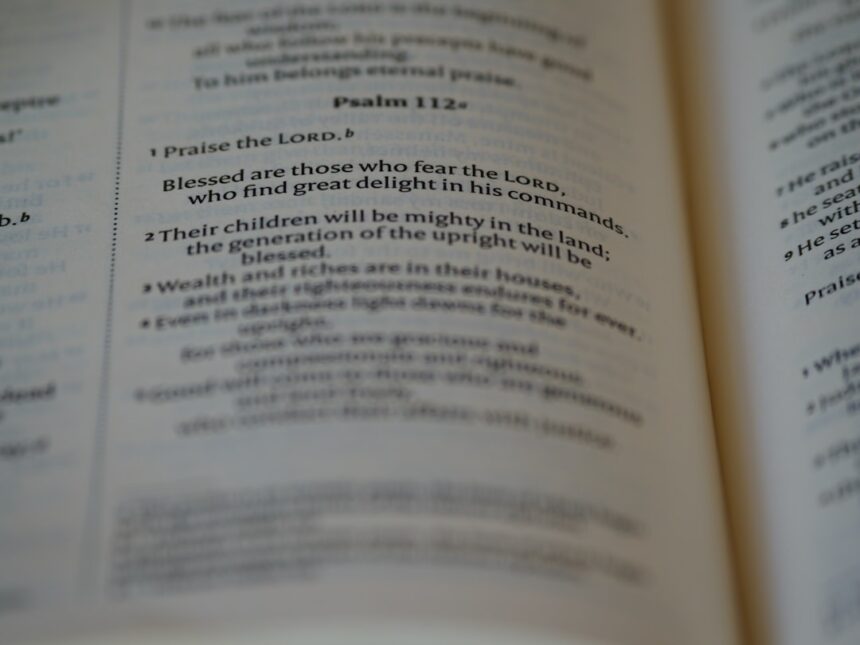
Religious and spiritual problems represent a significant category of psychological distress that affects individuals across diverse backgrounds and belief systems. These issues occur when people experience conflicts related to their faith, spiritual practices, or existential beliefs, often manifesting during periods of personal crisis, major life transitions, or when confronting fundamental questions about meaning and purpose. Research indicates that religious and spiritual struggles can significantly impact mental health outcomes, influencing depression, anxiety, and overall psychological well-being.
Common manifestations include questioning previously held beliefs, experiencing doubt about religious teachings, feeling abandoned by a higher power, or encountering conflicts between personal spiritual experiences and institutional religious doctrine. Additionally, individuals may struggle with guilt related to religious transgressions, difficulty reconciling scientific understanding with religious beliefs, or challenges integrating spiritual practices into daily life. These problems are not confined to specific religious traditions or denominations.
Studies show that individuals from various faith backgrounds, including Christianity, Islam, Judaism, Buddhism, Hinduism, and other spiritual traditions, as well as those identifying as agnostic or exploring spirituality outside organized religion, can experience similar types of religious and spiritual distress. Mental health professionals increasingly recognize the importance of addressing these concerns through culturally competent and spiritually integrated therapeutic approaches that respect clients’ religious and spiritual frameworks while providing effective psychological intervention.
Key Takeaways
- Religious and spiritual problems are recognized as important factors influencing mental health and are included in DSM-5.
- Cultural context plays a crucial role in understanding and assessing religious and spiritual issues.
- Accurate diagnosis requires distinguishing between spiritual experiences and mental disorders.
- Treatment approaches often integrate psychological and spiritual care tailored to individual beliefs.
- Ongoing research and ethical considerations guide best practices in addressing religious and spiritual concerns.
History of Religious and Spiritual Issues in DSM-5
The Diagnostic and Statistical Manual of Mental Disorders (DSM-5) has evolved significantly over the years, reflecting changing societal attitudes toward mental health and spirituality. Historically, religious beliefs were often pathologized, with any deviation from normative practices viewed as a potential mental disorder. However, as you delve into the history of the DSM, you will notice a gradual shift toward a more nuanced understanding of the role that religion and spirituality play in mental health.
In the latest edition, the DSM-5 acknowledges that while certain religious experiences can be indicative of mental health issues, many are simply expressions of deeply held beliefs. This recognition marks a significant departure from earlier editions that often conflated spirituality with psychopathology. The DSM-5 now includes specific criteria for diagnosing religious and spiritual problems, allowing for a more balanced approach that respects individual beliefs while also addressing potential mental health concerns.
Definitions and Criteria for Religious and Spiritual Problems

When discussing religious and spiritual problems, it is crucial to establish clear definitions that encompass the complexities of these issues. You might find it helpful to think of religious problems as those that arise from conflicts within organized belief systems—such as struggles with doctrine or community acceptance—while spiritual problems may relate more to personal existential questions or crises of meaning. The DSM-5 provides criteria for diagnosing conditions like Religious Delusions or Spiritual Crisis, which can help clarify when these issues may require professional intervention.
For instance, if you experience distressing thoughts that challenge your core beliefs or lead to significant impairment in daily functioning, it may be time to seek help. The criteria outlined in the DSM-5 serve as a guideline for mental health professionals to assess whether your experiences are symptomatic of a broader issue or simply part of a normal spiritual exploration. Understanding these definitions can empower you to articulate your concerns more effectively when seeking support.
Cultural Considerations in Religious and Spiritual Issues
Cultural context plays a pivotal role in shaping your understanding of religious and spiritual problems. Different cultures have unique beliefs and practices that influence how individuals experience spirituality and mental health. For example, in some cultures, communal rituals and collective beliefs may provide a strong support system during times of crisis, while in others, individual spirituality may be emphasized.
Recognizing these cultural dimensions is essential for both you and mental health professionals when addressing religious and spiritual issues. As you reflect on your own cultural background, consider how it informs your beliefs and experiences. Are there specific rituals or practices that bring you comfort?
Do societal expectations create tension between your personal beliefs and those of your community? By exploring these questions, you can gain deeper insights into how cultural factors shape your spiritual journey and mental health.
The Role of Religion and Spirituality in Mental Health
| Metric | Description | Example | Relevance |
|---|---|---|---|
| DSM-5 Code | Identifier for Religious or Spiritual Problem | V62.89 | Used for diagnostic classification |
| Definition | Distress or impairment related to religious or spiritual issues | Conflict with beliefs, loss of faith, spiritual struggles | Helps clinicians identify non-psychiatric spiritual problems |
| Common Presenting Issues | Types of problems reported | Loss of faith, guilt over religious beliefs, spiritual crisis | Guides therapeutic approach |
| Prevalence | Estimated occurrence in clinical populations | Varies; up to 10-15% in mental health settings | Indicates frequency of spiritual problems in patients |
| Assessment Tools | Instruments used to evaluate spiritual problems | Religious Coping Scale, Spiritual Well-Being Scale | Supports diagnosis and treatment planning |
| Treatment Approaches | Interventions addressing spiritual distress | Spiritual counseling, integration of faith in therapy | Improves patient outcomes by addressing spiritual needs |
Religion and spirituality can serve as powerful tools for coping with life’s challenges. You may find solace in prayer, meditation, or community gatherings that foster a sense of belonging and purpose. Research has shown that individuals who engage in religious or spiritual practices often report lower levels of anxiety and depression, suggesting that these elements can play a protective role in mental health.
However, it is essential to recognize that this relationship is complex; while spirituality can be a source of strength, it can also lead to conflict when beliefs are challenged or when individuals feel alienated from their communities. As you explore the role of religion and spirituality in your own life, consider how these elements contribute to your overall well-being. Are there specific practices that help you cope with stress?
Do you find comfort in community support? By identifying the positive aspects of your spiritual life, you can harness these strengths to navigate challenges more effectively.
Assessment and Diagnosis of Religious and Spiritual Problems
When it comes to assessing religious and spiritual problems, mental health professionals must adopt a sensitive and informed approach. You may encounter assessments that include questions about your beliefs, practices, and any conflicts you may be experiencing. It is essential for clinicians to create a safe space where you feel comfortable discussing these deeply personal topics without fear of judgment.
The assessment process often involves exploring the impact of your religious or spiritual beliefs on your mental health. Are your beliefs providing support during difficult times, or are they contributing to feelings of guilt or shame? By engaging in open dialogue with a mental health professional who understands the nuances of spirituality, you can gain clarity on your experiences and identify potential pathways for healing.
Treatment Approaches for Religious and Spiritual Issues
Treatment approaches for addressing religious and spiritual problems can vary widely depending on individual needs and preferences. You may find that traditional therapeutic modalities like cognitive-behavioral therapy (CBT) are effective in addressing specific thought patterns related to your beliefs. Alternatively, some individuals benefit from integrating spiritual practices into their treatment plans, such as mindfulness meditation or guided imagery that aligns with their faith.
It is crucial to work collaboratively with your therapist to develop a treatment plan that respects your beliefs while also addressing any mental health concerns. This may involve exploring how your spirituality can be a source of strength during therapy or identifying any barriers that prevent you from fully engaging with your faith. By tailoring treatment to your unique needs, you can foster a more holistic approach to healing.
Ethical Considerations in Addressing Religious and Spiritual Problems
Ethical considerations are paramount when addressing religious and spiritual problems in therapy. As you engage with mental health professionals, it is essential to ensure that they respect your beliefs and do not impose their own values onto you. Informed consent is critical; you should feel empowered to discuss how your spirituality intersects with your mental health without fear of being judged or misunderstood.
Additionally, therapists must navigate the delicate balance between supporting clients’ spiritual journeys while also addressing any harmful beliefs or practices that may contribute to distress. This requires sensitivity and an understanding of the complexities involved in faith-based issues.
Research and Future Directions in Understanding Religious and Spiritual Issues
The field of psychology continues to evolve as researchers explore the intricate relationship between religion, spirituality, and mental health. You may find it encouraging that studies increasingly highlight the positive effects of spiritual practices on well-being while also acknowledging the potential for conflict when beliefs are challenged. Future research will likely delve deeper into how different cultural contexts shape these experiences and how mental health professionals can best support individuals navigating religious and spiritual issues.
As new findings emerge, it is essential for both practitioners and clients like yourself to stay informed about developments in this area. Engaging with current literature can provide valuable insights into effective treatment approaches while also fostering a greater understanding of how spirituality intersects with mental health.
Case Studies and Examples of Religious and Spiritual Problems
Examining case studies can provide valuable insights into how religious and spiritual problems manifest in real-life situations. For instance, consider an individual who experiences anxiety stemming from conflicting beliefs about their faith after coming out as LGBTQ+. This person may struggle with feelings of isolation from their religious community while also grappling with their identity.
Through therapy that respects their spirituality while addressing their mental health needs, they can begin to reconcile these conflicts. Another example might involve someone who has lost a loved one and finds themselves questioning their faith as they navigate grief. This individual may benefit from exploring their feelings about loss within the context of their beliefs while also seeking support from both mental health professionals and their faith community.
These case studies illustrate the diverse ways in which religious and spiritual problems can arise and highlight the importance of tailored approaches to treatment.
Resources and Support for Individuals with Religious and Spiritual Concerns
If you find yourself grappling with religious or spiritual concerns, numerous resources are available to support you on your journey. Many communities offer support groups specifically designed for individuals navigating faith-related issues, providing a safe space for sharing experiences and finding solace among others who understand your struggles. Additionally, online platforms offer forums where you can connect with others facing similar challenges.
Mental health professionals who specialize in integrating spirituality into therapy can also be invaluable resources. Look for therapists who openly discuss their approach to spirituality during initial consultations; this transparency can help ensure that you find someone who aligns with your values. By seeking out these resources, you can cultivate a supportive network that empowers you to address your religious and spiritual concerns effectively.
In conclusion, navigating religious and spiritual problems is a deeply personal journey that requires sensitivity, understanding, and support. By exploring the historical context, definitions, cultural considerations, treatment approaches, ethical implications, research developments, case studies, and available resources related to these issues, you can empower yourself to seek healing while honoring your beliefs. Whether through self-reflection or professional guidance, embracing this journey can lead to profound personal growth and enhanced well-being.
In exploring the complexities of religious or spiritual problems as outlined in the DSM-5, it is essential to consider various perspectives and resources. One insightful article that delves into this topic is available on Unplugged Psych, which discusses the implications of spiritual issues on mental health. You can read more about it in their article here: Religious and Spiritual Problems in DSM-5.
FAQs
What is a DSM-5 religious or spiritual problem?
A DSM-5 religious or spiritual problem refers to difficulties related to an individual’s religious or spiritual beliefs that may cause distress or impairment. It is recognized in the Diagnostic and Statistical Manual of Mental Disorders, Fifth Edition (DSM-5), under the category of “Other Conditions That May Be a Focus of Clinical Attention.”
How does the DSM-5 define a religious or spiritual problem?
The DSM-5 defines a religious or spiritual problem as a condition involving distress or dysfunction related to religious or spiritual beliefs or practices. This can include struggles with faith, conflicts with religious communities, or existential crises that impact mental health.
Is a religious or spiritual problem considered a mental disorder in DSM-5?
No, a religious or spiritual problem is not classified as a mental disorder in the DSM-5. Instead, it is listed as a condition that may be relevant to clinical attention and may coexist with mental disorders or contribute to psychological distress.
What are some examples of religious or spiritual problems recognized by DSM-5?
Examples include distress related to loss of faith, conflicts between personal beliefs and cultural or familial expectations, spiritual struggles during illness, or feelings of guilt or punishment related to religious beliefs.
How can clinicians address religious or spiritual problems in therapy?
Clinicians can address these problems by respectfully exploring the individual’s beliefs, understanding the role of spirituality in their life, and integrating culturally sensitive approaches. Referral to spiritual counselors or collaboration with religious leaders may also be beneficial.
Why is it important to recognize religious or spiritual problems in mental health care?
Recognizing these problems is important because they can significantly impact an individual’s well-being and coping mechanisms. Addressing them can improve therapeutic outcomes and provide holistic care that respects the person’s values and beliefs.
Can religious or spiritual problems contribute to mental health symptoms?
Yes, unresolved religious or spiritual conflicts can contribute to symptoms such as anxiety, depression, or existential distress. However, these problems themselves are not classified as mental disorders but may influence mental health.
Are religious or spiritual problems common in clinical settings?
Yes, many individuals experience religious or spiritual concerns that affect their mental health. Clinicians are encouraged to assess these issues as part of a comprehensive evaluation.
Does the DSM-5 provide specific diagnostic criteria for religious or spiritual problems?
No, the DSM-5 does not provide specific diagnostic criteria for religious or spiritual problems. Instead, it includes them as conditions that may warrant clinical attention without defining them as disorders.
How can patients benefit from discussing religious or spiritual problems with their healthcare providers?
Discussing these problems can help patients feel understood and supported, reduce distress, and integrate their beliefs into coping strategies, leading to improved mental health and quality of life.