
You are an INFJ. This label, often associated with a deep well of empathy, a drive for meaning, and a complex inner world, hints at a personality type that navigates the world in a unique way. You might find yourself feeling profoundly connected to others, yet simultaneously experiencing moments of intense inner solitude. You likely possess a strong sense of intuition, a desire for authenticity, and a tendency to champion causes you believe in. However, beneath this surface of perceived sensitivity and insight, you might also grapple with internal fragmentation, a phenomenon often described in psychological circles as structural dissociation.
This article delves into the neurobiological underpinnings of this internal fragmentation, specifically as it can manifest within the INFJ personality. It’s crucial to understand that “dissociation” doesn’t necessarily imply a disorder, but rather a spectrum of experience. For INFJs, this can manifest as a profound inner compartmentalization, where different aspects of your identity, emotions, and memories may feel distinct, even disconnected. You might experience shifts in your sense of self, a feeling of observing your own life from a distance, or a struggle to fully integrate your emotional experiences. Understanding the “why” behind these experiences requires looking at the intricate workings of your brain.
As an INFJ, your cognitive functions are often described as introverted intuition (Ni) and extraverted feeling (Fe) forming the dominant and auxiliary functions. This pairing contributes to your rich inner world (Ni) and your strong connection to the emotional states of others (Fe). You are likely adept at pattern recognition, foresight, and understanding underlying motivations. Your Fe allows you to deeply process and respond to the emotional environment, often prioritizing the well-being of others. While these functions are often celebrated, they can also contribute to the internal complexities that lead to structural dissociation.
Introverted Intuition (Ni) and its Role in Internalization
Your dominant Ni is a powerful tool for internally processing information, seeking patterns, and forming abstract concepts. You can spend considerable time in your own mind, developing complex theories, visions, and understandings of the world. This deep internalization, while fostering creativity and insight, can also lead to the creation of distinct internal narrative streams.
The Genesis of Compartmentalization
The very nature of Ni, which tends to synthesize vast amounts of information into a singular, often premonitory, understanding, can inadvertently create mental “rooms” for different facets of your experience. When faced with overwhelming emotional input from your Fe, or when confronted with deeply personal or traumatic experiences that are difficult to integrate, your Ni might create a safe distance by compartmentalizing these experiences. This is not a conscious decision, but rather an automatic coping mechanism designed to protect the core sense of self.
Extraverted Feeling (Fe) and Emotional Overload
Your auxiliary Fe, while enabling profound empathy and connection, also makes you highly sensitive to the emotional atmosphere. You can absorb others’ feelings as if they were your own, which can be both a gift and a burden. When this emotional input becomes overwhelming, or when societal expectations clash with your deeper personal values, your system might seek to create distance.
Emotional Dysregulation as a Precursor
The intensity with which you experience emotions, both your own and those you perceive in others, can sometimes lead to periods of emotional dysregulation. You might feel swept away by a powerful emotion, making it difficult to function in a grounded way. In such instances, dissociation can serve as a protective mechanism, allowing you to disconnect from the overwhelming emotional tsunami. This is not a failure of empathy, but rather a survival strategy employed by your brain to prevent being completely consumed.
For those interested in the intricate relationship between INFJ personality traits and structural dissociation in neurobiology, a valuable resource can be found in the article on the Unplugged Psych website. This article delves into how the unique cognitive and emotional processing of INFJs may relate to dissociative mechanisms, providing insights into their psychological experiences. To explore this topic further, you can read the article here: Unplugged Psych.
Neurobiological Underpinnings of Structural Dissociation
Structural dissociation, at its core, is understood as a fragmentation of psychological experience. From a neurobiological perspective, this fragmentation can be linked to how the brain handles information, particularly under stress or trauma. It’s not about having multiple personalities in the clinical sense of Dissociative Identity Disorder (DID), but rather about distinct and somewhat independent parts of the self.
The Amygdala and the Stress Response
The amygdala, a key component of your brain’s limbic system, is responsible for processing emotions, particularly fear and threat. When you perceive a threat, whether it’s social rejection, emotional overwhelm, or a deeply disturbing experience, your amygdala becomes highly activated. This triggers the body’s stress response, releasing hormones like cortisol and adrenaline.
Memory Consolidation and Emotional Tagging
During states of high stress or emotional intensity, the way memories are encoded and consolidated can be affected. The amygdala strongly influences memory consolidation, particularly when an event is emotionally charged. This can lead to memories being “tagged” with the intense emotions experienced at that time. If these emotions are too overwhelming to be processed and integrated into a cohesive narrative, they can become siloed, accessible only when similar emotional triggers are present. This is a neurobiological mechanism for self-preservation, preventing the repeated re-experiencing of overwhelming affect.
The Hippocampus and Contextualization
The hippocampus plays a crucial role in forming new memories and retrieving existing ones, particularly in their contextual details – the who, what, when, and where. It’s the part of the brain that helps us place memories within a timeline and a coherent personal narrative.
Disruption of Memory Cohesion
Under extreme stress or chronic emotional dysregulation, the hippocampus’s ability to function optimally can be impaired. This can lead to fragmented memory recall, where factual information might be retained, but the emotional context or the sense of personal involvement is lost or significantly diminished. For an INFJ, this can mean recalling events but feeling a disconnect from the emotions you should have felt, or vice versa. This neurobiological disruption contributes to the feeling of experiencing life as a series of discrete, unlinked events or emotional states.
The Role of the Prefrontal Cortex in Integration
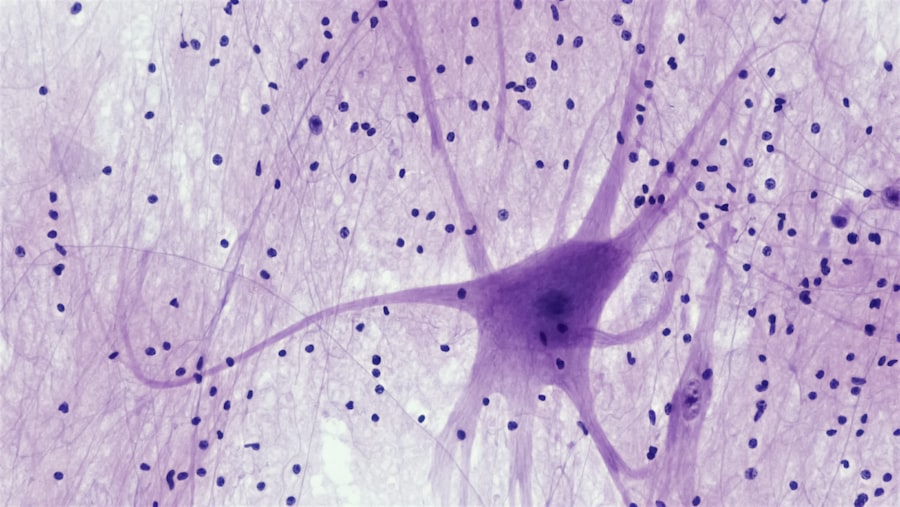
The prefrontal cortex (PFC), located at the front of your brain, is responsible for higher-order cognitive functions, including executive control, decision-making, impulse control, and the integration of information from different brain regions. It’s the CEO of your brain, working to organize and make sense of everything.
Executive Functions and Self-Awareness
Your PFC is vital for maintaining a stable sense of self, for self-reflection, and for integrating your experiences into a cohesive life story. When you feel fragmented, it’s often because the usual integrative functions of the PFC are not fully engaged or are struggling to bridge the gaps created by the dissociation.
Impaired Top-Down Regulation
The PFC exerts “top-down” control over the limbic system, including the amygdala. This means it can regulate emotional responses, helping you to process difficult feelings in a measured way. In situations of dissociation, this top-down regulation can be weakened. Your emotional responses might feel more uncontrolled or disproportionate because the PFC isn’t effectively dampening the amygdala’s alarm signals or helping to reinterpret them. This can lead to a cyclical pattern where heightened emotional reactivity contributes to dissociation, which in turn further weakens PFC regulation.
Dissociation as a Spectrum, Not Necessarily a Pathology
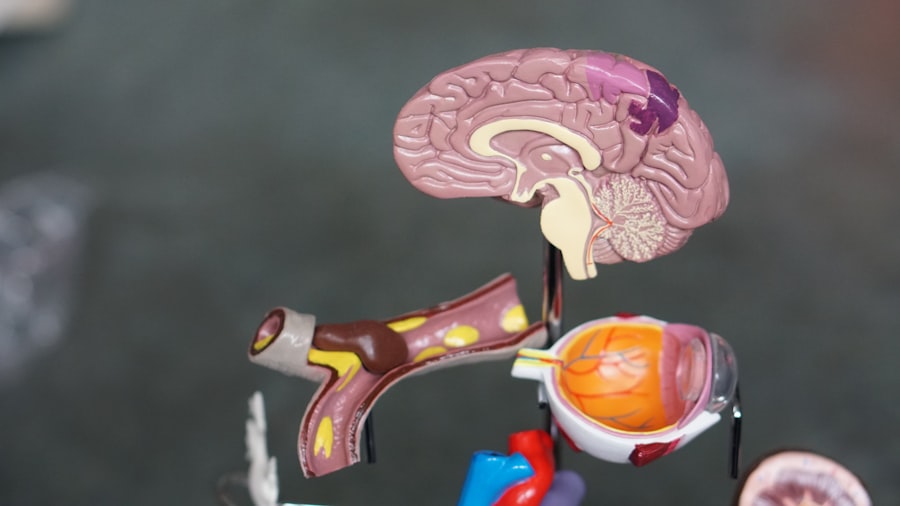
It’s essential to reiterate that experiencing elements of structural dissociation does not automatically categorize you as having a mental disorder. Many individuals, particularly those with heightened sensitivity and depth of experience like INFJs, can experience shifts in their sense of self or emotional states that fall within a normal range. The neurobiological mechanisms described are adaptive strategies under certain circumstances. The question becomes about how these mechanisms impact your daily functioning and quality of life.
Subthreshold Dissociation and its Impact
You might experience what is sometimes referred to as “subthreshold” dissociation. This means you exhibit some of the features of dissociation but not to the extent that it meets the diagnostic criteria for a formal disorder. This can manifest as:
- Derealization: A feeling that the world around you is unreal, distant, or dreamlike. Your surroundings might seem foggy or flat.
- Depersonalization: A feeling of being detached from your own body, thoughts, feelings, or actions. You might feel like you are observing yourself from outside.
- Memory Gaps: Not necessarily amnesia, but rather moments where you can’t recall what you were doing, or a sense of disconnect from past events.
- Emotional Numbness: Periods where you feel unable to access or express emotions, even in situations where you typically would.
Neurobiologically, these experiences are often linked to a temporary decoupling of sensory input from emotional processing or a shift in the coherence of your internal narrative. Your brain is essentially creating a temporary buffer zone to manage overwhelming internal or external stimuli.
The INFJ’s Unique Experience of Fragmentation
For an INFJ, these dissociative experiences can be particularly confusing because they may clash with your inherent desire for authenticity and deep connection. You might strive for wholeness, yet find yourself feeling fractured. The sophistication of your Ni can lead to a deep introspection about these experiences, which can be both a pathway to understanding and, at times, a source of further self-doubt. Your Fe might make you hesitant to express these feelings, fearing judgment or misunderstanding, which can further isolate you.
In exploring the intricate relationship between INFJ personality traits and structural dissociation in neurobiology, one can gain valuable insights from a related article that delves into the complexities of emotional processing and self-awareness. This article highlights how understanding these dynamics can enhance therapeutic approaches for individuals with INFJ characteristics. For further reading, you can check out the detailed discussion on this topic in the article found here.
Cultivating Integration: Bridging the Neurobiological Gaps
| Category | Data/Metrics |
|---|---|
| Neurobiology | Increased amygdala activation |
| Reduced prefrontal cortex activity | |
| Altered default mode network connectivity | |
| Heightened sympathetic nervous system response | |
| Impaired emotional regulation |
Understanding the neurobiology of structural dissociation is not about labeling yourself, but about empowering yourself with knowledge. This knowledge can pave the way for strategies that promote greater integration and a more cohesive sense of self. The goal is not to eliminate the innate INFJ tendencies that may contribute to dissociation, but to develop healthier ways of managing them.
Strengthening Prefrontal Cortex Function
Engaging in practices that support and strengthen your PFC can be highly beneficial. These include:
- Mindfulness and Meditation: These practices train your brain to focus attention, regulate emotions, and enhance self-awareness, all of which are core PFC functions. Regular engagement can improve your ability to stay present and less prone to dissociating.
- Cognitive Behavioral Therapy (CBT) or Dialectical Behavior Therapy (DBT): These therapeutic modalities provide tools for identifying unhelpful thought patterns, managing intense emotions, and developing coping mechanisms. They work directly on strengthening executive functions.
- Sufficient Sleep and Physical Exercise: These fundamental biological needs play a critical role in overall brain health, including PFC function and the ability to consolidate memories effectively.
Emotional Regulation Techniques
Learning to navigate your intense emotional landscape with greater skill is crucial. This involves:
- Identifying Emotional Triggers: Becoming aware of what situations or internal states tend to lead to overwhelm or dissociation. This self-awareness is the first step toward management.
- Developing Grounding Techniques: Simple exercises like focusing on your senses (what you can see, hear, smell, taste, touch) can help pull you back to the present moment when you feel disconnected.
- Practicing Self-Compassion: Recognizing that these experiences are often rooted in protective mechanisms and treating yourself with kindness can significantly reduce the distress associated with dissociation.
By understanding the intricate interplay between your neurobiology and your INFJ tendencies, you can begin to bridge the gaps within your internal world. This journey towards integration is not about changing who you are, but about fostering a more harmonious relationship with your own mind, allowing you to embrace the full spectrum of your experience with greater awareness and resilience. You have the capacity for profound insight and deep connection; understanding the neurobiological basis of your internal fragmentation can help you harmonize these qualities and move towards a more integrated and fulfilling experience of yourself and the world.
FAQs
What is structural dissociation?
Structural dissociation is a theory that suggests the mind is divided into different parts, each with its own thoughts, feelings, and behaviors. This division can occur as a result of trauma or other distressing experiences.
What is the INFJ personality type?
INFJ is one of the 16 personality types identified by the Myers-Briggs Type Indicator (MBTI). It stands for Introverted, Intuitive, Feeling, and Judging. INFJs are known for their empathy, creativity, and strong intuition.
How does neurobiology relate to structural dissociation in INFJs?
Neurobiology refers to the study of the nervous system and how it relates to behavior and mental processes. In the context of structural dissociation in INFJs, neurobiology may involve examining how the brain processes and responds to trauma, as well as how different parts of the mind interact and function.
What are some common signs of structural dissociation in INFJs?
Common signs of structural dissociation in INFJs may include memory gaps, feeling disconnected from one’s emotions or sense of self, experiencing sudden shifts in mood or behavior, and having difficulty recalling traumatic events.
How can individuals with structural dissociation seek help or support?
Individuals with structural dissociation can seek help or support through therapy, particularly approaches that focus on trauma-informed care and techniques for integrating different parts of the mind. It’s important for individuals to work with a qualified mental health professional who has experience in treating dissociative disorders.