
The HPA axis, or hypothalamic-pituitary-adrenal axis, is a complex network that plays a crucial role in your body’s response to stress. It involves three key components: the hypothalamus, the pituitary gland, and the adrenal glands. When you encounter a stressful situation, your hypothalamus releases corticotropin-releasing hormone (CRH), which signals the pituitary gland to produce adrenocorticotropic hormone (ACTH).
This hormone then travels through your bloodstream to the adrenal glands, prompting them to release cortisol, often referred to as the “stress hormone.” This intricate communication system is essential for maintaining homeostasis and regulating various bodily functions. Understanding the HPA axis is vital because it not only governs your stress response but also influences other physiological processes, including metabolism, immune function, and mood regulation. The balance of this axis is crucial for your overall well-being.
When functioning optimally, the HPA axis helps you adapt to stressors and maintain equilibrium. However, when this system becomes dysregulated, it can lead to a cascade of health issues that affect both your physical and mental health.
Key Takeaways
- The HPA axis is a central stress response system involving the hypothalamus, pituitary gland, and adrenal glands.
- Dysregulation of the HPA axis can lead to a variety of physical, emotional, and behavioral symptoms.
- Chronic health conditions such as fatigue, anxiety, and depression are often linked to HPA axis dysregulation.
- Diagnosis involves assessing symptoms and hormone levels to identify imbalances in the HPA axis.
- Treatment options include lifestyle changes, stress management, and medical interventions to restore HPA axis balance.
The Role of the HPA Axis in the Body
The HPA axis serves as your body’s command center for managing stress and maintaining balance. When faced with a threat or challenge, this axis activates a series of hormonal responses that prepare you to either confront or flee from danger—a reaction often referred to as the “fight or flight” response. This response is not just about immediate survival; it also plays a role in long-term health by regulating energy levels, immune responses, and even reproductive functions.
The release of cortisol helps mobilize energy stores, ensuring that your body has the resources it needs to respond effectively to stress. Moreover, the HPA axis interacts with other systems in your body, including the autonomic nervous system and the immune system. This interconnectedness means that a well-functioning HPA axis can enhance your resilience to stress and promote recovery from illness.
Conversely, if this axis is out of balance, it can lead to chronic stress responses that may compromise your immune system and increase susceptibility to various health issues. Understanding this relationship is essential for recognizing how stress impacts your overall health and well-being.
What is HPA Axis Dysregulation?
HPA axis dysregulation occurs when the normal functioning of this critical system is disrupted. This can manifest as either an overactive or underactive response to stress. In an overactive state, your body may produce excessive amounts of cortisol, leading to heightened anxiety, irritability, and other stress-related symptoms.
On the other hand, an underactive HPA axis may result in insufficient cortisol production, leaving you feeling fatigued, unmotivated, and unable to cope with daily challenges. This dysregulation can stem from various factors, including chronic stress, trauma, poor lifestyle choices, and even certain medical conditions. Recognizing HPA axis dysregulation is essential because it can have far-reaching effects on your health.
When this system is out of balance, it can disrupt not only your stress response but also other hormonal systems in your body. This can lead to a range of physical and mental health issues that may require intervention. Understanding the signs and symptoms of HPA axis dysregulation can empower you to seek help and make necessary lifestyle changes to restore balance.
Symptoms of HPA Axis Dysregulation
| Symptom | Description | Common Indicators | Possible Causes |
|---|---|---|---|
| Fatigue | Persistent tiredness not relieved by rest | Low energy, difficulty waking up, daytime sleepiness | Chronic stress, adrenal insufficiency |
| Sleep Disturbances | Difficulty falling or staying asleep | Insomnia, restless sleep, frequent awakenings | Altered cortisol rhythms, stress |
| Weight Changes | Unexplained weight gain or loss | Increased abdominal fat, muscle loss | Imbalanced cortisol levels affecting metabolism |
| Mood Swings | Rapid changes in emotional state | Anxiety, depression, irritability | Neuroendocrine imbalance |
| Cravings | Strong desire for specific foods | Craving salty or sweet foods | Electrolyte imbalance, cortisol fluctuations |
| Brain Fog | Difficulty concentrating or remembering | Forgetfulness, poor focus | Impaired cortisol regulation |
| Low Blood Pressure | Reduced blood pressure levels | Dizziness, lightheadedness | Adrenal insufficiency |
| Reduced Immune Function | Increased susceptibility to infections | Frequent colds, slow healing | Chronic cortisol imbalance |
The symptoms of HPA axis dysregulation can vary widely from person to person, making it challenging to identify without proper assessment. Common signs include persistent fatigue, difficulty concentrating, mood swings, and changes in appetite or sleep patterns. You may find yourself feeling overwhelmed by stressors that previously seemed manageable or experiencing a sense of emotional numbness.
These symptoms can significantly impact your quality of life and hinder your ability to function effectively in daily activities. In addition to these general symptoms, you might also notice specific changes in your physical health. For instance, you may experience weight gain or loss that seems unexplainable or develop digestive issues such as bloating or irritable bowel syndrome (IBS).
These physical manifestations are often linked to the hormonal imbalances caused by HPA axis dysregulation. Being aware of these symptoms can help you recognize when it might be time to seek professional guidance for further evaluation.
Physical Symptoms of HPA Axis Dysregulation
When the HPA axis is dysregulated, you may experience a range of physical symptoms that can be both uncomfortable and concerning. One common manifestation is chronic fatigue or low energy levels. You might find yourself feeling exhausted even after a full night’s sleep or struggling to muster the motivation to engage in activities you once enjoyed.
Another physical symptom associated with HPA axis dysregulation is weight fluctuation. You may notice unexpected changes in your weight—either gaining or losing pounds without any significant changes in diet or exercise habits.
This can be attributed to cortisol’s influence on metabolism and appetite regulation. Additionally, digestive issues such as bloating, constipation, or diarrhea may arise as a result of hormonal imbalances affecting gut function. Recognizing these physical symptoms is crucial for understanding how HPA axis dysregulation can impact your overall health.
Emotional and Mental Symptoms of HPA Axis Dysregulation
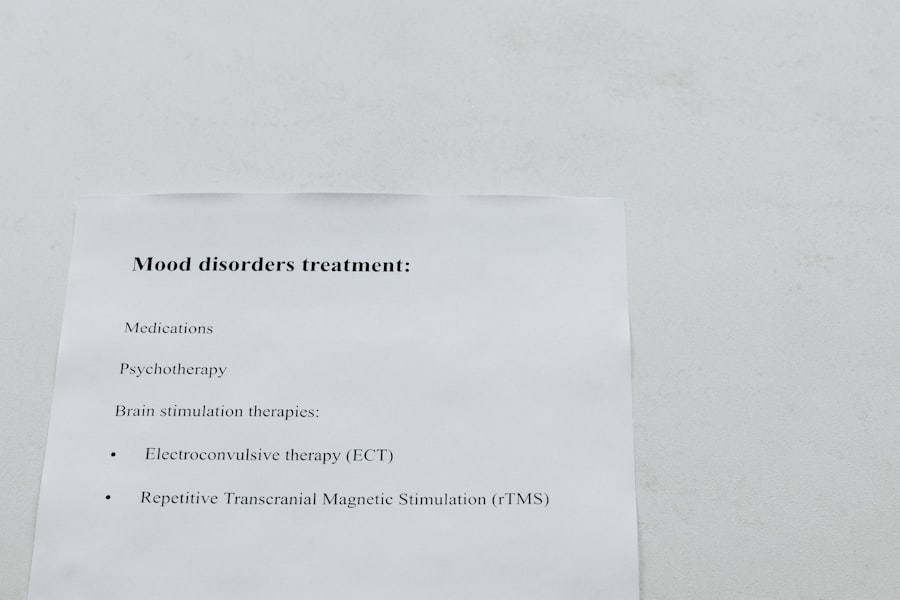
The emotional and mental symptoms of HPA axis dysregulation can be just as debilitating as physical manifestations. You may find yourself experiencing heightened anxiety or irritability, often feeling on edge or easily overwhelmed by everyday stressors. Mood swings may become more pronounced, leading to feelings of sadness or frustration that seem disproportionate to the situation at hand.
These emotional fluctuations can create challenges in relationships and hinder your ability to cope with life’s demands. In addition to anxiety and mood swings, cognitive functions such as memory and concentration may also be affected. You might struggle with focus or find it difficult to remember important details.
This cognitive fog can be disheartening and may contribute to feelings of inadequacy or frustration in both personal and professional settings. Understanding these emotional and mental symptoms is essential for recognizing the broader impact of HPA axis dysregulation on your life.
Behavioral Symptoms of HPA Axis Dysregulation
Behavioral changes are another significant aspect of HPA axis dysregulation that you may notice in yourself or others. As stress levels rise due to hormonal imbalances, you might find yourself withdrawing from social interactions or avoiding activities that once brought you joy. This withdrawal can lead to feelings of isolation and loneliness, further exacerbating emotional distress.
Additionally, you may engage in unhealthy coping mechanisms as a way to manage overwhelming feelings. This could include increased reliance on substances such as alcohol or caffeine, overeating or undereating, or engaging in compulsive behaviors like excessive shopping or screen time. These behavioral changes are often attempts to regain a sense of control amidst the chaos caused by dysregulated stress responses.
Recognizing these patterns can help you take proactive steps toward healthier coping strategies.
Chronic Health Conditions Associated with HPA Axis Dysregulation
HPA axis dysregulation has been linked to various chronic health conditions that can significantly impact your quality of life. For instance, individuals with chronic fatigue syndrome (CFS) often exhibit signs of HPA axis dysfunction alongside their debilitating fatigue. Similarly, conditions such as fibromyalgia and autoimmune disorders have been associated with imbalances in cortisol levels and other hormones regulated by the HPA axis.
Moreover, research suggests that prolonged dysregulation of this system may contribute to the development of mental health disorders such as depression and anxiety disorders.
Understanding these connections underscores the importance of addressing HPA axis dysregulation early on to prevent the onset of more serious health issues.
How HPA Axis Dysregulation Affects Daily Life
The effects of HPA axis dysregulation extend beyond physical symptoms; they permeate every aspect of daily life. You may find it increasingly difficult to manage work responsibilities or maintain relationships due to persistent fatigue and emotional instability. Simple tasks that once felt manageable may become overwhelming as cognitive functions decline under the weight of chronic stress.
Additionally, social interactions may suffer as you withdraw from friends and family due to feelings of anxiety or irritability. This isolation can create a feedback loop where loneliness exacerbates emotional distress, further complicating your ability to cope with daily challenges. Recognizing how HPA axis dysregulation affects your daily life is crucial for seeking support and implementing strategies for improvement.
Diagnosing HPA Axis Dysregulation
Diagnosing HPA axis dysregulation typically involves a comprehensive evaluation by a healthcare professional who specializes in hormonal health or endocrinology. Your doctor will likely begin by taking a detailed medical history and conducting a thorough physical examination. They may also order blood tests to measure cortisol levels at different times throughout the day since cortisol follows a diurnal rhythm—peaking in the morning and declining throughout the day.
In some cases, additional tests such as saliva tests or urine tests may be utilized to assess cortisol production more accurately. These diagnostic tools help determine whether your symptoms are indeed related to HPA axis dysfunction or if they stem from other underlying conditions. Understanding this process can empower you to advocate for your health and seek appropriate care when needed.
Treatment Options for HPA Axis Dysregulation
Treatment options for HPA axis dysregulation vary depending on individual circumstances but often involve a multifaceted approach aimed at restoring balance within the system. Lifestyle modifications play a crucial role; incorporating regular exercise, practicing mindfulness techniques such as meditation or yoga, and prioritizing sleep hygiene can significantly improve your overall well-being. In some cases, healthcare providers may recommend nutritional interventions or supplements designed to support adrenal function and reduce inflammation in the body.
Additionally, therapy or counseling can be beneficial for addressing emotional symptoms associated with dysregulation while providing coping strategies for managing stress more effectively. Ultimately, finding an effective treatment plan requires collaboration between you and your healthcare provider to identify underlying causes and tailor interventions that suit your unique needs. By taking proactive steps toward healing, you can work toward restoring balance within your HPA axis and improving your overall quality of life.
HPA axis dysregulation can lead to a variety of symptoms, including chronic stress, anxiety, and fatigue. For a deeper understanding of how these symptoms manifest and their implications on mental health, you can read more in the article available on Unplugged Psych. Check it out here: Unplugged Psych.
WATCH THIS! Why ‘Good Vibes Only’ Is Destroying Your Brain (The Dark Truth About Toxic Positivity)
FAQs
What is the HPA axis?
The HPA axis stands for the hypothalamic-pituitary-adrenal axis. It is a complex set of interactions among the hypothalamus, pituitary gland, and adrenal glands that regulate stress response, mood, digestion, immune system, and energy storage.
What does HPA axis dysregulation mean?
HPA axis dysregulation refers to an imbalance or malfunction in the normal functioning of the hypothalamic-pituitary-adrenal axis. This can lead to abnormal hormone levels, particularly cortisol, and affect the body’s ability to respond to stress properly.
What are common symptoms of HPA axis dysregulation?
Common symptoms include chronic fatigue, difficulty sleeping, mood swings, anxiety, depression, weight changes, digestive issues, low blood pressure, and impaired immune function.
How is HPA axis dysregulation diagnosed?
Diagnosis typically involves clinical evaluation of symptoms, medical history, and laboratory tests measuring cortisol levels in blood, saliva, or urine at different times of the day to assess the circadian rhythm of cortisol secretion.
What causes HPA axis dysregulation?
Causes can include chronic stress, trauma, infections, autoimmune diseases, prolonged use of corticosteroids, and certain psychiatric conditions such as depression and PTSD.
Can HPA axis dysregulation be treated?
Yes, treatment often involves managing underlying causes, stress reduction techniques, lifestyle changes, psychotherapy, and in some cases, medication to regulate hormone levels or address associated symptoms.
Is HPA axis dysregulation related to adrenal fatigue?
While the term “adrenal fatigue” is popular in alternative medicine, it is not widely recognized in conventional medicine. HPA axis dysregulation is a scientifically supported concept involving hormonal imbalances, whereas adrenal fatigue lacks clear diagnostic criteria.
Can lifestyle changes help improve HPA axis function?
Yes, lifestyle changes such as regular exercise, adequate sleep, balanced nutrition, stress management, and mindfulness practices can support healthy HPA axis function.
Are there any long-term effects of untreated HPA axis dysregulation?
If left untreated, HPA axis dysregulation can contribute to chronic health problems including persistent fatigue, mental health disorders, metabolic issues, and weakened immune response.
When should I see a healthcare professional about HPA axis symptoms?
You should consult a healthcare professional if you experience persistent symptoms such as unexplained fatigue, mood disturbances, sleep problems, or other signs that interfere with daily life, especially if they follow a period of significant stress or illness.