
Fake Person Syndrome refers to a psychological phenomenon characterized by individuals presenting inauthentic versions of themselves to others. This condition involves a significant disconnect between one’s authentic identity and their public persona, often resulting in feelings of inadequacy and heightened anxiety. People experiencing this syndrome typically construct carefully curated images that conform to social expectations rather than expressing their genuine selves.
This behavior is particularly common in environments where social validation is highly valued, such as professional settings and social media platforms. The consequences of Fake Person Syndrome extend significantly into mental health and overall well-being. Individuals may experience a sense of entrapment in their fabricated identities, leading to isolation and loneliness despite social connections.
The continuous effort required to maintain these false personas can create substantial psychological strain, prompting individuals to question their self-worth and authentic identity. Recognizing this pattern represents an essential first step toward psychological authenticity and personal liberation.
Key Takeaways
- Fake Person Syndrome involves feeling inauthentic or like a fraud in social interactions.
- Key signs include anxiety, self-doubt, and difficulty expressing true feelings.
- Social media can exacerbate feelings of fakeness by promoting unrealistic comparisons.
- Recognizing symptoms early and seeking professional help are crucial for recovery.
- Coping strategies and success stories highlight the possibility of overcoming Fake Person Syndrome.
Signs and Symptoms of Fake Person Syndrome
Recognizing the signs and symptoms of Fake Person Syndrome is crucial for addressing the issue effectively. One common indicator is a persistent feeling of being “fake” or “inauthentic.” You may often catch yourself worrying about how others perceive you, leading to anxiety in social situations. This preoccupation can manifest as overthinking your words or actions, fearing judgment or rejection from those around you.
You might also notice that you frequently change your opinions or interests to fit in with different groups, further distancing yourself from your true self. Another symptom is the emotional toll that maintaining a false persona can take on you. You may experience feelings of emptiness or dissatisfaction, even when you appear successful or well-liked on the surface.
This internal conflict can lead to stress, depression, or even burnout as you struggle to keep up with the demands of your fabricated identity. If you find yourself feeling exhausted from the effort of being someone you’re not, it may be time to reflect on the impact of Fake Person Syndrome in your life.
Causes of Fake Person Syndrome
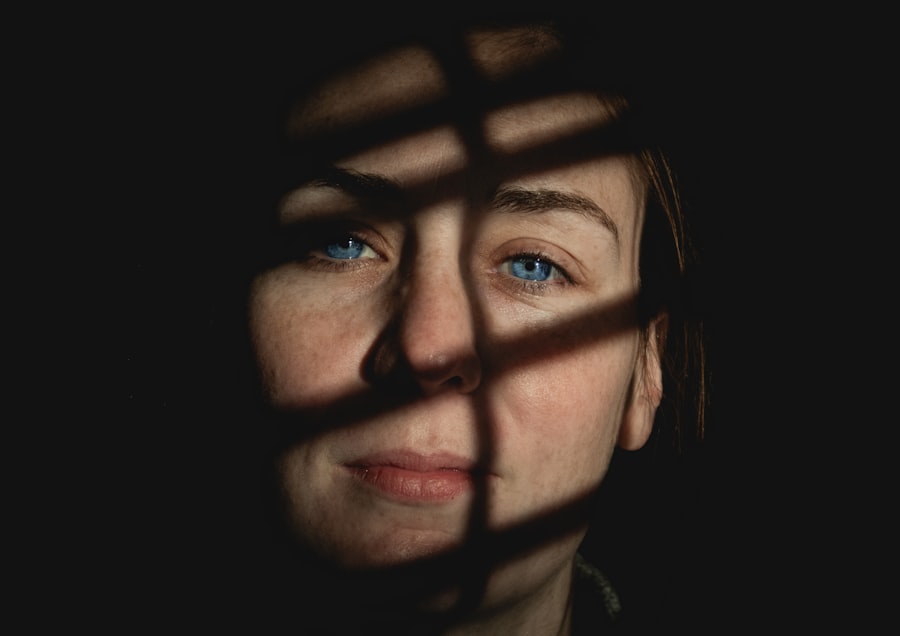
The roots of Fake Person Syndrome can be complex and multifaceted. One significant factor is societal pressure to conform to certain ideals, whether they pertain to appearance, success, or behavior. You may feel compelled to adopt a persona that aligns with these expectations, fearing that your true self will not be accepted or valued.
This pressure can stem from various sources, including family dynamics, cultural norms, and media portrayals of success and happiness. Additionally, past experiences can contribute to the development of Fake Person Syndrome.
This learned behavior can become ingrained over time, making it difficult for you to express your authentic self even in safe environments. Understanding these underlying causes is essential for addressing the syndrome and fostering a healthier relationship with yourself.
Impact of Fake Person Syndrome on Relationships
Fake Person Syndrome can have profound effects on your relationships with others. When you present a false version of yourself, it becomes challenging for others to connect with you on a genuine level. You may find that your friendships lack depth or authenticity, as they are built on a foundation of pretense rather than true understanding and acceptance.
This disconnect can lead to feelings of loneliness, even when surrounded by people who care about you. Moreover, the strain of maintaining a facade can create barriers in romantic relationships as well. If you’re unable to be vulnerable and honest with your partner about who you truly are, it can hinder intimacy and trust.
You might find yourself constantly worried about being “found out,” which can lead to anxiety and insecurity within the relationship. Recognizing how Fake Person Syndrome impacts your connections with others is vital for fostering healthier, more authentic relationships moving forward.
How to Recognize Fake Person Syndrome in Yourself
| Metric | Description | Typical Range/Value | Source/Study |
|---|---|---|---|
| Prevalence Rate | Percentage of adults reporting feelings consistent with impostor syndrome | 9% – 82% (varies by population) | Clance & Imes (1978), Research reviews |
| Common Age of Onset | Age range when symptoms typically begin | Late teens to early 30s | Clinical observations |
| Gender Distribution | Reported prevalence by gender | Women: 70%, Men: 30% (varies) | Clance & Imes (1978), Subsequent studies |
| Associated Anxiety Levels | Average anxiety score on standardized scales (e.g., GAD-7) | Moderate to high (scores 10-15) | Psychological assessments |
| Correlation with Perfectionism | Degree of correlation between impostor feelings and perfectionism traits | r = 0.45 – 0.60 (moderate to strong) | Research studies on personality traits |
| Impact on Job Performance | Reported decrease in self-rated job performance due to impostor feelings | 10% – 25% reduction | Workplace psychology surveys |
| Effectiveness of Cognitive Behavioral Therapy (CBT) | Percentage improvement in impostor syndrome symptoms after CBT | 50% – 70% symptom reduction | Clinical intervention studies |
To recognize Fake Person Syndrome within yourself, start by reflecting on your thoughts and behaviors in social situations. Do you often feel like you’re putting on a show or acting differently around certain people? Pay attention to moments when you feel disconnected from your true self or when you catch yourself altering your opinions or interests to fit in.
Journaling about these experiences can help clarify your feelings and identify patterns in your behavior. Additionally, consider how you react to feedback from others. If you find yourself overly sensitive to criticism or overly reliant on external validation, it may be a sign that you’re struggling with authenticity.
Take note of how often you feel anxious about being judged or how frequently you compare yourself to others. These reflections can provide valuable insights into whether you’re experiencing Fake Person Syndrome and guide you toward taking steps for change.
Treatment Options for Fake Person Syndrome

Addressing Fake Person Syndrome often requires a multifaceted approach that includes both self-reflection and professional support. One effective treatment option is cognitive-behavioral therapy (CBT), which focuses on identifying and challenging negative thought patterns that contribute to feelings of inadequacy and inauthenticity. Through CBT, you can learn to reframe your thoughts and develop healthier coping strategies for dealing with societal pressures.
In addition to therapy, engaging in self-compassion practices can be beneficial. Learning to treat yourself with kindness and understanding can help alleviate the harsh self-judgment that often accompanies Fake Person Syndrome. Mindfulness techniques, such as meditation or deep breathing exercises, can also promote greater self-awareness and acceptance, allowing you to connect more deeply with your authentic self.
The Role of Social Media in Fake Person Syndrome
Social media plays a significant role in perpetuating Fake Person Syndrome for many individuals. Platforms like Instagram and Facebook often showcase curated versions of life that emphasize perfection and success, leading you to compare yourself unfavorably against these idealized images. The constant exposure to filtered realities can create an overwhelming desire to conform, pushing you further into the realm of inauthenticity.
Moreover, the validation received through likes and comments can reinforce the need to maintain a false persona. You may find yourself crafting posts that garner approval rather than expressing genuine thoughts or feelings.
Understanding the Link Between Fake Person Syndrome and Imposter Syndrome
Fake Person Syndrome is closely related to Imposter Syndrome, which involves feelings of self-doubt and the fear of being exposed as a fraud despite evidence of competence or success. Both syndromes stem from a disconnect between one’s perceived identity and their true self. If you’re grappling with feelings of inadequacy or fear that others will discover you’re not as capable as they believe, you may be experiencing elements of both syndromes.
Understanding this link can help you address underlying issues related to self-worth and identity. By recognizing that many individuals struggle with similar feelings, you can begin to cultivate a sense of community and support that fosters authenticity rather than pretense.
Coping Strategies for Dealing with Fake Person Syndrome
Implementing coping strategies can be instrumental in managing Fake Person Syndrome effectively. One approach is to practice radical honesty with yourself and others. This means allowing yourself to express your true thoughts and feelings without fear of judgment or rejection.
Start small by sharing your authentic opinions with trusted friends or family members; this practice can gradually build your confidence in being genuine. Another helpful strategy is engaging in activities that promote self-discovery and self-acceptance. Consider exploring hobbies or interests that resonate with your true self rather than those that are popular or expected by others.
Surrounding yourself with supportive individuals who encourage authenticity can also create an environment where you feel safe to be yourself.
The Importance of Seeking Professional Help for Fake Person Syndrome
Seeking professional help is crucial if you’re struggling with Fake Person Syndrome. A mental health professional can provide guidance tailored to your unique experiences and challenges. Therapy offers a safe space for exploring the underlying causes of your feelings of inauthenticity while equipping you with tools for change.
Additionally, support groups can provide valuable connections with others who share similar struggles. Engaging in discussions about authenticity and vulnerability can foster a sense of belonging and understanding that may have been lacking in your life thus far.
Overcoming Fake Person Syndrome: Success Stories and Tips
Overcoming Fake Person Syndrome is possible, as many individuals have successfully navigated their journey toward authenticity. One common thread among those who have triumphed is the commitment to self-reflection and growth. They often emphasize the importance of embracing imperfections and recognizing that vulnerability is a strength rather than a weakness.
You might find inspiration in stories where individuals have shared their struggles openly, allowing others to see their true selves without fear of judgment. These narratives serve as reminders that authenticity fosters deeper connections and enriches relationships. By taking small steps toward embracing who you are—whether through therapy, supportive friendships, or engaging in activities that resonate with your true self—you too can embark on a journey toward overcoming Fake Person Syndrome and living authentically.
Fake person syndrome, a phenomenon where individuals feel disconnected from their true selves and may present a façade to the world, can be better understood through various psychological perspectives. For a deeper exploration of this topic, you can read more in the article on Unplugged Psych, which discusses the implications of identity and authenticity in modern psychology. Check it out here: