
Fake Person Syndrome refers to a psychological pattern where individuals consistently present an inauthentic version of themselves in social situations. This behavior typically develops as a response to fear of rejection, social inadequacy, or pressure to meet perceived societal standards. Individuals experiencing this pattern often create idealized personas that differ significantly from their genuine personality, values, or circumstances.
The syndrome manifests through various behaviors, including exaggerating personal achievements, fabricating interests or experiences, and carefully constructing social media profiles that project false images of success or happiness. These presentations often contradict the individual’s actual life circumstances or emotional state. The persistent maintenance of these false personas can create psychological distress, including anxiety about being discovered, feelings of isolation due to lack of authentic connections, and internal conflict between one’s true identity and projected image.
Research indicates that this pattern frequently emerges from underlying insecurities, social anxiety, or past experiences of rejection when expressing authentic traits. The condition can be reinforced by social media environments that encourage curated self-presentation and by social groups that appear to value specific characteristics or achievements.
Key Takeaways
- Fake Person Syndrome involves feeling like an inauthentic or false version of oneself.
- Symptoms include identity confusion, emotional distress, and difficulty connecting with others.
- Causes often stem from low self-esteem, social pressure, and past trauma.
- The syndrome negatively impacts mental health and strains personal relationships.
- Treatment typically includes cognitive behavioral therapy and supportive coping strategies.
Symptoms and Signs of Fake Person Syndrome
Recognizing the symptoms of Fake Person Syndrome can be the first step toward addressing the issue.
This anxiety can manifest as sweating, rapid heartbeat, or even panic attacks when faced with the possibility of revealing your true self.
Additionally, you might experience a sense of emptiness or dissatisfaction, as the persona you project may not bring you genuine happiness or fulfillment. Another common sign is the tendency to overemphasize your achievements or interests in conversations. You may find yourself embellishing stories or downplaying your struggles to maintain an image of perfection.
This behavior can lead to a cycle of dishonesty, where you feel compelled to keep up with the lies you’ve told, further distancing yourself from your authentic self. Over time, this can create a significant emotional burden, as you struggle to reconcile the gap between who you are and who you pretend to be.
Causes and Risk Factors of Fake Person Syndrome
The causes of Fake Person Syndrome are multifaceted and can vary from person to person. One significant factor is societal pressure; in a world that often values superficial success and appearances, you may feel compelled to conform to these standards. The rise of social media has only intensified this pressure, as platforms encourage curated lives that often highlight only the best moments.
This constant comparison can lead you to believe that your worth is tied to how well you present yourself, fostering feelings of inadequacy. Additionally, personal experiences such as childhood trauma or bullying can contribute to the development of Fake Person Syndrome. If you grew up in an environment where acceptance was conditional or where authenticity was not valued, you might have learned to hide your true self as a means of self-protection.
Other risk factors include low self-esteem, perfectionism, and a lack of supportive relationships. These elements can create a perfect storm that drives you further into the cycle of presenting a false persona.
The Psychological Impact of Fake Person Syndrome
The psychological impact of Fake Person Syndrome can be profound and far-reaching. Living a life that feels inauthentic can lead to chronic stress and anxiety, as you constantly worry about being discovered or judged. This ongoing tension can take a toll on your mental health, leading to feelings of depression or hopelessness.
You may find yourself caught in a vicious cycle where the more you try to maintain your facade, the more isolated and disconnected you feel from others. Moreover, the internal conflict between your true self and the persona you project can lead to identity confusion. You might struggle with understanding who you really are, as the lines between your authentic self and the fake persona blur over time.
This dissonance can result in a lack of fulfillment in various aspects of your life, including career choices and personal relationships. Ultimately, the psychological toll of Fake Person Syndrome can hinder your ability to form genuine connections and live a life that feels meaningful.
How Fake Person Syndrome Affects Relationships
| Metric | Description | Typical Range/Value | Source/Study |
|---|---|---|---|
| Prevalence Rate | Percentage of individuals experiencing imposter syndrome feelings at some point | 9% – 82% (varies by population) | Clance & Imes (1978), various meta-analyses |
| Common Age of Onset | Age range when symptoms typically begin | Early 20s to mid-30s | Psychological studies on impostor phenomenon |
| Gender Distribution | Reported prevalence among genders | Women: 70%, Men: 50% (approximate) | Clance & Imes (1978), subsequent research |
| Associated Anxiety Levels | Average anxiety score increase in individuals with impostor feelings | 20-30% higher on standardized anxiety scales | Psychological assessments (e.g., Beck Anxiety Inventory) |
| Correlation with Perfectionism | Degree of correlation between impostor syndrome and perfectionism traits | Moderate to strong positive correlation (r = 0.4 to 0.6) | Research in personality psychology journals |
| Impact on Job Performance | Reported decrease in self-rated job performance due to impostor feelings | 10-15% decrease in self-efficacy ratings | Organizational psychology studies |
| Effectiveness of Cognitive Behavioral Therapy (CBT) | Reduction in impostor syndrome symptoms after CBT intervention | Symptom reduction by 40-60% | Clinical trials and therapy outcome studies |
Fake Person Syndrome can have a significant impact on your relationships with others. When you present a false version of yourself, it becomes challenging for others to truly know and connect with you. Friends and family may sense that something is off but may not be able to pinpoint what it is.
This lack of authenticity can create barriers in your relationships, leading to misunderstandings and feelings of distance. Additionally, maintaining a facade requires constant effort and energy, which can leave little room for genuine interactions. You might find yourself withdrawing from social situations or feeling exhausted after engaging with others, as the pressure to uphold your image takes its toll.
Over time, this can lead to strained relationships and even isolation, as those around you may feel frustrated by your inability to be open and honest. Ultimately, Fake Person Syndrome can prevent you from forming deep connections and experiencing the joy that comes from being truly known by others.
Diagnosing Fake Person Syndrome
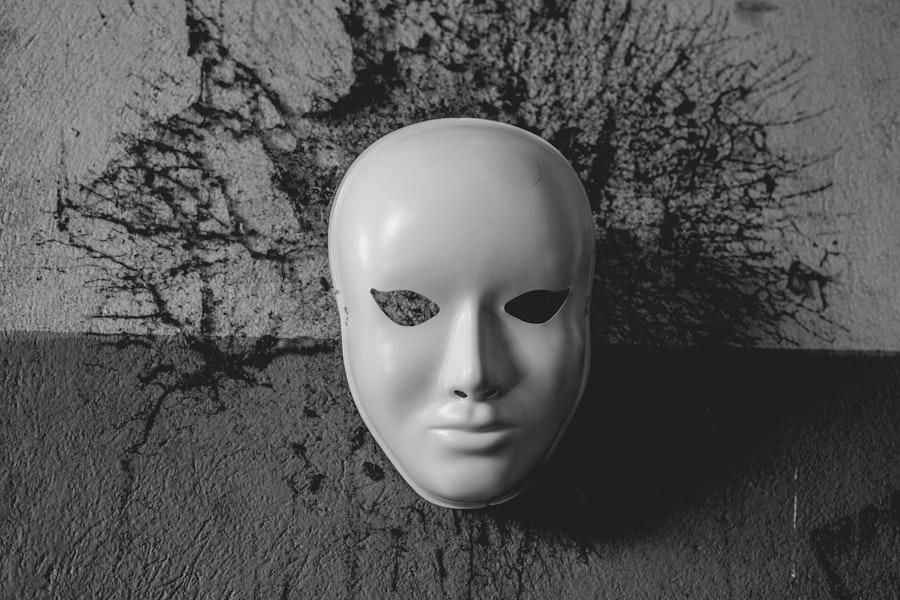
Diagnosing Fake Person Syndrome is not straightforward, as it is not officially recognized as a mental health disorder in many diagnostic manuals. However, mental health professionals may identify it through discussions about your feelings, behaviors, and experiences. If you find yourself frequently feeling anxious about how others perceive you or if you struggle with maintaining a false persona, it may be beneficial to seek professional help.
During an evaluation, a therapist may explore your history, including any past traumas or experiences that may have contributed to your current struggles. They may also assess your self-esteem levels and how they relate to your tendency to present a fake persona. While there is no specific test for Fake Person Syndrome, understanding its symptoms and how they manifest in your life can help guide the diagnostic process.
Treating Fake Person Syndrome
Treating Fake Person Syndrome often involves a combination of therapeutic approaches aimed at helping you reconnect with your authentic self. One effective method is psychotherapy, where a trained therapist can provide support and guidance as you navigate your feelings and experiences. Through therapy, you can explore the underlying issues contributing to your need for a false persona and work toward building self-acceptance.
In addition to traditional talk therapy, group therapy can also be beneficial. Engaging with others who share similar struggles can foster a sense of community and understanding. It allows you to practice vulnerability in a safe environment while receiving support from peers who are on their own journeys toward authenticity.
Ultimately, treatment should focus on helping you develop healthier coping mechanisms and strategies for embracing your true self.
Cognitive Behavioral Therapy for Fake Person Syndrome
Cognitive Behavioral Therapy (CBT) is one approach that has shown promise in treating Fake Person Syndrome. CBT focuses on identifying and challenging negative thought patterns that contribute to feelings of inadequacy or the need for a false persona. Through this therapeutic process, you can learn to recognize cognitive distortions—such as all-or-nothing thinking or catastrophizing—that may fuel your anxiety about being authentic.
As part of CBT, you’ll also work on developing healthier coping strategies for managing social situations without resorting to deception. This might involve practicing assertiveness skills or learning how to communicate openly about your feelings and experiences. By reframing negative thoughts and building confidence in expressing your true self, CBT can empower you to break free from the cycle of fake personhood and embrace authenticity.
Support and Resources for Individuals with Fake Person Syndrome
Finding support is crucial when dealing with Fake Person Syndrome. Various resources are available for individuals seeking help on their journey toward authenticity. Online forums and support groups can provide a sense of community where you can share experiences and learn from others facing similar challenges.
These platforms often foster an environment of understanding and acceptance that can be incredibly healing. Additionally, mental health professionals specializing in identity issues or anxiety disorders can offer valuable guidance tailored to your specific needs. They can help you navigate the complexities of Fake Person Syndrome while providing tools for building self-esteem and fostering genuine connections with others.
Remember that seeking help is a sign of strength; taking this step can lead you toward a more fulfilling life.
Coping Strategies for Dealing with Fake Person Syndrome
Implementing coping strategies can be instrumental in managing Fake Person Syndrome effectively.
Mindfulness techniques—such as meditation or deep breathing exercises—can help ground you when feelings of anxiety arise.
Another useful strategy is journaling about your thoughts and feelings related to authenticity. Writing down your experiences can provide clarity and insight into the reasons behind your need for a false persona. It allows you to reflect on moments when you’ve felt most authentic and explore what makes those experiences meaningful.
By regularly engaging in these practices, you can gradually build confidence in expressing your true self.
Preventing Fake Person Syndrome
Preventing Fake Person Syndrome begins with fostering an environment that values authenticity from an early age. Encouraging open communication within families and communities helps individuals feel safe expressing their true selves without fear of judgment or rejection. Promoting self-acceptance and resilience against societal pressures is essential in cultivating a culture where authenticity is celebrated.
Additionally, educating individuals about the dangers of comparison—especially in the age of social media—can help mitigate feelings of inadequacy that contribute to Fake Person Syndrome. By emphasizing the importance of embracing imperfections and recognizing that everyone has struggles behind closed doors, we can create a more supportive atmosphere that encourages individuals to be their genuine selves without fear of being “fake.”
Fake person syndrome, a phenomenon where individuals feel disconnected from their true selves and present a fabricated identity to the world, can have profound psychological implications. Understanding this syndrome is crucial for mental health professionals and individuals alike. For further insights into related psychological concepts, you can explore the article on Unplugged Psych, which delves into various aspects of identity and self-perception.
FAQs
What is Fake Person Syndrome in psychology?
Fake Person Syndrome refers to a psychological phenomenon where an individual feels as though they are not being their authentic self and instead present a false or fabricated persona to others. This can lead to feelings of inauthenticity, disconnection, and emotional distress.
What causes Fake Person Syndrome?
Fake Person Syndrome can be caused by various factors including low self-esteem, social anxiety, fear of rejection, or past trauma. People may adopt a fake persona to fit in, avoid judgment, or protect themselves emotionally.
What are the common symptoms of Fake Person Syndrome?
Common symptoms include feeling like a fraud, difficulty expressing true emotions, chronic self-doubt, social withdrawal, and a persistent sense of being disconnected from one’s true identity.
How is Fake Person Syndrome different from imposter syndrome?
While both involve feelings of inauthenticity, Fake Person Syndrome focuses on presenting a false self to others, whereas imposter syndrome involves doubting one’s achievements and fearing being exposed as a fraud despite evidence of competence.
Can Fake Person Syndrome affect mental health?
Yes, it can contribute to anxiety, depression, low self-esteem, and social isolation. The ongoing stress of maintaining a false persona can negatively impact overall well-being.
How can Fake Person Syndrome be treated?
Treatment often involves psychotherapy, such as cognitive-behavioral therapy (CBT), to explore underlying causes, build self-awareness, and develop healthier ways to express one’s true self. Support groups and mindfulness practices may also be beneficial.
Is Fake Person Syndrome recognized as a formal diagnosis?
No, Fake Person Syndrome is not currently recognized as a formal mental health diagnosis in major diagnostic manuals like the DSM-5. It is more commonly discussed as a descriptive term or psychological experience.
Can anyone experience Fake Person Syndrome?
Yes, anyone can experience feelings associated with Fake Person Syndrome at some point, especially during times of stress or identity confusion. However, persistent and distressing experiences may warrant professional support.
How can someone support a person experiencing Fake Person Syndrome?
Offering non-judgmental support, encouraging open communication, and validating their feelings can help. Encouraging professional help and fostering environments where authenticity is valued are also important.