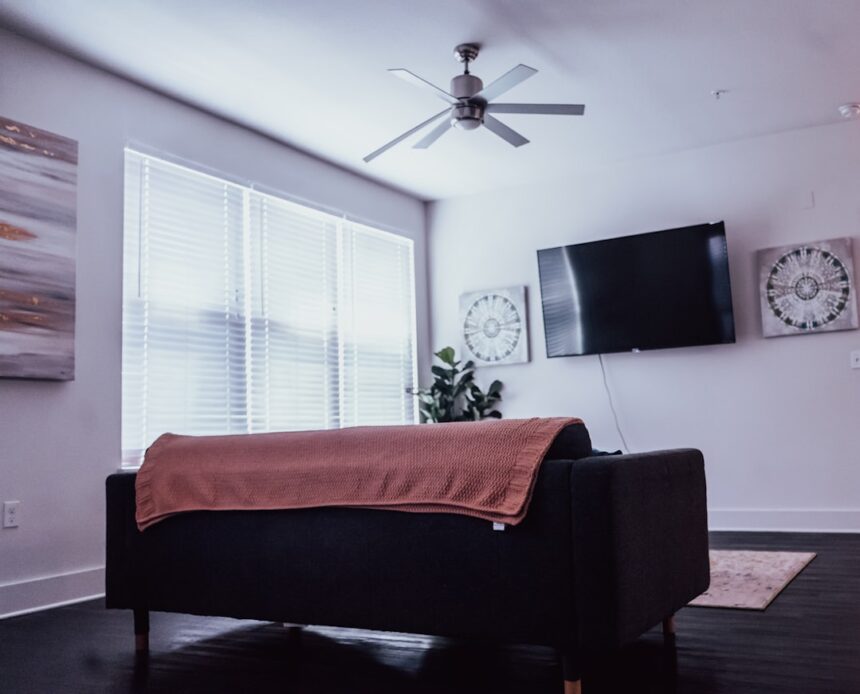
You embark on a significant undertaking: the transformation of a personal living space into a functional and aesthetically compelling movie set. This endeavor, while initially appearing as a mere decorative project, necessitates a strategic and systematic approach, akin to the detailed planning required for a professional film production. Your room, initially a domestic environment, is to be recontextualized as a canvas for narrative, amenable to the demands of visual storytelling.
Before the physical manipulation of your space commences, you must engage in a rigorous pre-production phase. This intellectual groundwork is paramount, serving as the foundational support for all subsequent actions. Skipping this stage is analogous to attempting to construct an edifice without an architectural blueprint, likely resulting in structural deficiencies and aesthetic incoherence.
Defining Your Narrative and Genre
Your first step involves the clear articulation of the story you intend to tell. Is your set designed for a contemporary drama, a period piece, a futuristic sci-fi, or a fantastical epic? The genre will dictate the visual language, the thematic elements, and the emotional resonance of your space. For instance, a film noir set demands stark contrasts, deep shadows, and an atmosphere of moral ambiguity, while a romantic comedy might necessitate bright colors, soft lighting, and an inviting, whimsical ambiance. You are, in essence, the director and the set designer, with your room as the stage.
Script-to-Set Translation: Deconstructing the Scene
Once your narrative is established, you meticulously deconstruct the cinematic scene or scenes intended to be filmed within your room. This involves identifying key actions, character interactions, and emotional beats. Does a character pace anxiously, indicating a need for an unobstructed floor space? Is a dramatic reveal contingent upon the strategic placement of a prop? These details, often overlooked in nascent stages, are critical for the functionality of your set. You are not merely decorating; you are engineering a space for performance.
Mood Board and Visual Research: Gathering Inspirations
To translate abstract ideas into tangible visual elements, you assemble a comprehensive mood board. This visual compendium integrates images, textures, color palettes, and architectural styles that resonate with your chosen genre and narrative. Sources can include stills from established films, art historical depictions, photographs of real-world locations, or even textile samples. This collection serves as your visual lexicon, ensuring consistency and thematic adherence throughout the design process.
If you’ve ever wondered why your room resembles a movie set, you might find insights in the article titled “Creating Your Personal Space: The Art of Room Design.” This piece explores how the arrangement of furniture, lighting, and decor can transform a simple room into a visually stunning environment reminiscent of cinematic settings. To read more about this fascinating topic, check out the article here: Creating Your Personal Space: The Art of Room Design.
Deconstruction and Preparation: Clearing the Stage
With your conceptual framework firmly in place, you transition to the physical preparation of your room. This phase is characterized by removal and refinement, creating a tabula rasa upon which your cinematic vision will be inscribed.
Decoupling from Domesticity: Removing Personal Artifacts
You systematically divest your room of its personal identity. Family photographs, idiosyncratic souvenirs, and idiosyncratic decorative items, while imbued with personal significance, represent narrative clutter within the context of a film set. Each item must be evaluated for its contribution to the intended cinematic narrative. If an item does not serve the story, it is temporarily relocated. This process is akin to a surgeon excising non-essential tissue; the aim is to create a sterile environment, ready for the infusion of a new, fictional identity.
Structural Assessment and Minor Repairs: The Foundation of Realism
You then scrutinize the existing structural elements of your room. Are there cracks in the plaster, peeling paint, or damaged flooring? These seemingly minor imperfections, while tolerable in a domestic setting, can betray the illusion of a film set, particularly under the unforgiving scrutiny of a camera lens. Addressing these issues, such as patching holes, repainting walls, or repairing sconces, is crucial. This is not merely aesthetic maintenance; it is an investment in the verisimilitude of your production.
Lighting Infrastructure Planning: The Painter’s Palette of Light
Effective lighting is paramount in filmmaking, acting as a non-verbal storyteller, evoking mood, highlighting key elements, and guiding the viewer’s gaze. You must meticulously plan your lighting infrastructure. This extends beyond merely ensuring adequate illumination. Consider the trajectory of natural light from windows throughout the day to anticipate its impact on your shoot schedule. Furthermore, factor in the placement of artificial lighting sources, both practical (lamps, overhead fixtures within the set) and theatrical (spotlights, softboxes). The goal is to achieve both functional illumination and artistic effect, shaping the atmosphere as much as physical elements do.
Set Construction and Dressing: Building the Illusion
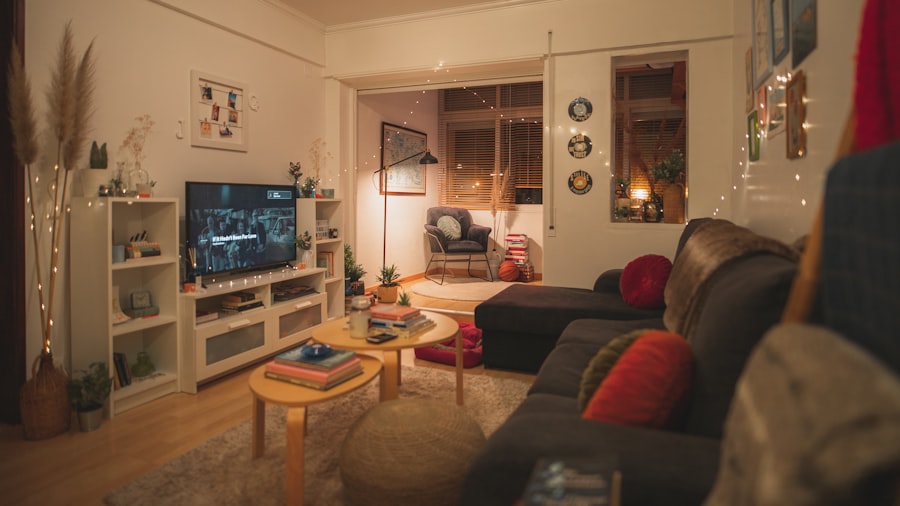
This phase is where your conceptual designs manifest physically. You are not merely arranging furniture; you are constructing a narrative environment, ensuring each element contributes to the illusion of a believable cinematic world.
Sourcing and Acquiring Props and Furniture: The Archeology of Storytelling
You now embark on the acquisition of the physical components that will constitute your set. This requires a discerning eye and a practical approach. Consider the era, socioeconomic status of characters, and thematic elements when selecting furniture, textiles, and decorative objects. Thrift stores, online marketplaces, prop houses (if budget permits), and even your own existing possessions (repurposed and recontextualized) can be valuable resources. Each item is a piece of the puzzle, contributing to the overall coherence and authenticity. A weathered armchair might suggest a character’s contemplative nature, while a meticulously organized desk could signify discipline.
Materiality and Texture: Sensory Depth
Beyond mere form, consider the materiality and texture of your chosen elements. A rough-hewn wooden table conveys a different story than a polished steel one. A velvet curtain exudes a distinct luxury compared to a plain cotton one. These tactile qualities contribute significantly to the sensory experience of the set, even if primarily perceived visually.
Period Accuracy vs. Artistic License: A Careful Balance
While adherence to historical accuracy is often desirable for period pieces, creative license can be employed. The objective is to evoke a sense of authenticity rather than to slavishly reproduce historical minutiae, unless that is the specific artistic intention. Sometimes, anachronisms, if thoughtfully implemented, can serve a specific narrative purpose, highlighting a character’s individuality or underscoring a thematic point. This is akin to a chef subtly altering a traditional recipe; the essence remains, but a unique flavor profile emerges.
Set Decoration and Arrangement: The Art of Staging
With your components acquired, you proceed to the meticulous arrangement of your set. This is where the principles of composition, balance, and visual storytelling converge. Each object’s placement is deliberate, not arbitrary.
Establishing Focal Points and Visual Hierarchy: Guiding the Eye
You create focal points within your set, drawing the viewer’s eye to areas of narrative importance. This could be achieved through the strategic placement of a brightly colored object, a prominent piece of furniture, or a well-lit area. The visual hierarchy ensures that the audience’s attention is directed to key elements without overwhelming them with unnecessary visual information. This is comparable to a cartographer highlighting major landmarks on a map; the critical areas are discernible at a glance.
Creating Depth and Dimension: Beyond the Flat Image
To avoid a flat, two-dimensional appearance, you manipulate elements to create depth. This involves varying the heights of objects, utilizing foreground, midground, and background elements, and employing perspective. For instance, placing a small table in the foreground, a seated character in the midground, and a painting on the back wall creates a sense of spatial volume.
Practical Props and Aesthetic Props: Function and Form
Differentiate between practical props (those actively used by characters, such as a phone or a book) and aesthetic props (those contributing to the overall visual ambiance, such as a vase of flowers or a framed picture). Both serve critical roles, but their selection and placement are governed by different criteria. Practical props must be functional and integrated seamlessly into character actions, while aesthetic props enhance the atmosphere and provide visual texture.
Lighting and Cinematography Integration: Illuminating the Narrative
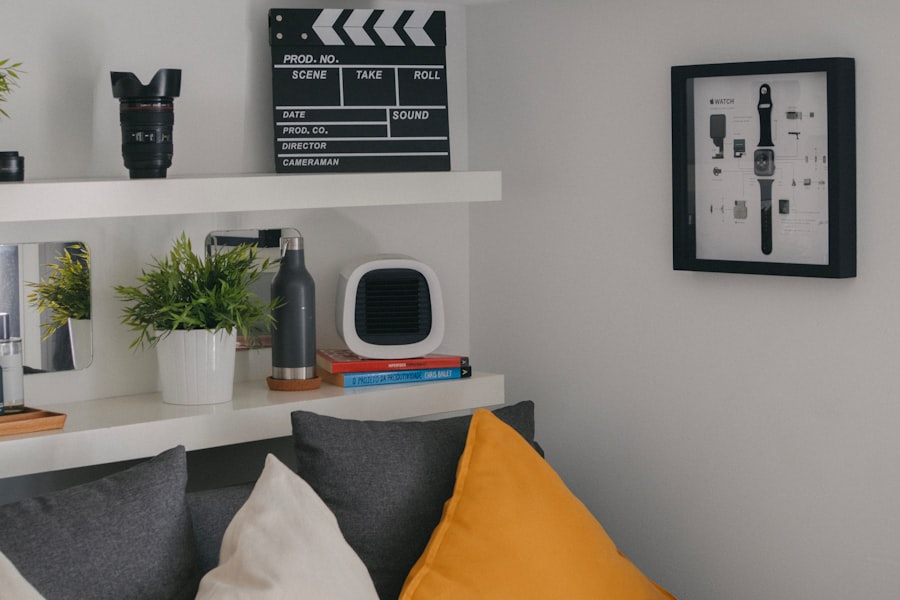
The careful application of lighting, in conjunction with the camera’s perspective, elevates your set from a mere decorated room to a dynamic cinematic environment. This stage is where your initial lighting plans come to fruition.
Three-Point Lighting and Beyond: Sculpting with Light
You implement lighting techniques, such as the classic three-point lighting system (key light, fill light, backlight), to sculpt your subjects and the environment. The key light provides the primary illumination, the fill light reduces harsh shadows, and the backlight separates the subject from the background, adding depth. Experiment with different light qualities – hard light for dramatic shadows and intensity, soft light for a diffused and gentle ambiance. The manipulation of light is akin to painting with photons, adding nuance and emotional resonance.
Camera Angles and Framing: The Gaze of the Storyteller
The deliberate choice of camera angles and framing transforms your set from a static environment into a dynamic narrative space. A low-angle shot can empower a character or emphasize the imposing nature of a setting, while a high-angle shot can convey vulnerability or diminishment. Eye-level shots often foster a sense of intimacy and relatability. Consider how specific framing choices will enhance the emotional impact of a scene and draw the viewer into the narrative. You are, in essence, curating the viewer’s experience.
If you’ve ever wondered why your room resembles a movie set, you might find insights in a related article that explores the psychology behind our personal spaces. The way we decorate and arrange our rooms can reflect our identities and aspirations, creating an atmosphere that feels cinematic. For a deeper understanding of how our environments influence our mood and creativity, check out this fascinating piece on unplugged psychology.
Sound Design Integration: The Aural Landscape
| Metric | Description | Possible Cause | Impact on Room Appearance |
|---|---|---|---|
| Lighting Quality | Brightness and color temperature of room lighting | Use of professional lighting equipment or carefully placed lamps | Creates dramatic shadows and highlights, enhancing cinematic feel |
| Set Design | Arrangement and selection of furniture and decor | Intentional styling with thematic props and minimal clutter | Gives a curated, purposeful look like a movie set |
| Color Palette | Dominant colors used in walls, furniture, and accessories | Use of coordinated or contrasting colors for visual impact | Enhances mood and atmosphere, similar to film production design |
| Camera Angles | Perspective from which the room is viewed or photographed | Use of wide-angle lenses or strategic viewpoints | Makes the space appear larger and more dynamic |
| Props and Accessories | Decorative items that add character and story | Inclusion of unique or thematic objects | Contributes to storytelling and visual interest |
| Cleanliness and Organization | Level of tidiness and order in the room | Regular cleaning and decluttering | Maintains polished and professional appearance |
While often considered secondary to visual elements, sound design plays a crucial role in creating a fully immersive cinematic experience. Even in a DIY setting, attention to sound can profoundly impact the perceived realism and atmosphere of your set.
Ambient Soundscapes: The Breath of Your Environment
Consider the ambient sounds that would naturally occur within your chosen set. Is it a quiet library, a bustling cafe, or a secluded forest cabin? These subtle background noises, even if not explicitly heard in dialogue, contribute to the sense of place and reinforce the visual narrative. This might involve recording specific sounds yourself, sourcing royalty-free audio, or even subtly playing natural sounds during filming. The absence of sound can be as powerful as its presence, creating tension or emphasizing isolation.
Diegetic and Non-Diegetic Sound: The Voice of the Scene
Distinguish between diegetic sound (sounds originating from within the narrative world, such as a character’s footsteps, a ringing phone, or music playing on a radio) and non-diegetic sound (sounds added for dramatic effect, such as a musical score or voice-over narration). Incorporate diegetic sounds that enhance the realism and narrative coherence of your set. A carefully chosen soundtrack (non-diegetic) can amplify the emotional tone and thematic elements. You are constructing not just a visual world, but also an audioscape.
Acoustic Considerations: The Echo of Reality
Consider the acoustics of your transformed room. Hard, reflective surfaces can create echoes and reverberations that might be undesirable for dialogue recording. Conversely, soft furnishings, carpets, and strategically placed sound-absorbing materials can dampen reflections and improve sound clarity. This practical consideration directly impacts the quality of your audio recordings and the overall professionalism of your production.
In conclusion, the transformation of your room into a movie set is a multifaceted undertaking requiring meticulous planning, creative execution, and a systematic approach. You are not merely redesigning a space; you are constructing a narrative environment, a crucible where stories can be performed and captured. Each decision, from the conceptualization of your narrative to the final placement of a prop and the careful sculpting of light and sound, contributes to the overall verisimilitude and artistic merit of your DIY cinematic endeavor. This project, while ambitious, offers a unique opportunity to engage with the disciplines of filmmaking on a tangible, personal scale, effectively turning your everyday surroundings into a powerful stage for imaginative expression.
FAQs
Why does my room look like a movie set?
Your room may look like a movie set due to intentional design choices such as dramatic lighting, carefully arranged props, themed decor, and a cohesive color scheme that mimics cinematic aesthetics.
What elements make a room resemble a movie set?
Key elements include strategic lighting (like spotlights or colored lights), minimal clutter, thematic furniture, carefully placed decorations, and sometimes backdrops or wall art that create a specific atmosphere or story.
Can lighting affect how my room looks like a movie set?
Yes, lighting plays a crucial role. Using soft, directional, or colored lighting can create mood and depth, similar to how scenes are lit in films, making your room appear more dramatic and stylized.
Is it common for people to design their rooms like movie sets?
While not common for everyone, some people intentionally design their rooms to reflect cinematic styles for aesthetic appeal, photography, content creation, or personal enjoyment.
How can I make my room look more like a movie set?
To achieve this look, focus on cohesive themes, use creative lighting, declutter, add unique props or artwork, and arrange furniture to create visual interest and a sense of narrative or mood.