
Neuroplasticity refers to the brain’s ability to reorganize itself by forming new neural connections throughout life. Unlike the previously held belief that the brain was a fixed organ, research demonstrates that the brain is dynamic and adaptable, capable of changing in response to learning, experience, and injury. When individuals engage in new activities or learn new skills, the brain physically rewires itself to accommodate these changes.
This adaptability supports personal growth and development, enabling individuals to overcome challenges and adjust to new environments. The science of neuroplasticity reveals that thoughts and actions can physically alter the brain’s structure. When a skill is practiced repeatedly, the neural pathways associated with that skill become stronger and more efficient.
Conversely, neglecting certain skills or habits causes those pathways to weaken over time. This principle has significant implications for education and skill development, supporting the value of consistent practice and lifelong learning, as the brain retains its capacity for change and adaptation throughout life.
Key Takeaways
- Neuroplasticity enables the brain to change and adapt throughout life.
- Positive thinking and optimism can physically rewire neural pathways.
- Exercise and mindfulness practices significantly enhance brain plasticity.
- Social connections and proper nutrition play crucial roles in cognitive health.
- Consistent sleep, therapy, and embracing challenges support lasting brain transformation.
The Power of Positive Thinking: How Optimism Can Rewire Your Brain
Positive thinking is more than just a feel-good mantra; it has profound implications for your brain’s structure and function. When you cultivate an optimistic mindset, you not only enhance your emotional well-being but also promote neuroplasticity. Research has shown that positive thoughts can lead to the release of neurotransmitters like dopamine and serotonin, which play a crucial role in mood regulation and overall brain health.
By focusing on the positive aspects of your life, you can create a feedback loop that reinforces these beneficial neural pathways. Moreover, adopting an optimistic outlook can help you cope with stress more effectively. When faced with challenges, your brain’s response can either be one of resilience or defeat.
By training yourself to view obstacles as opportunities for growth, you can rewire your brain to respond more positively to adversity. This shift in perspective not only enhances your mental resilience but also encourages a proactive approach to problem-solving, ultimately leading to greater success in various aspects of your life.
Breaking Bad Habits: Overcoming Negative Behaviors Through Cognitive Restructuring
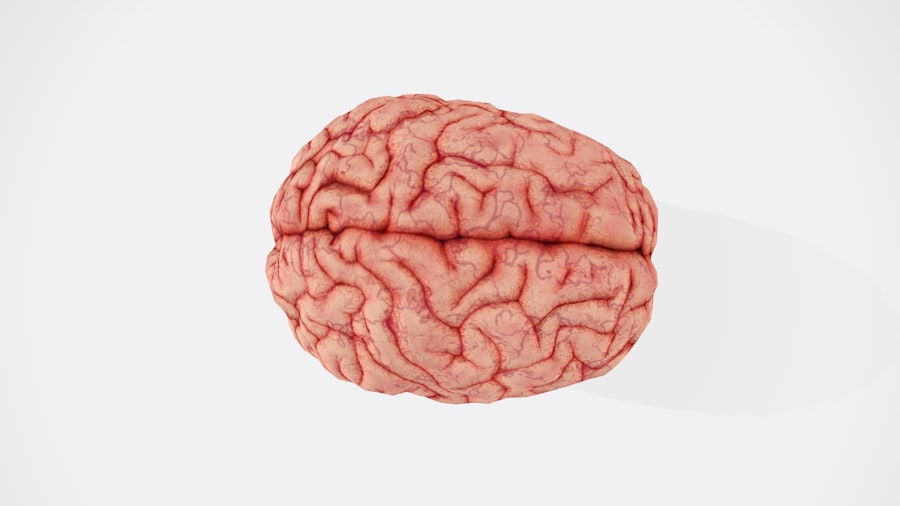
Breaking free from negative habits can be one of the most challenging yet rewarding endeavors you undertake. Cognitive restructuring is a powerful technique that involves identifying and challenging the thought patterns that contribute to these behaviors. By recognizing the underlying beliefs that drive your habits, you can begin to reframe your thinking and create healthier alternatives.
This process requires self-awareness and commitment but can lead to significant changes in your behavior over time. As you engage in cognitive restructuring, it’s essential to replace negative thoughts with constructive ones. For example, if you often think, “I can’t resist junk food,” try reframing it to “I choose nourishing foods that support my health.” This shift not only alters your mindset but also strengthens the neural pathways associated with healthier choices.
By consistently practicing this technique, you can gradually diminish the power of negative habits and foster a more positive relationship with yourself and your choices.
The Role of Exercise in Brain Transformation: How Physical Activity Boosts Neuroplasticity
Physical activity is not just beneficial for your body; it plays a crucial role in enhancing brain function and promoting neuroplasticity. When you engage in regular exercise, your body releases various neurotrophic factors, such as brain-derived neurotrophic factor (BDNF), which supports the growth and survival of neurons. This means that by simply moving your body, you are actively contributing to the health and adaptability of your brain.
Moreover, exercise has been shown to improve mood and reduce symptoms of anxiety and depression. When you engage in physical activity, endorphins are released, creating a sense of well-being and happiness. This positive emotional state can further enhance neuroplasticity by encouraging you to seek out new experiences and challenges.
Whether it’s going for a run, practicing yoga, or dancing, finding an activity you enjoy can significantly impact your brain’s ability to transform and adapt over time.
Mindfulness and Meditation: Harnessing the Power of the Present Moment for Brain Change
| Behavior | Brain Change | Duration for Noticeable Effect | Supporting Research |
|---|---|---|---|
| Regular Meditation | Increased gray matter density in hippocampus; reduced amygdala size | 8 weeks | Hölzel et al., 2011 |
| Physical Exercise | Enhanced neurogenesis in the hippocampus; improved connectivity | 6-12 weeks | Erickson et al., 2011 |
| Learning a New Skill | Increased synaptic connections and cortical thickness | Several months | Draganski et al., 2004 |
| Consistent Sleep Schedule | Improved memory consolidation and brain plasticity | 1-2 weeks | Walker & Stickgold, 2006 |
| Positive Social Interaction | Increased oxytocin release; enhanced prefrontal cortex activity | Days to weeks | Inagaki & Eisenberger, 2016 |
| Mindful Breathing | Reduced stress response; increased prefrontal cortex regulation | 4-6 weeks | Zeidan et al., 2010 |
Mindfulness and meditation are powerful practices that can profoundly influence your brain’s structure and function. By focusing on the present moment and cultivating awareness of your thoughts and feelings, you can create a space for transformation within yourself. Research has shown that regular mindfulness practice can lead to increased gray matter density in areas of the brain associated with emotional regulation, self-awareness, and empathy.
Incorporating mindfulness into your daily routine doesn’t have to be complicated. Simple practices like deep breathing or mindful walking can help you develop greater awareness and presence in your life. As you become more attuned to your thoughts and emotions, you’ll find it easier to manage stress and respond to challenges with clarity and calmness.
This heightened state of awareness not only enhances your mental well-being but also fosters neuroplasticity by encouraging new ways of thinking and behaving.
The Impact of Social Connections: How Relationships and Community Support Shape Brain Function
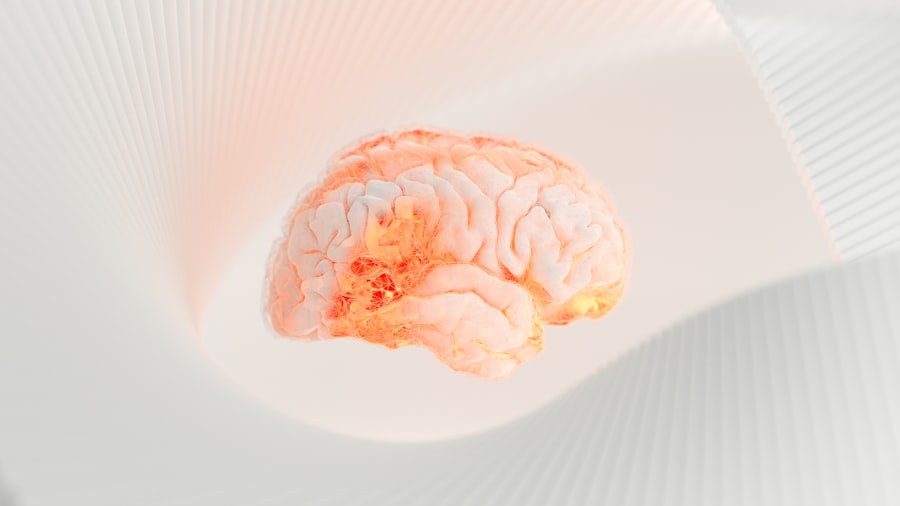
Human beings are inherently social creatures, and our relationships play a vital role in shaping our brain function. Social connections provide emotional support, reduce stress levels, and foster a sense of belonging—all of which contribute to overall brain health. Engaging with others stimulates various areas of the brain associated with empathy, communication, and emotional regulation, promoting neuroplasticity through shared experiences.
Building strong relationships requires effort and intention. Whether it’s nurturing friendships or participating in community activities, investing time in social connections can lead to significant benefits for your mental health. As you engage with others, you’ll find that these interactions not only enhance your emotional well-being but also encourage cognitive growth by exposing you to diverse perspectives and ideas.
Nutrition and Brain Health: How Diet Can Influence Cognitive Function and Behavior
What you eat has a profound impact on your brain health and cognitive function. A balanced diet rich in nutrients supports optimal brain function by providing the essential building blocks for neurotransmitters and other critical components involved in neural communication. Foods high in omega-3 fatty acids, antioxidants, vitamins, and minerals can enhance neuroplasticity by promoting the growth of new neurons and protecting existing ones from damage.
Incorporating brain-healthy foods into your diet doesn’t have to be daunting. Simple changes like adding more fruits, vegetables, whole grains, and healthy fats can make a significant difference in how your brain functions. Additionally, staying hydrated is crucial for maintaining cognitive performance.
By prioritizing nutrition as part of your lifestyle, you’re not only nourishing your body but also fostering an environment conducive to brain transformation.
The Importance of Sleep: How Rest and Recovery Impact Brain Transformation
Sleep is often overlooked in discussions about brain health, yet it plays a critical role in neuroplasticity and cognitive function. During sleep, your brain consolidates memories, processes information from the day, and clears out toxins that accumulate during waking hours. Insufficient sleep can hinder these processes, leading to impaired cognitive performance and emotional regulation.
To support optimal brain transformation, prioritize quality sleep as part of your routine. Establishing a consistent sleep schedule, creating a calming bedtime environment, and practicing relaxation techniques can all contribute to better sleep quality. By ensuring that you get enough restorative rest each night, you’re providing your brain with the necessary time it needs to adapt and grow.
Embracing Challenges: How Stepping Out of Your Comfort Zone Can Stimulate Brain Growth
Stepping outside of your comfort zone is essential for stimulating brain growth and fostering neuroplasticity. When you challenge yourself with new experiences or skills, you’re essentially pushing your brain to adapt and reorganize itself in response to these demands. This process not only enhances cognitive flexibility but also builds resilience as you learn to navigate unfamiliar situations.
Embracing challenges doesn’t mean you have to take on monumental tasks; even small steps can lead to significant changes over time. Whether it’s trying a new hobby, learning a language, or tackling a difficult project at work, each challenge presents an opportunity for growth. As you confront these obstacles head-on, you’ll find that your confidence increases along with your ability to adapt—both crucial components of a healthy mind.
The Role of Therapy and Counseling in Behavior Change: Seeking Professional Support for Brain Transformation
Sometimes, navigating the complexities of behavior change requires professional support. Therapy and counseling provide valuable tools for understanding yourself better and addressing underlying issues that may be hindering your progress. A trained therapist can guide you through cognitive restructuring techniques, helping you identify negative thought patterns and replace them with healthier alternatives.
Seeking therapy is not a sign of weakness; rather, it demonstrates a commitment to personal growth and transformation. By working with a professional, you’re investing in your mental health and equipping yourself with strategies that promote neuroplasticity. Whether you’re dealing with anxiety, depression, or simply seeking personal development, therapy can be an invaluable resource on your journey toward positive change.
Sustaining Change: Strategies for Maintaining and Building on Brain Transformation Over Time
Once you’ve embarked on the journey of brain transformation, sustaining that change requires ongoing effort and commitment. Establishing routines that incorporate the principles discussed—such as mindfulness practices, regular exercise, healthy eating habits, and nurturing social connections—can help reinforce the positive changes you’ve made. Additionally, setting realistic goals for yourself can provide motivation as you continue on this path.
Celebrate small victories along the way; acknowledging progress reinforces positive behaviors and encourages further growth. Remember that transformation is an ongoing process—by remaining open to new experiences and challenges while prioritizing self-care practices, you’ll continue to cultivate a resilient mind capable of adapting to whatever life throws your way. In conclusion, understanding neuroplasticity empowers you to take charge of your mental health and well-being actively.
By embracing positive thinking, breaking bad habits through cognitive restructuring, engaging in physical activity, practicing mindfulness, nurturing social connections, prioritizing nutrition and sleep, stepping outside your comfort zone, seeking professional support when needed, and sustaining change over time—you are setting yourself up for a lifetime of growth and transformation. Your brain is capable of incredible things; all it takes is the willingness to embrace change.
It delves into the science of neuroplasticity and offers practical strategies for reshaping your thought patterns and habits. You can read more about it in this article.
FAQs
What does it mean to change your brain with behavior?
Changing your brain with behavior refers to the concept of neuroplasticity, where engaging in certain behaviors, habits, or activities can physically alter the structure and function of the brain over time.
How quickly can behavior change affect the brain?
Behavioral changes can begin to affect the brain within days to weeks, but significant and lasting changes typically require consistent practice over months or longer.
What types of behaviors can change the brain?
Behaviors such as learning new skills, practicing mindfulness or meditation, regular physical exercise, cognitive training, and adopting positive habits can all contribute to brain changes.
Is it possible to reverse negative brain changes through behavior?
Yes, engaging in positive behaviors like therapy, exercise, and cognitive exercises can help reverse or mitigate some negative brain changes caused by stress, trauma, or unhealthy habits.
Does changing behavior guarantee changes in the brain?
While behavior strongly influences brain plasticity, the extent of change depends on factors like consistency, intensity, individual biology, and environmental support.
Can changing your brain through behavior improve mental health?
Yes, behavioral changes such as practicing mindfulness, exercising, and cognitive therapy have been shown to improve symptoms of depression, anxiety, and other mental health conditions by altering brain function.
Are there any risks associated with trying to change your brain through behavior?
Generally, positive behavioral changes are safe, but it is important to approach new activities thoughtfully and seek professional guidance if dealing with mental health issues or neurological conditions.
How does neuroplasticity relate to changing your brain with behavior?
Neuroplasticity is the brain’s ability to reorganize itself by forming new neural connections, which is the underlying mechanism that allows behavior to physically change the brain.
Can children and adults both change their brains through behavior?
Yes, neuroplasticity occurs throughout life, so both children and adults can change their brains through behavior, although the brain may be more adaptable during childhood.
What role does repetition play in changing the brain with behavior?
Repetition is crucial because repeated behaviors strengthen neural pathways, making new skills or habits more automatic and ingrained in the brain.