
To embark on a journey of spiritual growth, it is essential to first understand the concept of the ego. The ego is often described as the part of your psyche that constructs your identity, shaping how you perceive yourself and how you relate to the world around you. It is a complex interplay of thoughts, beliefs, and emotions that can either empower you or hinder your progress.
The ego thrives on comparison, competition, and the need for validation, often leading you to identify more with your achievements and possessions than with your true self. Recognizing this aspect of your psyche is the first step toward transcending its limitations. As you delve deeper into understanding the ego, you may begin to notice how it influences your thoughts and actions.
It can create a false sense of separation from others, fostering feelings of isolation and loneliness. The ego often whispers in your ear, convincing you that you are not enough or that you must constantly strive for more to be worthy. This realization can be both liberating and daunting, as it invites you to question the very foundation of your identity.
By acknowledging the ego’s role in your life, you can start to dismantle its hold over you and open yourself up to a more authentic existence.
Key Takeaways
- Ego can hinder spiritual growth by creating attachment and separation.
- Cultivating self-awareness and mindfulness helps recognize and manage ego-driven thoughts.
- Compassion, empathy, and letting go of attachment foster deeper spiritual connection.
- Surrendering to the present moment and connecting with a higher power enhance inner peace.
- Regular self-reflection and guidance from mentors support ongoing spiritual integration.
Recognizing the Impact of Ego on Spiritual Growth
The impact of the ego on your spiritual growth cannot be overstated. When you allow the ego to dominate your thoughts and actions, it can create barriers that prevent you from experiencing deeper levels of connection and understanding. You may find yourself caught in a cycle of self-doubt and fear, which can stifle your spiritual development.
The ego often leads you to seek external validation rather than nurturing an inner sense of peace and fulfillment. This reliance on external sources can distract you from the true essence of your spiritual journey. As you begin to recognize the ways in which the ego influences your spiritual path, you may notice patterns that have held you back.
Perhaps you’ve found yourself comparing your spiritual journey to others, feeling inadequate or envious of their progress. This comparison can create a sense of competition that detracts from the joy of your own unique experience. By acknowledging these tendencies, you can consciously choose to shift your focus inward, fostering a sense of acceptance and appreciation for where you are on your journey.
Cultivating Self-Awareness

Cultivating self-awareness is a vital component of spiritual growth. It involves developing a keen understanding of your thoughts, emotions, and behaviors, allowing you to observe them without judgment. This practice encourages you to become an impartial witness to your own experiences, enabling you to identify patterns that may be rooted in the ego.
As you cultivate self-awareness, you may find that you become more attuned to your inner voice, guiding you toward authenticity and truth. To enhance your self-awareness, consider engaging in regular self-reflection. This could involve journaling about your thoughts and feelings or simply taking time each day to sit in silence and observe your mind.
As you develop this practice, you’ll likely discover insights about yourself that were previously hidden beneath layers of ego-driven narratives. This newfound clarity can empower you to make conscious choices that align with your true self, fostering a deeper connection to your spiritual path.
Practicing Mindfulness and Meditation
| Metric | Description | Typical Range/Value | Measurement Method |
|---|---|---|---|
| Session Duration | Length of each mindfulness or meditation session | 5 to 60 minutes | Self-reported or timer |
| Frequency | Number of sessions per week | 3 to 7 sessions | Self-reported logs or app tracking |
| Stress Reduction | Decrease in perceived stress levels after practice | 10% to 40% reduction | Perceived Stress Scale (PSS) questionnaire |
| Heart Rate Variability (HRV) | Improvement in HRV indicating better autonomic nervous system balance | 5 to 20 ms increase | Wearable heart rate monitors |
| Mindfulness Score | Level of mindfulness as measured by standardized scales | Increase of 5 to 15 points | Five Facet Mindfulness Questionnaire (FFMQ) |
| Sleep Quality | Improvement in sleep quality after regular practice | 10% to 30% improvement | Pittsburgh Sleep Quality Index (PSQI) |
| Emotional Regulation | Improvement in managing emotions and reducing reactivity | Moderate to significant improvement | Self-report scales and behavioral assessments |
Mindfulness and meditation are powerful tools for transcending the ego and deepening your spiritual practice. Mindfulness encourages you to be fully present in each moment, allowing you to observe your thoughts and feelings without becoming entangled in them. This practice helps create a space between your thoughts and your reactions, enabling you to respond with intention rather than impulse.
By cultivating mindfulness, you can begin to recognize when the ego is at play, allowing you to detach from its influence. Meditation takes this practice a step further by providing a dedicated time for stillness and introspection. As you sit in meditation, you may encounter various thoughts and emotions that arise from the ego.
Instead of resisting or suppressing these feelings, meditation invites you to acknowledge them with compassion and curiosity. Over time, this practice can help dissolve the grip of the ego, allowing you to experience moments of profound peace and connection with your true self.
Embracing Compassion and Empathy
Embracing compassion and empathy is essential for nurturing spiritual growth and counteracting the divisive nature of the ego. When you cultivate compassion for yourself and others, you begin to dissolve the barriers that separate you from those around you. This practice encourages you to recognize the shared human experience, fostering a sense of connection that transcends individual differences.
By embracing compassion, you can shift your focus from judgment and criticism to understanding and acceptance.
By putting yourself in someone else’s shoes, you can gain insight into their struggles and triumphs, fostering a deeper sense of connection.
This practice not only enriches your relationships but also enhances your spiritual journey by reminding you that we are all interconnected. As you cultivate compassion and empathy, you’ll likely find that the grip of the ego loosens, allowing for greater love and understanding in both yourself and others.
Letting Go of Attachment
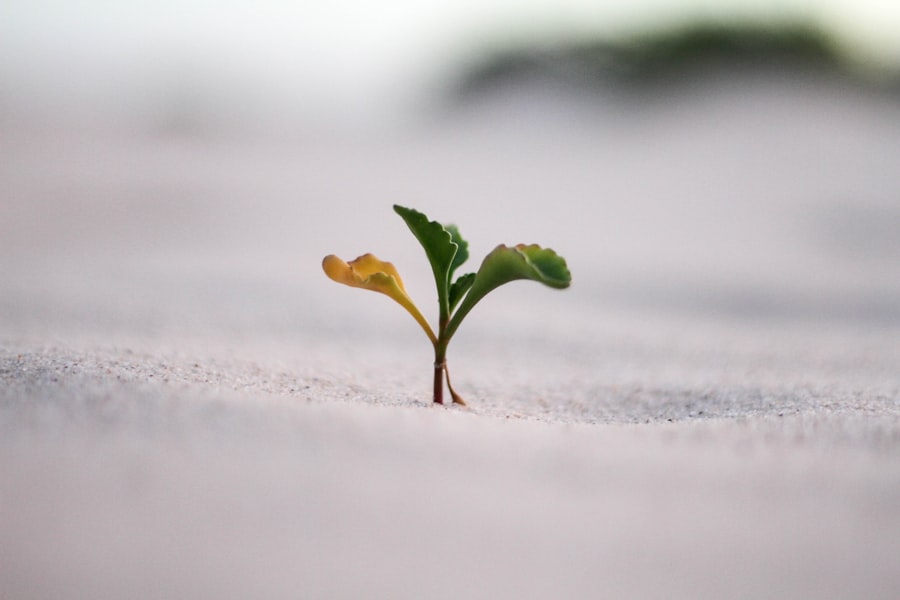
Letting go of attachment is a transformative aspect of spiritual growth that challenges the ego’s need for control and security. The ego often clings to people, possessions, and outcomes as a means of defining its identity. However, this attachment can lead to suffering when circumstances change or when loss occurs.
By learning to let go of these attachments, you can free yourself from the limitations imposed by the ego and open yourself up to new possibilities. To practice letting go, start by examining the areas in your life where attachment may be holding you back. This could involve relationships that no longer serve you or material possessions that define your worth.
As you begin to release these attachments, you’ll likely experience a sense of liberation and lightness. Embracing impermanence allows you to appreciate each moment fully without being weighed down by expectations or fears about the future.
Surrendering to the Present Moment
Surrendering to the present moment is a profound act of faith that invites you to release control over your life and trust in the unfolding process. The ego often resists this surrender, clinging to past regrets or future anxieties as a means of maintaining its sense of security. However, true spiritual growth occurs when you learn to embrace the present moment fully, recognizing it as the only place where life truly exists.
To cultivate this surrender, practice grounding techniques that anchor you in the here and now. This could involve focusing on your breath or engaging in activities that bring you joy and fulfillment. As you immerse yourself in these experiences, you’ll find that the grip of the ego begins to loosen, allowing for greater peace and acceptance.
Surrendering to the present moment opens up new avenues for growth and connection with yourself and others.
Connecting with a Higher Power or Source
Connecting with a higher power or source is an integral part of many spiritual journeys. This connection transcends the limitations of the ego, inviting you into a realm of unity and divine love. Whether through prayer, meditation, or simply spending time in nature, seeking this connection can provide profound insights and guidance along your path.
As you cultivate this relationship with a higher power, allow yourself to be open to receiving messages or signs that may come your way. Trusting in this connection can help dissolve feelings of isolation or fear that often stem from the ego’s narrative. By surrendering to this greater force, you’ll find comfort in knowing that you’re part of something much larger than yourself.
Seeking Guidance from Spiritual Teachers or Mentors
Seeking guidance from spiritual teachers or mentors can significantly enhance your growth journey by providing valuable insights and perspectives that challenge your current understanding. These individuals have often traversed similar paths and can offer wisdom based on their experiences. Engaging with a mentor allows for deeper exploration into concepts such as ego dissolution and spiritual awakening.
When seeking guidance, approach potential mentors with an open heart and mind. Be willing to listen actively and absorb their teachings without judgment or preconceived notions. This openness will enable you to glean valuable lessons that resonate with your unique journey while also encouraging personal growth through constructive feedback.
Engaging in Self-Reflective Practices
Engaging in self-reflective practices is essential for deepening your understanding of yourself and facilitating spiritual growth. These practices encourage introspection and provide opportunities for honest self-assessment regarding how the ego influences your thoughts and actions. By regularly reflecting on your experiences, you’ll gain insights into patterns that may be hindering your progress.
Consider incorporating various self-reflective practices into your routine—journaling about significant events or emotions can help clarify your thoughts while also revealing underlying beliefs shaped by the ego. Additionally, discussing these reflections with trusted friends or mentors can provide further perspective on areas where growth is needed.
Integrating Spiritual Growth into Daily Life
Integrating spiritual growth into daily life is crucial for sustaining progress on your journey toward enlightenment. It involves weaving spiritual principles into every aspect of existence—your relationships, work environment, and personal practices should all reflect this commitment to growth. By consciously choosing actions aligned with your spiritual values, you’ll create a harmonious balance between daily responsibilities and inner development.
To facilitate this integration process, establish daily rituals that nurture both body and spirit—this could include morning meditation sessions or evening gratitude practices before bed. As these rituals become ingrained in your routine over time, they will serve as reminders of your commitment to personal growth while also reinforcing positive habits that support ongoing transformation. In conclusion, embarking on a journey toward spiritual growth requires an understanding of the ego’s influence while cultivating self-awareness through mindfulness practices such as meditation or journaling—embracing compassion for oneself & others fosters deeper connections; letting go & surrendering opens up new possibilities; connecting with higher powers provides guidance; seeking mentors enriches perspectives; engaging in reflective practices enhances clarity—all culminating in integrating these lessons into daily life—ultimately leading towards greater fulfillment & enlightenment along this beautiful path we call life!
Spiritual growth often requires a deep understanding of the self, free from the constraints of ego. One insightful resource that delves into this topic is an article on Unplugged Psych, which explores the importance of letting go of ego to foster genuine spiritual development. You can read more about this transformative journey in their article [here](https://www.unpluggedpsych.com/).
WATCH THIS! The Enlightenment Trap: Why Spiritual Grandiosity Is Just Narcissism
FAQs
What is spiritual growth without ego?
Spiritual growth without ego refers to the process of developing a deeper connection with one’s inner self and the universe while minimizing the influence of the ego. It involves transcending self-centered thoughts and behaviors to achieve greater humility, compassion, and awareness.
Why is reducing the ego important in spiritual growth?
Reducing the ego is important because the ego often creates barriers such as pride, attachment, and separation from others. By diminishing the ego’s control, individuals can experience greater inner peace, empathy, and a sense of unity with all beings.
How can one practice spiritual growth without ego?
Practices that support spiritual growth without ego include meditation, mindfulness, self-reflection, humility, service to others, and studying spiritual teachings. These practices help individuals observe their thoughts and emotions without attachment and foster a sense of interconnectedness.
Can spiritual growth without ego lead to enlightenment?
Many spiritual traditions suggest that transcending the ego is a key step toward enlightenment or self-realization. While definitions of enlightenment vary, reducing ego-driven desires and attachments is commonly seen as essential for achieving higher states of consciousness.
Is ego completely bad in spiritual growth?
The ego is not inherently bad; it serves practical functions like self-identity and survival. However, excessive ego attachment can hinder spiritual progress. The goal is to balance the ego’s role while preventing it from dominating one’s thoughts and actions.
What are common signs of spiritual growth without ego?
Signs include increased compassion, patience, humility, reduced judgment of others, greater emotional resilience, and a sense of inner peace. Individuals may also experience a diminished need for external validation and a stronger connection to their true self.
Can spiritual growth without ego improve relationships?
Yes, reducing ego-driven behaviors such as defensiveness and pride can lead to healthier, more authentic relationships. It fosters empathy, active listening, and a willingness to understand others’ perspectives.
Are there any challenges in pursuing spiritual growth without ego?
Yes, challenges include confronting deep-seated beliefs, overcoming attachment to identity, and managing resistance from the ego. It requires consistent practice, patience, and self-awareness to navigate these difficulties effectively.
Does spiritual growth without ego relate to any specific religions or philosophies?
Many religions and philosophies, including Buddhism, Hinduism, Taoism, and certain mystical traditions within Christianity and Islam, emphasize transcending the ego as part of spiritual development. However, the concept is also explored in secular mindfulness and psychological practices.
How long does it take to achieve spiritual growth without ego?
The timeline varies greatly among individuals and depends on factors such as dedication, practice, and personal circumstances. Spiritual growth is often considered a lifelong journey rather than a fixed destination.